
 Adventure Tours
I remember a guest on our 5-day Mara trip asking me on night one, “so realistically, will we see all five?” I didn’t give her the brochure answer. I told her the truth: it depends which five days, which park, and how much driving she was willing to do before breakfast.
That’s the question this post actually answers. Not “is Kenya good for the Big Five” (yes, obviously), but what your real chances of seeing the Big Five look like once you pick a park, a season, and a trip length.
What the Big Five Actually Are, and Why They’re Grouped Together
Lion, elephant, buffalo, leopard, and rhino make up the Big Five. The name comes from old hunting days, when these were the five animals considered hardest and most dangerous to track on foot. They still are, for a photographer’s version of the same reason. Some hide in thick bush. Some move fast. Some are simply rare on the ground now, especially rhino, after decades of poaching cut numbers hard across East Africa.
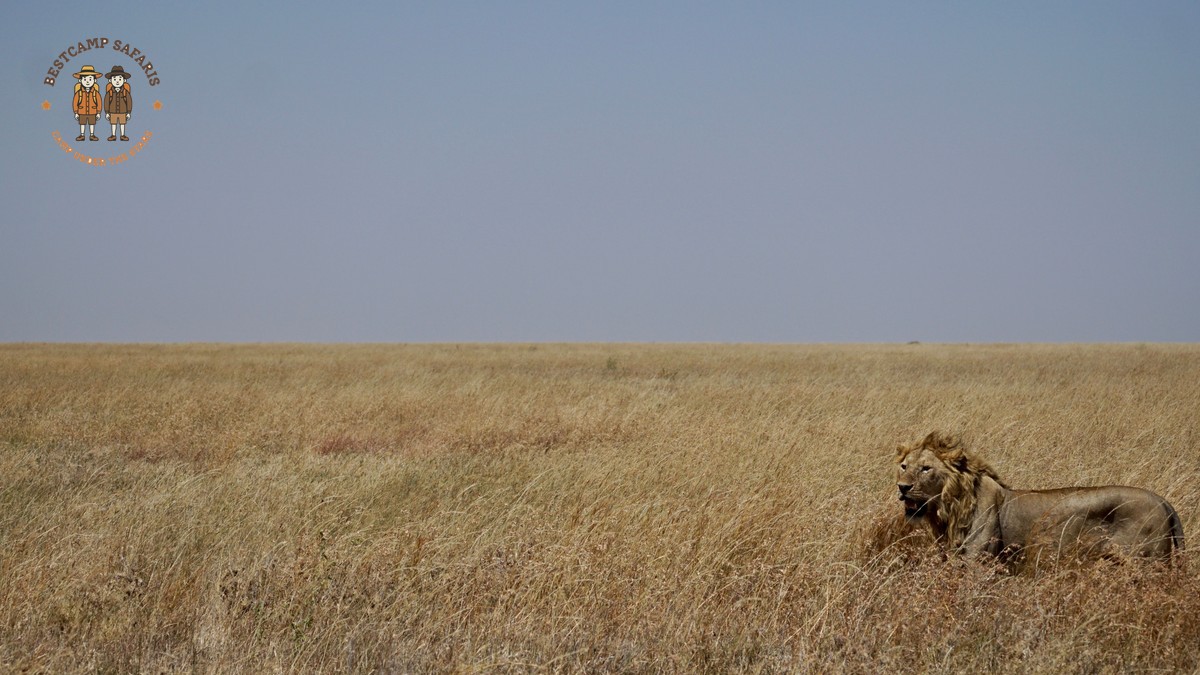
Grouping them together is useful shorthand, but it hides a huge range of difficulty. Seeing a lion is almost routine in the Mara. Seeing a rhino there is nearly impossible. Lumping them into one number does new travelers a disservice.
Your Chances of Seeing the Big Five, Species by Species
These figures come from BestCamp Safaris guide logs across our mobile camping trips over the past few seasons. Treat them as informed estimates, not a scientific census.
| Species | Chance on a 3-night Masai Mara-only trip | Best park for reliable sightings |
|---|---|---|
| Lion | 90-95% | Masai Mara, Mara Triangle |
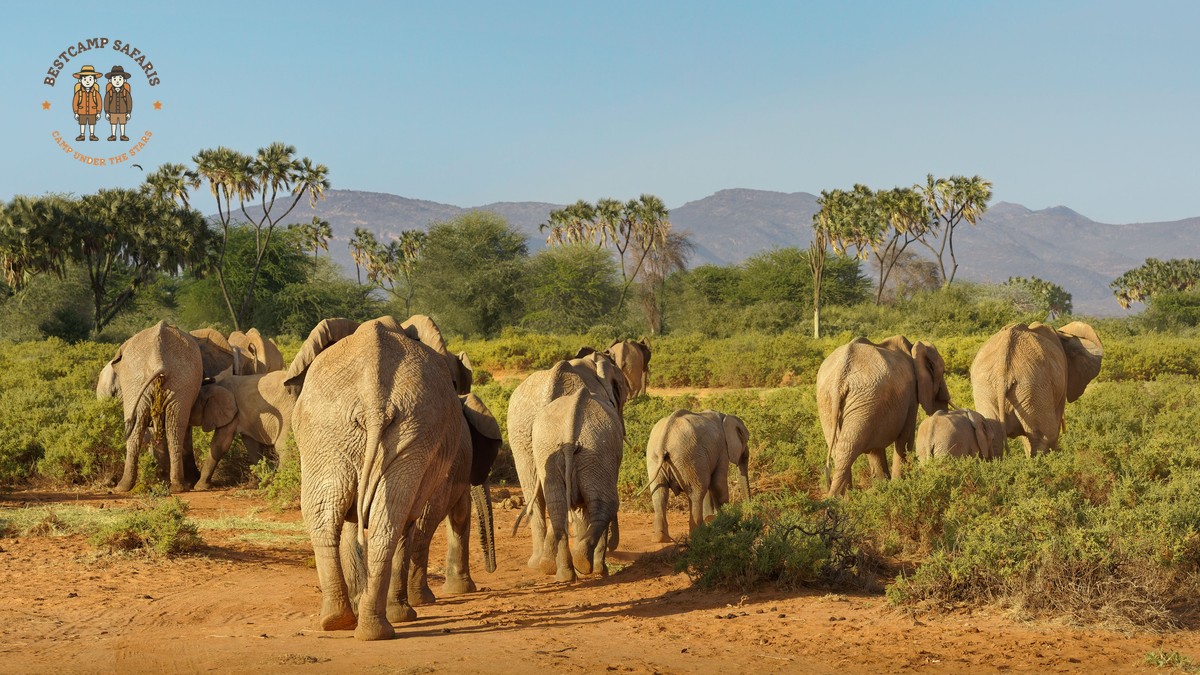
| Elephant | 85-90% | Amboseli National Park |
| Buffalo | 85-90% | Masai Mara, Lake Nakuru |
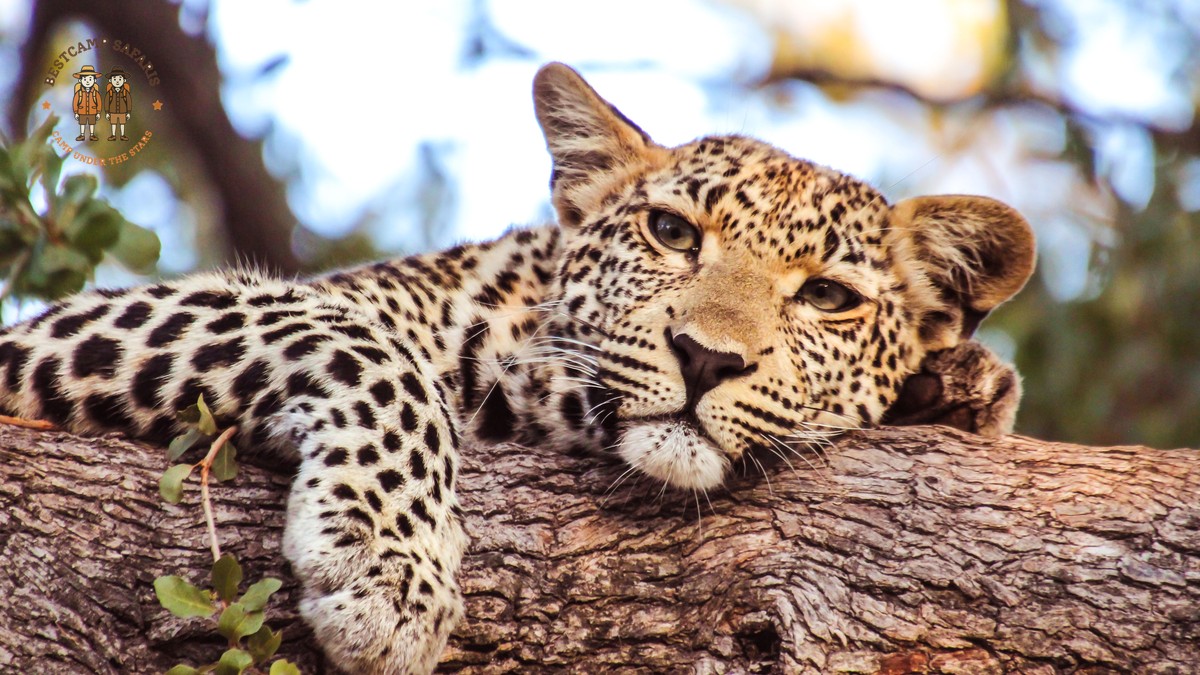
| Leopard | 40-60% | Mara Triangle, Naboisho Conservancy |
| Rhino | 5-10% | Ol Pejeta Conservancy, Lake Nakuru |
Lion, elephant, and buffalo are the easy three almost anywhere in Kenya’s major parks. Leopard and rhino are where trip planning actually matters.
Why Rhino and Leopard Are the Hardest to Guarantee
Leopards are solitary and mostly active at dawn, dusk, and through the night. They rest in trees or thick riverine bush during the heat of the day. A skilled guide who knows den sites and radio-shares sightings with other vehicles makes a real difference. That’s part of why leopard odds jump so much in dense-cat areas like Naboisho Conservancy.
Rhino is a different problem entirely. The Masai Mara has only a small, closely guarded population, and sightings there are genuinely rare. If rhino matters to you, the honest advice is to add a park built around rhino protection. Ol Pejeta Conservancy in Laikipia holds one of Kenya’s largest black rhino populations and also protects the last two northern white rhinos on Earth. Lake Nakuru National Park is fenced and has a strong rhino sanctuary too, with sightings far more likely than in open Mara plains. You can read more about the conservancies driving Kenya’s rhino recovery if you want the full picture on how these numbers have improved.
Best Parks and Conservancies, Ranked for Big Five Odds
| Park or Conservancy | Distance from Nairobi | Drive time | Non-resident entrance fee | Strongest Big Five species |
|---|---|---|---|---|
| Masai Mara National Reserve | approx. 270 km | 5-6 hours by road | USD 100/day (Jan-Jun), USD 200/day (Jul-Dec) | Lion, buffalo, leopard |
| Amboseli National Park | approx. 240 km | 4 hours | USD 90/day | Elephant |
| Ol Pejeta Conservancy | approx. 200 km | 3.5-4 hours | USD 90-100/day (indicative, private conservancy rate) | Rhino, lion |
| Lake Nakuru National Park | approx. 160 km | 3 hours | USD 90/day | Rhino, buffalo |
| Tsavo East / Tsavo West | approx. 330 km | 4-5 hours | USD 80/day | Elephant, buffalo |
| Naboisho Conservancy | adjacent to Masai Mara | +30-45 min from Mara airstrips | USD 80-150/night (bundled into camp rate) | Leopard, lion |
No single park on this list nails all five reliably on its own. That’s the piece most park-directory pages skip past.
How Many Days You Actually Need
For a Mara-only trip, three nights gives strong odds on lion, elephant, and buffalo, and a fair shot at leopard if your guide knows the conservancy well. Rhino is very unlikely in that window.
To have a real shot at all five, plan on at least five to six days, split between two ecosystems. Our 5-day Masai Mara & Amboseli itinerary pairs Mara predator density with Amboseli’s elephant herds under Kilimanjaro, though it still leaves rhino as a gap. For travelers who want rhino in the mix too, the 8-day mobile camping safari that covers more Big Five habitat adds Ol Pejeta or Nakuru into the loop, which is the trip that actually closes the gap.
Does Season Change Your Odds?
Yes, but less than most people expect. Lion, buffalo, and rhino sightings stay fairly steady year-round, since these species don’t migrate. Elephant viewing in Amboseli is often best in the dry months of June to October and January to February, when herds cluster near the swamps.
The wildebeest migration, which peaks in the Mara from July through October, doesn’t change your Big Five odds much directly. It does mean higher predator activity, more lion and leopard action near the river crossings, and it’s also when Mara park fees jump to USD 200 per adult per day under Narok County’s peak season pricing.
Does Where You Sleep Matter?
It does, more than most travelers assume. A camp inside or bordering a private conservancy like Naboisho or Mara North gets you off-road driving rights and night drives, both banned inside the main Masai Mara National Reserve. That alone lifts leopard odds noticeably, since so much leopard activity happens after dark.
This is where mobile camping earns its keep. Instead of one lodge base, you move camp between ecosystems, sleeping under canvas near Amboseli’s elephant corridors one week and near Mara’s cat country the next. I’ve packed up a bush breakfast at 6am more times than I can count, and walked back into camp after dark by lamplight more than once too. That mobility is the actual mechanism behind better odds, not a marketing line.
Flying Versus Road Safari
Flying between parks saves time but skips the transition country where a lot of wildlife lives. A road safari from Nairobi to the Mara passes through the Great Rift Valley escarpment, and guides often spot game along the way. Flying is worth it on longer multi-park trips like the 8-day circuit, where road transfers would eat a full day. For a single-park trip, road travel costs you time, not sightings.
Tips to Actually Improve Your Odds
Book a guide who works the same conservancy regularly. Local knowledge of den sites and territory boundaries matters more than luck. Ask for early game drives, out by 6am, since predators are most active at dawn. Choose a camp with off-road and night drive privileges if leopard matters to you. And don’t skip the second park if rhino is on your list. No amount of guide skill fixes an ecosystem that simply has very few rhinos left in it.
The Honest Limit: What a Short, Single-Park Trip Won’t Deliver
A 3-day Masai Mara-only safari is genuinely a great trip. It will very likely deliver lion, buffalo, and elephant, and it has a real shot at leopard. It will almost certainly not deliver rhino. If a travel blog tells you otherwise for a Mara-only itinerary, be skeptical. We would rather tell you the gap up front than let you find it on day three.
The BestCamp Safaris Difference
We build every itinerary around what a park can actually deliver, not around a marketing checklist. Our guides log sightings trip after trip. That is how we know leopard odds double inside Naboisho versus the open reserve, and why we route rhino-focused travelers through Ol Pejeta or Nakuru instead of promising something the Mara alone can’t give. Our mobile camps move with the wildlife instead of asking wildlife to come to one fixed lodge. Every guide on our team works the same conservancies season after season, and that local knowledge is what turns a good sighting into a five-for-five trip.
Plan Your Big Five Trip
If you want a trip built around your real chances of seeing the Big Five rather than a hopeful itinerary, we’re happy to talk through the options. Visit our contact page and tell us how many days you have, and we’ll help you match that to the right parks.


