
 Wildlife Tours
This Manipuri speaking parents family safari guide answers the questions most other guides skip. Planning a family safari in Kenya from Manipur comes with real questions. Can your kids come? What will they eat? How do you get there from Imphal? And how will you understand the guide?
I have slept in a mobile tented camp in the Mara, heard lions at 2am, and watched my own children eat breakfast in the dark before a game drive. I know what you are worried about. Let me walk you through the details that actually matter.
How to Get from Imphal or Guwahati to Nairobi
There is no direct flight from Imphal to Nairobi. You will need two flights and a layover. The most practical route is Imphal or Guwahati to Delhi or Mumbai, then a direct overnight flight to Nairobi.
IndiGo and Air India fly daily from Imphal to Delhi. The flight takes about three hours. From Guwahati, you have more options, including direct flights to Delhi and Kolkata. From Delhi, Kenya Airways flies nonstop to Nairobi in about eight hours.
Plan for a layover of four to six hours in Delhi. This gives you time to collect bags, change terminals, and feed the kids. Total travel time from Imphal to Nairobi is usually 16 to 20 hours with the layover.
Best Time to Visit Kenya with Kids
The best time for a family safari depends on your school calendar and the wildlife you want to see.
The Masai Mara National Reserve is famous for the wildebeest migration. Between July and December, park fees are USD 200 per adult per day. From January to June, fees drop to USD 100 per adult per day. The migration is spectacular, but the park is busier and more expensive.
Many Manipuri families prefer the low season from January to June. The grass is shorter, animals are easier to spot, and camps are less crowded. Kids under a certain age often stay free or at reduced rates, which I will cover later.
If your school break falls in the migration months, the Mara still works. Just book early and budget for the higher fees.
Minimum Age for Safari and Age-Appropriate Camps
The minimum age for a safari depends on the camp, not the park. Most tented camps accept children from age six. Some luxury lodges prefer children aged eight or older. A few family-friendly camps take children from age four.
Here is a comparison of well-known family camps with real minimum ages and indicative pricing. Prices are per adult per night and vary by season.
| Camp or Lodge | Location | Minimum Child Age | Adult Rate (USD/night) | Child Rate |
|---|---|---|---|---|
| Kicheche Bush Camp | Mara North Conservancy | 6 years | USD 450 – 650 | 50% of adult rate |
| &Beyond Bateleur Camp | Masai Mara | 6 years | USD 750 – 1,100 | 25% discount |
| Angama Mara | Masai Mara | 4 years | USD 895 – 1,450 | 50% of adult rate |
| Sarova Mara Game Camp | Masai Mara | 4 years | USD 220 – 350 | 30% discount |
| Ol Pejeta Bush Camp | Laikipia | 6 years | USD 350 – 520 | 50% of adult rate |
Child rates vary by season and number of children. Always confirm at booking. Most camps offer family tents with two bedrooms connected by a shared veranda.
For toddlers under four, your choice narrows significantly. Angama Mara and Sarova Mara are the most accommodating for very young children. Both have private family units and can arrange babysitting.
Activities for Kids: What to Expect
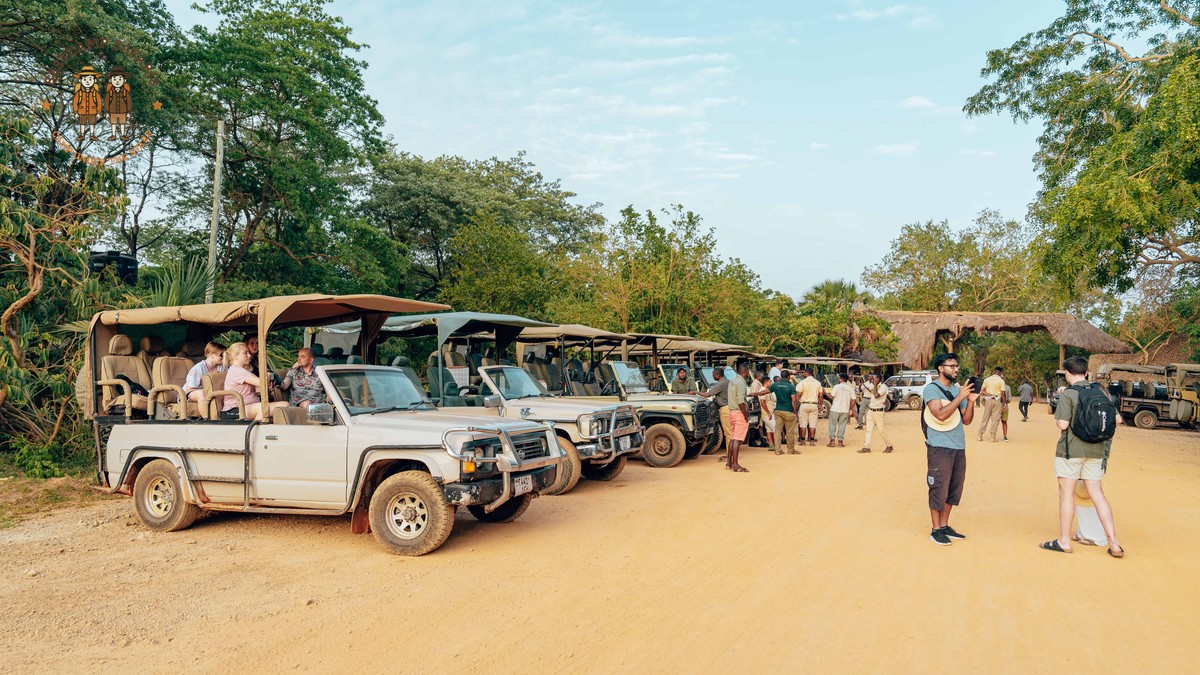
A safari day starts early. Wake-up is usually at 5:30am, with coffee and a light snack before the morning game drive. You are out in the open vehicle by 6am, just as the sun rises over the savannah.
Kids ride in the same vehicle as you. Most camps provide a booster seat or a cushion. The open-sided Land Cruiser can feel exposed, but children adapt quickly. Bring a warm jacket for the morning and a hat for the midday sun.
Between the morning drive and the afternoon drive, you return to camp for brunch and rest. This is when kids swim in the pool at camps like Sarova Mara. Some camps run junior ranger programs. Kicheche Bush Camp has a bush skills program where children learn to identify animal tracks and bird calls.
A cultural visit to a Maasai village is optional but popular. Kids see how a traditional manyatta works, meet children their age, and sometimes join a jumping dance. The visit lasts about an hour and is easy to skip if your kids are tired.
What Will Your Family Eat? Manipuri Speaking Parents Family Safari Food Concerns
This is the question I hear most from Manipuri families. You want to know if your children can eat safely on safari.
All major camps and lodges offer vegetarian meals. You will find rice, dal, vegetables, and fresh fruit at every meal. The kitchen can also prepare Jain food, which is fully vegetarian and avoids root vegetables.
If your family avoids fish-based seasoning like ngari, you must tell the camp in advance. Send a note with your booking that requests ngari-free vegetarian meals. Camps like Angama Mara and Kicheche Bush Camp take dietary requests seriously. Their chefs will prepare separate dishes for your family if you ask.
Breakfast on a game drive is a bush meal. The camp packs a picnic basket with hard-boiled eggs, sandwiches, fruit, and pastries. You eat in the vehicle or at a picnic spot. The whole experience feels like an adventure to kids, even if the food is simpler than at camp.
Language and Communication on Safari
Honest answer: there are no Manipuri-speaking safari guides in Kenya. There are also very few Hindi-speaking guides, though a handful of Indian-origin guides work in the larger lodges.
Your guide will speak English. Most guides speak Maasai or Swahili as well. The language of the bush is English, and children who have learned English in school will manage fine.
For parents with limited English, a translation app works well. Download Google Translate before you leave and save the English phrases you need. When the guide says “elephant at two o’clock,” your phone can translate the key words.
Some camp managers can arrange guides who speak Hindi or basic Bengali. Request this at booking, but do not rely on it. English plus a translation app is the practical solution, and it works better than you expect. Our guide to Maasai-speaking safari guides in Kenya may also be helpful if you want to understand the local perspective.
Health and Safety: Vaccinations and Malaria for Kids
Kenya requires a yellow fever vaccination for travelers coming from India. Your child needs the shot at least 10 days before travel. You must carry the yellow fever certificate to show at Nairobi airport.
Routine vaccines should be up to date. This includes measles, mumps, rubella, diphtheria, tetanus, and polio. Hepatitis A and typhoid are strongly recommended for all travelers.
Malaria is present in the safari areas. Children can take antimalarial medication, but the choice depends on age and weight. Mefloquine is not recommended for small children. Atovaquone-proguanil (Malarone) is approved for children weighing more than 11 kg. Doxycycline is not for children under eight.
You must discuss malaria prophylaxis with your pediatrician in Manipur before you book. Every family member needs a course of antimalarials, and the dose depends on each child’s weight.
The camps themselves are safe. They are fenced or patrolled by askaris at night. You sleep in a canvas tent with a heavy zipper, and a guard walks you to the dining tent after dark with a lantern. The scariest moment for most kids is hearing a hippo grunt at night, which sounds like a giant snore right outside the tent.
Costs and Budgeting for a Family Trip
A family safari in Kenya costs more than a couples trip per night, but children reduce the daily rate. Most camps charge 50% of the adult rate for children aged 6 to 12. Children under 6 often stay free.
Here is a realistic budget for a family of four with two children aged 8 and 10, traveling for 7 nights in June:
| Item | Cost (USD) |
|---|---|
| International flights (4 people, Delhi to Nairobi return) | USD 2,400 – 3,200 |
| Masai Mara park fees (4 days, low season) | USD 400 per adult, children under 12 usually pay 50% |
| Camp rate (4 nights at Kicheche Bush Camp) | USD 1,800 – 2,600 per adult, children at 50% |
| Nairobi accommodation (2 nights) | USD 200 – 400 |
| Transfers and local flights | USD 800 – 1,200 |
| Total | USD 7,200 – 10,400 |
A family of four should expect to spend between USD 7,000 and USD 12,000 for a week-long safari including flights. This is an indicative range. For a more detailed breakdown, see our Telugu speaking travelers’ guide to camps, food, and costs, which covers similar budgeting questions.
How Many Days Do You Need?
Seven days is the right length for a first family safari. This gives you four nights in the Masai Mara and two nights in Nairobi, with one night reserved for travel.
A shorter trip of five days works, but you lose a game drive day. A longer trip of ten days lets you add Amboseli National Park, where you see elephants against Mount Kilimanjaro. The extra park costs USD 90 per adult per day.
With young children, I recommend no more than two camps in one safari. Every camp move costs a half day of travel. Kids handle one move well. Two moves make everyone grumpy.
Combining Safari with a Beach Extension
Many families end their safari with three nights at the Kenya coast. Diani Beach is the most popular choice. It has white sand, warm water, and family-friendly resorts.
The beach break works well for Manipuri families because it is a rest after the early mornings of safari. The potential complication is food. Coastal resorts offer more seafood, which your family may not want. Request the vegetarian meal plan at your resort, and ask the kitchen to avoid fish sauce in all dishes.
The flight from the Mara to Diani takes about 90 minutes. Angama Mara and similar camps can arrange connections through Nairobi.
A Sample Family Itinerary
Here is a practical plan for a 7-night family safari. It works for most school holidays and keeps the pace gentle.
- Day 1: Fly Imphal to Delhi. Overnight at an airport hotel.
- Day 2: Fly Delhi to Nairobi. Arrive evening. Check into a hotel near the airport.
- Day 3: Fly Nairobi to Masai Mara. Afternoon game drive. Overnight at Sarova Mara Game Camp.
- Day 4: Morning and afternoon game drives. Visit a Maasai village. Overnight at Sarova Mara.
- Day 5: Morning game drive. Lunch in camp. Afternoon at the pool. Overnight at Sarova Mara.
- Day 6: Morning game drive. Fly back to Nairobi. Overnight at a Nairobi hotel.
- Day 7: Fly Nairobi to Delhi, then connect to Imphal.
The total driving time is minimal because the internal flights do the heavy lifting. The safari itself is three full days in the Mara, which is enough for kids to see the big five without getting bored.
The BestCamp Safaris Difference
What makes BestCamp Safaris different is that we understand Northeast Indian families. We know that ngari is in many Manipuri dishes and that you need it out of your meals. We know that your children may have never traveled outside India and that the first night in a tent is a big deal.
We pick camps that accept children under eight and that have chefs who will cook dal and rice exactly the way your family likes. We brief the camp staff before you arrive, so your dietary requests are confirmed before you land. We do not oversell language support. We tell you the truth about English guides and translation apps, and we help you download the right offline phrases before you leave.
We also know that the first morning in camp is the hardest. At 5am, the tea arrives at your tent door in a thermos. Your kids are still sleepy. The lantern outside casts long shadows on the canvas. Then you unzip the tent and the air is cool, and the world smells like dust and acacia. By the time you reach the dining tent, coffee is hot and the guide is waiting. That is the moment the safari becomes real.
If you are planning your first family safari, read our family safari guide for Ilocano-speaking parents for a similar perspective from another language community. The practical details apply equally well.
Ready to Plan Your Family Safari?
A Kenya family safari is an adventure your children will remember for the rest of their lives. The planning does not have to be stressful. Start early, confirm the health requirements with your pediatrician, and tell us about your family’s food needs.
We can help you find the right camp for your children’s ages, arrange the flights from Imphal or Guwahati, and make sure the kitchen knows about ngari before you arrive. View our family safari tours or contact us to start planning.


