
 Adventure Tours
I’ve packed up a mobile camp at 6am more times than I can count, canvas still damp with dew, kids’ gumboots lined up by the mess tent waiting to be filled. This is what a summer school holiday safari Kenya trip looks like from inside camp: the Mara rivers running full of wildebeest, and every family wanting to be there for it. Here’s how to plan that trip properly, without losing your kids’ patience or your budget in the first three days.
Best Time for a Summer School Holiday Safari Kenya Trip
July and August sit right in Kenya’s long dry season. Grass is short, water is scarce outside the rivers, and animals gather where the water is. That’s exactly why the wildebeest migration pushes north from the Serengeti into the Maasai Mara ecosystem during these months, chasing the same rains everyone else is chasing.
For a family working around a UK, European or US school calendar, this is genuinely the best overlap of good game viewing and free dates. Rain is unlikely, days are warm (around 25°C), and nights are cold enough for a real campfire, which kids tend to love more than any animal sighting.
The trade-off is crowds. More on that below, because it changes where you should actually book.
How Crowded Does the Mara Get in August, and What to Do About It
Here’s the part most guides skip. During peak migration weeks, the main river crossing points on the Mara River, particularly near Lookout Hill and the Mara Triangle, can draw twenty or more vehicles queued along the bank waiting for a crossing. That’s not a rumor, it’s what happens most mornings in late July and August when a crossing looks imminent. For a seven-year-old strapped into a middle seat for ninety minutes, that wait is rough.
The Maasai Mara National Reserve itself, run by Narok County Government rather than KWS, raised its non-resident entrance fee to USD 200 per adult per day for the July to December peak season. You’re paying more to sit in more traffic.
The fix we use with families booking through BestCamp Safaris is to base camp in one of the private conservancies bordering the reserve instead, and drive into the Mara itself only for a crossing day or two. Conservancies cap vehicle numbers per sighting by agreement, so a family car isn’t sharing a river crossing with forty others. Naboisho Conservancy is our go-to for this, and we’ve written a full quieter Mara conservancy alternative guide if you want the details on camps and access.
Family-Friendly Camps and Conservancies
Not every camp wants children, and not every child wants every camp. Here’s how the main options for a summer trip stack up.
| Destination | Distance/time from Nairobi | Non-resident adult fee (Jul-Dec) | August crowd level |
|---|---|---|---|
| Maasai Mara National Reserve | 270 km, 5-6 hr drive or 45 min flight | USD 200/day | Very high at river crossings |
| Naboisho Conservancy | Adjoins the Mara, same flight routes, ~45 min | USD 80-150/night (indicative, bundled into camp rate) | Low, vehicle numbers capped |
| Ol Pejeta Conservancy, Laikipia | 200 km, 3.5-4 hr drive or 40 min flight to Nanyuki | USD 90-120/day (indicative) | Low to moderate |
| Lewa Wildlife Conservancy | 280 km, ~50 min flight | USD 100-140/day (indicative) | Low |
| Amboseli National Park | 240 km, 4 hr drive or 45 min flight | USD 90/day | Moderate to high near Kilimanjaro viewpoints |
Laikipia camps like Ol Pejeta House and family units at Lewa’s tented camps tend to run more structured kids’ programs, since they’re built around longer, quieter stays rather than a two-night migration dash. Several run junior ranger activities where kids track animals with a real ranger, learn to read spoor, and get a little certificate at the end. My own daughter still has hers pinned to her wall.
What Kids Actually Do on Safari
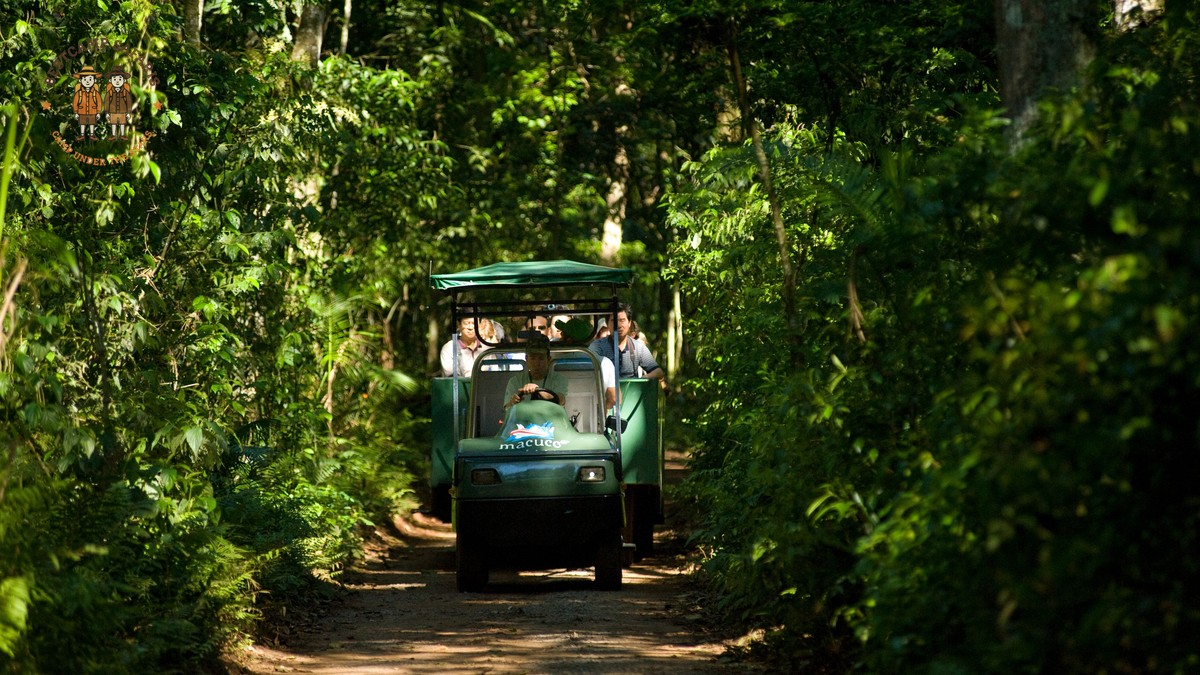
Game drives are only part of the day, and most camps know a six-year-old can’t sit still for four hours twice a day. Look for camps offering:
- Horse riding for older kids at Ol Pejeta and some Laikipia properties
- Junior ranger or bush school sessions, usually half a day, hands-on with tracks and bones
- Short guided bush walks with an armed ranger, generally for kids over eight
- A stop at the Giraffe Centre or David Sheldrick Wildlife Trust in Nairobi, both good bookends for a trip and easy half-days before or after the safari proper
- Star-bed nights in some camps, where the roof rolls back and the bed is wheeled outside under the stars, which is the single thing my kids ask to repeat every trip
Most camps set a minimum age of 6 for game drives and 8 or older for walks and horse riding. A handful, mostly in the Mara conservancies, take children of any age but run private vehicles for families with under-6s so game drive length can flex around nap times.
Health and Malaria Considerations for Children
The Mara, the Laikipia lowlands and the coast all sit in malaria risk zones. Laikipia’s higher elevation, generally 1,700 to 2,000 metres, means lower mosquito density than the Mara or coast, but it isn’t malaria-free and prophylaxis is still the standard advice for children traveling there. Talk to a travel clinic or your GP at least six weeks out, since some antimalarials need a lead-in period and dosing differs by a child’s weight, not just age.
Beyond malaria, it’s worth sorting out vaccines to sort out before you travel, including typhoid and hepatitis A, well before departure. Pack a decent insect repellent with DEET suitable for children, long sleeves for dusk game drives, and check with your camp about mosquito nets, since almost all family tented camps fit them as standard.
What a Summer Family Safari Costs
Prices below are indicative per-person, per-night, all-inclusive rates for July and August, based on current rate cards across the camp tiers we book most often for families.
| Camp tier | Example area | Adult rate (per night) | Child rate (age 2-15) |
|---|---|---|---|
| Mobile tented camp | Mara conservancies | USD 450-650 | Roughly 50% off adult rate |
| Family lodge | Ol Pejeta, Laikipia | USD 350-500 | 50-75% off, camp-dependent |
| Luxury tented camp | Naboisho Conservancy | USD 700-950 | Roughly 50% off adult rate |
These figures are indicative ranges and vary by camp and exact dates, always confirm current rates when booking. What’s usually included: all meals, game drives, park or conservancy fees, and laundry. What’s usually extra: park fees for reserves outside the conservancy (like a Mara day trip from a Laikipia base), premium drinks, spa treatments, and flights between airstrips, which typically run USD 150-350 per person depending on route.
Booking Timeline and Lead Time
July and August are Kenya’s busiest months, full stop. Family-friendly camps with only four or six family tents sell out fast, sometimes a year ahead for the best-positioned units. If you’re set on specific dates around a crossing week, start looking nine to twelve months out. We’ve laid out how far in advance to book each stage of the process, from deposit to final balance, in more detail.
Combining a Safari With a Beach Extension
A lot of families tack on four or five days at the coast after the dust of the bush. Diani Beach is the classic pairing, roughly a one-hour flight from Nairobi or the Mara via a connecting flight through Wilson Airport. It’s a genuinely easy switch of pace: white sand, calm swimming inside the reef, and kids’ clubs at several of the larger beach resorts if your children want a break from wildlife talk. A common structure is five nights safari, four nights beach, which keeps flights manageable without rushing either leg.
Sample Itinerary Structure
- Day 1-2: Arrive Nairobi, Giraffe Centre and Sheldrick Trust, overnight near the airport
- Day 3-6: Fly to Naboisho Conservancy or Ol Pejeta, game drives, junior ranger activities, one full-day Mara crossing excursion if based in a conservancy
- Day 7: Fly to Diani, settle into beach routine
- Day 8-10: Beach days, snorkeling, dhow trip
- Day 11: Fly back to Nairobi for onward travel
The BestCamp Safaris Difference
We build family itineraries around actual camp capacity and real vehicle counts, not just glossy brochure shots. That means we’ll tell you honestly if a camp’s minimum age policy doesn’t suit your youngest, or if a particular week is going to mean queuing for a crossing rather than watching one. We work directly with camps in Naboisho, Ol Pejeta and Lewa that we’ve stayed in ourselves, so recommendations come from time spent in those tents, not a catalog.
Plan Your Trip
If you’re weighing up dates, camps or a beach add-on for this summer or next, our Kenya family safari planning page is the place to start, or reach out through our contact page and we’ll help you build the itinerary from there.
More safari planning resources
- Kenya family safari from SafariPure
- Diani Beach guide from Trunktrails Safaris
- Ol Pejeta and Sweetwaters safari package from Valley Safaris
- Mara River crossing guide on Touring Insights
Related guides: Family Safari Kenya for Manipuri-Speaking Parents | BestCamp.


