
 Adventure Tours
I woke up at Marsabit Lodge one morning to fog sitting on the water below the veranda, thick enough that I couldn’t see the far bank. That’s not something you get in the Mara. You’ve done the Mara from a lodge deck, watched the wildebeest cross, and ticked the big cats. Marsabit is a different kind of morning, and this Marsabit National Park safari guide is for the traveler ready for it.
Marsabit National Park Safari Guide: Location and Climate
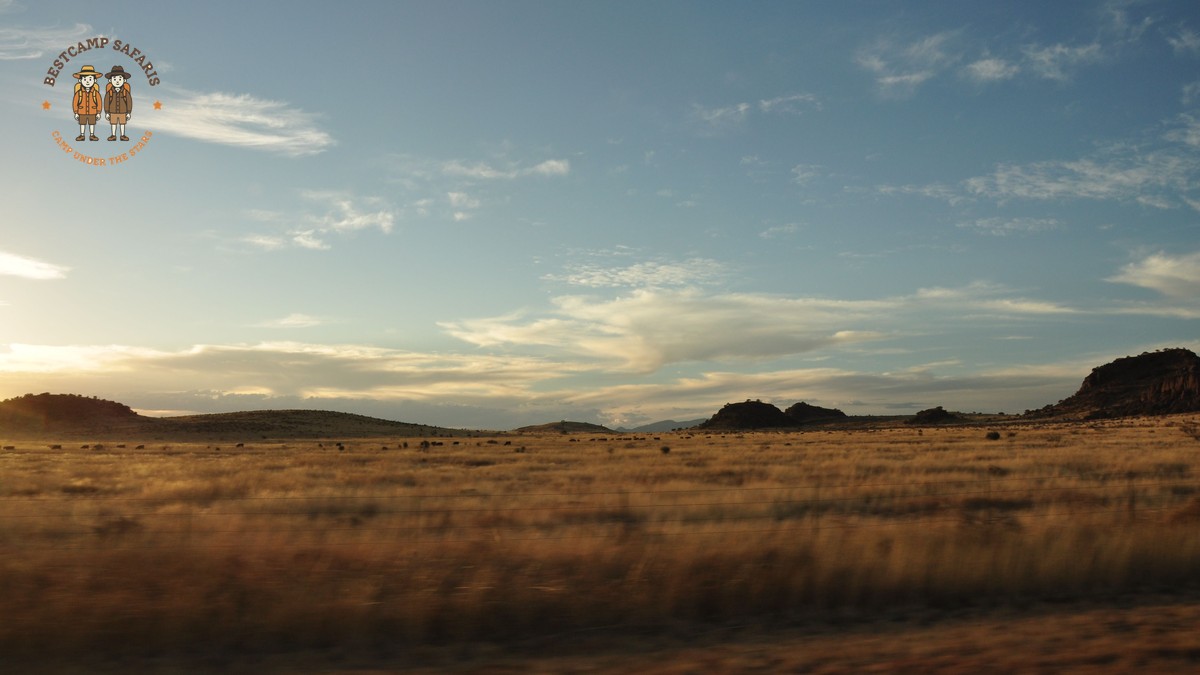
Marsabit National Park sits on an extinct volcano in Kenya’s far north, about 560 km from Nairobi and roughly 250 km north of Isiolo. The mountain itself creates its own weather. Moist air off the plains hits the slopes and turns into cloud forest, a green cap floating over a desert landscape that stretches flat and brown in every direction below.
That microclimate is the whole story here. Below the mountain it’s semi-arid scrub with camels and Gabra herders. Above 1,200 meters it’s dense montane forest, juniper and fig trees, with craters called “gofs” holding pockets of water and grass. Nowhere else in Kenya do you get that contrast in one park.
Wildlife in the Forest
Marsabit’s most famous resident was Ahmed, a bull elephant with tusks so large that President Jomo Kenyatta placed him under 24-hour armed protection in 1970. Ahmed died of natural causes in 1974, and a life-size fiberglass model of him now stands outside the Nairobi National Museum. His skeleton is preserved inside.
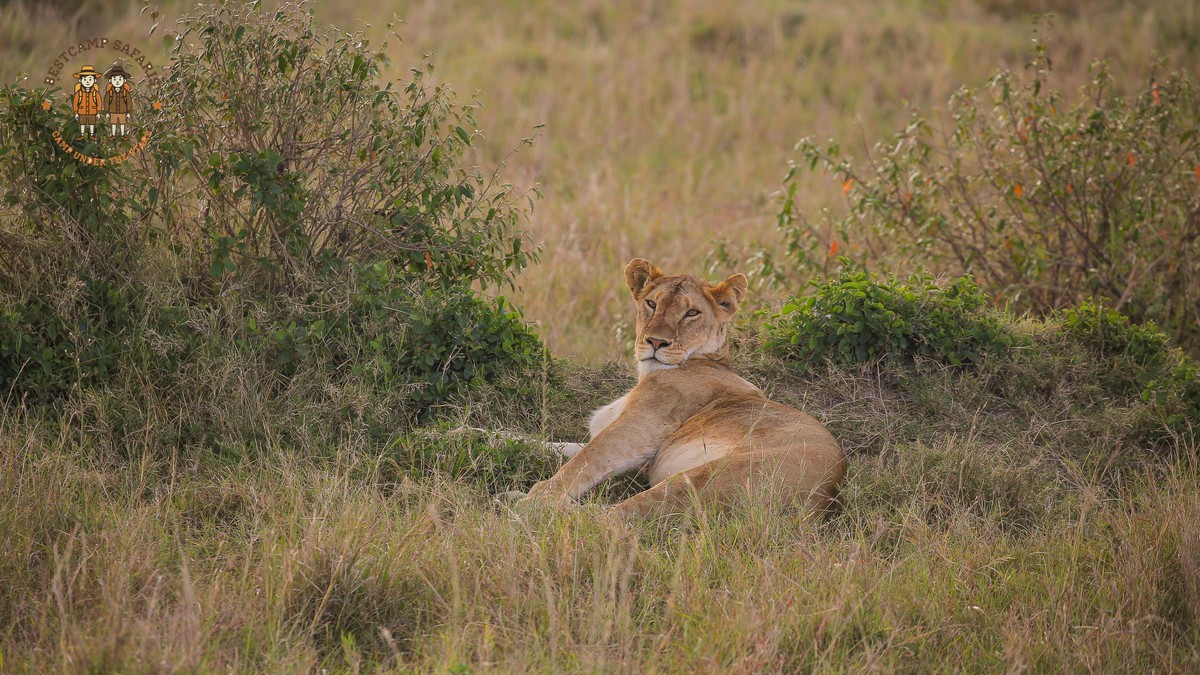
Elephants still move through the forest today, along with greater kudu, buffalo, reticulated giraffe, and leopard. Grevy’s zebra, one of the more endangered zebra species, range the drier ground around the park’s edges. The catch is visibility. Forest this thick swallows big animals whole. You can drive for an hour and see nothing but trees, then round a bend into a herd of buffalo at 20 meters.
That’s worth being honest about before you go. If you want guaranteed sightings on a tight schedule, read our notes on the real odds of spotting wildlife on safari before you commit days to Marsabit. It rewards patience over checklists.
Lake Paradise and the Volcanic Craters
Lake Paradise sits inside Gof Sokorte Guda, one of the park’s collapsed craters, framed by forest on all sides. It’s small, still, and genuinely quiet. Naturalist Martin Johnson filmed here in the 1920s and made the lake famous in his book of the same name. The walk down to the crater rim takes about 20 minutes from the nearest track, and most guides will arrange it as part of a nature walk rather than a drive.
Gof Bongole is the other major crater worth seeing, larger and drier, with views back across the plains toward Chalbi Desert on a clear day. Neither crater has crowds. In three visits I’ve never shared the rim with another vehicle.
The Singing Wells
Just outside the park, near Karare and Songa, Borana and Rendille herders still bring cattle to hand-dug wells and pass buckets up a human chain, singing rhythmic work songs as they go. It’s not staged for tourists, it’s how water gets to livestock in a place with almost none. Visits need a local guide and a small community contribution, usually arranged the day before through your camp or lodge. Go early morning or late afternoon when herds actually come through.
Birdlife
Marsabit holds well over 350 recorded bird species, an unusually high count for a park its size. The forest canopy has African goshawk and silvery-cheeked hornbill. The crater lakes attract African fish eagle and various herons. Drier ground around the park edges brings in raptors and dry-country specialists you won’t see further south. Serious birders should budget at least two full days to work the different habitat zones properly.
Activities Beyond the Game Drive
Game drives here move slower than in open savanna, simply because the tracks wind through forest. Nature walks with an armed KWS ranger are the better way to actually experience the crater lakes and forest floor up close. Camel safaris can be arranged through community operators around Marsabit town, a genuinely different way to cover ground in the surrounding lowlands. Hiking Mount Marsabit’s forest trails is possible with a guide, though there’s no formal trail network, so this isn’t a solo trek.
Best Time to Visit
Dry seasons, January to March and July to October, give you firmer roads and easier walking. The forest stays green year-round because of that cloud cover, so Marsabit never looks parched the way Samburu can by September. Rains fall roughly April to May and again in November, and that’s when the access road turns to mud and the crater trails get slick. If your schedule is flexible, dry season is worth the wait.
How to Get There
Most visitors drive up the A2 highway through Nanyuki and Isiolo, then continue north. The highway itself is tarmac most of the way, but the final stretch off the main road into Marsabit town and the park gate, roughly 145 km past Merille, is graded gravel and dirt. A 4WD is genuinely necessary here, not a suggestion, especially after rain when sections can turn to soft mud.
Flying is the easier option if time matters more than the drive itself. MAF (Mission Aviation Fellowship) runs scheduled flights from Wilson Airport in Nairobi to Marsabit airstrip on Tuesdays and Fridays, with the route sometimes continuing to Sarima or other northern strips depending on demand. Charter flights can fly any day but cost more.
| Route | Distance / Time | Road Type |
|---|---|---|
| Nairobi to Isiolo | ~285 km, 4-5 hrs | Tarmac |
| Isiolo to Merille | ~125 km, 2-3 hrs | Tarmac |
| Merille to Marsabit town | ~145 km, 3-4 hrs | Gravel/dirt, 4WD needed |
| Marsabit to Buffalo Springs / Samburu | ~250 km, 5-6 hrs | Mixed tarmac and dirt |
| Wilson Airport to Marsabit airstrip (MAF) | ~1 hr flight, Tue/Fri | Scheduled light aircraft |
Given that drive, most repeat visitors treat Marsabit as an add-on rather than a standalone trip. It pairs naturally with a swing through Isiolo, and you can combine Marsabit with a Buffalo Springs safari on the same northern circuit, splitting the long road into two legs instead of one grinding day.
Where to Stay
Options are limited but real, which is part of the appeal if you like camps without crowds.
| Property | Type | Location | Indicative Price Range |
|---|---|---|---|
| Marsabit Lodge | Lodge, lake-view rooms | Inside the park, on Gof Sokorte Dika | USD 120-180/person/night, full board (indicative, confirm current rates) |
| KWS public campsite | Basic camping, own gear | Inside park boundary | USD 15-20/person/night (indicative KWS camping fee) |
| KWS special campsite | Exclusive-use camping | Inside park, various sites | USD 30-40/person/night plus booking fee (indicative) |
| Jey Jey Centre / town hotels | Budget guesthouse | Marsabit town, 5 km from gate | KES 2,000-4,500/room/night (indicative) |
Marsabit Lodge is the only accommodation inside the park itself, and it’s shown its age in past years, so ask your operator about current condition before booking. The KWS campsites are the better choice if you want a proper mobile-camp night, canvas walls, a paraffin lamp glow after dark, the sound of camp staff breaking down a bush breakfast while you’re still finishing your coffee. That’s the kind of morning this park is actually built for.
Entrance Fees
Marsabit is a smaller KWS park, and published non-resident rates run roughly USD 25-30 per adult per day (indicative, confirm at the gate or with your operator, as KWS periodically revises fees across all parks). Resident and citizen rates are lower. Camping fees are separate and paid on top of the daily entry charge. Given how many line items a northern Kenya itinerary can carry, it’s worth reading about the hidden fees that can inflate your safari quote before you finalize a budget.
The Honest Trade-off
Here’s the part most pages skip. Marsabit has real elephant, buffalo, and kudu populations, but the forest is dense enough that sightings take work. You might drive two hours and see only birds and monkeys. Samburu and Buffalo Springs, by contrast, are open riverine country where game viewing is fast and reliable. Marsabit is the opposite kind of park, slow, quiet, and built around atmosphere and craters rather than a reel of animal sightings. Go for Lake Paradise, the forest air, and the singing wells. Don’t go expecting a Big Five tick sheet in one afternoon.
The BestCamp Safaris Difference
We’ve driven that gravel stretch past Merille more than once, and we plan around it rather than pretending it’s a quick detour. Our northern Kenya itineraries build in real drive times, match the right vehicle to the road, and pick camps and lodges based on what they’re actually like this season, not a brochure description from five years ago. For a park like Marsabit, that planning matters more than the destination itself.
Is Marsabit Worth Visiting?
For a first Kenya trip, probably not on its own. For a repeat visitor who’s done the Mara and wants Samburu, Laikipia, or a Chyulu Hills fly-camp next, Marsabit adds something genuinely different: volcanic craters, a cooler climate, and a park almost nobody else on your flight home will have seen.
Plan Your Trip
If a forested volcano and a night under canvas by lamplight sounds like the right next stop, we can build it into a northern Kenya circuit around Samburu, Buffalo Springs, or Laikipia. Get in touch through our contact page and we’ll work out the road, the camps, and the timing together.


