 Adventure Tours
Samburu is dry, open and full of light. The same landscape that makes game viewing easy also makes camping gear decisions less forgiving. Dust gets into every zipper, and mornings stay cold until the sun clears the hills.
Before you buy anything, decide what kind of camping you are joining. If you go on a supported camping safari, a crew and a truck carry the heavy equipment. If you plan Samburu self-catering camping, nearly every item on this list is yours. That one choice changes about half the packing.
What to Pack for a Samburu Safari Camping Trip
Pack lightweight long sleeves, two or three trousers, a warm fleece, closed walking shoes, sandals, a hat, sunglasses, sunscreen, insect repellent, a headlamp, a refillable water bottle, a power bank, a first-aid kit, binoculars, and dustproof bags. Self-caterers also need a tent, sleeping system, stove, cookware, food, water containers, and rubbish bags.
This is a practical Samburu camping checklist, not an expedition load. If you are still comparing reserves, start with Samburu versus Meru safari camping first. The camping styles and supply stops differ, so your gear list follows that decision.
Clothing and Footwear for Samburu Heat, Dust, and Cool Mornings
Choose loose, breathable, neutral-coloured clothing for hot dusty days, then add long sleeves and trousers for sun and insect protection. Pack a fleece or light jacket for early drives and evenings, closed shoes for walking, and sandals for camp. Avoid camouflage and prioritize quick-drying fabrics.
- Lightweight long-sleeve sun shirt. Wear it loose over a cotton base layer in the heat of the day.
- Two or three pairs of quick-dry trousers, since jeans stay wet and heavy after a hand wash.
- Warm fleece or light jacket. The first game drive at 5am is colder than the map suggests.
- Closed walking shoes or low-cut boots, for short bush walks and protecting your feet around camp.
- Sandals for camp. Let your feet recover in the evening.
- Sunglasses and a wide-brimmed hat with a chin strap. The wind at Buffalo Springs can take an unclipped hat in one gust.
If your dates fall in the wet season, add the kit from our Kenya safari camping rain gear list too.
Samburu Safari Camping Gear for Shelter, Sleep, Cooking, and Light
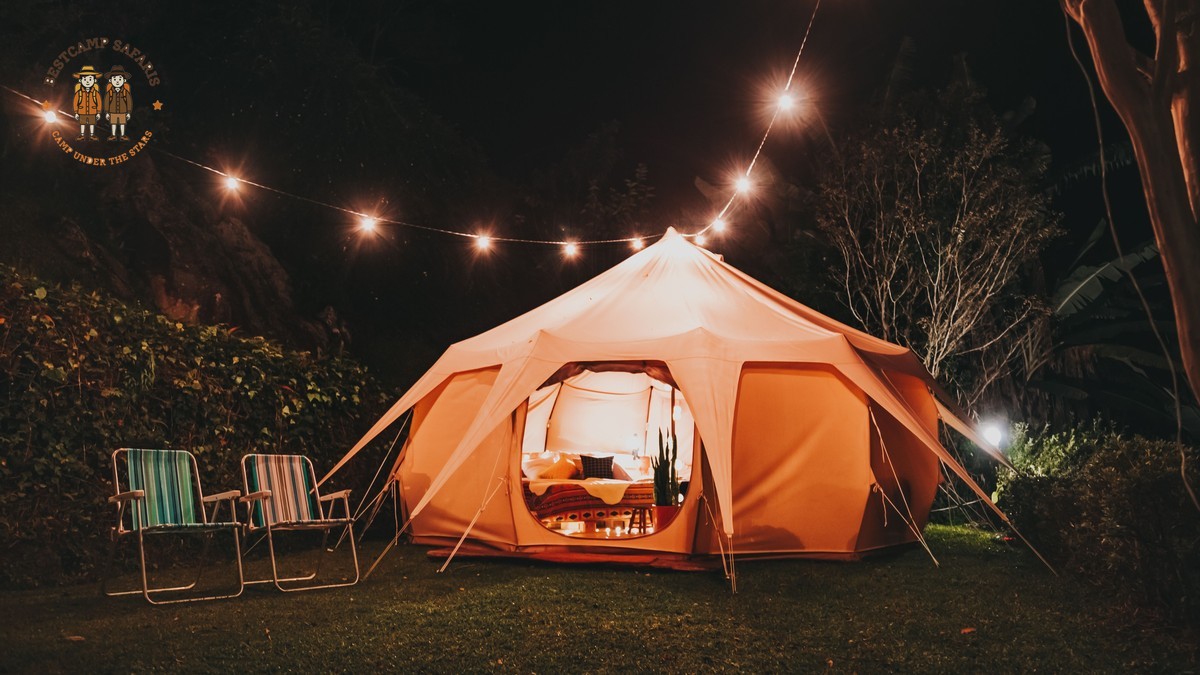
For an independent Samburu campsite, bring a durable lightweight tent, sleeping bag or warm bedding, sleeping mat, stove, fuel, cookware, utensils, headlamp, lantern, and a multi-tool. Do not assume these items are included: some organized camps provide tents and bedding, while public or self-catering sites may require visitors to supply nearly everything.
- Tent and footprint. A simple three-season dome works. Leave the tall canvas wall tent for the mobile camp crew.
- Sleeping mat. A hard gravel pitch feels harder by 3am; use a 5cm foam or inflatable mat.
- Sleeping bag or bedding. Samburu nights can dip toward 15 degrees Celsius before sunrise. A +5 comfort-rated bag is a wise choice.
- Stove and fuel. Buy compatible fuel in Isiolo and test the stove at home before you leave.
- Cook pot, bowl, mug, and utensils. One small pot covers simple camp meals.
- Headlamp and spare batteries, kept in your daypack, not buried in the tent bag.
- Camp lantern. Useful for the table, the cook area, and late-night kit searches.
- Multi-tool. Fix tent poles, tighten camera plates, and open stubborn bottles without carrying a full toolbox.
Water, Food, Fuel, and Resupply Logistics
Carry at least 5 litres of water per person per day when camping independently, allowing extra for cooking and hot conditions. Buy major supplies, fuel, and groceries in Isiolo before entering the reserve; Archer’s Post may cover basic top-ups but should not be treated as a full supermarket.
- Water containers: a refillable bottle for the vehicle plus a collapsible jerrycan for camp, covering the 5 litre per person baseline.
- Water purification tablets or a filter, for campsite tap refills. Never drink untreated water straight from the Ewaso Ng’iro.
- Shelf-stable food and snacks. Stock up in Isiolo; Archer’s Post has smaller shops with limited fresh supplies.
- Cooler with ice packs, for butter, cheese, and drinks. Keep it shaded and open it quickly.
- Dustproof bags, zip pouches, and rubbish bags. Seal clothes and electronics, and store rubbish in sealed bags at night so baboons cannot tear through it.
For Samburu National Reserve camping, treat the public campsite as a place with a firepit and a view, not a store with spare equipment.
Sun, Dust, Insects, and Personal Health Protection
The core protection kit is SPF 30 or higher sunscreen, lip balm with SPF, a wide-brimmed hat, sunglasses, long sleeves, insect repellent, personal medication, and a compact first-aid kit. Add a buff, dry bags, zip pouches, and lens-cleaning supplies because open vehicles and dry tracks can expose skin, luggage, and cameras to persistent dust.
- Sunscreen and lip balm with SPF. Apply before the game drive, then reapply at the mid-morning stop.
- Insect repellent with DEET or picaridin. Apply it in the evening as the lantern draws insects.
- Compact first-aid kit. Include blister plasters, antiseptic, pain relief, and rehydration salts.
- Personal medication and prescription spares. Keep them in your daypack, not in the vehicle locker.
Photography, Power, and Electronics in Camp
Bring binoculars, a camera with a telephoto zoom, spare batteries, extra memory cards, a lens-cleaning kit, and a 10,000 to 20,000mAh power bank. Pack a Type G travel adapter for Kenya and keep electronics in dustproof pouches. A headlamp remains essential even when a camp has electricity because paths and tent areas may be unlit at night.
- Binoculars. An 8×42 or 10×42 pair is light for a daypack and strong for Samburu’s open country.
- Camera with spare batteries and a power bank. Dust is the enemy. Carry a blower brush, a microfiber cloth, and a Type G adapter.
What Organized Safari Camps Provide vs What You Bring
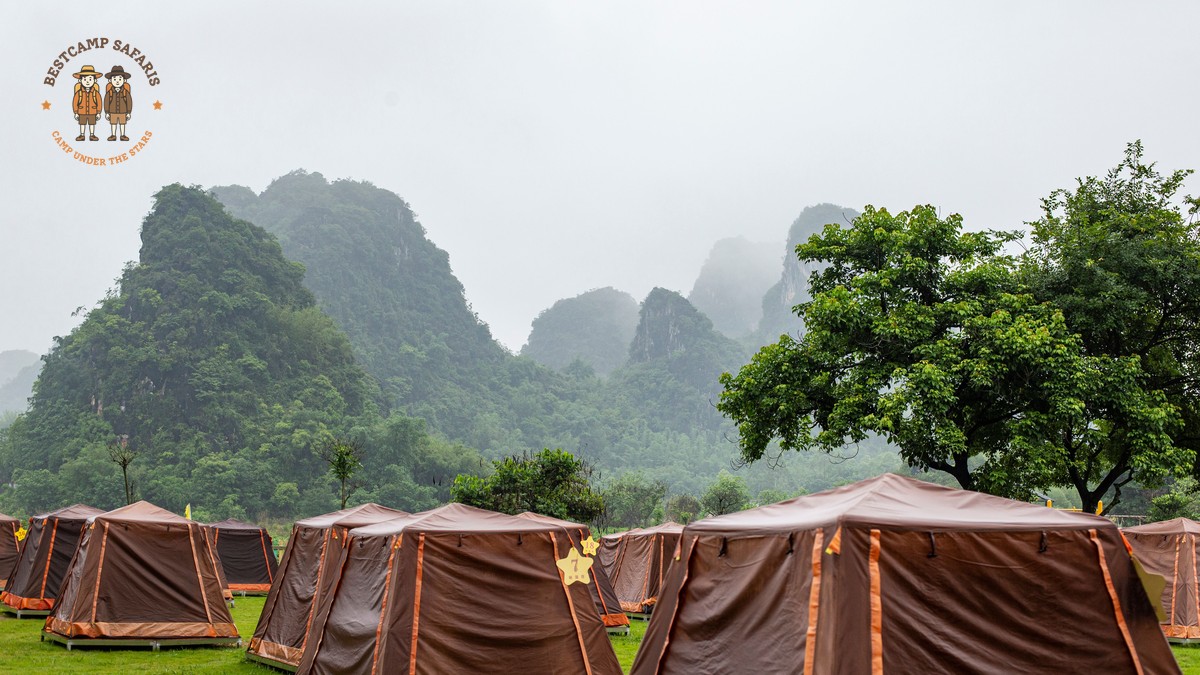
Ask the operator whether the package includes the tent, mattress, bedding, chairs, table, cookware, stove, water, lighting, and camp staff before packing bulky gear. Travelers usually still bring personal clothing, toiletries, medication, sunscreen, repellent, electronics, and a daypack. Public and self-catering camps require more equipment than fully serviced mobile camps.
| Gear | Supported camping safari | Samburu public campsite or self-drive |
|---|---|---|
| Tent, mattress, bedding | Usually supplied | You bring |
| Drinking water | Usually supplied in camp | You carry and treat |
| Stove, fuel, cookware | Crew equipment | You bring |
| Chairs, tables, lanterns | Usually set up | You bring |
| Rubbish management | Crew packs out | You pack out |
At BestCamp Safaris, our supported camping safaris sit on the left side of that table. We list exactly what is in the truck, so your personal pile stays small. If you are planning an independent drive, add the Kenya self-drive camping checklist before you leave.
Your Next Step
Send one note to the BestCamp Safaris team with your dates and camping style. Choose a supported camping safari and we handle the camp logistics, or tell us you want a Samburu self-catering trip and we will plan fuel, food, and water stops through Isiolo and Archer’s Post. Use the contact page to start, then keep this checklist handy when you pack.


