
 Uncategorized
Rain hit our tent at 4 a.m. in the Masai Mara on my first camping safari. Canvas hummed. Water ran off the flysheet. By first light, the track through camp was grey mud. At 6 a.m. our guide pulled on a packable rain jacket and walked to the Land Cruiser. No gumboots. No umbrella. That small choice changed how I pack for every Kenya trip after it. This post covers Kenya safari camping rain gear without turning your duffel into a garden shed.
What Kenya safari camping rain gear do you actually need?
Pack one lightweight waterproof jacket with a hood, quick-dry trousers, two or three moisture-wicking base layers, waterproof or water-resistant shoes, extra socks, a small dry bag, and a rain cover for your daypack. Add waterproof trousers only for walking safaris. Vehicle-based travellers usually need less bulky protection.
A camping safari is not a lodge holiday with a tent as decoration. You sleep in canvas, walk through wet grass to the dining tent, and help load the vehicle when clouds roll in. The right gear keeps that routine simple.
The seven essentials are a packable rain jacket, quick-dry trousers, two or three base layers, sturdy water-resistant shoes, three pairs spare socks, a small dry bag, and a daypack rain cover. That list fits in the top half of a 60-litre duffel.
Do you need a packable rain jacket or a poncho?
Choose a breathable, packable waterproof shell rather than a heavy coat. Wear it over a moisture-wicking shirt and a light fleece. Kenya’s rain can be intense but brief, and temperatures often rise quickly afterward. A poncho is useful as a cheap backup and can cover both you and a daypack.
For game drives in an open vehicle, a jacket is usually better. The poncho flaps in wind and catches on roof struts. For evenings in camp, the poncho is simple to pull on and covers your whole daypack.
| Option | Indicative price | Weight | Best use | Watch out for |
|---|---|---|---|---|
| Packable rain jacket | USD 80-200 | 300-500 g (10-18 oz) | Game drives in Masai Mara or Lake Nakuru | Higher price, less full-body coverage |
| Poncho | USD 10-40 | 250-400 g (9-14 oz) | Backup in camp, covers daypack too | Flaps in wind, catches on gear |
Price and weight tell the story. A good shell costs more but layers under a fleece and packs into a small stuff sack. A poncho costs less and can tear on acacia thorns. Most people only need the shell.
Do I need waterproof safari boots?
For ordinary game drives, sturdy closed shoes with traction and quick-dry socks are usually enough. Waterproof ankle boots are better when tracks are muddy or walking is included. Pack sandals or camp shoes for evenings, plus spare socks. Waterproof boots provide grip and dryness but may feel hot on vehicle-only itineraries.
The question is not which boot is best. It is how often you will stand outside the vehicle. On a vehicle day, your feet stay dry under the roof, and heavy boots just make you tired. On a walking day, waterproof boots earn their place from the first wet step.
I found the sweet spot on a BestCamp route that mixed the Mara with a Chyulu Hills walk. Boots stayed in the vehicle during game drives. They went on only when we left the track.
If your itinerary runs through the dry north, think twice. The Samburu mobile camping packing list recommends light shoes there, because rain is rare in Samburu National Reserve and boot weight matters on long drives.
How do you protect cameras, phones and luggage from rain?
Keep electronics in resealable dry bags or a waterproof daypack liner. Carry a dedicated waterproof camera cover that fits the body and lens. Store passports, phones, batteries, and memory cards in smaller waterproof pouches. A rain cover or dry bag should be immediately accessible inside the vehicle, not buried in luggage.
A good waterproof camera cover costs about USD 15-60. Test it over the lens hood before you leave home. Put it in the top of your daypack, not at the bottom.
When we stopped near Amboseli and rain crossed the hills, my phone stayed in a small dry bag while my camera stayed in its cover. Keep passports, phone, batteries and memory cards together. One dry bag is easier to grab than five loose pouches.
At camp, keep luggage off the tent floor. Put your duffel on the low camp stool or on folded clothes. A 10-20 litre dry bag is the heart of a smart dry-bag system for a safari.
Does Kenya’s rainy season change your packing list?
Pack the most complete rain system for the March-May long rains and October-November short rains, but carry a jacket year-round because showers can be unpredictable. Game drives need a shell, dry bag, and spare layer. Walking safaris also justify waterproof trousers, gaiters, and more socks. April and May conditions commonly require the fullest setup.
Kenya has two wet windows. Long rains run roughly from March to May. Short rains run from October to November. The west receives more rain than the dry north, so Masai Mara National Reserve behaves differently from Samburu.
A Kenya rainy season packing list changes with the calendar and region. Vehicle routes in Tsavo East can stay dry for days while the highlands receive heavy showers. In April and May, a walk in Chyulu Hills National Park can feel damp all afternoon.
Want the moody side of green season? Masai Mara camping during the rainy season explains what a Mara camp is like when the grass is tall and the crowds are small.
Are safari tents safe in heavy rain?
A professionally built and maintained safari tent is generally safe and dry during normal heavy rain. Raised floors, sealed canvas, good drainage, secure anchoring, and staff inspections are essential. Keep luggage elevated and follow camp instructions during severe weather.
Professional mobile camp crews in East Africa design for storms. They use heavy canvas, sealed seams, raised floors, drainage channels and strong pegs.
The phrase safari tent heavy rain worries many first-time guests. In practice, a checked tent stays dry. Your job is to close the window flaps, keep your duffel off the floor, and tell the crew if you spot a leak. Small problems are fixed quickly.
If you are driving yourself, the Kenya self-drive camping checklist includes camp setup steps and storm checks.
The BestCamp Safaris Difference
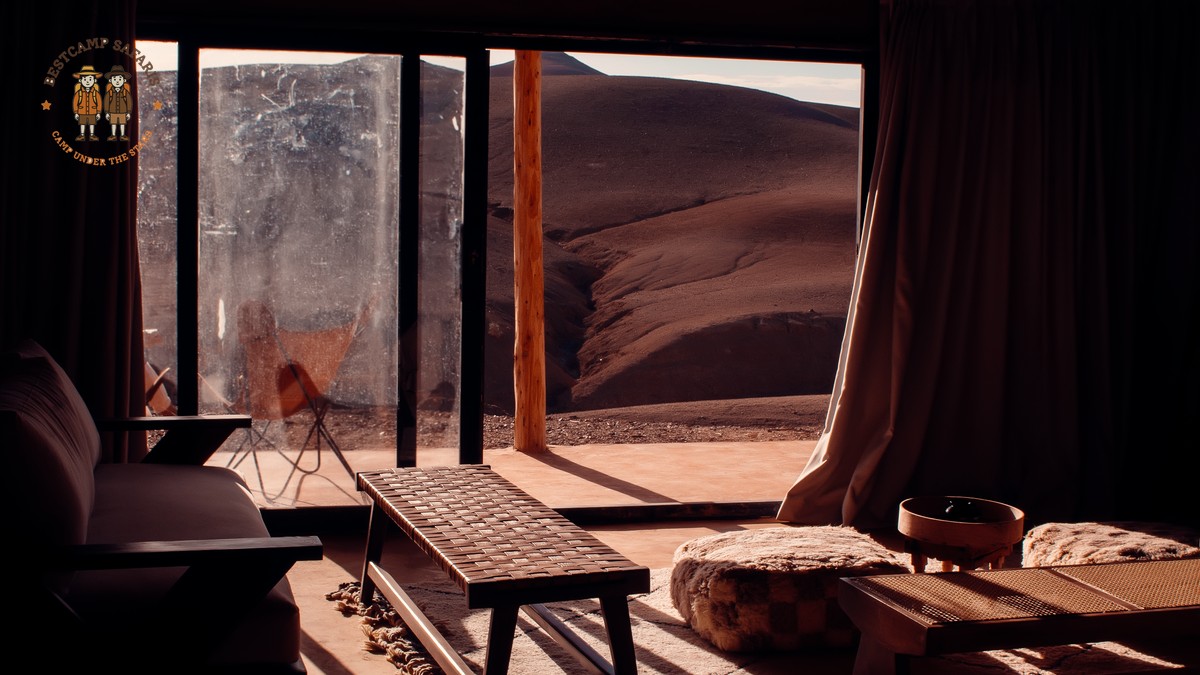
This is where trusted operators matter. A BestCamp Safaris camp crew arrives before you do. They pitch tents on high, well-drained ground and keep beds away from canvas walls. They check seams, tighten ropes, and keep a dry central mess tent for meals.
BestCamp Safaris also sends trip notes before departure. The notes say what the camp provides: tents, mattresses, pillows, hot showers where possible, and sometimes basic rain ponchos. You pack only what the camp does not supply.
When you book with BestCamp Safaris, the mobile tent crew becomes part of your gear. That means less worry and a lighter bag.
Which rain-gear setup should you choose for your Kenya camping safari?
Choose the vehicle setup if most days are game drives in Masai Mara, Amboseli, or Tsavo. Carry the shell, quick-dry layers, trail shoes, spare socks, and a dry bag. Choose the walking setup if any day includes walks in Chyulu Hills or Tsavo West. Add waterproof trousers, ankle boots, and gaiters. If your dates fall in April or May, take the full set.
Ready to plan your Kenya camping safari?
Tell BestCamp Safaris which parks you want and which months work for you. A quick chat moves you from a generic packing list to a route built for the rain you will actually meet. Start the conversation on the contact page.


