
 Wildlife Tours
When first-time safari travelers ask me about Kenya safari park combinations, they usually do not want a list of every park. They want to know which route makes sense without spending half the trip in a vehicle. That is the right question. The best combinations link two or three areas by road or by short flight, and they protect your game-drive time. I have slept in a mobile tented camp, so I will be direct about what works and what does not.
One quick fee note before we start. Masai Mara National Reserve is run by Narok County, not Kenya Wildlife Service. Amboseli, Lake Nakuru, and Tsavo are KWS parks. That matters because the fee structures are different.
Kenya safari park combinations: fewer parks, more game drives
The strongest Kenya safari park combinations do not add parks. They add nights in the right parks. One night in a park gives you one afternoon and one morning at best. Two nights gives you four drive windows, and that is when you start seeing shy animals, hunting behavior, and the quieter parts of the reserve. For a practical look at pacing, check our guide on how many game drives to plan per day.
For five days, pick two areas. For seven days, three works if one transfer is a flight. For ten to fourteen days, you can add a beach or a northern stop. Adding more than three areas on a first trip usually reduces game-drive time, because you spend another full morning getting from camp to camp.
Maasai Mara and Amboseli: the first-timer classic
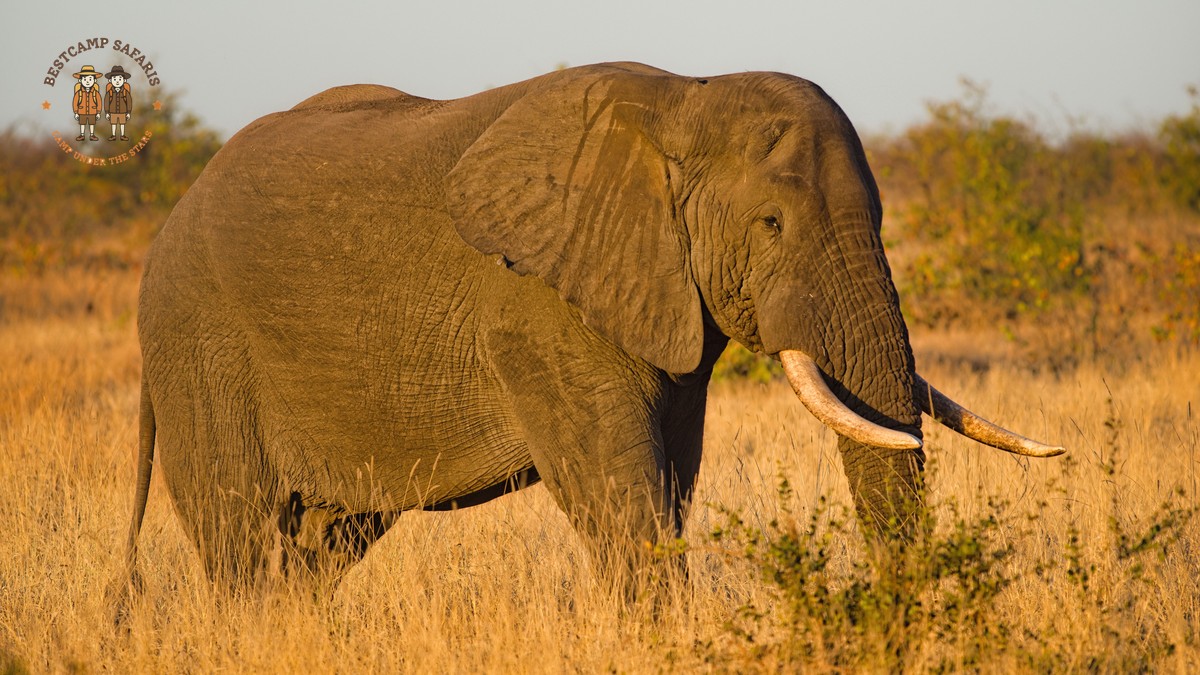
Amboseli is the elephant park with Kilimanjaro rising behind the swamps. The Maasai Mara is the predator and migration stage. Together they give you two very different landscapes. You need at least two nights in each.
The road reality is honest. Nairobi to Amboseli takes 4 to 5 hours. Amboseli to Maasai Mara by road is not a direct safari road. You usually route back toward Nairobi or Emali, which makes it 7 to 8 hours. I often suggest flying this leg if your trip is only seven days. From Nairobi to the Mara side, the Nairobi to Maasai Mara distance and drive time is about 5 to 6 hours on the Narok road.
For camps, Tortilis Camp in Amboseli is a good first stop because the camp sits in an acacia forest and the conservancy around it has fewer vehicles. In the Mara, Governors’ Camp inside the reserve is reliable, but I often prefer a conservancy camp in Mara North or Naboisho. You can read more about the benefits of staying in Maasai Mara conservancies, which include night drives and off-road viewing. Conservancy fees in Mara North or Naboisho run roughly USD 80 to 150 per person per night, usually bundled into your lodge rate.
Current non-resident park fees for this route: Amboseli is USD 90 per adult per day. The Mara reserve is USD 100 per adult per day from January to June, and USD 200 per adult per day from July to December.
The lake circuit: Maasai Mara, Lake Nakuru, and Lake Naivasha
This is the easiest three-stop Kenya safari park combination for a first timer who wants gentle transfers. Lake Naivasha is about 2 hours from Nairobi. Lake Nakuru is another 1.5 hours. From Nakuru to the Maasai Mara is 4.5 to 5 hours on a mix of tarmac and gravel.
Naivasha is not a big predator day, but it is a soft landing. You can take a boat ride past hippos, walk on Crescent Island, or bike in Hells Gate National Park. Nakuru is where the rhinos are. The lake shore can hold dozens of rhinos in a morning, plus lions in the acacia forest.
The trade-off is simple. This circuit gives you rhinos, birds, hippos, and the Mara migration if you time it right. It does not give you the dry-country elephants of Amboseli or the unusual species of Samburu. Lake Nakuru is USD 90 per adult per day. The Mara fee stays USD 100 or USD 200 depending on the season.
Samburu, Ol Pejeta, and Maasai Mara: the northern circuit
This is a strong seven-to-ten-day route for travelers who want rhinos, chimpanzees, and the species you will not see in the southern parks. Samburu is about 5.5 to 6 hours from Nairobi. Ol Pejeta is 2.5 to 3 hours from Samburu. From Ol Pejeta to the Maasai Mara is the long leg, roughly 5 to 6 hours by road, or a one-hour flight from Nanyuki.
Samburu gives you the Special Five: reticulated giraffe, Grevy’s zebra, Somali ostrich, gerenuk, and Beisa oryx. Elephant Bedroom Camp on the Ewaso Nyiro River is a good base because the river pulls in elephants and leopards at dusk. Sweetwaters Serena Camp inside Ol Pejeta gives you rhinos almost guaranteed and a chimpanzee sanctuary.
Samburu park fees run roughly USD 70 to 90 per adult per day as an indicative range. Ol Pejeta Conservancy fees are usually bundled into your camp rate, but budget about USD 90 to 120 per person per night as a rough figure. The Mara fee is the same as above. The trade-off is one long northern transfer and a midday drive that can feel wasted if you try to do it by road.
Amboseli and Tsavo: the slow southern circuit
Amboseli to Tsavo West is about 2.5 to 3 hours. Tsavo West to Tsavo East can be done as one circuit, but I would rather stay in one Tsavo section than rush both. Tsavo is huge, red-dust elephant country. Amboseli gives you Kilimanjaro and swamp elephants. This is a good family route because the drives between parks are shorter and many camps have family tents.
The trade-off is that you do not get the Mara migration or the same density of big cats. Amboseli is USD 90 per adult per day. Tsavo East and Tsavo West are USD 80 per adult per day each. If you want a quieter add-on, Chyulu Hills National Park is USD 40 per adult per day, but Chyulu is not a classic first-trip stop.
Kenya safari and beach combinations
The easiest beach add-on is to fly from the Mara or Tsavo to Ukunda for Diani, Malindi for Watamu, or Manda for Lamu. You avoid the long drive back to Nairobi. Diani is reached through Ukunda airstrip. Watamu is about 25 km south of Malindi. Lamu uses Manda airstrip and a short boat transfer.
Plan on two to three hours of flying with a possible Nairobi connection. These flights are light aircraft, so baggage is soft and limited to about 15 kg per person. For a ten-to-fourteen-day trip, three beach nights is enough to reset after early mornings. The park fees stay the same, but you add the domestic flight cost.
Here is the route comparison at a glance.
| Route | Minimum nights | Road transfer reality | Non-resident park fees per adult per day | Trade-off |
|---|---|---|---|---|
| Maasai Mara + Amboseli | 4 to 5 | Nairobi to Amboseli 4-5 hrs; Amboseli to Mara 7-8 hrs via Nairobi, or fly | Amboseli USD 90 KWS; Mara USD 100 Jan-Jun, USD 200 Jul-Dec | One long interior transfer by road |
| Mara + Lake Nakuru + Lake Naivasha | 5 to 6 | Nairobi to Naivasha 2 hrs; Naivasha to Nakuru 1.5 hrs; Nakuru to Mara 4.5-5 hrs | Nakuru USD 90; Mara USD 100-200 | Naivasha is a soft start, not a big predator day |
| Samburu + Ol Pejeta + Mara | 6 to 7 | Nairobi to Samburu 5.5-6 hrs; Samburu to Ol Pejeta 2.5-3 hrs; Ol Pejeta to Mara 5-6 hrs or fly | Samburu USD 70-90 indicative; Ol Pejeta USD 90-120 conservancy rate; Mara USD 100-200 | One long northern transfer and a midday drive |
| Amboseli + Tsavo | 4 to 5 | Nairobi to Amboseli 4-5 hrs; Amboseli to Tsavo West 2.5-3 hrs | Amboseli USD 90; Tsavo East or West USD 80 | No Mara migration; lower big-cat density |
| Mara or Tsavo + Diani, Watamu, or Lamu | 6 to 10 | Fly from Mara or Tsavo to Ukunda, Malindi, or Manda; 2-3 hrs with possible Nairobi stop | Same park fees plus domestic flight cost | Beach time replaces an extra park |
For safari cost bands, budget mobile camping usually runs USD 250 to 400 per person per night sharing. Midrange tented camps run USD 400 to 700. Premium conservancy camps run USD 700 to 1,200. Most camps include game drives, full board, and park or conservancy fees, but always ask what is bundled before you book.
Road versus flying between parks
Driving is cheaper and shows you ordinary Kenya, the markets, the school runs, the roadside chapati stops. Flying saves time but adds cost. A one-way light-aircraft flight from the Mara to Amboseli often runs USD 250 to 400 per person. Luggage limits are strict, and the planes leave early.
Amboseli to Maasai Mara by road is the segment that surprises people. It is not a straight bush track. You usually return toward Nairobi or Emali first, so the drive is 7 to 8 hours. That is why I often suggest flying that leg if you only have seven days. For the first road leg from Nairobi, the Nairobi to Maasai Mara distance and drive time guide covers the Narok road, the new shortcut, and the current drive time.
How many nights to spend in each park
Two nights minimum in the Mara, two in Amboseli, one to two in Nakuru or Naivasha, two in Samburu, and two in Tsavo if you want a full day there. One night is only a stopover, not a safari. For a seven-day trip, the best Kenya safari park combinations keep you at two or three camps, not four. Each extra camp costs you a morning of driving or a midday flight connection, and that is time not spent watching animals.
Seasonal choices and Great Migration planning
July to December is peak Mara migration season, and the Mara county non-resident fee rises to USD 200 per adult per day. January to June is USD 100. Amboseli is strongest from July to October and again from January to February, when Kilimanjaro clears and the swamps are full. The northern circuit is excellent in June to October and again in February to March, when the Samburu river is calmer and the wildlife clusters.
If you want river crossings, August and September are the classic months, but no one can guarantee a crossing. You need two or three Mara nights just to have a realistic chance of being there when the herds cross.
The BestCamp Safaris Difference
Most itineraries are designed on a spreadsheet. Ours start from camp logistics. We know what it feels like to wake at 5 a.m. in a tented camp, hear the kitchen crew packing away the bush breakfast boxes, and zip a fleece over a long-sleeve shirt before the first game drive. We plan your Kenya safari park combinations so the transfers respect that rhythm.
We do not slot in four parks just because they fit on a map. We tell you when to fly, when to drive, when to stay two nights, and when to skip a park. Our guides know which gate to use at Amboseli, which conservancy in the Mara gives you night drives, and how to handle the Nakuru-to-Mara road. That is the difference between a route that looks good on paper and one that feels good when you are actually in the vehicle.
Ready to plan a route that fits your first safari instead of a generic list? Tell us your dates and pace, and we will put together a sensible Kenya safari park combination with clear transfers, named camps, and a price range. View our Kenya safaris or contact us to start.


