 Wildlife Tours
You have dreamed of acacia trees at sunset. You have pictured a lion walking through golden grass. But when you search for a Kenya safari as a Scottish Gaelic speaker, you find nothing made for you. This scottish gaelic speaking travelers safari guide changes that.
Let me be direct about one thing. No safari guide in Kenya speaks Scottish Gaelic. Around 69,700 people speak Gaelic today, per the 2022 Scotland census, and nearly all of them are fluent in English too. Your guide will speak English, Swahili, and often Maa or another local language. That is the reality. But it does not change the trip one bit. You will communicate perfectly well in English. And you might enjoy teaching your guide a word or two of Gaelic around the campfire.
What matters more is planning. Flights from Edinburgh or Glasgow, visas, park fees, camp choices, and timing. This guide covers all of it with real numbers, so you can plan with confidence.
What a Kenya Safari Involves for a First-Time Scottish Traveler
A safari is not a single thing. It is a range of experiences. You can sleep in a permanent lodge with a pool. You can sleep in a mobile tented camp that moves with the wildlife. You can drive yourself or fly between parks.
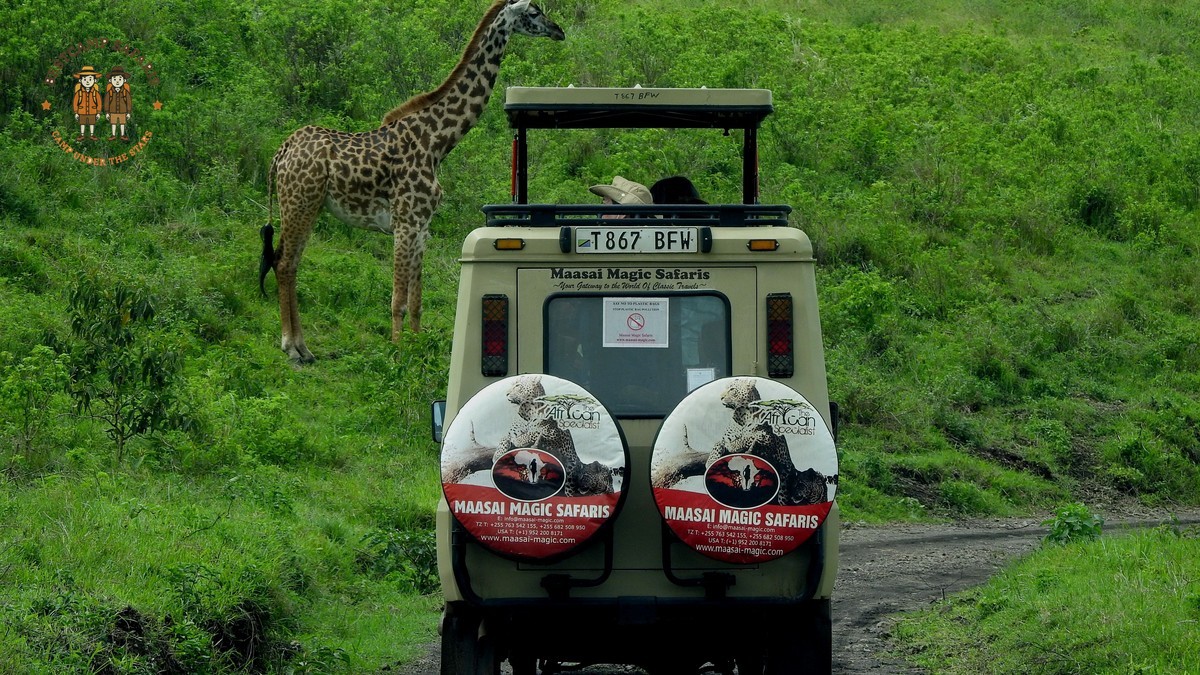
For most first-timers from Scotland, the sweet spot is a mobile tented camp in a private conservancy. These camps sit close to the action. You wake to the sound of birds, not engines. Your guide knows the land and the animals personally. The camp moves a few times during your stay to follow the migration.
Photographers love this setup. You are positioned for golden hour without a long drive. The light at dawn in the Mara is soft and warm. You step out of your tent and the savannah is right there.
Flights and Routing from Scotland to Nairobi
There are no direct flights from Edinburgh or Glasgow to Nairobi. You will connect through a European hub.
Common routes:
| Route | Flight Time | Stops |
|---|---|---|
| Edinburgh to Nairobi via London Heathrow | 9 to 10 hours total flying | 1 |
| Edinburgh to Nairobi via Amsterdam Schiphol | 10 to 11 hours total flying | 1 |
| Glasgow to Nairobi via London Heathrow | 9.5 to 10.5 hours total flying | 1 |
| Glasgow to Nairobi via Paris Charles de Gaulle | 10.5 to 11.5 hours total flying | 1 |
Kenya Airways, KLM, and British Airways operate these routes. Round-trip fares from Scotland typically range from GBP 550 to GBP 950 in low season. High season, around July to October, pushes prices to GBP 900 to GBP 1,400. Book four to six months ahead for the best fares.
From Nairobi, you take a short domestic flight to the Masai Mara. Wilson Airport in Nairobi handles these flights. The flight takes 45 to 60 minutes in a small plane. It lands at one of several airstrips, including Kichwa Tembo or Ol Kiombo.
Visa and eTA Requirements for UK Citizens
Since January 2024, Kenya uses an electronic travel authorisation, or eTA. This replaced the old visa system. UK citizens, including Scottish citizens, must apply online before travel.
The eTA costs USD 34. It takes about three days to process, so apply at least a week before you fly. You will need a valid passport with at least six months left, a return flight ticket, and proof of accommodation. The application takes about twenty minutes online.
Do not skip this. Airlines check your eTA before you board. Without it, you will not fly.
Will Your Guide Speak Gaelic? An Honest Look
No. Not one safari guide in Kenya speaks Scottish Gaelic. I have checked with multiple operators. The language is simply not present in East Africa.
But here is the honest truth. It does not matter. Your guide speaks fluent English. They also speak Swahili and often Maa, the language of the Maasai people. Communication will be smooth and rich. You will learn Maasai words for animals and places. Your guide will laugh with you as you try the clicks and tones.
You can still use Gaelic for a personal touch. Teach your guide “madainn mhath” for good morning. They will remember it. It becomes a small bond between you. But plan your safety-critical communication in English.
If you want to understand what your guide may actually speak, read our guide to the Maasai language your guides may actually speak. It gives you useful phrases for the bush.
You are not alone as a minority-language traveler. See how another minority-language traveler planned a Kenya mobile camping safari for a similar story from the Romansh community.
Best Camps and Conservancies for the Trip
Private conservancies beat national parks for wildlife density and fewer vehicles. They also bundle your conservation fees into the lodge rate, so there are no surprise daily charges.
Top conservancies near the Masai Mara:
| Conservancy | Distance from Mara Reserve | Per Night Rate (indicative) | Why Go |
|---|---|---|---|
| Mara North | Borders the reserve | USD 450-800 per person | Low vehicle density, great for big cats |
| Naboisho | 10 km east of the reserve | USD 400-700 per person | Excellent night drives, rare species |
| Olare Motorogi | Adjacent to the reserve | USD 500-900 per person | Fewer camps, intimate wildlife viewing |
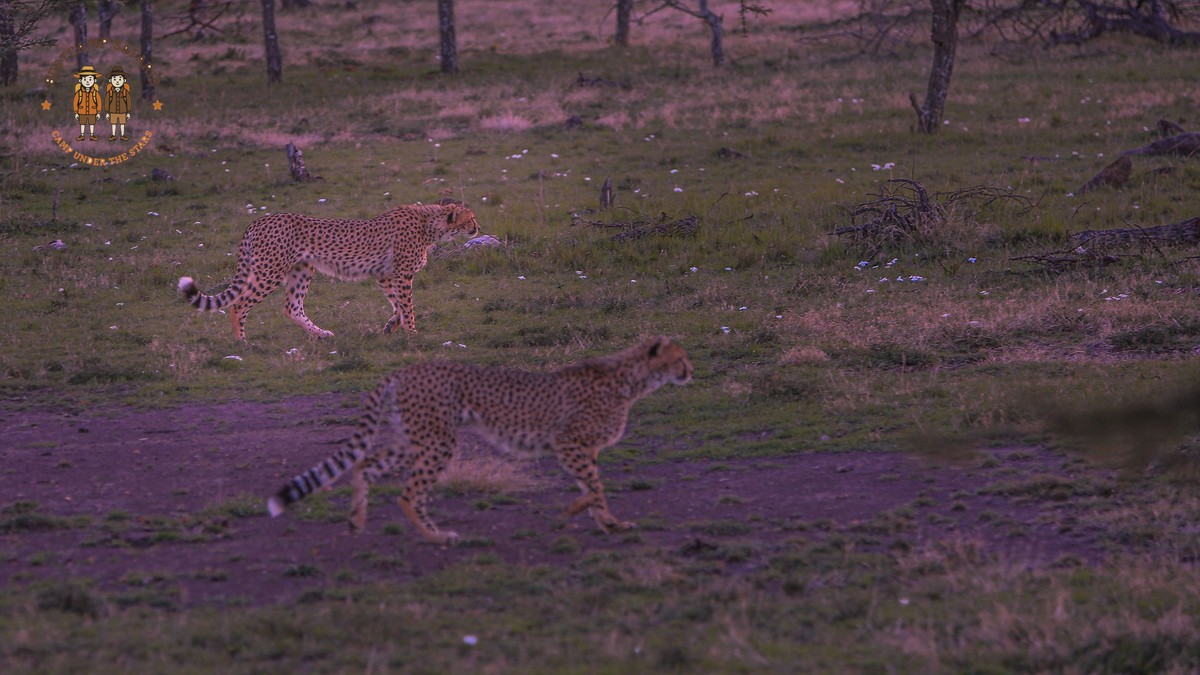
| Lemek | 15 km northeast | USD 350-600 per person | Open plains, good for cheetahs |
These rates include full board, game drives, and conservancy fees. They are indicative ranges only. Exact rates change with season and camp choice.
For the Masai Mara National Reserve itself, know the fee structure. Narok County runs the reserve, not Kenya Wildlife Service. Non-residents pay USD 200 per adult per day from July to December. From January to June, it drops to USD 100.
Amboseli National Park, home to large elephant herds, costs USD 90 per adult per day. Lake Nakuru, famous for flamingos, is also USD 90. Chyulu Hills, a volcanic landscape, is cheaper at USD 40.
If you want close wildlife encounters without the reserve crowds, choose a conservancy camp. If you want to see the Great Migration river crossings, stay inside the reserve. Many travelers do both.
Pricing in GBP with Sample Cost Tiers
Kenya safari prices vary widely. Here is an honest breakdown in pounds sterling.
| Trip Type | Cost per Person per Night | What You Get |
|---|---|---|
| Budget lodge safari | GBP 120-180 | Shared drives, basic rooms, reserve access |
| Mid-range tented camp | GBP 200-350 | Private guided drives, en-suite tents, good food |
| Premium mobile camp | GBP 350-600 | Walking safaris, night drives, exceptional guides |
| Luxury conservancy camp | GBP 600-900 | Exclusive use vehicles, spa, private dining |
A full 7-night safari in a mid-range tented camp, including flights, transfers, and park fees, lands between GBP 2,500 and GBP 3,500 per person. A premium 10-day trip with a mobile camp costs GBP 4,000 to GBP 5,500.
Flights from Scotland add roughly GBP 600 to GBP 1,200. The eTA costs about GBP 30.
Our complete guide for another small-language-speaking traveler community uses the same pricing model, so you can compare.
Best Time to Visit and Scottish School Holidays
The Masai Mara has two clear seasons. The dry season runs from July to October. This is migration time. Wildebeest and zebra cross from Tanzania in huge numbers. Wildlife viewing is at its peak.
The wet season runs from November to June. Green landscapes, fewer tourists, and lower prices. The “short rains” arrive in November and December. The “long rains” hit from March to May. Many camps close in April and May because the roads turn to mud.
For families from Scotland, timing matters. Scottish school holidays differ from English ones. The summer break runs from late June to mid-August. The October break is a single week. The Easter break sits in April.
Best match for families: late June to mid-August. You catch the start of the migration and the Scottish summer holidays align. The park fees are at the high rate, but the wildlife spectacle is worth it.
For photographers avoiding crowds, consider September or early October. The migration is still active, the crowds thin out, and the light is dramatic.
For budget travelers, January and February offer dry, sunny weather at lower park fees. You trade the migration for quieter parks and better prices.
A Night at Camp
The ground feels different at 5am in a tented camp. Hard, cool, and slightly damp from the night. You hear the distant grunt of a lion. Your guide brings you hot water in a canvas bucket. You wash your face and dress in layers. The sun is not up yet.
Breakfast comes packed in a basket. Thermos coffee, boiled eggs, fresh fruit. You eat in the dark, listening. Then you climb into the open Land Cruiser. The engine turns over. You drive toward the first light.
By 9am, the golden hour is done. The heat rises. You stop under a fig tree. Your guide pours more coffee. You watch elephants ghost through the bush.
Evenings are quieter. A bush shower waits behind your tent, a canvas bag of warm water hanging from a tree. Dinner is at a communal table under the stars. Your guide tells stories. You hear hyenas whoop beyond the firelight.
Walking into camp after dark is an experience. Your guide walks first, holding a lamp. Your eyes see only a small circle of light. The darkness around you is full of sound. It is not scary. It is thrilling. You feel very small and very alive.
Packing List for a Highlands to Savannah Shift
Going from Scotland to Kenya means huge climate change. Pack for both.
- Lightweight, breathable shirts. Khaki or olive colors.
- A warm fleece for early morning game drives.
- A light rain jacket for unexpected showers.
- Long trousers for evenings. They keep mosquitoes away.
- Sturdy walking shoes. You will walk on uneven ground.
- A wide-brimmed hat and sunglasses.
- SPF 50 sunscreen. The sun is strong.
- Insect repellent with DEET.
- A good pair of binoculars. 10×42 magnification works well.
- A camera with a zoom lens. 100-400mm is ideal.
- Headlamp for night walks to the mess tent.
- Power bank. Tents have some charging, but not always.
- Your eTA printed, plus a digital copy.
Leave behind anything black or dark blue. Tsetse flies are strongly attracted to those colors. Dark greens, browns, and tans work best.
Sample Itinerary: 7 to 10 Days
Day 1-2: Arrive Nairobi. Overnight at a city hotel. Visit the Giraffe Centre if you have energy.
Day 3: Fly from Wilson Airport to the Mara. Transfer to your conservancy camp. Afternoon game drive.
Day 4-6: Full days in the conservancy. Morning drives, siesta at camp, afternoon drives. Add a walking safari or a night drive.
Day 7: Fly back to Nairobi. Fly home to Scotland.
For a 10-day version, add two days in Amboseli for elephants with Mount Kilimanjaro behind them. The contrast is unforgettable.
Safety and Comfort
Kenya is safe for travelers who follow basic rules. Stay inside your vehicle during game drives. Listen to your guide. Do not walk alone after dark. Keep your valuables out of sight.
Most camps lock their gates. They have staff on watch through the night. You will sleep well, even with lions nearby.
For solo travelers, conservancy camps are welcoming. Meals are communal. Guides are professional and respectful. You will never feel alone unless you want to be.
Frequently Asked Questions
Do any Kenya safari guides speak Scottish Gaelic? No. Plan to use English. Bring a wee phrasebook to teach your guide a word or two.
Is English enough to get by on a Kenya safari? Yes, entirely. English is an official language in Kenya. All guides speak it fluently.
How long is the flight from Edinburgh or Glasgow to Nairobi? Total travel time is 11 to 14 hours including a connection. Flying time is 9 to 11 hours.
Do UK citizens need a visa for Kenya? You need an eTA, which replaces the visa. It costs USD 34 and takes about three days to process.
What is the best time of year from Scotland? For families, late June to mid-August. For photographers, September and October. For budgets, January and February.
The BestCamp Safaris Difference
We do not sell cookie-cutter safaris. We plan trips around how you travel, not how we want to sell.
For a Gaelic speaker from Scotland, we sit down with you. We work out the school holidays. We check flight options from Edinburgh and Glasgow. We match you with a mobile camp positioned for the light you need as a photographer.
Our guides are Maasai and Kikuyu. They speak English, Swahili, and Maa. They grew up on these lands. They know where the lions sleep and where the light hits the plain at 6am.
We keep our camps small. Twelve tents maximum, often fewer. That means fewer vehicles. The wildlife behaves naturally. You get closer to genuine moments, not staged ones.
We also handle the logistics. ETA applications, domestic flights, conservancy fees, airport transfers. You arrive with nothing to figure out. You just watch the sunrise over the savannah.
Booking Your Scottish Gaelic Speaking Travelers Safari: Next Steps
Planning a Kenya safari as a Scottish Gaelic speaker is simple. The language barrier does not exist. The logistics are straightforward. The wildlife is waiting.
When you are ready, we would love to plan your trip. Tell us your dates, your budget, and what you want to photograph. We will handle the rest.
Plan your Kenya safari with BestCamp Safaris or contact us to start the conversation.


