 Wildlife Tours
I was packing up a bush breakfast near Naboisho one morning. A guest asked me, half joking, “can I just get a quick photo of the herder over there?” The herder was maybe sixty meters off, moving cattle across the road ahead of our vehicle. My guide’s answer was short. “Not without asking. It’s not just rude, it’s against the law.”
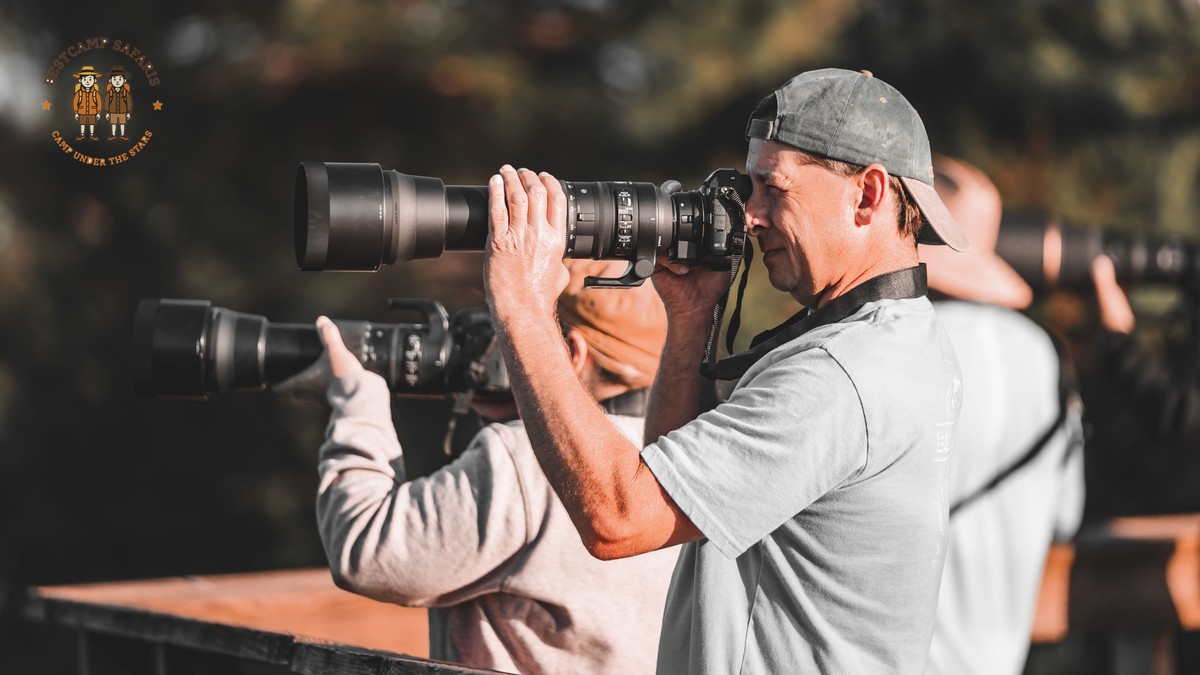
That surprised most of the camp that week. People assume Maasai photo etiquette is about culture and manners alone. It isn’t. This guide breaks down the photography consent laws Maasai Kenya visitors are legally bound by, not just the customs a guide might mention. Kenya has real statutes behind it. They apply whether you’re shooting with a phone or a full frame body with a 400mm lens, even from a mobile camp near the migration route.
Why This Isn’t Just Etiquette, It’s Law
Kenyan law treats a person’s image as their property. You can’t just take it because you’re a paying visitor with a camera. This matters for wildlife photographers especially. We’re often camped closest to Maasai grazing land, moving through conservancies like Mara North and Naboisho, where herders and camera trucks share the same tracks at dawn.
Kenya’s Constitution and Your Camera
Three articles of the Constitution of Kenya, 2010 sit behind this.
Article 28 protects human dignity. Article 31 protects privacy, including the right not to have your possessions searched, your home entered, or information about your private life unnecessarily revealed. Article 40 protects property rights, and Kenyan courts have treated a person’s likeness as something they own.
Put together, these mean a Maasai herder standing on open land still has a legal claim over how their image gets used. Being in public view does not waive that right.
The Data Protection Act 2019: Photos Count as Personal Data
This is the part most tourist guides skip entirely. Kenya’s Data Protection Act 2019 defines personal data broadly. The Office of the Data Protection Commissioner has confirmed that photographs of identifiable individuals fall under it.
That means taking a clear, identifiable photo of a Maasai person can count as processing personal data. This applies especially if you later post it, sell it as stock, or use it in marketing. Under the Act, you generally need a lawful basis for that, and consent is the most straightforward one for a visitor to rely on.
Casual, non-identifiable shots of a crowd or a distant landscape with people in it are a lower risk. A close portrait of one recognizable person is a different matter.
What Counts as Real Consent
Not every nod or half smile is consent in a legal sense. Kenyan practice, drawn from the Data Protection Act’s general standards, expects consent to be specific and informed. That means the person understands what the photo is for, roughly where it might be used, and agrees freely.
A verbal yes at a village gate, given through a translator or guide, generally satisfies this for personal, non-commercial travel photos. If you plan to sell the image, license it, or use it in advertising, written consent is the safer standard. Some conservancies now ask commercial photographers to carry release forms for exactly this reason.
Public Road vs Private Manyatta: Know the Difference
There’s a real legal and practical gap between photographing someone on a public road and entering a private homestead, or manyatta.
Roadsides and reserve tracks are treated as public space, but the privacy protections in Article 31 still apply to the person in frame. A manyatta is private property. Walking in with a camera without invitation is closer to trespass than a photography question.
Conservancies bordering the Mara add another layer. Naboisho Conservancy and Mara North Conservancy are both bundled into nightly lodge rates of roughly USD 80 to 150 per person. Each has its own visitor agreements with member Maasai landowners. Some restrict drone use and commercial shoots without prior clearance from the conservancy office, separate from any personal consent you get on the ground.
Photographing Children: Extra Care Needed
Children get stronger protection under Kenyan law and under most conservancy codes of conduct. A child cannot give legal consent themselves. You need a parent or guardian’s permission, given clearly, before photographing a Maasai child, even a smiling one who runs up to your vehicle.
Most reputable camps, ours included, ask guests not to photograph children at all during roadside encounters, since there’s rarely time to properly reach a parent. Village visits, where parents are present and consent can be confirmed directly, are the appropriate setting for this instead.
What Happens If You Don’t Ask
Consequences vary by severity. At the mild end, a guide will ask you to delete a photo, or a herder will simply refuse and walk away. At the more serious end, unauthorized use of someone’s image can expose you to a civil claim for damages under Article 40 property protections, or a complaint to the Data Protection Commissioner under the 2019 Act. This is especially true for commercial use, like a magazine feature or an ad campaign.
Arrests over a single tourist photo are rare in practice. But conservancy rangers can and do remove visitors who repeatedly ignore requests to stop, and some conservancies reserve the right to revoke a vehicle’s access.
Maasai Beliefs About the Camera
Some of the resistance to photography isn’t legal at all, it’s cultural. Older Maasai in particular sometimes hold that a photograph takes something from the person pictured. It’s not literally a soul, in the way that phrase gets repeated online, but a sense that the image now exists outside their control. Younger Maasai, especially those working in tourism, are often far more relaxed about it, particularly when a fee is involved and the purpose is explained.
Either way, a refusal is a refusal. Guides are trained to accept it without pushing, and so should you.
What to Actually Pay
Fees are not a substitute for consent, they run alongside it. Here’s what our guides typically see across different settings near the Mara ecosystem.
| Setting | Typical cost (indicative) | What it includes | Consent style |
|---|---|---|---|
| Roadside encounter, single photo | KES 200 to 500 (about USD 1.50 to 4) per photo | One photo, brief exchange | Verbal, on the spot |
| Escorted village walk | KES 1,000 to 2,500 (about USD 8 to 20) per person | Guided walk, multiple photos, some explanation of daily life | Verbal, arranged by guide |
| Full manyatta cultural visit | KES 1,500 to 3,000 (about USD 12 to 25) per person | Homestead tour, dance demonstration, open photography | Verbal, sometimes a signed guest book |
| Private community visit, arranged directly | Negotiated, often KES 3,000 to 5,000 (about USD 25 to 40) donation to the family or school fund | Longer, unscripted time, deeper access | Verbal, discussed in advance with elders |
These are indicative ranges based on what our guides currently quote, not fixed tariffs. Prices shift with the season and with how the visit is arranged.
How Our Guides Ask
The phrasing matters more than people expect. Our guides don’t point a camera and gesture. They stop, greet in Maa or Swahili first, and ask something close to this, translated: “My guest would like a photo of you. Is that alright, and is a small thank you for your time okay?”
That order matters. Greeting first, then asking, then naming the fee, treats the person as someone being met, not a subject being captured. If the answer is no, the guide says thank you and moves on. No second attempt, no lingering with the lens up.
Staged Villages vs Real Community Visits
Many roadside “cultural villages” near the Mara gate towns are set up specifically for tourist stops. Dancing and craft stalls are arranged for quick visits between game drives. They’re not fake exactly, the people are real Maasai, but the setting is built for turnover, and the fee structure reflects that.
A visit arranged directly with a specific manyatta, ideally one your camp already has a relationship with, tends to run slower and go deeper. You’ll spend longer, ask fewer but better questions, and the money goes straight to the family rather than a shared village fund split many ways. Both are legitimate. Only one gives you real insight worth the memory card space.
The BestCamp Safaris Difference
We brief every guest on this before the first game drive, not after a photo has already caused an awkward moment. Our guides carry the right phrasing in Maa and know which conservancies require prior clearance for filming. They only arrange village visits with manyattas we have long standing relationships with, not the highest turnover roadside stops.
For wildlife photographers on our mobile camps, this matters beyond the village visit itself. The same conservancies that regulate Maasai photography, Naboisho and Mara North among them, also set the rules for camp placement near migration routes. They also decide where vehicles can go off track for golden hour light. Knowing the consent rules and the access rules together is what keeps a shoot both legal and respectful, start to finish.
A Few Related Rules Worth Knowing
Photography law in Kenya doesn’t stop at people. If you’re flying a drone over camp or over the plains, check Kenya’s drone photography rules before you take off. Most conservancies require separate permission. If your trip includes an evening out after a village visit, the legal rules for night game drives are worth reading too. They vary by conservancy and reserve. Before you pack your bags home, it’s worth reviewing the customs rules for bringing home souvenirs. This applies especially to anything made from beadwork or animal products bought at a village stall.
Plan This With Us
If you want a safari where the cultural visits are arranged properly, we’d like to help you plan it. That means real consent and fair pay built in from the start. Have a look at our Maasai Mara safari itineraries, or get in touch through our contact page. We’ll talk through what a respectful, well timed visit could look like for your trip.


