 Adventure Tours
At 5am, you hear canvas rattle, then coffee poured into a metal cup. Your tent is still warm. By sundown, that tent will be many kilometers away, pitched somewhere new. This is what happens during a fly camp move, on the kind of mobile camping safari BestCamp Safaris arranges in Kenya.
What Happens During a Fly Camp Move, Step by Step
During a fly camp move, guests usually leave camp after breakfast with only a daypack while the crew strikes tents, packs bedding and kitchen equipment, and travels to the next site. Guests spend the day walking or on a game drive, then arrive at the new camp in the afternoon, often in time for tea and sundowners.
Here is what a typical day feels like, in six steps.
- Wake to tea and first light. There is no furniture in a fly camp tent beyond a mattress, so the morning starts simply. Coffee or hot tea arrives at the tent flap, then breakfast is served at a low table under whatever tree gives the best shade.
- Give your duffel to the support team. Keep only a daypack with two liters of water, sunscreen, insect repellent, medication, your camera, and a warm layer. BestCamp Safaris sends you the packing limits in advance. A soft bag with a 15 kg limit is common.
- Walk, drive, or ride out. On a walking fly camp in Loisaba in Laikipia, you may cover 6 to 10 km before lunch. In the Masai Mara, a game drive can be the main event, with a bush breakfast stop where the crew catches up with you.
- Leave the pack-down to the crew. They strike tents, roll mattresses, pack pots and plates, and put out the fire. You rarely watch this happen. By late afternoon, your tent is already standing in the new place.
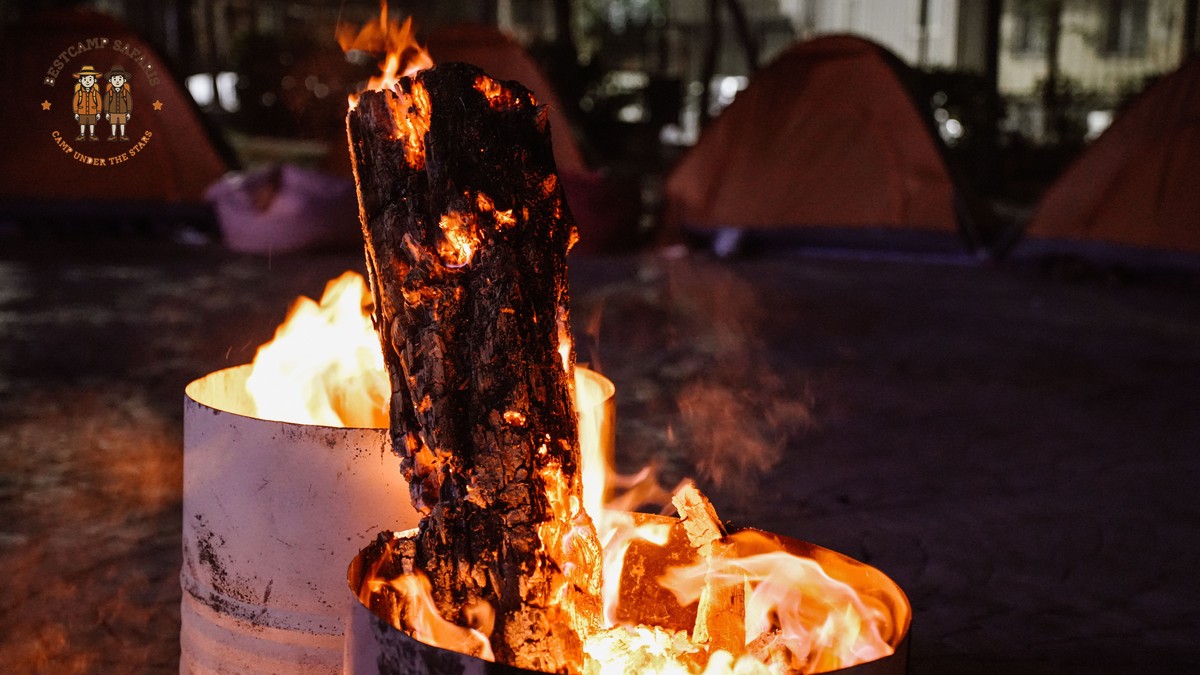
- Arrive when the camp is nearly ready. Tea is waiting, water is heating for a bucket shower, and the campfire is taking shape. Guests arrive before dark. That timing matters for wildlife safety.
- Obey the night rules. After dinner, a member of the camp watch walks you to your tent. No one walks alone after dark, not even to the bush toilet. That rule is part of the safety system, not a formality.
How the Crew Packs and Transports the Camp
The crew removes bedding, folds lightweight tents, extinguishes the fire, packs the kitchen and loads equipment into a support vehicle or onto pack animals, depending on the area. In accessible Kenyan conservancies, vehicles may drive close to the next site; guests normally carry only personal essentials rather than the camp itself.
Picture two journeys happening at once. Yours goes through grass and along game paths. The camp’s goes by road, through conservancy gates, or by pack animal, depending on the terrain.
On a typical one-night Loisaba fly camp, the crew moves the gear ahead while you walk. On a vehicle-supported route in Naboisho Conservancy, the tents and kitchen may travel 20 to 45 km in a Land Cruiser with a trailer. The support vehicle often catches you at lunch so the crew can hand you a hot meal, then drive on ahead.
For exact logistics and prices on a specific route, read our Loisaba fly camping logistics and costs guide.
What Guests Do While the Camp Is Moved
Guests do not usually wait beside a dismantled camp. They leave after breakfast for a guided walk, game drive or transfer, carrying water, sun protection, valuables and any medication. The activity is planned to fill the moving window, so guests typically reach the next site after tents and the basic camp area are ready.
This is also the part that makes walking camping safaris feel open-air and unhurried. Your guide points out lion tracks, vulture movements, and plants used as medicine. You stop when something is worth studying. The camp moves on its own schedule.
If you prefer a less athletic move, your vehicle becomes a private safari car for the day. You take a slow game drive, pause for a picnic under a fever tree, and meet the new camp in the late afternoon. On longer relocations, lunch may happen at a lodge or permanent camp. Confirm that stop with your operator before you book.
For one route with several camp moves, look at a six-day Laikipia mobile camping itinerary that BestCamp Safaris runs.
How the New Fly Camp Is Set Up
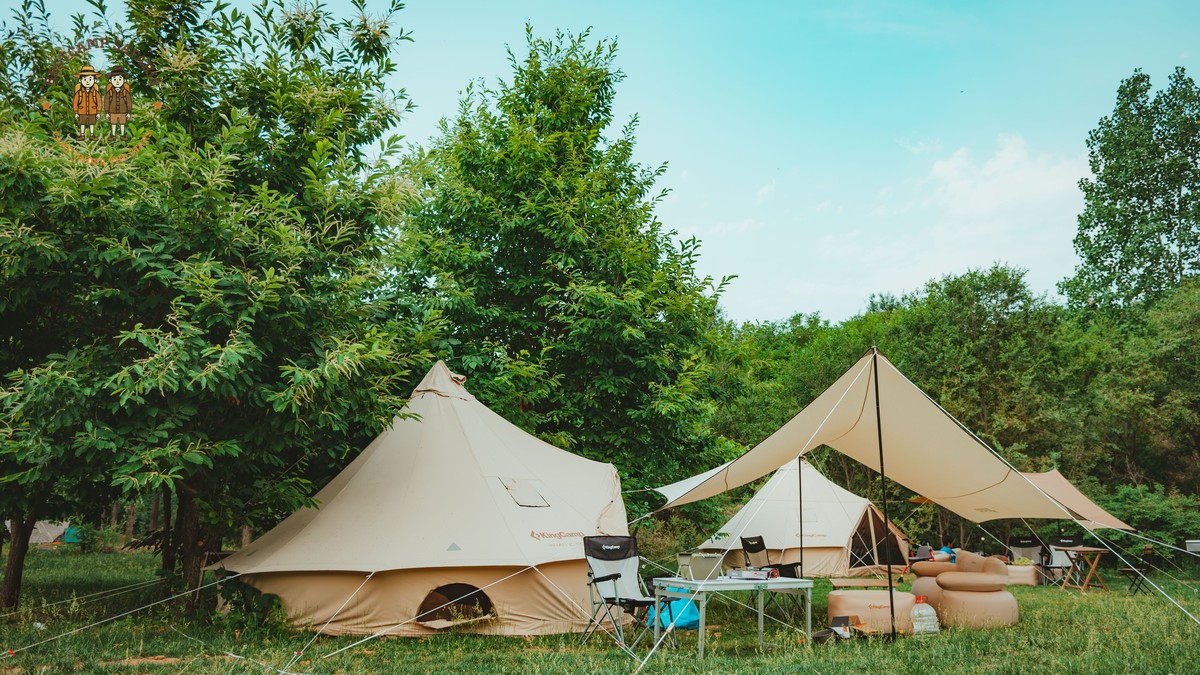
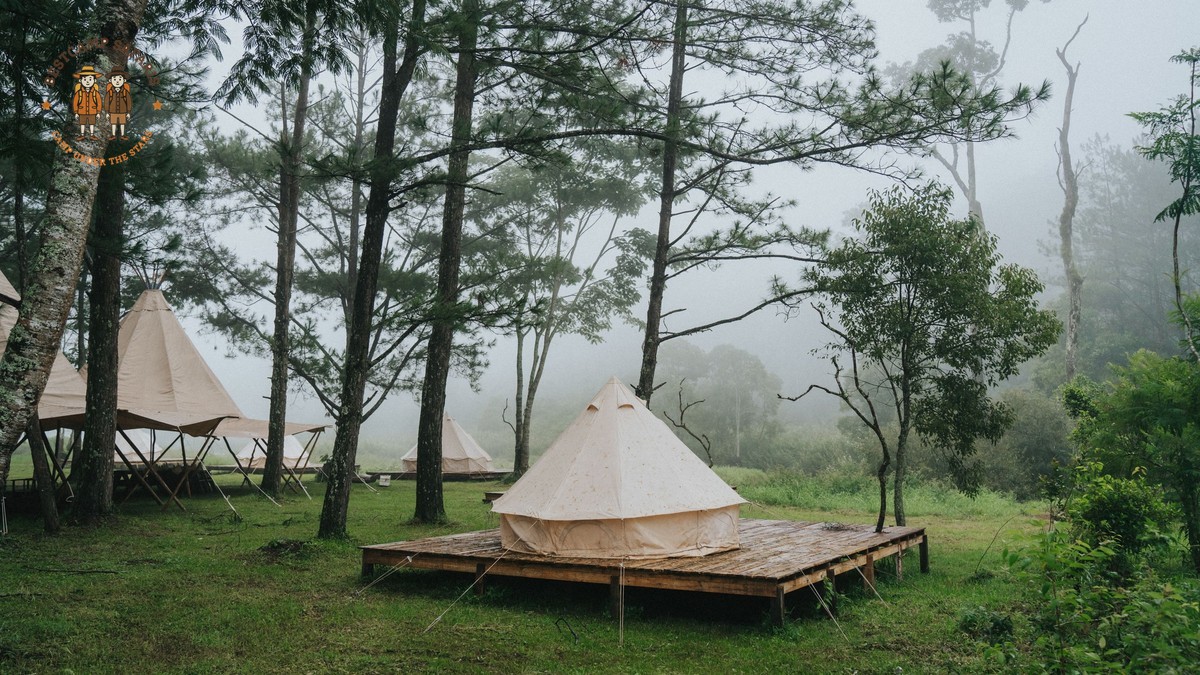
At the new site, staff choose firm, well-drained ground with visibility, pitch sleeping tents, place mattresses and bedding, establish a simple kitchen and dining area, and prepare a bush toilet. Setup commonly happens while guests are out, allowing them to arrive at a functioning camp with drinks, a fire or a meal already being prepared.
Here is a rough comparison of the two main fly-camp styles you will find in Kenya.
| Camp style, example | Typical distance between sites | How transport works |
|---|---|---|
| Walking fly camp in Loisaba, Laikipia | 6 to 12 km per walking morning | Support vehicle or pack animals move tents and the kitchen |
| Vehicle-supported fly camp in Masai Mara or Naboisho Conservancy | 15 to 45 km between sites, usually with game drive stops | Tents, bedding and cooking gear travel by truck while guests drive |
Rates for a private mobile camping safari in Kenya typically range from USD 300 to USD 600 per person per night, but treat that as an indicative range rather than a fixed quote. The exact price depends on group size, how far the camp moves, and whether the route is walking-led or vehicle-led. Ask for a written quote before you commit.
By the time your daypack comes off, the final details are done. Warm water waits behind a canvas screen, and dinner already smells like woodsmoke.
Safety, Comfort and Facilities During the Move
A fly camp move trades fixed-lodge facilities for mobility and privacy. Expect no permanent buildings, limited or no electricity, simple washing arrangements and a bush toilet, but trained guides, an armed ranger or night watch, radios and strict after-dark movement rules. Guests should ask about evacuation plans, luggage limits and weather procedures before departure.
What does that mean in practice?
- Bathroom: a screened bush toilet and a bucket shower. No flush, no power outlets near the bed.
- Electricity: expect a solar lantern and perhaps a small charging bank. Do not plan to charge a laptop.
- Privacy: canvas walls are thin. Voices travel, and morning light arrives early.
- Safety: the night watch stays awake while you sleep. If you need to move after dark, wake that person first.
- Weather: rain can change a route quickly. Pack a quality rain shell and dry bags for electronics. Our Kenya safari camping rain gear list helps with the details.
Plan Your First Fly Camp Move
Ready to sleep in canvas? The single next step is to tell BestCamp Safaris where you want to wake up, whether that is the Laikipia plateau, a conservancy near the Mara, or somewhere quieter. We will match the route to your walking comfort and confirm exactly what you carry and what the camp team carries for you. Use the BestCamp Safaris contact page to start that conversation, pack light, and let the crew handle the rest.