
 Adventure Tours
Camping in the Masai Mara is not the cheap, rough version of a safari. It is a different way to watch the reserve, one that suits some travelers far better than a lodge. This guide treats the masai mara camping pros cons question as a decision, not a review, naming real areas, current fees, and daily moments that brochure copy often leaves out.
What Are the Masai Mara Camping Pros Cons You Should Weigh?
Masai Mara camping is best for travelers who value wildlife access, lower costs, and an outdoor atmosphere more than hotel comfort. The main advantages are earlier access on game drives, a stronger outdoor sense, and flexible budgets. The main disadvantages: basic facilities, weather, possible noise, and stricter safety rules.
Here are the seven honest trade-offs you are really weighing:
- Wildlife mornings versus comfort. A camp near the Talek River puts you inside the action by dawn, but that fades if you need hotel-style service.
- Price versus facilities. A basic campsite outside Sekenani stretches your budget, but it may mean shared bathrooms and no hot shower.
- Inside the reserve versus outside the gates. Staying inside saves drive time. Staying outside usually offers better value and more choices.
- Prime wildlife areas versus gate distance. A camp near Sekenani Gate is convenient for arrivals, but prime river crossing points can be a long drive away.
- Energy versus downtime. A typical day begins before sunrise, so camping feels demanding if you need an afternoon to recover by a pool.
- Social versus private spaces. Shared meal tables and campfire chatter build community, but reduce the privacy some travelers want.
- Safety routines versus wilderness freedom. Trained staff, locked tents, and approved campsites protect you, but those routines are still rules you must follow.
No single option wins every trade-off. That is why the next question matters more than any generic pros-and-cons list.
Should You Choose a Camp Inside the Masai Mara, Outside the Gates, or in a Conservancy?
Camping inside the reserve saves time on morning and afternoon game drives and places you closer to wildlife, but it usually costs more and offers fewer camp choices. Camps near Sekenani, Talek, or Oloolaimutia offer better value, though every drive must still account for gates and entry time.
| Camp position | Real area examples | Fee reality | Main trade-off |
|---|---|---|---|
| Inside reserve land | Public campsites near Talek, Musiara, and the Sekenani side | Masai Mara National Reserve charges USD 100 per adult per day from January to June and USD 200 per adult per day from July to December. Narok County runs the reserve, not KWS. | Shortest route at dawn, but overnight choices are basic and fees are not flexible. |
| Outside the gates | Camps near Sekenani, Talek, or Oloolaimutia | The same reserve fee applies each day you enter. The accommodation itself is usually cheaper. | Better price and more facilities, but you add 20 to 45 minutes at the gate before the drive starts. |
| Private conservancy | Naboisho Conservancy, Mara North Conservancy, Olare Motorogi Conservancy | Conservancy fees are typically USD 80 to 150 per person per night and are bundled into camp rates. | Fewer vehicles, some night drives and guided walks, but fees are not low. Additional reserve fees may still apply. |
Private conservancies bundle their fee into the camp rate, but that does not replace the reserve fee if your itinerary crosses into the reserve itself.
Position also changes your arrival plan. Nairobi to the Sekenani side covers roughly 270 to 290 kilometers, normally five to six hours by road. A scheduled flight from Wilson Airport to Keekorok cuts that to about 45 minutes, though the airstrip is still a drive from camp. Choose your base before you compare price per night.
How Much Is the Real Masai Mara Camping Cost?
A three-day camping safari commonly costs about USD 300 to USD 550 per person. A seven-day Kenya camping tour that includes the Mara often runs USD 700 to USD 1,500 per person. The final price changes with camp location, transport, park fees, meals, guide quality, and whether game drives are private or shared.
The Masai Mara camping cost has one unavoidable line item: the reserve entrance fee, which is set by Narok County, not KWS. If a quote looks very cheap, ask whether that fee is included or added later.
Budget tour companies often list prices before park fees. That is not dishonest if the fee is shown clearly, but it explains why two three-day itineraries can look different on paper. Confirm exactly what the package covers before comparing deals.
A private conservancy adds another cost layer, usually bundled into the rate. It buys quieter conservancy roads, not a day inside the main reserve, unless stated otherwise.
A fully organized budget trip normally includes a 4×4 vehicle, guide, tent, meals, and transfers. For a ready route and a clear daily budget, start with a three-day Masai Mara budget camping itinerary and compare quotes line by line.
How Comfortable Is the Daily Routine at a Masai Mara Camp?
Camping comfort runs from serviced en-suite canvas tents to basic camps with shared bathrooms and no hot water. Ask whether the price includes a private bathroom, hot shower, charging, bedding, meals, transfers, and a dedicated vehicle. Basic camps reduce costs, but they require a tolerance for early starts, dust, weather, and downtime without hotel amenities.
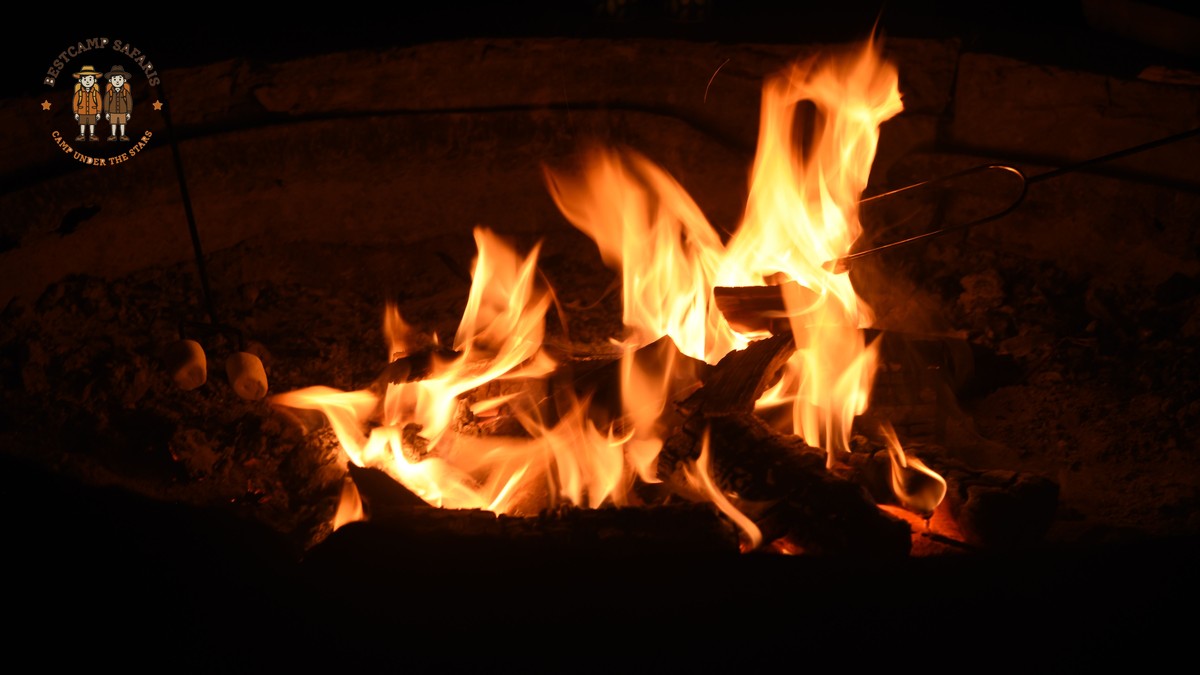
A typical morning begins before first light. At around 5 a.m., zips move, a lantern glows in the tent, and coffee waits by the fire before you climb into the 4×4 under a still-grey sky. That early window is often the best of the day.
Midday is the harder test. Basic camps near Sekenani or Talek offer shade and limited power while the sun is high. Serviced camps plate lunch and offer solar charging or a bucket shower. Wild camps keep it simple: rest, rehydrate, and wait for the afternoon drive.
Rain and cold change the comfort level. During the wet seasons, canvas can leak if a camp is not well pitched. Pack earplugs, a headlamp, warm layers, and a dry bag. To match camp style to the season, read the best months for Masai Mara camping before you fix your dates.
Is Masai Mara Camping Safe at Night?
Masai Mara camping is safe when guests follow camp and guide rules: keep tents closed, never walk outside alone at night, store food properly, and pitch only in approved locations with trained staff. Wild camping has greater exposure because it may lack fencing, running water, and formal security. Careless pitching and fire management create avoidable risks.
The most important rule is also the simplest: do not walk around camp alone after dark. A trained camp guard, or askari, usually stays awake all night, but you still need to call for an escort to reach the bathroom. Keep the tent zipped from inside, because wildlife does not announce itself.
Food storage matters just as much. Meals are eaten away from sleeping tents, rubbish is locked away, and kitchens sit downwind.
Camping safety also means choosing a site with a clear plan. An approved site with staff on hand is safer than open ground without support. For a checklist covering camp selection, fire rules, and night procedures, read mobile camping safety checks in Kenya before you book.
Who Should Choose Masai Mara Camping Over a Lodge?
Choose Masai Mara camping if you prioritize game drives, outdoor immersion, and value over guaranteed luxury. It suits photographers, couples, and first-time safari travelers who will spend most daylight hours driving. Choose a lodge instead if reliable electricity, extensive facilities, or effortless comfort matters most.
Camping works best when the camp is a place to sleep and eat, not a destination. Travelers who drive out for the morning, return for lunch, and head out again at 4 p.m. rarely miss a swimming pool. Photographers often prefer conservancy camps, since private areas such as Naboisho allow walking safaris and night drives with more light and angles than a reserve-only day.
Families can also thrive with the right setup. Older children usually love the tent environment, but younger ones need a predictable bedtime routine and a real bathroom after a dusty afternoon.
The honest way to decide is to list your non-negotiable items. If a hot shower and private toilet rank high, choose a serviced tented camp. If the goal is being first on the track for the least money, a well-run budget safari is the right value.
The BestCamp Safaris Difference
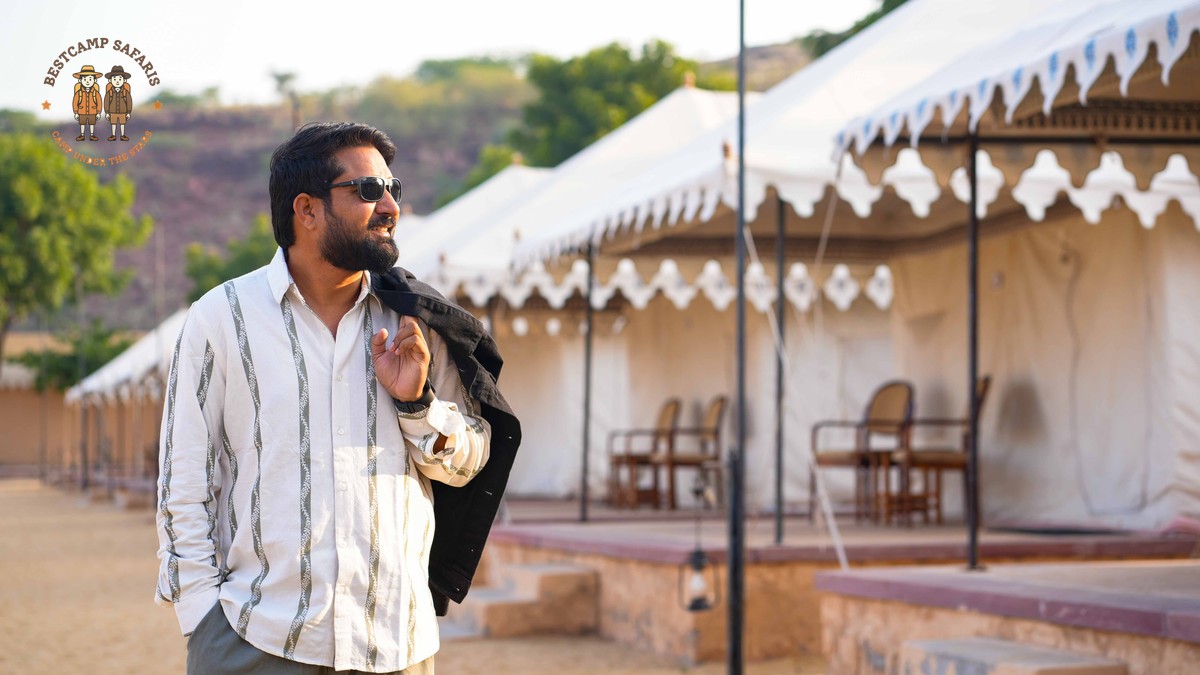
BestCamp Safaris organizes stays in three styles: reserve-facing budget camps, conservancy camps in Naboisho and Mara North, and full-board tented camps with private bathrooms. The booking process starts with practical questions, not brochures. How early do you want to leave each morning? Do you need an en-suite tent? Would you trade camp luxury for fewer vehicles on a game drive?
BestCamp Safaris then matches you to a specific area, not a generic package. A three-day trip near Sekenani is planned differently from a five-day conservancy stay with walking options. Each route sheet includes drive times, gate distances, current fees, and a packing list.
The goal is not selling you the cheapest night in the Mara. It is making sure your first camping safari feels like a choice made with clear eyes.
What Are the Frequently Asked Questions About Masai Mara Camping?
Is camping in the Masai Mara safe?
Yes, organized camping is generally safe when guests follow trained guides and camp rules: keep tent doors closed, never walk outside alone after dark, and use approved campsites. Unfenced wild camping needs stricter preparation, since it has greater exposure to wildlife and fewer facilities.
Is it better to stay inside or outside the Masai Mara?
Stay inside the reserve for the shortest routes to wildlife and efficient early game drives. Stay outside near Sekenani or Talek when price, accommodation choice, and flexible access matter more. Allow extra time for gates when camp is outside.
How much does camping in the Masai Mara cost?
A three-day camping tour commonly costs about USD 300 to USD 550 per person, while seven-day tours that include the Mara run roughly USD 700 to USD 1,500 per person. Confirm whether transport, meals, park fees, and equipment are included before comparing quotes.
What are the disadvantages of camping in the Masai Mara?
The main disadvantages are simpler bathrooms, limited hot water or electricity, exposure to rain and cold, less privacy, and more demanding safety routines. Camps outside the reserve may also need longer drives, and conservancy camping can cost more despite fewer vehicles.
Is camping in the Masai Mara worth it?
Camping is worth it when wildlife access and budget matter more than resort comfort, especially for travelers who spend most of the day on game drives. A lodge or upgraded tented camp offers better value for those who want dependable amenities and relaxed downtime.
Ready to Plan a Camping Safari That Matches Your Style?
Your answer depends on which of the seven trade-offs matters most. If mornings before sunrise and a canvas roof feel like the right version of the Mara, BestCamp Safaris can help you choose between a reserve-facing budget camp and a quieter conservancy tent. Send your dates and priorities through the BestCamp Safaris contact page, and we will plan the route around the moments you actually want.


