
 Wildlife Tours
The first sound in a Kenyan mobile camp is a kettle, not a lion. You zip open the canvas, feel the cool earth through the tent floor, and watch the sky turn gold before coffee is poured. That is the morning rhythm of a safari in Kenya. If you are planning a Kenya safari for Korean speaking travelers, your question is not whether you will love those mornings. It is whether the trip can run without a language barrier.
Short answer: yes, with planning. Fluent Korean-speaking driver-guides exist in Kenya, but not many. Here is what a 7-day trip costs and how to book it.
Korean-speaking safari guide options and interpreter support
Fluent Korean-speaking Kenyan driver-guides are available in only limited numbers, so confirm one for your dates before paying. The most dependable alternative is a licensed English-speaking driver-guide paired with a Korean interpreter. A translation app and English guide offer the lowest-cost option but provide less seamless wildlife commentary.
There are three ways to run a Kenya safari for Korean speaking travelers. The smoothest is one guide who does it all. Peak season books out months ahead.
The middle option pairs a licensed English-speaking driver-guide with a separate Korean safari interpreter. You hear the guide call out a leopard. The interpreter gives you the Korean version within seconds. It works well on game drives. It also adds a second salary to the vehicle, so the price rises.
The budget option is an English guide plus a translation app. But wildlife moments are fast. A leopard sighting may last 30 seconds. You do not want to handle an app while the cat melts back into the bush.
Before you pay a deposit, ask for written confirmation of the guide’s Korean level, certification, and dates. See Kenya safari planning for Chinese-speaking travelers for how that route compares.
Kenya safari for Korean speaking travelers: cost breakdown
A realistic mid-range Kenya safari costs about USD 2,500 to 4,200 per person for five to seven safari nights, excluding international flights. A fluent Korean-speaking guide or separate interpreter can increase the price. Shared camping trips may cost roughly USD 120 to 250 per person per day.
Park fees make up a large slice of that total. Amboseli National Park charges USD 90 per adult per day. Masai Mara National Reserve charges USD 100 per day from January to June and USD 200 per day from July to December. Lake Nakuru National Park charges USD 90 per adult per day.
Language support adds another layer. Here is how the three models compare.
| Support model | How it works | Indicative cost effect |
|---|---|---|
| Fluent Korean-speaking driver-guide | One person drives, spots wildlife, and guides in Korean | Often booked 3-6 months ahead in peak season |
| English driver-guide + Korean safari interpreter | Two people in the vehicle: wildlife expert plus translator | Add roughly 10-20% to the private package price |
| English guide + translation app | English narration with phone-based help | No extra cost; less fluid commentary |
These are indicative estimates. For a similar price breakdown, see Kenya safari costs and route planning for German speakers.
A seven-day Kenya safari itinerary
A strong first-time seven-day route combines two nights in Amboseli for elephants and Mount Kilimanjaro views with three nights in the Masai Mara for big cats and varied game drives. Add Lake Nakuru when rhinos and flamingos matter more than minimizing road transfers.
For most first-timers, a Masai Mara safari is the centerpiece of the week.
Night 1: Arrive in Nairobi. The flight from Seoul has no direct option, so you will land tired. One Nairobi hotel night fixes that.
Nights 2 and 3: Drive to Amboseli, about 240 km from Nairobi. The last section is rough, so budget 4 hours. You wake to Kilimanjaro if the clouds lift. Elephants feed in the swamps.
Nights 4, 5, and 6: Drive to the Masai Mara, roughly 380 km via Nairobi, with a lunch stop. A safari flight with AirKenya or Safarilink is faster. The Mara delivers big cats, buffalo, and river crossings from July to October.
Night 7: Return to Nairobi for an evening flight or a rest day.
This route follows a seven-day Kenya safari itinerary that works for first-timers. The same shape works well on a camping safari with our team, where you trade hotel walls for canvas and a campfire.
Kenya eTA, flights, and arrival logistics
Korean citizens need Kenya’s Electronic Travel Authorization rather than a visa sticker. Current guidance lists an online application, a passport valid for at least six months, proof of accommodation, and a USD 34 fee. There are no direct Seoul-Nairobi flights, so plan for one connection and roughly 18 to 24 hours of travel.
Apply on Kenya’s official eTA system before departure. The fee is USD 34, and you upload passport details plus accommodation proof.
Seoul flights connect through Dubai, Doha, or Istanbul. Emirates, Qatar Airways, and Turkish Airlines serve Nairobi. Add one night in Nairobi on arrival to protect your first game drive from jet lag.
Best time to visit Kenya for wildlife and migration
July and August are the busiest periods for the Great Migration and the hardest months to secure scarce Korean-language guide support, so reserve several months ahead. For lower pressure and potentially better value, consider shoulder-season travel while matching the itinerary to the wildlife experience you prioritize.
June and September sit on the migration’s edge with thinner crowds. Ask for quotes in both seasons.
What Korean travelers should confirm before booking
Ask for the guide’s exact Korean proficiency, certification, role, dates of availability, and whether interpretation is provided by the driver-guide or a separate professional. Also request an itemized quote showing park fees, accommodation, vehicle, meals, transfers, interpreter costs, eTA assumptions, and exclusions so language support does not appear unexpectedly after booking.
A reliable operator will answer those questions in writing. BestCamp Safaris does this as part of every private safari quote. Language support is never a hidden line item.
Plan your first Kenyan sunrise
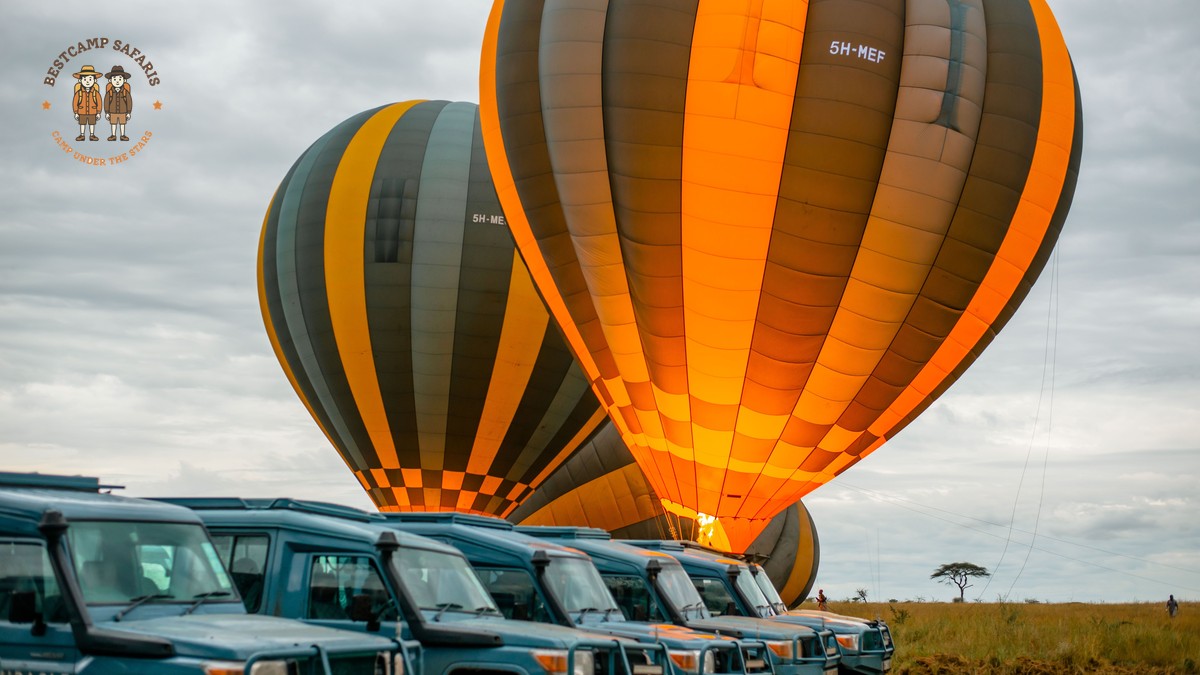
Picture that first 5am: canvas damp with dew, coffee poured, engine idling, and the gate opening into the Mara. That moment is closer than it looks from Seoul. When you are ready to turn that plan into dates, BestCamp Safaris can match you with a Korean-support setup that fits your budget and your preferred guide model. Ask us for written confirmation of guide availability before you pay a deposit, and reach out on our contact page. The stars over the Mara will still be there when you arrive.


