
 Wildlife Tours
Ask most travelers when the Great Migration produces calves, and they will say Kenya, around August. That answer is wrong. The real wildebeest calving season runs from January to March. It happens mostly in Tanzania’s southern Serengeti and Ndutu. Kenya can offer a smaller show later in the season. This kenya safari calving season guide compares both options and what they cost.
Our BestCamp Safaris team has camped through calving season in the Mara and in Ndutu. The difference is real. Tanzania gives you the main event. Kenya gives you convenience and resident wildlife. Read on to choose.
1. When Is Kenya’s Calving Season?
Peak wildebeest calving is usually January through March. But the principal birthing grounds are in Tanzania’s southern Serengeti and Ndutu rather than Kenya. In Kenya’s Maasai Mara, occasional calving and young herds may appear from roughly February into early April. Rainfall and grazing conditions extend the migration north.
- January to March: The core of the calving season. The herds gather on the short-grass plains of Ndutu and the southern Serengeti. This is the “Ndutu calving season” that guides talk about.
- February to early April: The Maasai Mara can receive spillover. Southern Mara plains, especially near the Sand River, can hold calves and zebra foals.
- Year-round residents: The Mara always has elephants, buffalo, giraffe, and big cats. These give Kenya a reliable base when the herds drift south.
2. Where to See Newborn Wildebeest in Kenya
For a Kenya-only safari, focus on the southern Maasai Mara and adjoining conservancies. Green grass and lower visitor numbers can produce sightings of calves, zebra foals, and active predators. For the highest concentration of newborn wildebeest, cross into Tanzania. Stay around Ndutu or the southern Serengeti plains.
- Southern Maasai Mara: Look for the Sand River area and the open grasslands south of the Talek River. The grazing is short and bright green in February and March.
- Naboisho and Mara North Conservancies: These private areas often have wildebeest and zebra outside the main reserve. Conservancy fees are bundled into lodge rates, roughly USD 80-150 per person per night. Lower vehicle numbers make early light photograph better.
- Ndutu, Tanzania: This shallow soda pan sits between the Serengeti and Ngorongoro Conservation Area. It is the best-known calving ground. Driving from Nairobi takes about 6-7 hours through Namanga, plus border formalities.
- Serengeti’s southern plains: The grass is short and the herds spread wide. A mobile camp can reposition to follow the action.
3. Kenya Versus Tanzania: The Kenya Safari Calving Season Guide Comparison
Tanzania is the stronger choice for witnessing the main wildebeest calving spectacle. The herds concentrate in Ndutu and the southern Serengeti from January to March. Kenya is better for travelers who prioritize a simpler Maasai Mara itinerary. Resident big cats, conservancy experiences, and the possibility of seasonal spillover make it appealing. Just know the peak births are not guaranteed there.
| Factor | Kenya (Maasai Mara) | Tanzania (Ndutu / Southern Serengeti) |
|---|---|---|
| Primary calving period | Spillover: Feb to early Apr | Main: Jan to Mar |
| Main herd location | Southern Mara and conservancies | Ndutu and southern Serengeti plains |
| Park fee (non-resident) | USD 100/day (Jan-Jun); USD 200/day (Jul-Dec) | Indicative USD 60-80/day per adult; confirm current rates |
| Typical access from Nairobi | 260 km, about 5 hours by road; 45 min flight to Ol Kiombo Airstrip | 6-7 hours via Namanga border, or fly via Kilimanjaro/Manyara |
| Crowds | Moderate, low outside River Crossing peak | Moderate to low, but top camps fill |
| Best for | Convenience, resident cats, conservancy calm | True calving spectacle, predator action on calves |
The trade-off is real. A Kenya-only trip is simpler. You avoid a border crossing and reach the Mara in one day. A Kenya-Tanzania combo adds two travel days. It puts you in the middle of the main wildebeest calving season. If you want the full calving experience, plan for Tanzania.
4. What Animals and Predator Action Can You See?
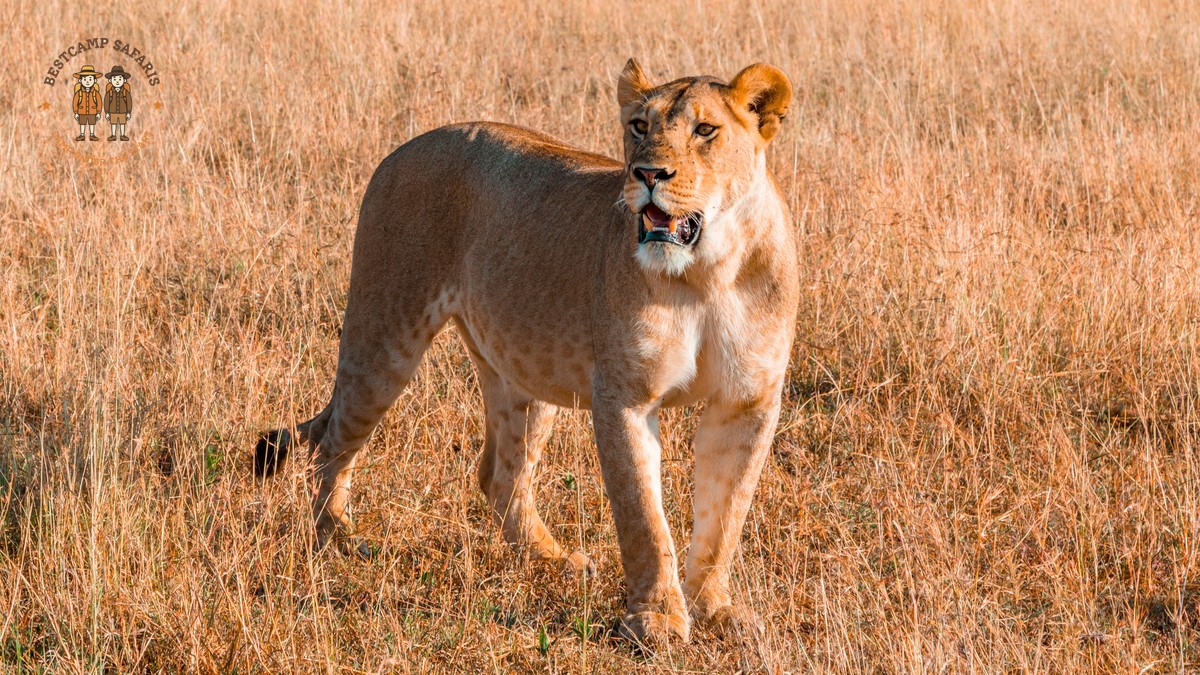
Calving season can bring newborn wildebeest and zebra. Large breeding herds gather. Watch for lions, cheetahs, hyenas, and other predators. They target vulnerable young. Kenya’s Mara also supports year-round elephant, buffalo, giraffe, and big-cat viewing. Births are not synchronized across all species. Elephant calves have no single national peak season.
- Predator action: Lions and hyenas key on the new calves. Cheetahs use the plains in Ndutu. This is the phrase photographers search for: predator action.
- Zebra foals: These appear alongside wildebeest calves.
- Residents in Kenya: Elephants, buffalo, and giraffe are always in the Mara. These sightings balance the uncertainty of spilled wildebeest.
- Photography: The green season light is famous. Low cloud and soft dawns make for great portrait light. If you plan a dedicated photography trip, use a Kenya safari photography itinerary that puts you on the plains at first light.
5. How Many Days Should You Plan?
Allow three to four full days in the Ndutu area. This helps calving-season photography and predator sightings. Longer stays improve the odds. Births and hunts are unpredictable. A Kenya-only Maasai Mara trip should usually include three to five full game-drive days. Add at least two travel days if combining Kenya with Tanzania by road.
- 3-4 days in Ndutu: This is the accepted minimum. A short stay can miss the action.
- 3-5 days in the Mara: Spillover is less predictable, so more days help.
- Add 2 travel days for a combo: Nairobi to Mara is one day. Nairobi to Ndutu via Namanga needs a full day. Returning adds another.
- Sample Kenya-only pacing: Day 1 drive from Nairobi to the Mara. Days 2-4 morning and evening game drives. Day 5 return. That works.
- Sample Tanzania pacing: Day 1 fly from Nairobi to Kilimanjaro, drive to Ndutu. Days 2-4 in the calving plains. Day 5 drive back to the border. Good for a focused trip.
6. Crowds, Weather, Camps, and Booking Logistics
January to March is generally quieter and less expensive than Kenya’s July-to-October migration peak. The best southern Serengeti camps still fill early. Expect green landscapes, warm conditions, and occasional rain. Choose a camp near the active plains. Carry waterproof protection for cameras. Book roughly six to nine months ahead for preferred calving dates.
- Crowds: Lower than the Great Migration Kenya river-crossing period. Still, Ndutu’s top camps book months ahead.
- Weather: Days are warm, nights can be mild. Rain comes in short bursts. A light rain jacket keeps you comfortable.
- Camps: A mobile camping safari tracks the herds better than a fixed lodge. Tents can be repositioned as the wildebeest move. BestCamp Safaris runs camping safaris around the calving window.
- Costs: Calving season is often cheaper than July to October. Still, prices vary. For an indicative range, expect budget mobile camping from USD 350-600 per person per night. Mid-range tented camps USD 600-1,200. Luxury lodges USD 1,200-2,500. These are ranges, not quotes.
- Booking: Six to nine months ahead is a good rule. Peak Ndutu dates around February go first.
- Vehicle plan: Ask about seating before you book. If you want a private vehicle, understand who decides safari vehicle seats. That choice shapes your photography.
- Fly camping: For a more immersive option, consider a fly-camp night. Our guide on what gear fly camping includes helps you pack light.
Plan Your Calving Season Safari with BestCamp Safaris
Choosing between Kenya and Tanzania does not need to be hard. BestCamp Safaris can build a camping safari that matches your dates, your budget, and your camera. Tell us where you want to focus. We will handle the transfers, park fees, and camp moves. Start the conversation on our contact page.


