
 Wildlife Tours
Night on safari is not a quiet version of the daytime. It is a different world. After dark in Kenya, the savannah hands the stage to small cats, soft-furred mongooses, and digging specialists that most visitors never see in daylight. This Kenya safari nocturnal animals guide explains which species to look for, where night drives are legal, what they cost, and how to pack for them.
A night drive is usually two to three hours. It can turn a camping safari into an entirely different story.
What does a Kenya safari nocturnal animals guide help you spot?
The most sought-after nocturnal sightings in Kenya include aardvark, aardwolf, serval, African wildcat, genet, civet, bushbaby, porcupine, white-tailed mongoose, bat-eared fox, honey badger, and hyena. Leopards and lions may also be active after dark, but smaller carnivores, rodents, and night birds are the main reason to choose a night drive.
Safari guides often name that full menu. If you want the shortlist, these are the nine nocturnal animals Kenya guides get most excited about:
- Aardvark. The pig-like digger with huge ears. Look near termite mounds and sandy soil.
- Aardwolf. A small striped relative of the hyena that licks up termites.
- Serval. A tall wild cat with a small head and huge ears. It freezes in grass before it pounces.
- African wildcat. It looks like a tabby housecat, and it may be your cat’s ancestor.
- Genet. A slender spotted creature with a long ringed tail. It often moves through trees or across lodge roofs.
- Bushbaby. A big-eyed primate that leaps through acacia branches and calls like a baby crying.
- Porcupine. A slow, cautious rodent covered in sharp quills. It often crosses dirt roads.
- White-tailed mongoose. A dark-bodied mongoose whose white tail flashes in the spotlight.
- Bat-eared fox. A fox with enormous ears and black legs, built for listening to insects.
Honey badgers and hyenas can also show up on a night game drive Kenya, but they are not always active after dark. The nine species above are more reliable targets. One honest warning: night drives raise your odds, not your guarantee. Aardvarks and aardwolves are shy. A skilled guide can put you in the right place, but no camp can promise a sighting.
Where are night game drives legal in Kenya?
Night game drives are generally unavailable inside Kenya’s national parks and major county-managed reserves, including the Masai Mara National Reserve, Amboseli, and Tsavo. Legal guided drives are concentrated on private and community conservancies, where resident camps operate under local rules and usually require guests to stay overnight before joining.
Most national parks close their gates at sundown. That is not a small rule. Rangers close gates to keep vehicles on schedule, protect vulnerable species, and reduce poaching risk. So if someone promises a night drive inside Amboseli or the Masai Mara National Reserve, treat that claim with caution.
The Masai Mara National Reserve is run by Narok County Government, not by Kenya Wildlife Service. Its entrance fee is USD 100 per non-resident adult per day from January to June and USD 200 from July to December. That fee covers daytime visits only. It does not let you stay out after sunset.
Other KWS parks have similar day-only rules. Amboseli costs USD 90 per non-resident adult per day. Lake Nakuru costs USD 90. Tsavo East and Tsavo West cost USD 80 each. Nairobi National Park costs USD 80. Chyulu Hills costs USD 40. In practice, none of those fees include a night drive.
If you want a night drive near the Mara, sleep inside a conservancy. That is almost always the legal and practical choice.
Which private conservancies in Kenya are best for a night safari?
Mara North and Naboisho are strong choices near the Masai Mara for leopard, genet, bushbaby, serval, hyena, and occasional aardvark sightings. Ol Pejeta and Lewa in Laikipia add aardvark, porcupine, white-tailed mongoose, and leopard. Choose the conservancy based on the species and camp access rules, not only proximity to the reserve.
This table gives a quick comparison of night drive locations in Kenya. All costs are indicative for 2026 and should be confirmed before booking.
| Location | Night drive? | What to watch for | Access rule | Indicative 2026 cost |
|---|---|---|---|---|
| Mara North Conservancy | Yes | Leopard, serval, genet, bushbaby, hyena | Stay at a member camp | Bundled in camp rate; add-on about USD 50-100 per person |
| Naboisho Conservancy | Yes | Aardvark (rare), serval, white-tailed mongoose, leopard | Stay at a member camp | Bundled; conservancy fees about USD 80-150 per person/night |
| Ol Pejeta Conservancy | Yes | Aardvark, porcupine, leopard, hyena | Stay overnight; limited day access | Roughly USD 80-150 per person/night |
| Lewa Wildlife Conservancy | Yes | Aardvark, white-tailed mongoose, leopard | Stay at a Lewa camp or partner lodge | Roughly USD 80-150 per person/night |
| Masai Mara National Reserve | No | Lions and leopards by day; gates close at night | Day visits only | USD 100 Jan-Jun; USD 200 Jul-Dec per adult/day |
| Amboseli National Park | No | Daytime elephants and lions; no night driving | Day visits only | USD 90 per adult/day |
A good two-night plan looks like this. Night one: arrive at camp, eat dinner, then go out for two to three hours. Night two: set out before dinner to work waterholes and woodland edges. In between, sleep in the same tented camp and let the guide adjust the route based on what you found the night before.
The rule in most Kenya private conservancies is simple: you must be a resident guest. Drive in from a lodge outside the conservancy, and you cannot expect a night drive. That is why the camping angle works well. A mobile camp inside the conservancy puts you on the after-dark guest list.
What happens during a Kenya night game drive?
A typical night drive leaves camp after sunset and lasts about two to three hours. A driver-guide and spotter scan roads, termite mounds, waterholes, grass, and woodland edges using a red- or amber-filtered spotlight, stopping to identify eye-shine and listen for movement. Guests remain seated in the vehicle and follow strict safety instructions.
You may leave before dinner or after it. The camp decides based on wildlife movements and weather. The guide drives slowly with the window down. The spotter points the red beam across the grass. You will hear insects, maybe a lion far off, then the guide says “there” and cuts the beam to a single pair of eyes.
One of my clearest night-drive memories is a white-tailed mongoose trotting across a moonlit track. Another is a genet moving along a low branch, tail swinging behind it like a metronome. These are not dramatic moments. They are quiet, precise, and completely different from daytime viewing.
A Kenya safari night drive usually ends with the vehicle lights off and the engine silent. Guests stay seated. No one leans out of the vehicle. The guide decides how close is safe. The spotlight is usually red or amber because white light can blind animals and disrupt hunting.
How much does a Kenya night drive cost?
Night-drive pricing is commonly bundled into the accommodation rate at conservancy camps, but an add-on may cost roughly $50 to $100 per person. Some indicative conservancy activity fees reach about $80 to $150 per person or night, depending on location and package. Confirm whether the drive, conservancy fee, guide, and vehicle are included before booking.
A “night drive” charge is not the same as a park entrance fee. Conservancy fees pay for local land management and community programs. In many camps, the night drive is already in your nightly rate, which is why it may not appear as a separate line.
For a full idea of what a Kenya trip costs, including flights, camps, and park fees, see our Kenya safari price ranges. That page gives realistic budgets without guessing at every small fee.
What should I pack for a Kenya safari night drive?
Pack a fleece or warm jacket, closed shoes, and a scarf because temperatures fall after sunset. Use a camera with strong low-light performance, a fast lens, and high ISO capability, and never use flash unless the guide explicitly permits it. Keep quiet, avoid sudden movements, and follow the guide’s instructions around wildlife.
Long sleeves and trousers also help against insects. A headlamp with a red mode is more useful than a white flashlight. If the camp arranges dinner before the drive, pack a light snack for the ride back.
For cameras, aim for a lens with an aperture of f/2.8 or wider. Raise the ISO rather than using flash. Support your elbows on the vehicle door or a beanbag. And practice settling into stillness, because the guide needs to hear animals, not your camera bag.
If the weather turns, a rain jacket is worth its weight. You can also read what happens during camp thunderstorms to understand how a mobile camp handles a storm.
The BestCamp Safaris Difference
BestCamp Safaris plans Kenya camping safaris around the places where night drives actually happen. We sleep inside private conservancies, not outside them. That means your night drive ends with a short drive to your tented camp, not a long return to a lodge gate.
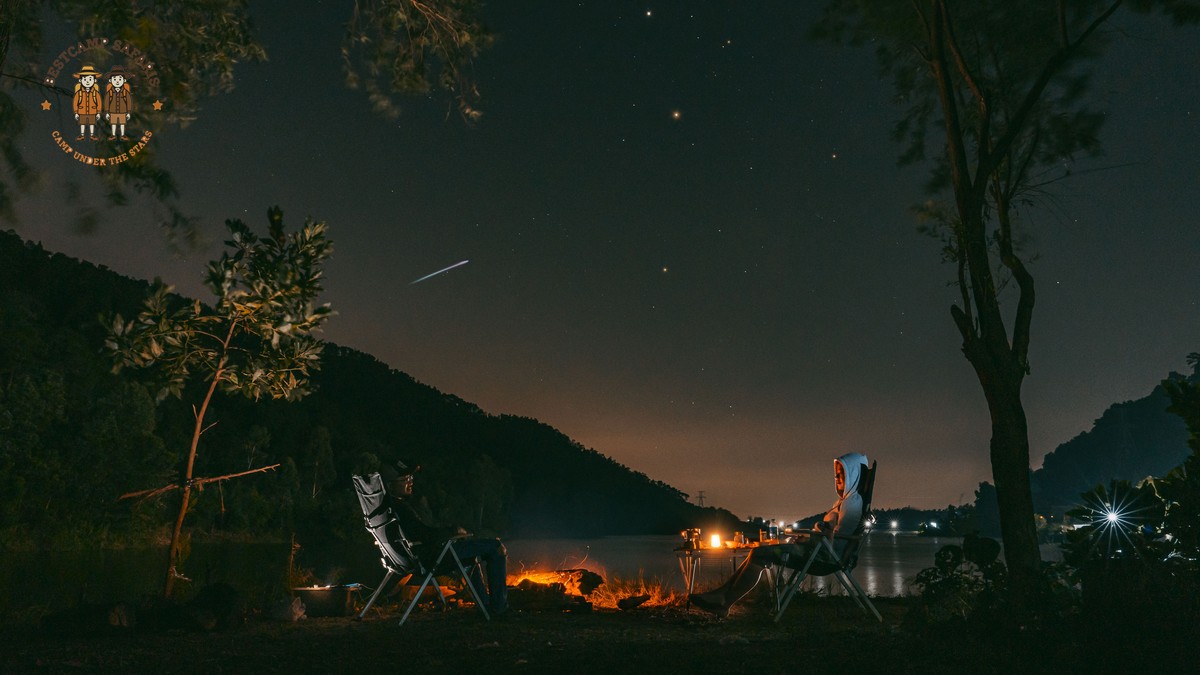
You will walk into camp after dark by lamplight. The canvas walls glow from inside. The guide points out which tent is yours. Breakfast is packed away before dawn, and the ground is cold under your boots when you wake at 5am for the morning drive.
A BestCamp Safaris night drive is built into the rhythm of the camp, not tacked on as an extra sale. If your camp needs to move during the trip, read what happens during a camp move. That page explains how the next night drive will fit into the new location.
Most of all, BestCamp Safaris keeps the promise simple: a camping safari that feels like living in the bush, not just visiting it. The nocturnal animals are the reward. The tent under a black sky is the part you will remember.
Frequently Asked Questions
Are night drives allowed in the Masai Mara?
Night drives are not permitted inside the Masai Mara National Reserve, which closes its gates in the evening. To drive after dark, stay at a camp inside a private conservancy such as Mara North, Naboisho, Ol Kinyei, or Olare Motorogi, subject to that conservancy’s rules.
Where can I do a night game drive in Kenya?
The best legal options are private and community conservancies in the Greater Masai Mara and Laikipia. Mara North, Naboisho, Ol Pejeta, Lewa, Borana, and other conservancy or ranch areas offer guided night drives for resident guests, while most national parks do not allow vehicles to remain out after dark.
How long does a night game drive in Kenya last?
Most Kenya night game drives last approximately two to three hours. Departure is usually after sunset, either before or after dinner, and the exact timing depends on camp procedures, seasonal conditions, wildlife activity, and local conservancy rules.
How much does a night safari in Kenya cost?
Many camps include night drives in their nightly rate, while separate activity charges commonly fall around $50 to $100 per person. Some conservancy programmes indicate approximately $80 to $150 per person or night, but the final cost depends on the camp, season, vehicle arrangement, and whether conservancy fees are included.
Can you see aardvarks on a Kenya safari at night?
Yes, aardvarks are nocturnal and may appear on night drives, especially around termite mounds and sandy soils. They remain rare sightings, so a conservancy with suitable habitat and a skilled guide improves the odds but cannot guarantee an encounter.
Ready to plan your Kenya night safari?
Start with a quick message to our team. Tell us which part of Kenya you want to explore. We will shape a camping safari route around legal night drives, good camp locations, and the species on your list. Plan your trip with BestCamp Safaris.


