 Adventure Tours
Kenya safari camping sleeping bag needed? Ask ten safari outfitters and you will get ten different answers. The reason is simple. “Camping” can mean a lodge tent with a full bed, a furnished mobile tent, a bare public campsite, or a mountain hut. These three rules turn the muddle into a clear decision.
Short answer: usually no for lodges and tented camps. Yes for public campsites, fly camping, and Mount Kenya. Add these rules to your Kenya safari packing list.
Kenya safari camping sleeping bag needed? The short answer
Usually, no. Guests staying in lodges or furnished tented camps sleep in made-up beds with blankets, so a full sleeping bag adds bulk without much benefit. Bring one only when your itinerary uses basic public campsites, fly camping, or a mountain trek. Confirm the exact bedding supplied before departure, because “camping” means different setups.
On a BestCamp Safaris camping safari, we run permanent and mobile tented camps with proper beds, mattresses, sheets, and blankets. On those nights, a sleeping bag liner works better than a bulky bag. Ask your operator not “do you have camping?” but “what is in the tent when I arrive?” Ask one night at a time. One trip can mix luxury tents, budget campsites, and mountain huts.
Rule 1: Confirm the bedding list, not the slogan
A sleeping bag is most useful for unfurnished budget camping, self-drive camping, fly camping, and Mount Kenya routes. It is normally unnecessary for permanent tented camps and mobile camps that provide beds, mattresses, sheets, and blankets. The deciding factors are the camp’s bedding inventory, elevation, season, and whether staff transport extra blankets.
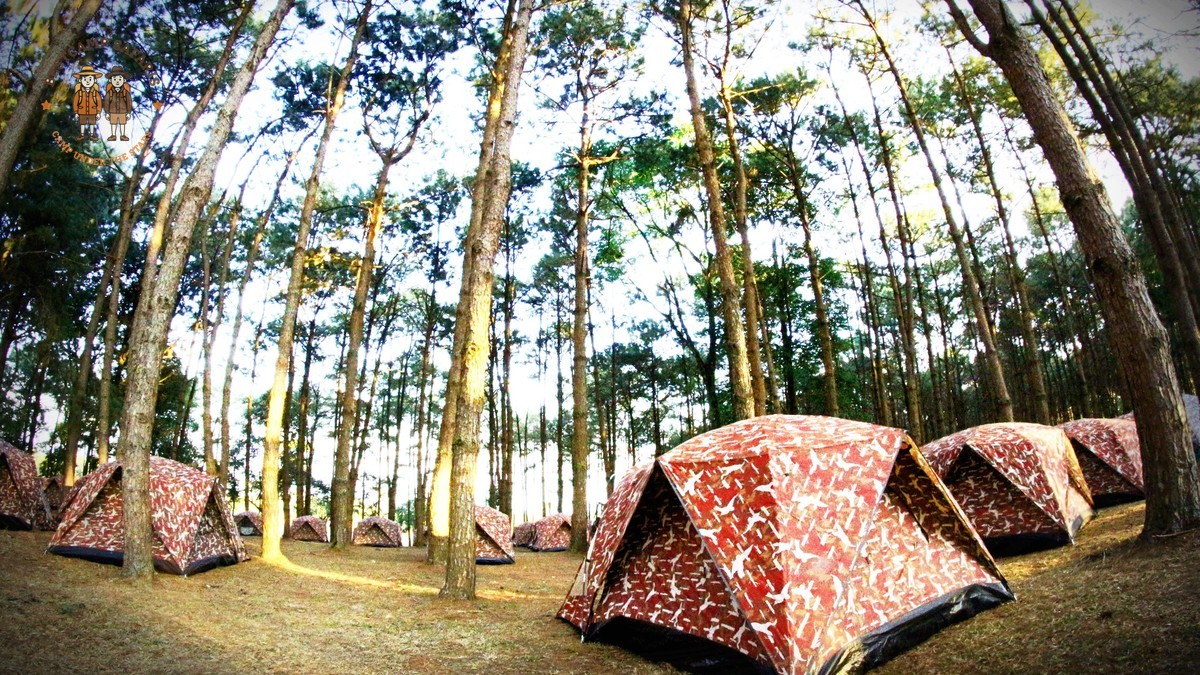
Furnished camps usually provide a bed, a mattress, sheets, pillows, and at least one blanket. Basic public campsites usually provide a tent and a mattress, or sometimes just a patch of ground. Mount Kenya huts provide a foam mattress and nothing else.
The word “camp” alone tells you nothing. A BestCamp mobile camp carries beds on each vehicle move. If you want the logistics, read what happens during a camp move. A KWS public campsite such as Simba Campsite in Amboseli expects you to bring your own sleep system. Write down what each night supplies, then decide.
Rule 2: Match your rating to elevation, not to safari brochures
For ordinary lowland camping, choose a lightweight bag with a comfort rating around 10°C (50°F), then add a liner or warm layer for colder nights. Highland and Mount Kenya trips need substantially warmer equipment, often a four-season bag selected for the route’s lowest expected temperature. Use the comfort rating, not the lower limit, when comparing bags.
Most safari destinations sit at moderate altitude. The Masai Mara lies around 1,500 to 2,100 m. Amboseli sits near 1,100 m. Lake Nakuru climbs to about 1,750 m. Clear-season nights in these parks usually drop to 10-15°C, so a comfort-rated 10°C sleeping bag plus a liner handles the cold without overheating you.
Mount Kenya changes the math. Nights at Shipton’s Camp (4,200 m) can fall below freezing in any season. For Mount Kenya sleeping bag choices, pick a four-season bag rated for the route’s coldest night, not a summer-weight travel bag. If thunderstorms roll in during those same cool nights, read what happens during camp thunderstorms so you know how to keep dry.
Rule 3: Choose between bag, liner, blanket, and sleeping mat
A silk or lightweight liner is the better compromise when a camp supplies blankets but you want a personal sleep layer. A full sleeping bag provides more reliable warmth for basic camping, while a sleeping mat prevents heat loss to the ground and can matter as much as the bag. In furnished tents, a liner is usually sufficient.
Here is the honest trade-off. A full 10°C sleeping bag adds roughly 1 to 1.5 kg to your safari duffel. A liner weighs 200 to 350 g and packs tiny. If your camp supplies blankets, the liner doubles as a hygiene layer and adds a few degrees of warmth. If your camp supplies nothing, the full bag plus a sleeping mat is the safer call.
A sleeping mat is not optional at a basic campsite. The ground in the Mara can feel several degrees colder than the air. A rolled foam mat or self-inflating pad fixes most of that heat loss. In furnished tents, skip the mat. On a typical camping safari Kenya route, a 10°C bag, a liner, and a mat cover almost every lowland night.
A quick camp-by-camp sleeping bag matrix
This table compares the main safari sleep styles with real camps and typical night temperatures. Treat the temperature column as an indicative range for clear dry-season nights.
| Safari style (real example) | Bedding usually supplied | Bring your own bag? | Typical night low* | Best sleep setup |
|---|---|---|---|---|
| Lodge or permanent tented camp (Mara Serena Safari Lodge, Kichwa Tembo Tented Camp) | Bed, sheets, duvet, blankets | No | 10-14°C | Light liner |
| Furnished mobile camp (BestCamp classic camping safari) | Bed, mattress, sheets, blankets | Usually no | 10-15°C | Liner plus fleece |
| Basic public campsite (Simba Campsite, Amboseli) | Tent and mattress only | Yes | 12-18°C | 10°C bag plus sleeping mat |
| Fly camp (Naboisho Conservancy, Mara North Conservancy) | Groundsheet and roll mat | Yes | 12-18°C | 10°C bag, liner, mat |
| Mount Kenya trek (Old Moses Camp 3,300 m to Shipton’s Camp 4,200 m) | Foam mattress, nothing else | Yes, warm | -5 to 5°C | Four-season bag rated for the route |
*Night lows are indicative ranges for clear nights in the dry season. Always combine them with your operator’s bedding list.
Hiring gear is easy if you fly in with limited luggage. Most Nairobi outfitters hire a clean 10°C synthetic bag for an entire week at a rough cost of KES 1,500 to 3,000, and a liner for a few hundred shillings. Ask the operator to confirm current hire gear before you pack.
Pack and store sleeping gear like a safari regular
Pack sleeping gear in a compact waterproof or dry bag, test the bag before travel, and keep a fleece layer and warm socks accessible for pre-dawn temperatures. For bush-flight itineraries, prioritize a lightweight liner or compact bag because soft luggage limits are strict. Never assume a sleeping bag will fit comfortably in a small safari duffel.
Kenya’s internal flights usually allow a soft bag around 15 kg, and airlines expect duffels rather than hard cases. A full mummy bag can swallow a third of that space, so a compression sack matters. Test the bag at home. Sleep in it one night so you learn its warmth and pack size, instead of discovering a problem at 5 a.m. when vehicles are warming up.
Store the bag dry and loose between nights. A damp bag inside a stuff sack grows mold fast at a humid campsite. Most mobile tented camps keep blankets dry under canvas, and our crews follow how mobile camps handle rain to keep bedding usable. That is a good reason to let the camp supply blankets and to carry only a liner.
Frequently Asked Questions
Do you need a sleeping bag for safari in Kenya?
Usually not if you stay in lodges or furnished tented camps, because these accommodations provide beds and blankets. A sleeping bag becomes necessary for basic public-campsite, fly-camping, self-drive, or mountain itineraries.
Do Kenya safari camps provide sleeping bags?
Many furnished tented camps provide a bed, mattress, sheets, and blankets, but basic campsites may provide only a tent or mattress. Ask for the exact bedding list for every night rather than relying on the word “camp.”
What temperature sleeping bag do I need for Kenya?
A comfort-rated 10°C (50°F) bag is a practical starting point for many lowland camping safaris. Mount Kenya and other high-altitude routes require warmer equipment chosen for the route’s lowest overnight temperature.
Plan your Kenya safari camping trip with BestCamp Safaris
Still unsure whether to pack a sleeping bag or a liner? Tell BestCamp Safaris your exact itinerary and we will send you the bedding list for every single night before you fly. We have run camping safaris in Kenya for years, and we can arrange sleeping-bag hire in Nairobi so your duffel stays light.
Start planning by browsing our Kenya camping safari trips or reach out through the BestCamp Safaris contact page to build a safari that fits your sleep style.


