
 Wildlife Tours
I remember my first safari camp shower. It was not a marble bathroom. It was a canvas cubicle behind my tent at 6am. The sky was grey over Naboisho Conservancy. A friend asked before the trip, how safe are safari camp showers? I had no answer then. Now I do. The short answer is that camps run a simple safety system. Zip the door, use a torch, shower before dark, and call for an escort after sunset. The longer answer depends on your camp type.
How Safe Are Safari Camp Showers?
Safari camp showers are generally safe when guests follow staff instructions, keep the canvas door zipped, use a torch, and shower during advised hours. The main risk is not the water or canvas structure but encountering wildlife outside an unfenced camp, especially after dark. Never leave your tent or shower area without permission or an escort.
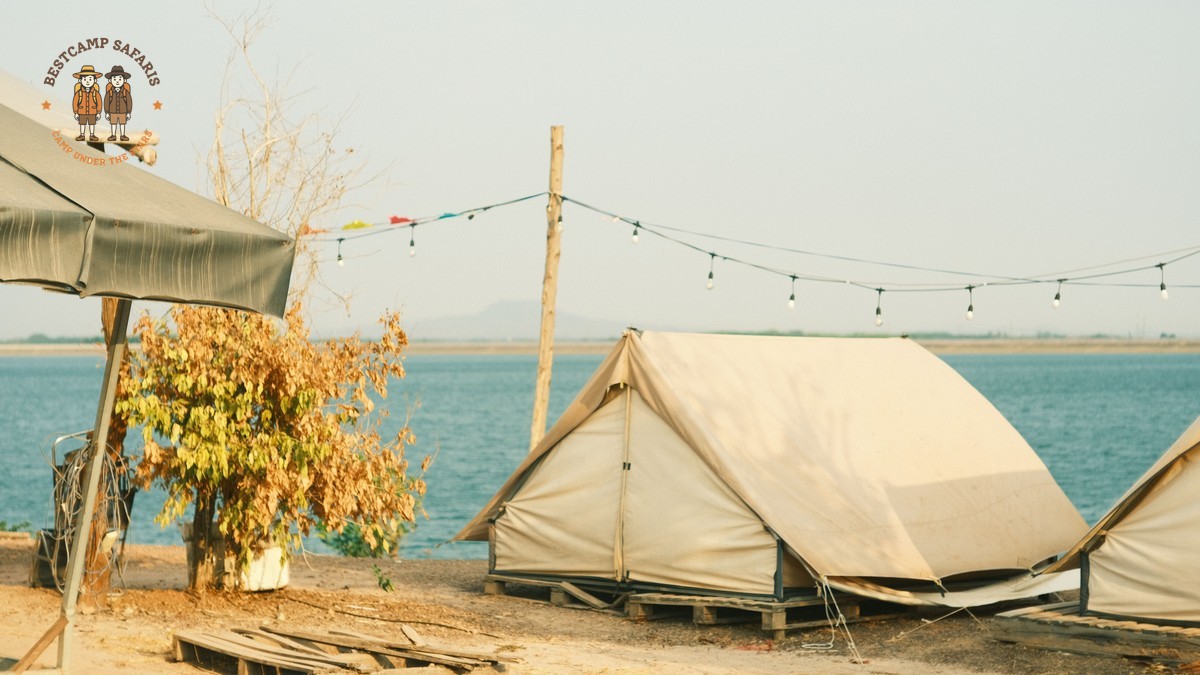
Your first afternoon at a mobile tented camp in Naboisho Conservancy usually includes a short briefing. A manager shows you the canvas shower stall, the pulley that holds the bucket, and the bell or radio by your bed. The rule is simple. Zip the tent flap. Shower in the late afternoon while there is still light. If you must shower after dark, ask a staff member to wait nearby.
The danger is rarely inside the shower. It is the short walk to and from the tent in the dark. Hyenas and elephants move through unfenced conservancies after sunset. That is why camps in places like Naboisho and Mara North Conservancy treat night movement as a formal procedure. You call the askari, the camp security guard. They walk you with a torch.
Some permanent camps in the Masai Mara have plumbed showers inside a bathroom attached to the tent. At those camps, the walk is zero metres. You step from your bed to the bathroom through an internal canvas door. That changes the safety picture a lot.
What Is a Safari Bucket Shower?
A safari bucket shower uses a 10 to 20 litre bag or bucket of heated water suspended above a showerhead, with gravity providing the water pressure. Staff usually fill and heat it on request, so water is limited and showers are brief. It is simple rather than uncomfortable, but it requires agreeing on a shower time.
You do not stand under a trickle. A full bucket gives about three to five minutes of water, enough to soap, rinse, and step out. The canvas walls move a little in the wind. The water temperature depends on when staff heated it. Ask for the shower when you get back from the afternoon game drive, not after dinner.
The first time, you learn the rhythm. Wait for the water to reach your shoulders. Turn it off between soaping and rinsing. The whole shower takes four minutes. It is not a luxury spa. It is a clean, warm end to a dusty day.
Are Safari Camp Bathrooms Private and Clean?
Most permanent tented camps provide private en-suite toilets and showers, while mobile camps may use canvas bathrooms, long-drop toilets, or shared facilities. Cleanliness is normally maintained by camp staff, but standards vary by camp type. Ask whether the bathroom is en-suite, how water is supplied, and whether facilities are shared before booking.
At a permanent camp such as a lodge inside the Masai Mara, the bathroom often sits behind a wooden door attached to your tent. There is a flush toilet, a sink, and hot water from a boiler. Staff clean it twice a day. At a mobile camp in Naboisho, the bathroom may be a canvas alcove with a chemical toilet and a bucket shower. It is still private, but you share the camp’s water schedule.
Ask the right questions before you book. Is the toilet in the tent? Does the shower have hot water on request? Is the bathroom shared with other tents? These answers change how you pack and how you sleep. If you travel with kids, ask how family tents work on a Kenya safari before assuming the bathroom setup.
Is It Safe to Walk to the Bathroom at Night?
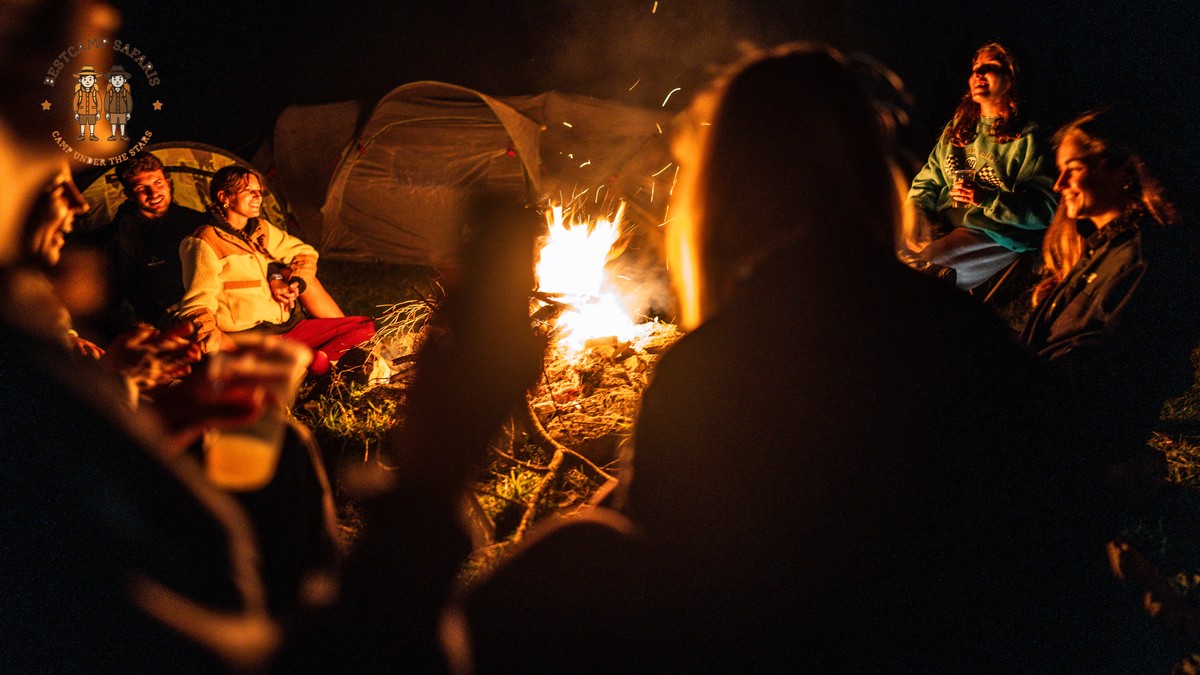
Do not walk alone to a separate bathroom after dark in an unfenced safari camp. Call camp staff and use the required escort, carrying a working torch or headlamp. Hyenas, elephants, and other wildlife can pass through camp at night, so an escorted walk is standard safety practice rather than an indication that the camp is unsafe.
I have done this walk. At 2am in a Mara North camp, I needed the loo. I clicked the radio by my bed. A voice answered. Two minutes later a torch beam swept across the canvas and a guard said, ready. We walked fifteen metres to the bathroom, single file, his light sweeping left and right. We never saw an animal. That is the goal.
The rule changes if your tent has an en-suite bathroom. Then you stay inside and use the attached toilet. No escort needed. If the bathroom is separate, the escort is not a warning sign. It is how every serious camp works after dark. Knowing who helps during safari emergencies matters here, because the guard’s radio is your lifeline.
Families with young children often carry a portable camp toilet or use the en-suite option. Check night rules for children in bush tents before you book a tent with a separate bathroom.
What Happens If You Need the Toilet During a Game Drive?
Tell the guide, who will stop at a legal, open, and carefully checked location when no proper restroom is nearby. The guide normally scans for wildlife and positions the vehicle to provide privacy. Carry toilet paper, hand sanitizer, and a small waste bag because remote stops may not have supplies or formal facilities.
You will not find a flush toilet at every viewpoint in Tsavo East. On a full-day drive from Tsavo West to Chyulu Hills, the nearest proper restroom may be an hour away. So the guide picks a flat, open spot with good sightlines. He scans with binoculars. Then you step behind a bush or use the vehicle as a screen.
Always carry your own kit. A small roll of toilet paper, a zip bag, and hand sanitizer. On remote stops, you pack out used paper. The rule is: leave nothing behind. Guides in Amboseli and Lake Nakuru follow the same practice.
How Safety Differs by Safari Camp Type
Permanent lodges usually offer the easiest bathroom access, with plumbed showers and en-suite toilets. Mobile and seasonal camps provide more basic bucket showers and may require escorted night walks, while public or self-drive camps can have shared long-drops or no shower at all. The more remote and unfenced the camp, the more strictly night procedures matter.
| Camp type | Real example | Bathroom setup | Night safety rule | Indicative cost per person per night | Park or conservancy fee |
|---|---|---|---|---|---|
| Permanent lodge | Mara Serena Safari Lodge, Masai Mara | En-suite plumbed shower and flush toilet | Use attached bathroom after dark; staff patrol the grounds | USD 350-750 full board (indicative) | Mara Reserve fee: USD 200 adult/day Jul-Dec, USD 100 Jan-Jun |
| Mobile tented camp | Naboisho Conservancy mobile camp | En-suite canvas bucket shower and chemical toilet | Escort required for any tent-to-bathroom walk after dark | USD 450-900 all-inclusive (indicative) | Conservancy fee roughly USD 80-150/person/night, bundled |
| Public/self-drive camp | Tsavo East public campsite near Voi | Shared long-drop toilet, cold bucket or no shower | Stay inside campsite after dark; no staff escort provided | KES 2,000-6,000 per night (indicative) | Tsavo East park fee USD 80/adult/day |
The trade-off is honest. A public campsite in Tsavo East costs far less than a lodge. You get a long-drop and a torch, nothing more. A mobile camp in Naboisho costs more but gives you private canvas, hot bucket water, and a guard who walks you to the bathroom. A permanent lodge removes most of the night risk because the bathroom is attached. You choose how much real bush you want in exchange for convenience.
What to Pack for Safe Safari Showers and Bathroom Trips
Pack a headlamp or reliable torch, spare batteries, shower sandals, quick-drying toiletries, toilet paper, hand sanitizer, and a small waterproof bag. Use footwear around shared or outdoor facilities, keep the torch on during night walks, and avoid carrying food. Follow staff directions instead of relying on personal comfort or visibility.
A headlamp is better than a torch because it leaves both hands free for the zip and the radio. Bring two sets of batteries. Sandals protect your feet from wet canvas floors and shared shower trays. A small waterproof bag keeps your toilet roll dry during a bucket shower.
Pack light but pack the right things. You do not need five hair products in a mobile camp. You need a quick dry towel, a zipped pouch, and a headlamp that works. Most camps provide soap. Some provide shampoo. Check before you fly.
The BestCamp Safaris Difference
BestCamp Safaris does not send you into the bush without instructions. Before you leave, your trip manager asks about bathroom preferences, walking speed, and any fears about the dark. We then match you to a camp that fits. A family with a five year old gets an en-suite family tent. A couple wanting wildness gets a mobile camp with a known askari system.
On the ground, our guides repeat the camp rules and check your torch. We keep a radio in the vehicle and with the camp. If a shower is not hot or a lantern fails, we sort it before dark. The goal is simple: you sleep well, you shower safe, and you walk to breakfast with dry feet.
Frequently Asked Questions
Are safari camp showers safe?
Yes, safari camp showers are normally safe when used during the camp’s recommended hours and according to staff instructions. Keep the shower zipped, avoid walking outside alone, and ask for an escort if the bathroom is separate or it is already dark.
Is it safe to walk to the bathroom at night on safari?
Only walk to a separate bathroom at night with a camp escort. Wildlife can move through unfenced camps after dark, so staff use torches and follow established routes to reduce the risk of an encounter.
Do safari camps have hot showers?
Many lodges and permanent tented camps have hot, plumbed showers, while mobile and seasonal camps often heat water for a bucket shower on request. Ask staff to prepare the water at a specific time because hot water may not run continuously.
What is a bucket shower on safari?
A bucket shower is a suspended bag or bucket of heated water connected to a simple showerhead. It provides a short, low-water shower without permanent plumbing and is common in mobile bush camps.
Can wild animals enter safari camps at night?
Wild animals can pass through some unfenced safari camps at night, although staff design the camp and operating rules to reduce encounters. Stay inside your zipped tent when instructed, do not walk alone, and never leave the tent for a shower or toilet without the camp’s approval or escort.
Plan Your Safari Camp Nights with BestCamp Safaris
Still wondering how safe are safari camp showers? The best answer comes after a real conversation about which camp fits you. Plan your Kenya safari with BestCamp Safaris and we will walk you through bathroom setups, camp types, and night rules before you book.


