
 Wildlife Tours
Can safari camps handle CPAP machines? Yes, and the good news is that a CPAP does not rule out a Kenya safari. The real question is not whether animals will wake you. It is whether your tent has a usable outlet beside the bed at 10 p.m. At a mobile tented camp, that answer can change from one night to the next. The generator may shut down at 10:30 p.m. After that you hear canvas, cicadas, and a night watchman walking the paths. You need a plan that works with that rhythm, not against it.
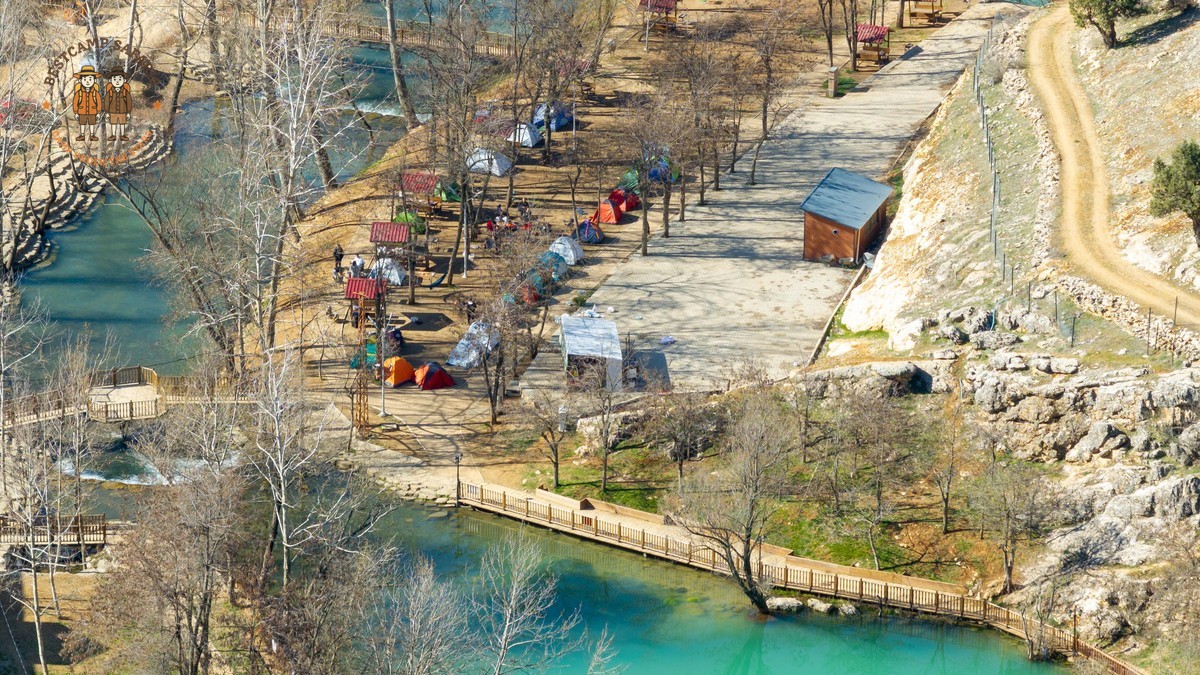
You also need to know what mobile camping actually means day to day. Some camps have canvas walls, bucket showers, and a charging table near the mess tent. Others are permanent lodges with 24-hour power. BestCamp Safaris can confirm the details before you book. This guide covers the questions that matter most for CPAP users and other medical devices.
Can Safari Camps Handle CPAP Machines and Provide Electricity?
Yes, many safari camps can support a CPAP, but electricity is not guaranteed in the same way as at home. Camps commonly use generators or solar systems, and some switch power off overnight or experience interruptions. Ask whether your specific tent has a usable outlet beside the bed, whether power runs all night, and whether staff can recharge a backup battery.
The main issue is that a safari camp can mean three different things. A permanent lodge may have wired power and an inverter backup. A seasonal tented camp usually runs a generator on a fixed schedule. A mobile camp may move every few days and rely on a small generator or vehicle battery. You need to know which kind of camp you are booking.
| Destination / access point | Road distance from Nairobi | Approx drive time | Current non-resident access fee | What to ask about CPAP power |
|---|---|---|---|---|
| Masai Mara National Reserve, Sekenani Gate | about 250 km | 5 to 6 hours | USD 100 Jan to Jun, USD 200 Jul to Dec, county-run, not KWS | Generator hours, bedside socket, solar backup, battery charging at reception |
| Amboseli National Park, Ol Tukai area | about 225 km | 4 to 5 hours | USD 90, KWS | Lodge inverter schedule, tented camp overnight power, outlet distance from bed |
| Lake Nakuru National Park | about 160 km | 2.5 to 3 hours | USD 90, KWS | Stable lodge power, generator cutoff at tented camps |
| Mara North Conservancy, private | about 280 km | 5 to 6 hours | USD 80 to 150 per person per night, bundled into lodge rate | Own solar or generator system, supervised battery charging, 12V vehicle outlet |
The table shows why one camp is not like another. A permanent lodge in Amboseli or Lake Nakuru may have power close to a small hotel. A seasonal tented camp in Mara North may run a generator from 6 p.m. to 10 p.m. and again from 5 a.m. to 7 a.m. A mobile camp may have no bedside outlet at all and a single charging station in the mess tent. None of this means you cannot use CPAP. It means the camp and the backup plan must be chosen together.
At 5 a.m., before the first game drive, the ground under canvas is cold and full of birdsong. If your battery has been charging overnight at reception, this is the time to collect it. Staff often start packing the bush breakfast boxes around 7 a.m. You want to set your CPAP gear in order before the vehicle leaves, not while the camp is breaking down.
What Backup Power Should You Bring for a Safari CPAP?
Bring a CPAP-compatible battery or portable power station even when a camp promises electricity. A battery protects you from generator shutdowns, outages, and inconvenient charging hours. Confirm your machine’s wattage and connector first, then test the complete setup at home. A DC cable usually wastes less energy than running an inverter.
A backup battery is not just for mobile camping. Even lodges with generator backups can lose power during a storm. In a tented camp, the generator may be off when you go to bed. A portable CPAP battery lets you sleep through the downtime.
Check your machine before you buy anything. Many travel CPAP models run on 12 volts or 24 volts through a manufacturer DC cable. Using that cable wastes less energy than plugging the normal AC adapter into an inverter. If you do use an inverter, size it for the machine’s startup draw, not just its running watts.
Battery capacity varies. A typical travel CPAP battery might store 100 to 150 watt-hours. That could give one to three nights of therapy if you turn off heated humidity and use a lower pressure setting. With heated humidity and high pressure, the same battery might last only one night or less. Test the full setup at home before you travel.
Many travel CPAP batteries weigh between 0.7 and 1.5 kilograms. Prices usually fall in the range of USD 250 to 450, but this varies by brand and model. We do not quote a firm battery price until your exact CPAP model is confirmed. Carry the battery in your hand luggage if its lithium rating allows. Label it as medical equipment and check the airline policy before departure.
If CPAP is one of several health needs, also read how safari camps handle specific health and comfort needs. That page covers allergies, dietary needs, and other medical details that affect your packing choices.
How to Charge a CPAP During a Kenya Safari
Charge your CPAP battery whenever the camp generator or vehicle power is available, rather than waiting until bedtime. Ask the camp whether batteries can be left at reception, whether charging is supervised, and whether the safari vehicle has a suitable 12-volt outlet. Carry the correct adapter, cable, and a backup charging plan between camps.
Kenya uses 240 volts and type G three-pin plugs, the same as the United Kingdom. A dual-voltage CPAP machine may need only a plug adapter. A machine without dual voltage will need a converter, but most modern CPAP devices are dual voltage. Check the power label on the adapter before packing.
In a camp with a 6 p.m. to 10 p.m. generator window, plug in the battery at dinner. Do not wait until bedtime. Ask if you can leave the battery at reception overnight, where staff can supervise it. Many camps will do this. Ask whether the safari vehicle has a usable 12-volt outlet for daytime top-up. Do not assume every vehicle has one. Vehicle charging is best as a backup or daytime top-up, not your only source.
A shared charging table can be busy after dinner. If your tent does not have a bedside outlet, ask whether the camp can run a safe extension lead from the charging station to your tent. Some camps allow this only under supervision. Others prefer to keep your battery at reception. The answer depends on the camp’s wiring and safety rules.
Before you book, read how safari tent facilities and practical arrangements work so you know whether the charging station is inside the tent or in a shared lounge. That small detail changes how you pack and how much battery capacity you need.
Can You Use a CPAP Humidifier in a Safari Camp?
You can usually use a CPAP humidifier, but heated humidification consumes substantially more power and may shorten battery runtime. If your clinician and machine allow it, disabling heat or using a lower setting makes off-grid operation easier. Use safe drinking or bottled water as appropriate for your device, empty the chamber each morning, and follow the manufacturer’s cleaning guidance.
Heated humidity can draw a lot of power. On a battery, it can cut your runtime by half or more. If your clinician says it is safe, use the humidifier without heat or with heat off. In a dry camp, this may be enough. If you need heat, choose a camp with reliable overnight power or carry a larger battery.
For the water chamber, use only water your CPAP manufacturer recommends. Many travelers use safe bottled drinking water when distilled water is not available. Empty the chamber every morning and let it air dry. Clean it with soap and clean water as directed. Do not use water from the camp tap or from the safari vehicle unless it is labelled safe for drinking.
Camp staff are used to pouring hot water for coffee and showers. They are not used to preparing CPAP water. Keep your water bottle and cleaning supplies in a dry bag. At a mobile camp, your tent may have no shelf. A small packing cube keeps the humidifier off the canvas floor and away from dust.
What to Confirm with Your Safari Operator Before Departure
Provide your exact CPAP model before departure and request a written power plan for every overnight stop. Confirm generator hours, outlet location, voltage and plug compatibility, battery charging arrangements, vehicle charging, luggage limits, and what happens during an outage. Also tell the operator about oxygen concentrators, nebulizers, refrigeration, or any other medical device requiring power.
Ask these questions before you pay your balance:
- Send the exact CPAP model and its power draw, not just the brand name.
- Ask for a written power plan for each overnight stop.
- Confirm generator or solar hours and whether the outlet is bedside.
- Confirm battery charging at reception and whether it is supervised.
- Confirm the plug type and voltage in each camp and vehicle.
- Ask about luggage limits if you add a battery, spare mask, and cleaning supplies.
- Tell the operator about oxygen concentrators, nebulizers, or refrigerated medication.
- Ask what happens during an outage or a late game drive return.
These details sit alongside two practical pieces of trip planning. Read how safari tent facilities and practical arrangements work so you know what a shared charging area or private tent outlet looks like in real life. And if you travel as a couple or family, read how tent layouts and sleeping arrangements work on safari to make sure the outlet reaches the right bed.
The BestCamp Safaris Difference
BestCamp Safaris treats a CPAP as core medical equipment, not a packing afterthought. Before you commit, we ask for your CPAP model and the pressure or power draw you use. Then we contact every camp on your route and confirm three things: whether the generator or solar system runs all night, whether the sleeping tent has an outlet beside the bed, and whether staff can charge a backup battery at reception or in the vehicle. We write down the answer for each night and send it to you before you pay your balance.
We have slept in mobile tented camps. We know that walking into camp after dark by lamplight is part of the experience. We also know that the same lamp does not charge a CPAP. Our job is to separate the romance of canvas from the practical need for power.
If your route includes different parks, we match camp choice to your power need. If you want heated humidification, we may steer you toward permanent lodges or camps with reliable overnight solar. If you are comfortable with a battery and a cooler humidifier setting, seasonal tented camps and mobile camps become easier. Either way, the plan is written down, not left to chance.
Frequently Asked Questions
Can I take a CPAP machine on an African safari?
Yes. A CPAP can be taken on an African safari, but it should be treated as essential medical equipment rather than ordinary electronics. Keep it protected in your hand luggage, check voltage and plug requirements, and bring a compatible backup battery because remote camps may have limited or interrupted electricity.
Do safari camps have electricity for CPAP machines?
Many safari camps provide electricity through generators or solar systems, but availability varies by property and season. Some camps operate power only during set hours, while others may have occasional outages. Ask whether electricity reaches the sleeping tent overnight and whether a bedside outlet is available.
Do I need a battery for my CPAP on safari?
A backup battery is strongly recommended, especially for mobile camping or camps with limited generator hours. Choose one designed for your CPAP model and size it using the machine’s real power consumption, particularly if you use heated humidification. Test it for a full night before travel.
Can I charge my CPAP from a safari vehicle?
Sometimes, but do not assume every vehicle has a suitable outlet or enough charging time. Ask your operator whether the vehicle provides a working 12-volt socket and whether your CPAP battery or DC cable is compatible. Vehicle charging is best treated as a backup or daytime top-up, not your only power source.
Can I use bottled water in my CPAP humidifier?
Use only water permitted by your CPAP manufacturer, and confirm the advice with your healthcare provider if uncertain. Travelers commonly use safe bottled drinking water when distilled water is unavailable, but the humidifier should be emptied and cleaned regularly. Never use untreated or questionable water in the chamber.
Plan Your CPAP-Safe Safari
Tell us your CPAP model, your travel dates, and whether you prefer a permanent lodge or a tented camp. We will send you a written power plan for every stop before you pay your balance. Plan your CPAP-safe Kenya safari with BestCamp Safaris on the contact page.


