

 Adventure Tours
Can safari tents lock from inside? The short answer is yes, often, but it is less about the lock and more about the camp. A Kenya safari tent closes with a heavy canvas door and two zipper pulls. You can secure those zippers from inside your bed with a small padlock, a cable lock, or even a shoelace. But most mobile camps in the Mara and Amboseli do not want guests using a lock that could trap them in an emergency. Real security comes from the staff, the camp rules, and the wildlife routine, not a brass padlock.
At 5am in a mobile camp in Mara North Conservancy, the ground outside your tent feels cold and damp under bare feet. You unzip the door with both hands, one pull for the canvas and one for the mosquito mesh. A Maasai askari is already walking the perimeter, carrying a red lensed flashlight and a radio. You are not alone, and that matters more than any lock.
How a Safari Tent Door Actually Closes
A safari tent is not like a nylon dome tent from a campsite. The walls are heavy canvas, often double layered with insect mesh. The outer flap zips closed from top to bottom, then meets the other pull at the middle. Inside there is usually a second mesh door that zips separately. Some permanent tents add a wooden frame or screen door. A few high end suites at places like Tortilis Camp in Amboseli have a solid door with a latch. Most, however, use paired zippers.
That matters when you ask, can safari tents lock from inside? The answer depends on what kind of lock you mean. A zipper is a closure, not a lock. Paired zipper pulls often have small holes in the metal tabs, and you can thread a cord, a cable, or a small padlock through them to secure the pulls together. Some mobile camps also sew a canvas loop near the door frame for a sturdier hold.
Can Safari Tents Lock From Inside? The Three Ways
Yes, a safari tent can be locked from inside, and you have three practical options. Each works better in a mobile camp than a hotel room because the whole door is within arm’s reach from the bed.
The first way is a shoelace or cord. Tie the two zipper pulls together with a simple knot. This stops a casual pull from outside, and it comes undone in one second if you need to leave quickly. Many BestCamp Safaris guests find this is all they want at night.
The second way is a small padlock. A brass luggage lock fits through the holes in the zipper pulls. Keep the key on your wrist or under the pillow, never in the outside pocket. This gives a clear physical barrier, but you must be able to reach the key in the dark.
The third way is a flexible cable lock. Thread it through both zipper pulls and around a fixed loop if your tent has one. This is the strongest option and the slowest to remove. We tell guests to avoid it at night unless they have practiced opening it blindfolded.
The Emergency Exit Trade-Off
Here is the part most travel guides skip. A locked tent door can become a problem fast. Canvas catches fire quickly, and a hot inverter, a knocked over lantern, or a shorted charging cable can turn a tent into a furnace in under a minute. If a cable lock is threaded through a steel loop, you may not get out in time.
That is why many Kenya camp managers discourage locks at night, telling guests to keep a torch, a whistle, and a clear path to the door. At camps like Kicheche Bush Camp in the Mara, night staff walk a circuit every half hour. The lock is mostly for peace of mind, not a serious barrier.
Wildlife does not try to open zippers. A hyena sniffing outside your tent is not fumbling with the door pull. The sound of canvas moving at 2am is usually wind or a genet on the roof. Locking the zippers will not change that.
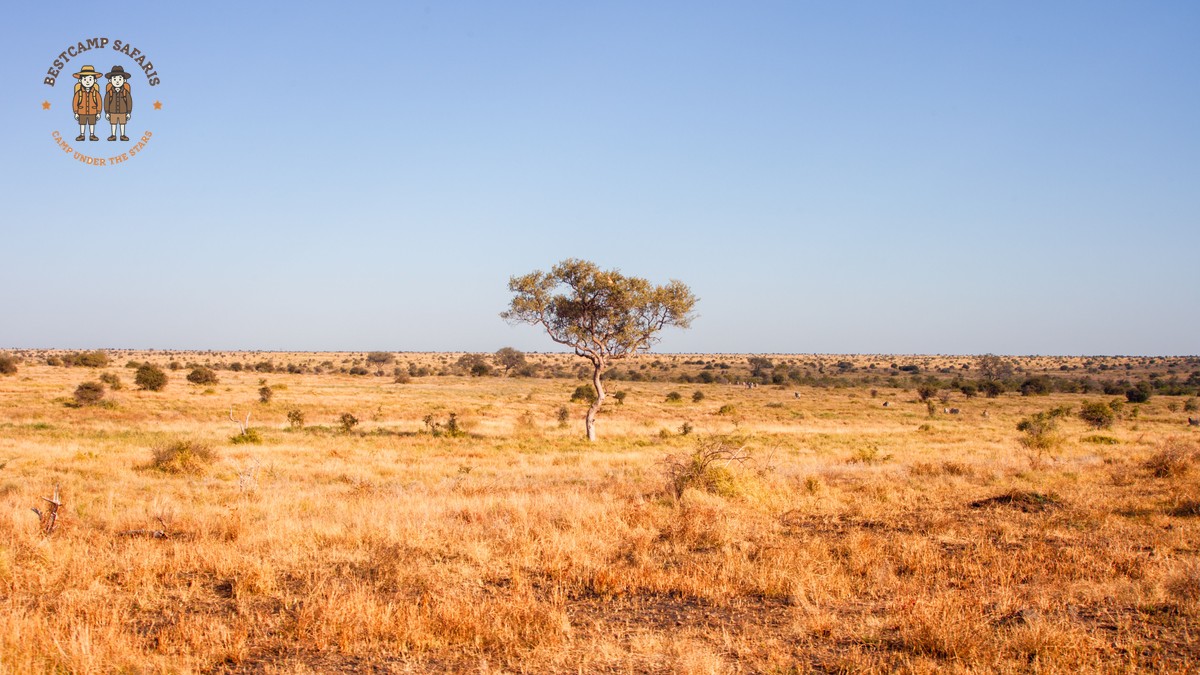
What Actually Keeps You Safe at Night
The best security system on a Kenya safari is the camp procedure, starting before dinner and continuing until dawn.
After the evening meal, a Maasai or Samburu askari walks you back to your tent, shining a red lens torch at the path, not at your eyes. You step over the threshold, zip the door, and call out that you are inside. The askari checks the outside lamp, then continues his rounds. Staff quarters are rarely more than 50 metres away, so you will hear low voices until late.
Inside the tent you get a whistle, a small torch, and sometimes a radio. Blow the whistle or call on the radio and help arrives in under two minutes, faster than any hotel front desk.
This level of care is why a mobile camp in Naboisho Conservancy often feels safer than a permanent lodge. The staff count is small, and everyone knows your name and tent number. For more, read our post about how private a mobile camp in Kenya really is.
The same system protects families and solo travelers. Our guide on how safe a Kenya safari is for families explains the camp routines in plain terms. We also share practical Kenya safari safety advice for women, because “is it safe” depends on the camp you choose, not the tent lock.
Do Kenya Camps Provide Locks? What We Supply
The short answer is some do, some do not. BestCamp Safaris supplies a small brass padlock and a nylon cord to every mobile camp guest at check in. You do not need to bring your own. The lock is for your duffel bag by day and the tent zippers at night if you want it.
Permanent tented suites vary. Offbeat Mara in Mara North has a locking latch on the door. Serian’s main camp uses zips but provides a lock in the bedside drawer. Glamping units at Mahali Mzuri in Olare Motorogi Conservancy have framed doors with a proper key lock and a solid wooden threshold. When you book with us, we tell you exactly what your camp has, so you do not carry a lock you never use.
Mobile camps in private conservancies tend to be simpler, with zipper doors and a padlock supplied. Permanent suites often add a latch or framed screen. Glamping units may have a real lockable door, but you pay more for that comfort.
Valuables and Tents: A Better System Than a Padlock
Locking the tent door is one layer. A smarter layer is to stop carrying valuables you do not need.
On a Kenya safari, you need very little cash. Tips are settled at the end, and park or conservancy fees are prepaid or paid by card. You need a phone, a camera, a passport, and a small amount for curios.
Inside the tent you will find a lockable steel trunk or a canvas pouch with a tiny padlock. Use it for the passport, the camera, and spare cash. Some camps keep a main safe in the manager’s tent instead, but we prefer the in tent trunk because you can reach it without walking through camp in the dark.
Record serial numbers and photograph your documents before you travel. No lock on a tent door will stop a determined thief, and someone who cuts through canvas to rummage through your bag will not be deterred by a padlock. The camp’s real deterrent is the staff, the open layout, and the fact that everyone sees everyone.
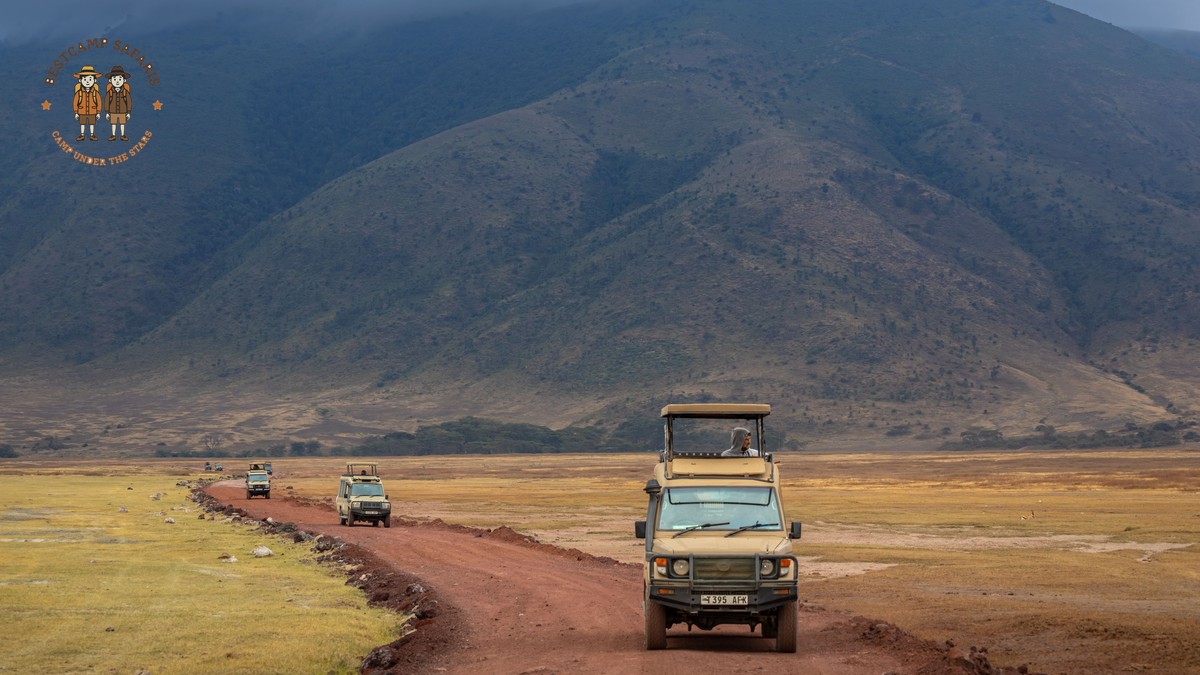
Mobile Camp vs Permanent Tent vs Glamping: A Quick Comparison
The table below compares three common Kenya safari lodging types. Prices are indicative per person per night, full board, 2026 high season ranges. Drive times are from Nairobi.
| Camp type | Example location | Door closure | Can you lock from inside | Lock supplied | Night security | Drive time from Nairobi | Indicative cost per person per night |
|---|---|---|---|---|---|---|---|
| Mobile tented camp | BestCamp Mobile Camp, Mara North Conservancy | Double zipper with mesh inner | Yes, with cord, padlock, or cable | Yes, padlock and cord at check in | Maasai askari patrols every 30 min, radio contact | 250 km, about 5.5 hours by road | $350 to $600 |
| Permanent tented suite | Tortilis Camp, Amboseli National Park | Zipper plus wooden frame or screen | Yes, with padlock or built in latch | Yes, most provide a latch or lock | Askari patrol, main lounge staffed at night | 240 km, about 4 hours by road | $600 to $900 |
| Glamping unit | Mahali Mzuri, Olare Motorogi Conservancy | Solid framed door with key lock | Yes, standard key lock | Yes, built in lock | Private security plus askari patrol | 270 km, about 6 hours by road or 45 min flight | $2,600 to $3,800 |
Mahali Mzuri’s high season rate is quoted per person sharing, so a solo traveler pays a single supplement on top. Conservancy fees for private areas like Mara North and Olare Motorogi run roughly $80 to $150 per person per night, usually bundled into the lodge rate. The Masai Mara National Reserve charges $100 per adult daily from January to June and $200 from July to December. Amboseli National Park charges $90 per adult per day. Those are separate park entry fees, not charges for your tent door.
The BestCamp Safaris Difference
When you ask us, can safari tents lock from inside, we treat it as a question about trust. A lock is a tool. Trust is a system.
Our mobile camps in Mara North and Selenkay Conservancy near Amboseli are built around a simple rule. Never walk to your tent after dark alone, and never feel trapped inside it by a lock you cannot open fast.
We supply the padlock and cord at check in and show you how to thread the zipper pulls on day one, in daylight. We walk you back to your tent every night and confirm the radio works before we leave. Your passport goes in the steel trunk, your camera stays charged on the table, and your door zipper closes with a cord or padlock you can remove in two seconds.
That is the difference. We do not promise a brass lock makes a tent as secure as a bank vault. We promise the camp around you is run by people who know every guest and every tent by its zipper pull.
Plan Your Night in the Bush With Us
The question of whether safari tents lock from inside is easier to answer when you know the camp and the routine. We can tell you what your tent door will look like, what lock is supplied, and how the askari walk the paths after dark.
Plan your Kenya safari with BestCamp Safaris today. We will match you with a tent, a conservancy, and a camp routine that fits how you travel. Visit our contact page to ask about tent security, camp distances, or nightly wildlife protocol. We will answer with the same detail we would give a friend.


