 Adventure Tours
Most safari guides are written for English speakers. This one is for Avar speakers from Dagestan, Azerbaijan, and anywhere else who want to sleep under canvas and wake to the sound of lions. I have slept in mobile camps in Kenya. I know what the ground feels like at 5am before a game drive, and how the camp kitchen smells when the cook boils water over a fire. This guide covers what avar speaking travelers mobile camping in Kenya actually face, from the first booking question to the night the tent comes down.
What a Mobile Camping Safari Is
A mobile camping safari is a private or small-group trip that moves with you. The crew packs tents, beds, a kitchen, and bucket showers into a support vehicle. The camp sets up in one wild area for two or three nights, then breaks down and moves to another place.
You sleep in a walk-in canvas tent on bare dirt, short grass, or a cleared patch of sand. The bathroom is often a separate tent with a bucket shower and a portable toilet. At night you hear zips, canvas flapping, and the far-off cough of a hyena.
A fly-camp is a lighter version, with no full kitchen, just a fire, a few small tents, and a simple toilet. Fly-camps move faster and sit deeper in the bush.
How the Camp Moves in Kenya
A mobile camp works best where a support truck can reach the site. The crew leaves before you in the morning, so by the time your game drive ends, the tents are up and dinner is being prepared.
Kenya has several places where mobile camping works well, each with different driving times and park fees. The table below shows non-resident fees for 2026.
| Area | Distance from Nairobi | Drive time | Non-resident daily park fee | Camping feel |
|---|---|---|---|---|
| Masai Mara National Reserve | 240 km via Narok | 5 to 6 hours | USD 100 Jan to Jun, USD 200 Jul to Dec | High wildlife, busier in peak |
| Amboseli National Park | 230 km | 4.5 to 5 hours | USD 90 | Open plains, clear Kilimanjaro views |
| Tsavo West National Park | 250 km via Mtito Andei | 5 to 6 hours | USD 80 | Red soil, big wild spaces |
| Naboisho Conservancy | 270 km via Narok and Talek | 5.5 to 6.5 hours | roughly USD 80 to 150 per person per night, bundled | Private, few vehicles |
Naboisho Conservancy is not a national park, so its fee is bundled into the camp rate. The Mara Reserve fee is set by Narok County, not KWS.
Mobile Camping vs. Permanent Tented Camps vs. Lodges
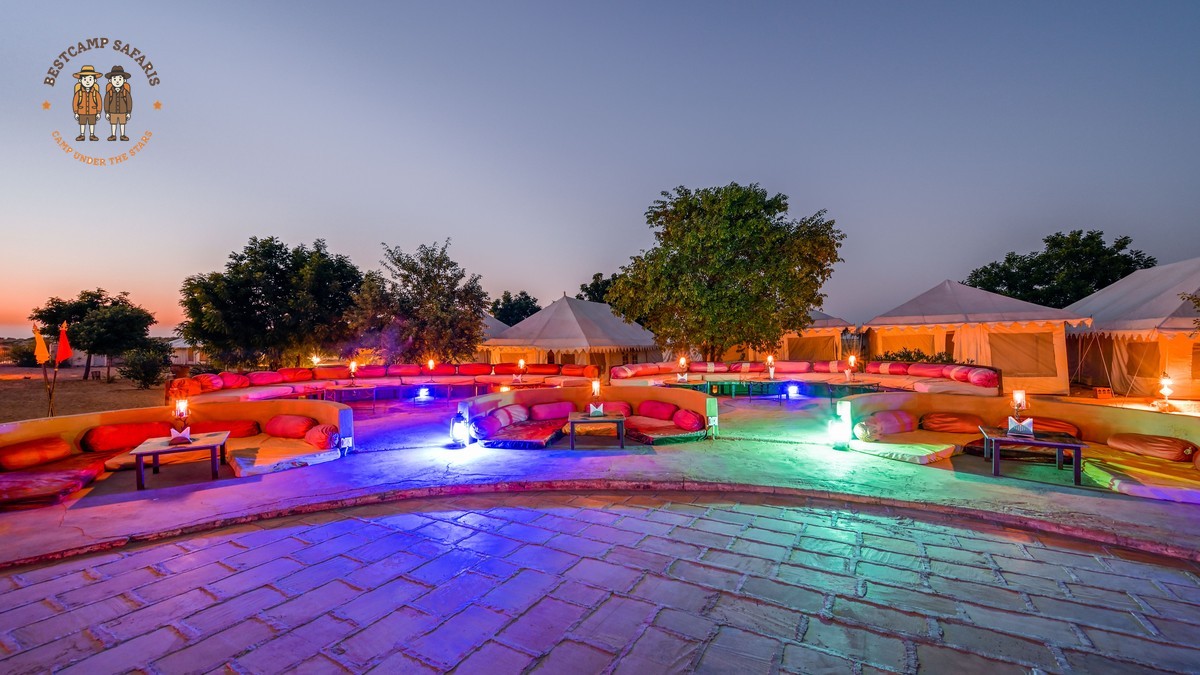
A permanent tented camp has a fixed site with plumbed bathrooms and concrete walkways. A mobile camp moves with you, into private conservancies where few lodges are allowed, or near a river crossing or a known lion territory.
The trade-off is fewer fixed amenities. The shower is a canvas bucket hoisted on a branch or frame. The toilet is a private portable unit behind a screen. Privacy is not like a hotel wall, and you will hear the next tent. In exchange, you get stronger wilderness access and a crew that knows the exact ground you are sleeping on.
A private mobile camp means only your group uses the site. A scheduled mobile camp may have several tents side by side, so ask before booking which one you will get.
A Typical Day in a Mobile Camp
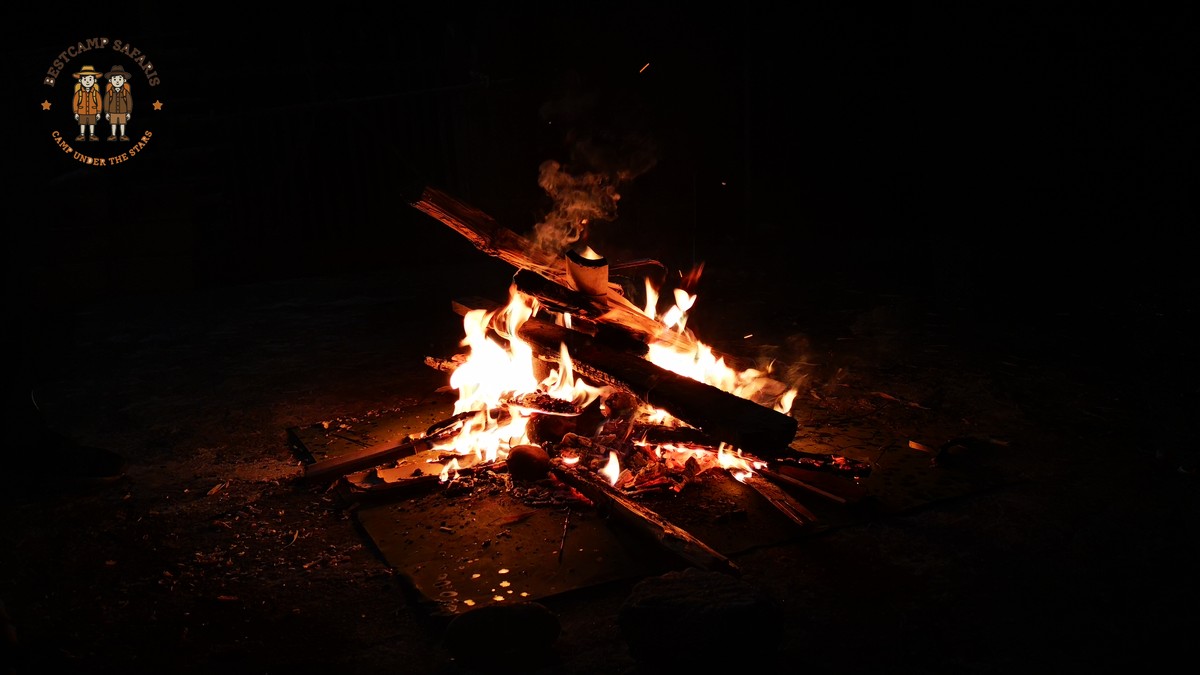
The day starts early. At 5am you hear a quiet voice outside the tent. A basin of warm water sits on a small table, and the fire is already lit.
The first game drive leaves around 6:30am. You return to camp or stop for a bush breakfast under an acacia, with eggs, fruit, sausages, and thermoses from a folding table.
Midday is for rest. The camp is hot and quiet, and a ground squirrel may run between the guy ropes. At 4pm you leave for a shorter drive or a guided walk if the area allows it. You come back at 7pm, when the lanterns are on and dinner is served at a long table under the stars. Afterward, staff check the tent ropes and an askari stays near the fire all night.
Wildlife Viewing and Where Mobile Camps Go
Mobile camps are not tied to one lodge circuit. In the Masai Mara, a camp can set up near the Mara River during the migration. In Amboseli, you can camp where elephants cross the plains every evening. In Tsavo West, you can park near a waterhole and listen to buffalo move through the bush at night.
Private conservancies like Naboisho and Mara North offer night drives and guided walks, which are not allowed inside most national parks. You may see lion tracks in camp before breakfast, not just from a game-drive vehicle.
Language Help for Avar Speaking Travelers Mobile Camping in Kenya
Let me be honest. Avar is not widely spoken in Kenya. Most Kenyan safari guides speak English, Swahili, and sometimes another European language. You should not expect to find an Avar-speaking guide on the ground.
But BestCamp Safaris can still make the trip work. For private bookings we can arrange a Russian-speaking driver-guide, since many Avar-speaking travelers use Russian as a bridge language. We can also prepare a short Avar-English phrase sheet before you land, formatted into a card you can show your guide.
We can take booking questions in Russian or written Avar through WhatsApp and route the text to a translator. The camp routine is visual enough that you will not need long conversations. Most instructions are simple: follow this path, do not walk alone, be back before dark.
Meals, Drinking Water, and Camp Facilities
The camp cook prepares three hot meals a day in a bush kitchen, including soup, rice, chapati, grilled meat, vegetables, and fruit. Vegetarian, halal, and gluten-free requests can be noted at booking.
Drinking water is filtered or bottled at most camps, but always confirm the source before you arrive. Read more about drinking water at safari camps if you want to know how it is treated. Shower water is heated over a fire and poured into a canvas bucket, released with a chain or small tap. The toilet is a private portable unit, often called a short-drop. Tents zip closed from the inside, and you can bring a small travel lock for the zipper pulls.
Private vs. Scheduled Mobile Safaris
A private mobile safari gives you control over the dates, the route, and the language support, with the same vehicle and crew for the whole trip. A scheduled mobile safari puts you in a small group with set dates. The cost is lower, but the guide usually speaks English only, and the route is fixed.
For Avar-speaking travelers, I recommend a private mobile safari. It costs more, but it lets the language bridge work properly, without a driver rushing to a fixed group schedule.
What Mobile Camping Costs in Kenya
Mobile camping is not the cheapest way to see Kenya, but it can be cheaper than a high-end lodge. The price depends on whether you join a group, go private, or add a fly-camp.
| Safari style | Indicative nightly rate per person sharing | What it usually includes | Notes |
|---|---|---|---|
| Basic scheduled mobile camping | USD 250 to 350 | Tent, meals, guide, shared vehicle | Park fees extra |
| Midrange private mobile camp | USD 400 to 600 | Private crew, vehicle, all meals, water | Conservancy fees may be bundled |
| Fly-camp upgrade | USD 80 to 120 per night add-on | Light camp, open-air star bed area | Remote, more basic |
For a full breakdown, read our guide to Kenya mobile camp prices and what the rates include. Park fees are added on top in most cases. The Mara Reserve fee alone is USD 100 or USD 200 per adult per day, depending on the season.
Best Time to Go
The Masai Mara is busiest from July to October, when wildebeest herds cross the Mara River and the park fee jumps to USD 200 per adult per day. January and February are drier and less crowded. March to May is the long rains, when some mobile camps close.
Amboseli is good from July to October and again from January to March, when the plains are dry and elephants gather near the swamps. For a season-by-season breakdown, see our guide to the best time for a Masai Mara safari.
For mobile camping, choose the dry months. Setup is easier and the roads are firmer. Nights in the Mara and highland areas can be cold even in dry season, so bring a fleece and a warm hat.
Safety and Practical Logistics
Mobile camping in Kenya is safe when you follow the camp rules. Do not walk alone at night, stay within the lantern line, and keep food out of your tent. The askari and crew watch the camp while you sleep.
You will usually fly from Nairobi Wilson Airport to a Mara airstrip or drive from Nairobi. The drive is long but scenic, while a domestic flight saves time and avoids a rough road.
Payments can be made by card through a secure payment link. Bring some US dollars in small notes for tips and cash-only stops.
What to Pack
Pack light and soft. A hard suitcase does not fit well in a support vehicle.
- A soft duffel bag, not a hard case
- Neutral clothes for drives, a fleece for mornings
- A lightweight rain shell
- A headlamp with extra batteries
- A dry bag for dust and camera gear
- Personal medication, lip balm, sunscreen
- A small travel lock for tent zippers
- A power bank for charging devices
Skip bright white clothes, since they show dust and can alarm wildlife. Long sleeves help against insects and sun.
The BestCamp Safaris Difference
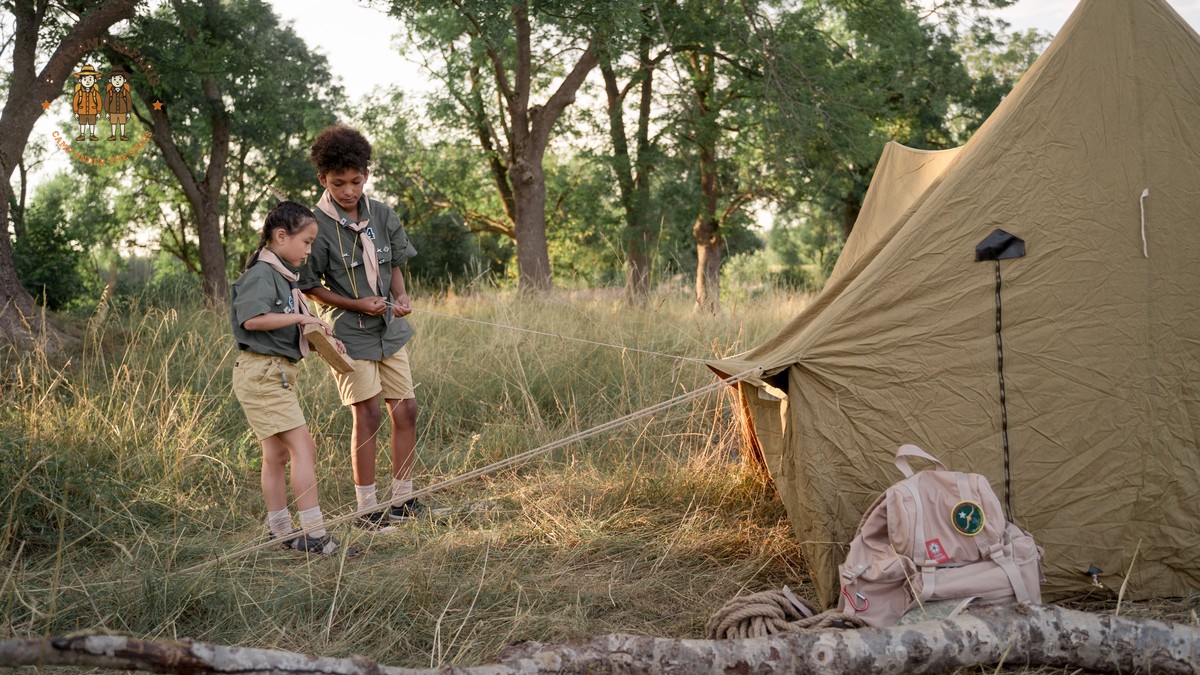
BestCamp Safaris runs mobile camps with the same crew from setup to breakdown. That routine matters. The team knows where to place the mess tent for shade and which guy ropes need extra tension. You are told what the camp will actually look like.
We work with avar speaking travelers mobile camping in Kenya by coordinating language support before you leave home. You can ask questions in Russian or written Avar, and you get a phrase sheet, a clear route card, and a driver-guide who knows the plan. We show park fees as a separate line, not a hidden cost. A mobile camp will not have a spa, a wine cellar, or a concrete pool. It will have cold mornings, hot dust, warm canvas, and a kind of quiet that lodges cannot buy.
Plan Your Mobile Camping Safari
If you want to sleep in a private conservancy or follow the migration with a camp that moves, we can help. Start with the contact page and tell us your travel dates, group size, and language needs. We will reply with route options, a sample camp setup, and an honest price range.


