 Wildlife Tours
You have already done the classic lodge safari. You sat on a deck, watched elephants at a waterhole, and ticked off the Big Five from a Land Cruiser. Now you want something deeper. This telugu speaking travelers kenya safari guide covers Samburu, Laikipia, Meru, and the Chyulu Hills, plus flights, food, and cost details for return visitors.
I have slept in mobile tents on the ground. I know what the canvas sounds like at 2am when a hyena walks past. I also know what it feels like to walk into camp after dark by lamplight, tired but very alive. That is what this guide prepares you for.
Telugu Speaking Travelers Kenya Safari Guide: What You Will Find Here
This guide is built for Telugu speaking travelers who have already seen the classic Kenya lodge circuit and want more. You will find flight routes from Hyderabad, Vijayawada, and Vizag, honest food details, visa steps, and real prices in USD. Every section names real camps, real parks, and real costs so you can plan with confidence.
Flights and Routing from Hyderabad, Vijayawada, and Vizag
There are no direct flights from Hyderabad to Nairobi. You will connect through Mumbai, Doha, or Abu Dhabi.
Here are realistic options as of 2026:
| Route | Airline Example | Total Travel Time | Typical Layover |
|---|---|---|---|
| Hyderabad to Nairobi via Mumbai | Kenya Airways | 11 to 14 hours | 2 to 4 hours |
| Hyderabad to Nairobi via Doha | Qatar Airways | 12 to 16 hours | 3 to 5 hours |
| Hyderabad to Nairobi via Abu Dhabi | Etihad Airways | 12 to 15 hours | 2 to 4 hours |
| Vijayawada to Nairobi via Mumbai or Delhi | IndiGo + Kenya Airways | 16 to 20 hours | 4 to 8 hours |
| Vizag to Nairobi via Hyderabad or Delhi | Air India + Kenya Airways | 15 to 19 hours | 3 to 6 hours |
From Vijayawada or Vizag, budget for a full day of travel. Plan to arrive in Nairobi by evening so you can sleep before your safari starts.
The fastest route from Hyderabad is via Doha with Qatar Airways. The total flight time is around nine hours of actual flying. The layover keeps it under four hours if you pick the right connection.
Kenya eTA Visa for Indian Passport Holders
Indian passport holders need an eTA, not a stamp visa. The Kenyan government moved to the electronic travel authorization system in 2024.
Apply at least two weeks before departure. The fee is USD 34 per traveler as of mid-2026. You need a passport valid for six months, a return ticket, and proof of accommodation.
Children need their own eTA. The process is simple but it requires a scanned passport photo for every person, including infants.
Do not book flights before your eTA is approved. I have seen families lose money on rescheduling when an approval took 10 days instead of three.
Vaccinations and Health Prep
Yellow fever vaccination is not mandatory for travelers flying directly from India to Kenya. India is not on the list of countries with yellow fever risk, so Kenyan immigration does not require the certificate for a direct India-to-Kenya itinerary.
The requirement applies if you transit through a yellow fever risk country, such as parts of East or West Africa, for 12 hours or more. It also runs the other direction. If your trip continues from Kenya to India, India requires proof of yellow fever vaccination from travelers arriving from at-risk countries, and Kenya is on that list. Carry your yellow card if you plan to visit India again after your safari. Confirm current rules with your airline and a travel clinic before you fly, since requirements can change.
Malaria prophylaxis is strongly recommended. The Maasai Mara, Samburu, and Laikipia are malaria zones. Most visitors from India take Doxycycline or Malarone. Start the course before you leave home.
Polio: Kenya does not require a polio booster for travelers from India. India was certified polio-free by the World Health Organization in 2014, and has had no wild poliovirus case since 2011. Some travelers arriving from countries with active polio transmission may be asked for proof of vaccination, but this does not apply to Indian passport holders. Stay current on your routine immunizations as a general health precaution.
Carry a basic first aid kit with ORS packets, paracetamol, and anti-diarrheal tablets. The camp medics handle serious issues, but minor stomach upsets are common when your body adjusts to new water and spices.
Food at Safari Camps: A Note on Andhra Heat
This is the question I get most from Telugu travelers. Can you get gongura or avakaya on safari? No.
Kenya safari camps can prepare vegetarian food, dal, rice, chapati, and mild vegetable curries. They are skilled at this because many Indian travelers visit each year. But they do not have gongura, fresh curry leaves in bulk, or the heat of a real Andhra podi.
Here is an honest trade-off. Camp kitchens approximate South Indian vegetarian meals. They give you warm idlis, decent sambar, and a daily dal. They cannot give you authentic Andhra chili heat. The fix is to pack your own podi and pickle.
Do you know what is allowed through Kenya customs? Dry powders, pickles in sealed jars, and vacuum-packed snacks are fine. Avoid fresh produce, meat, and dairy. Carry your avakaya in your checked bag, wrapped in plastic and then cloth. I have done this many times. It works.
For our detailed look at what African camp kitchens can and cannot do, read this what to expect from vegetarian and vegan safari camp food guide.
Best Time to Visit Around Sankranti and School Holidays
The Great Migration is in the Maasai Mara from July to October. That is the peak season. The park fee doubles to USD 200 per adult per day during those months.
If you want to align with Telugu school holidays, here are your options:
- Summer holidays (April to June): This is the long rainy season. The Mara is green but quiet. Prices are at their lowest. The migration is in the Serengeti, not Kenya. Amboseli is good for elephants. Expect rain in the afternoons.
- Sankranti (mid-January): This is one of the best times to visit. The short rains have ended. The grass is green. Calving season is happening in the southern Serengeti, but the Mara has good resident herds. Prices are moderate. Park fees are USD 100 per day in the Mara.
- Diwali (October to November): This overlaps with the tail of the migration. The wildebeest are leaving, but the big cats remain. Short rains start in late October. Prices drop after mid-October.
I recommend Sankranti for the best balance of weather, wildlife, and price. The delta between July peak and January is roughly 30 to 40 percent lower for a comparable itinerary.
Safari Costs and Package Pricing Tiers
Prices below are per person per night sharing a double tent. They include park fees, all meals, game drives, and a guide.
| Camp Type | Example Camp or Region | Price Per Night | Best For |
|---|---|---|---|
| Road safari budget camp | Lemek Conservancy, private tent | USD 250 to 350 | First-time fly-campers on a budget |
| Mid-range fly-camp | Naboisho Conservancy | USD 450 to 600 | Travellers seeking privacy without luxury rates |
| Luxury fly-camp | Meru or Laikipia conservancy | USD 700 to 1,100 | Repeat visitors who want walking safaris |
| Star-bed night | Chyulu Hills | USD 120 extra per night | One unforgettable night under the sky |
Park fees are separate from these rates. The Mara fee is USD 100 from January to June and USD 200 from July to December. Amboseli is USD 90 per day. Chyulu Hills is a bargain at USD 40 per day.
For a 5 night fly-camping itinerary in Laikipia and Meru, budget USD 3,500 to 5,500 per person all inclusive. That excludes international flights.
The BestCamp Safaris Difference
I run camps where the canvas walls are the only barrier between you and a buffalo at midnight. That is a real experience, not a brochure phrase.
At BestCamp Safaris, we do not herd you into the same lodge circuit. We place our mobile tented camps in private conservancies like Naboisho and Mara North. These areas have strict vehicle limits. You see lions without a crowd of twenty cars around them.
We also think about food differently. We brief every camp chef before you arrive. We tell them you are from Andhra Pradesh or Telangana. We ask for idli, dosa, and sambar on alternating days. We ensure the pickle jar on your table is always full. This matters.
For first timers from Telugu states, we recommend Amboseli for elephants and the Mara for cats. For repeat visitors, we push you toward Samburu for the unique species and Laikipia for walking safaris.
We know the ground. We wake you at 5am with hot tea. We drive out in the dark with spotlights. We teach you how to be quiet in a vehicle. That is the BestCamp difference.
Accommodation and Camp Types for Repeat Visitors
You have done the lodge. Now consider the fly-camp.
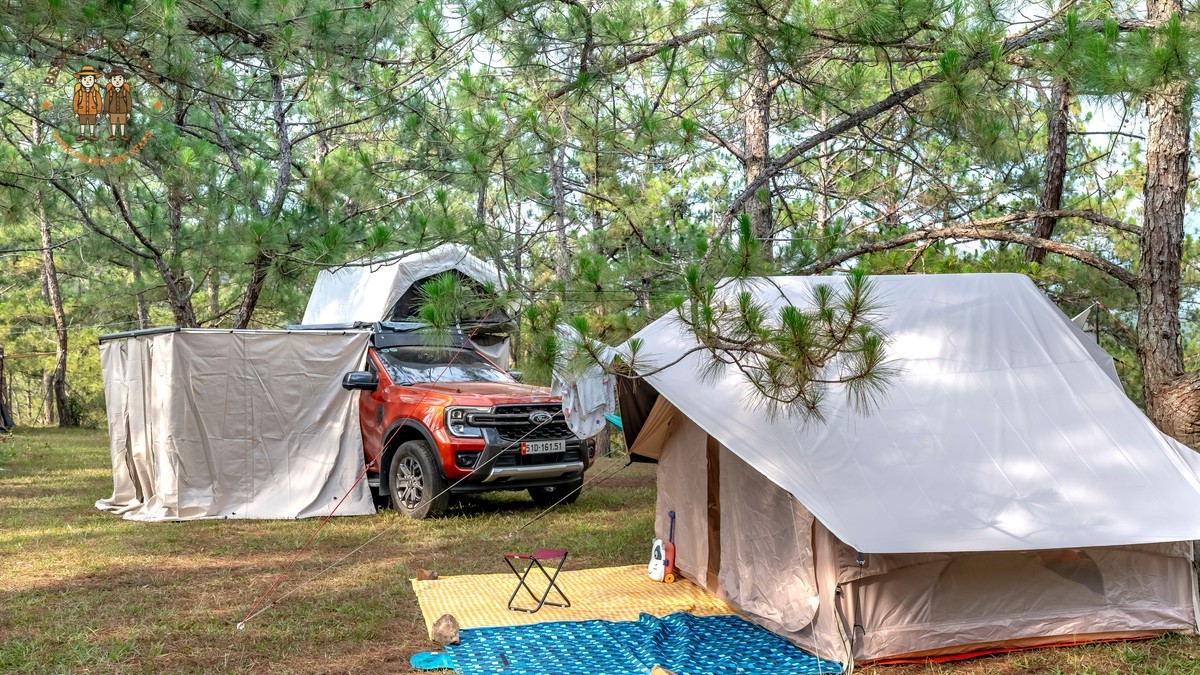
A fly-camp is a small tented camp with 4 to 8 tents. There is no permanent structure. You eat under a canvas mess tent. Showers are warm buckets raised by ropes. Toilets are eco-friendly compost units.
The ground feels different at 5am. You hear the earth before you see it. I have sat outside my tent in Laikipia with a cup of tea, watching the sky turn grey, knowing the guides were already loading the vehicle with water and cereal bars.
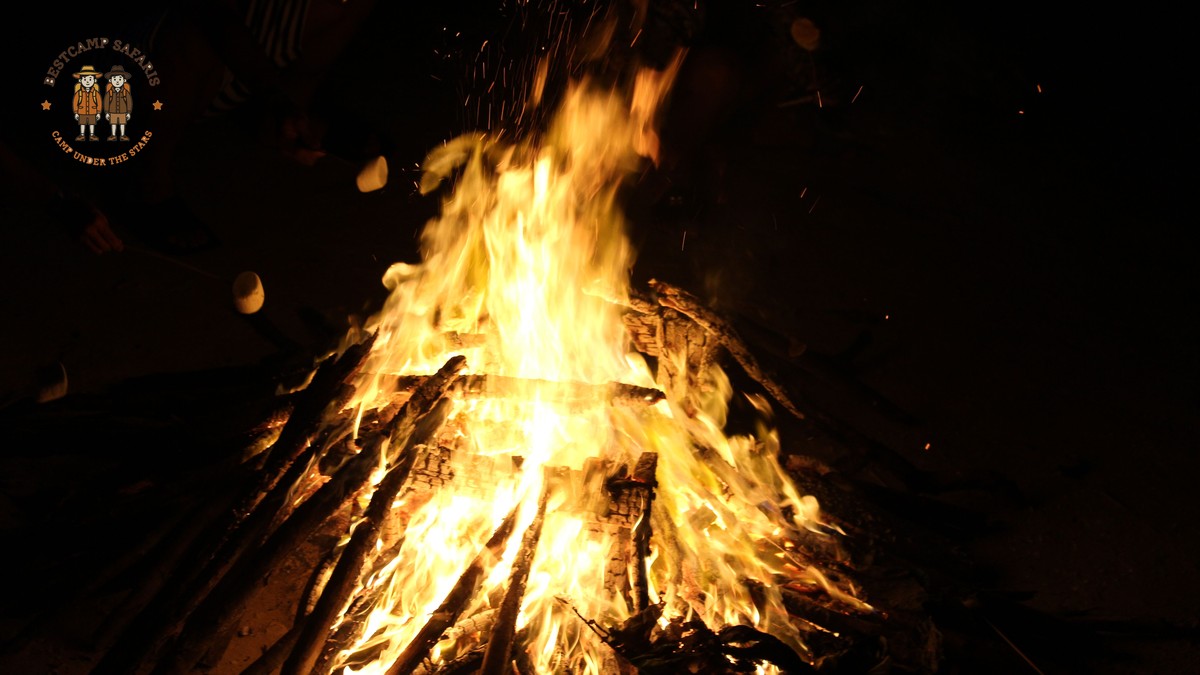
Walking into camp after dark by lamplight is a memory that stays. You smell the wood smoke from the campfire. You hear the cook scraping pots. You feel tired in a way that makes sleep deep.
In Naboisho or Mara North Conservancy, expect to pay USD 80 to 150 per person per night for the conservancy fee on top of your camp rate. This buys you exclusivity.
Wildlife Highlights and the Migration Basics
The Great Migration involves 1.5 million wildebeest and about 250,000 zebra. They cross from the Serengeti into the Maasai Mara between July and October.
If you visit in January, you miss the river crossings but you get calving season in the Serengeti. The Mara has resident prides of lions and good leopard sightings along the Talek River.
Samburu is different. It is dry and hot. It has the reticulated giraffe, Grevy’s zebra, and the Somali ostrich. You will not see these anywhere else.
Meru National Park is remote. It is where Joy and George Adamson raised Elsa the lioness. The park has 13 rivers and a low visitor count. You might have a waterhole entirely to yourself.
Chyulu Hills is for walking. The volcano craters are quiet. You walk with a Maasai guide who reads animal tracks the way I read a map. It is not about the Big Five. It is about the small things.
Money, Connectivity, and Safety
Kenya uses the Kenyan Shilling (KES). As of July 2026, USD 1 is about KES 125. Carry USD cash for tipping and small purchases. Major camps accept credit cards.
Mobile connectivity is good. Safaricom has strong network coverage in the Mara and Laikipia. Buy a local SIM at the airport with data. WhatsApp works. Share your live location with family at home.
Security in camps is taken seriously. Guards walk you to your tent after dark. Do not walk alone at night. Families with children and grandparents are safe, but plan longer drives as rest stops. The vehicles are high and the terrain is rough.
For a deeper planning guide in a language you may understand, see our Kenya trip planning tips for Hindi-speaking travelers. And if you have family in the south, point them to our guide for Tamil-speaking travelers planning a similar South Indian trip.
Combining Kenya with Zanzibar or Gorilla Trekking
You can add a beach extension. Fly from Nairobi to Zanzibar in about 1 hour 50 minutes to 2 hours 10 minutes, depending on the carrier and route. The flights cost USD 200 to 300 one way. Budget 3 nights on the beach to decompress after safari.
Gorilla trekking requires flying to Kigali in Rwanda or Entebbe in Uganda. Combine it with Kenya by flying Nairobi to Kigali or Nairobi to Entebbe. Rwanda permits cost USD 1,500 per person. Uganda permits cost less, around USD 700 to 800 per person. Book at least 6 months ahead either way.
What to Pack: The Fly-Camp Edition
Pack light. A 90 liter soft duffel is best. Avoid hard suitcases in the bush.
Bring: headlamp, binoculars, neutral colored clothes, a fleece jacket, a hat, sunscreen, and thick socks. Do not bring jeans for game drives. They are cold in the morning and hot by noon.
For the star-bed night, you need a dress or shirt you can sleep in under the open sky. The bed has a mosquito net and a thick duvet. It sounds romantic. It is. But I recommend wearing long sleeves and lightweight trousers to keep the mosquitoes off till midnight.
Booking and Planning Timeline
Start planning 5 months before departure. Here is a general timeline:
- Month 5: Decide on season and book international flights.
- Month 4: Apply for eTA and get vaccinations.
- Month 3: Confirm camp bookings and pay deposit.
- Month 2: Book internal fly-in flights from Nairobi.
- Month 1: Pack and confirm all tickets.
Closing: Plan Your Safari with BestCamp Safaris
You have read the honest details. The canvas, the food, the fees, the timing. Now imagine doing it with a guide who knows both the African bush and your South Indian taste buds.
Plan your Kenya safari with BestCamp Safaris. Tell us your dates and we will match them to the migration calendar and the best fly-camps. Reach out to our safari planners here to begin building your itinerary. We will make sure the podi jar is packed and the tent is pitched in the right spot.
More safari planning resources
- Best time to visit Kenya map from SafariPure
- Masai Mara Great Migration guide from Trunktrails Safaris
- Best time to visit Kenya month-by-month map from Valley Safaris
- Kenya eTA and eVisa guide on Touring Insights
Related guides: Birdwatching Safari Kenya Camp Guide: Best Camps & Times.


