 Adventure Tours
The first thing you notice on a camel trekking safari Samburu Kenya trip is the quiet. No engine noise. No dust cloud. Just the soft crunch of camel feet on red laterite soil and the occasional grunt from the string behind you. After years of running vehicle-based safaris, I still think this is the closest way to feel part of the landscape. It beats passing through it as a visitor.
This isn’t a gimmick ride at a lodge gate. Real camel trekking in Samburu and the neighboring Laikipia hills means multi-day movement through some of the wildest, least-visited country in northern Kenya. A mobile camp packs up and moves with you the whole way.
Camel Trekking Safari Samburu Kenya: What It Actually Means
A camel trek is not a walking safari with a camel tagging along for photos. It’s built around the camels themselves. Usually four to eight animals carry your tents, food, water, and kit. You and your guides walk beside them, or take turns riding.
Most days you walk. The camels carry the load, so your bush camp can sit twenty or thirty kilometers from the nearest road. That’s country a vehicle safari would never reach. Riding happens in short stretches, often when the ground turns rocky or the afternoon heat climbs. Plan on walking for most of each day.
Compare that to a standard walking safari. It usually loops out from a fixed camp and back again in a few hours. A camel trek keeps moving instead. You wake up in one place and sleep somewhere new that night, sometimes ten or twelve kilometers away. It’s closer in spirit to overlanding on foot than to a guided nature walk.
Why Samburu Specifically
Samburu sits in Kenya’s arid north. The Ewaso Nyiro River and the dry, sandy Milgis lugga drain the region, and the lugga only floods a few times a year. The landscape is doum palm river line, thorn scrub, and volcanic hills. It looks nothing like the green, grassy Mara.
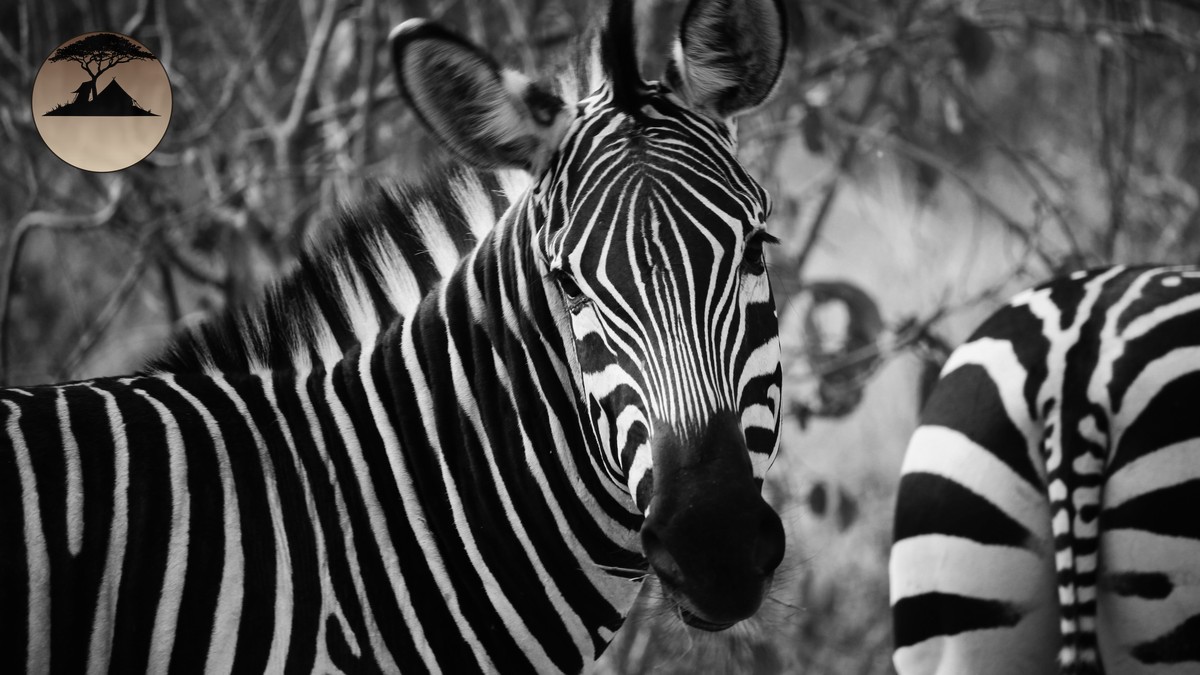
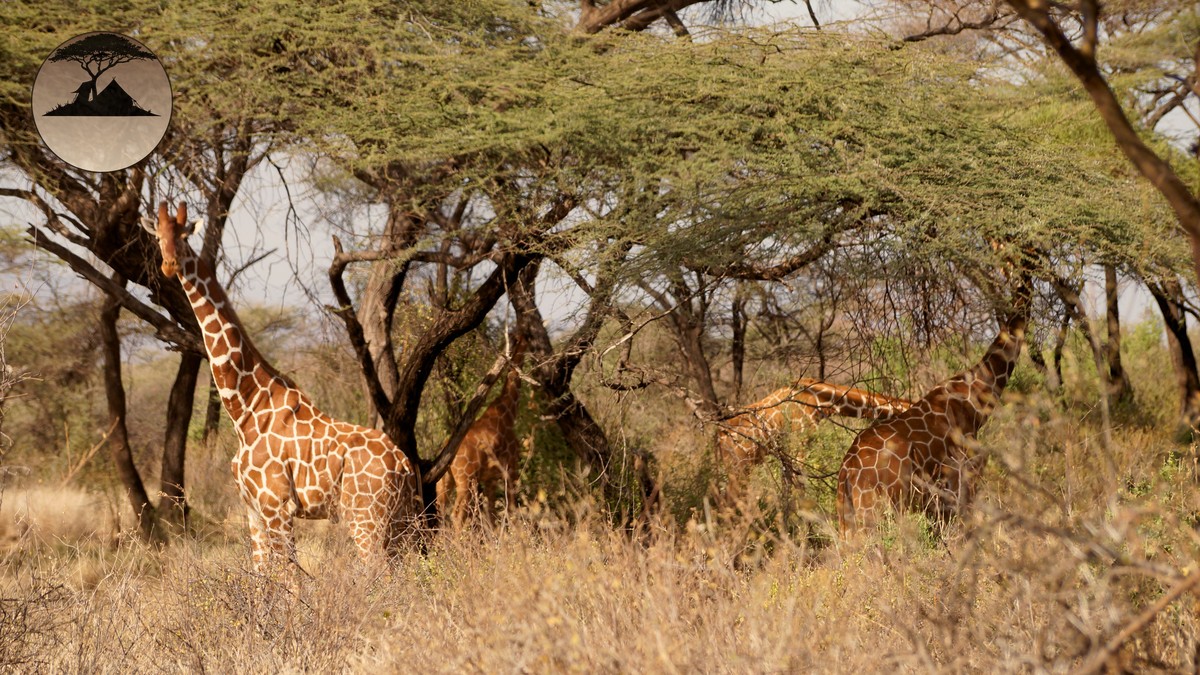
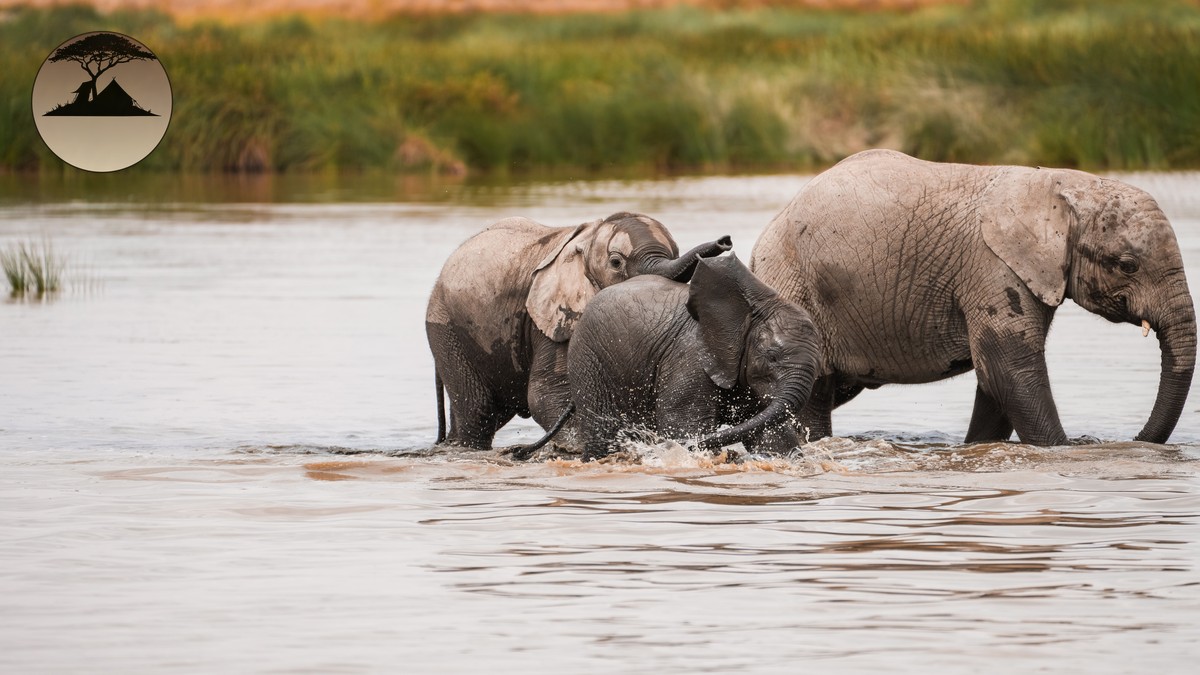
That dry-country ecosystem is home to the so-called Samburu Special Five: Grevy’s zebra, reticulated giraffe, Beisa oryx, gerenuk, and Somali ostrich. You won’t see any of these in the southern parks. Elephants move through the Ewaso Nyiro corridor too. Add the Namunyak and Westgate community conservancies bordering Samburu National Reserve, and you get real wildlife density without Mara-level crowds.
Community conservancies matter here too. Much of the best trekking ground, including the Karisia Hills straddling the Samburu-Laikipia border, is community-owned land. Trekking fees go directly to local Samburu families rather than a park authority.
Duration and Package Options
You can do camel trekking as a half-day add-on from a lodge. The real experience, though, is the multi-day mobile trek. Here’s how the main options stack up.
| Package | Typical Duration | Distance Covered | Sleep Setup | Indicative Price (per person, per day) |
|---|---|---|---|---|
| Half-day taster | 2-3 hours | 3-5 km | Return to lodge | USD 30-60, often bundled into a lodge stay |
| Full-day trek | 6-8 hours | 10-15 km | Fly-camp or return to base | USD 90-150 |
| 3-day mobile trek | 3 days / 2 nights | 20-35 km total | Full mobile camp, moves daily | USD 250-400 per day, all-inclusive |
| 5 to 7-day mobile trek | 5-7 days | 50-80 km total | Full mobile camp, remote conservancy routes | USD 220-350 per day, all-inclusive |
These are indicative ranges pulled together from operators working the Samburu and Laikipia trekking circuit. Few publish fixed rates, and pricing shifts with group size, season, and how far the camp has to be trucked in. Ask for a written quote before you commit. Check what’s actually included too, since camel hire, guides, camp staff, food, and park or conservancy fees are sometimes bundled and sometimes not.
Samburu National Reserve’s own gate fee runs about USD 90-100 per adult per day at last check. Most multi-day treks stay on community conservancy land instead. Fees there are usually lower, and they go straight to the Samburu villages hosting you.
Wildlife: The Honest Version
Here’s the part most pages skip. A camel caravan is not silent. Camels grunt, gear creaks, and eight walking humans make more noise than a vehicle idling fifty meters off a game trail. Animals that would let a Land Cruiser roll within ten meters often move off well before a walking group gets close.
What you trade in close sightings, you gain in encounter quality. Fresh leopard tracks in the sand mean more when you found them on foot. A herd of Grevy’s zebra spotted from a ridge, grazing undisturbed because you’re downwind and quiet, feels different from a drive-by. Birdlife is where camel trekking wins outright. Guides can stop, point, and talk you through a Vulturine guineafowl or a martial eagle without a windscreen in the way.
If ticking off the Big Five in high volume is the goal, a vehicle game drive still wins. If watching how Samburu guides read spoor and wind matters more to you, take the camels.
Time with Samburu Guides and Villages
Every reputable trekking outfit here hires local Samburu men as camel handlers and trackers. Several come from the same villages the route passes through. Evenings often include a stop at a manyatta, the traditional homestead of loop-branched thorn fences and dome-shaped huts. Families there explain grazing routes and how they’ve shared this land with wildlife for generations.
This isn’t staged. Because the conservancies are community-run, the villages you pass are the same ones whose grazing rights fund conservation on that land. Guides will talk through livestock movement, drought years, and how camel herding itself connects to the trek you’re on.
Where You Sleep: The Mobile Camp
This is the part that sells camping enthusiasts on camel trekking over a lodge stay. Camp isn’t fixed. It moves ahead of you, or gets broken down and rebuilt each day, carried entirely by the camel string plus a small ground crew.
Expect walk-in canvas tents, a simple bucket shower rigged from a tree branch, and a mess tent for meals cooked over an open fire. Star-bed nights are common on drier stretches of the Milgis lugga where rain isn’t a concern. That means sleeping under open sky with just a mosquito net.
You’ll usually walk out from camp around 6:30am, before the heat sets in. You break for a shaded lunch, then arrive at the next site by late afternoon to find tents already up and tea waiting. If you want the specifics of how the mobile camp is set up and torn down each day, read that next. The daily leapfrog routine is worth understanding before you book.
Best Time of Year
June through October and January through February are the driest windows. That means firmer ground for camels and lower river levels in the Ewaso Nyiro. The long rains, roughly late March through May, turn the Milgis lugga’s sandy bed soft. They can cancel treks entirely. November’s short rains are lighter and usually manageable, but always confirm with your operator before locking in multi-day dates.
Fitness, Age, and Family Suitability
You need to be comfortable walking 8-15 km a day over uneven, rocky, sometimes sandy ground. Temperatures often climb above 30°C by midday. This isn’t technical hiking, but it’s sustained walking, not a stroll.
Most operators set a minimum age of seven or eight for multi-day treks. Kids need to be confident walkers, since riding is a break, not the default. For the full picture on age requirements for kids on a walking or camel safari, check with your operator directly. Limits vary by camp and route difficulty.
If a horse is more your speed than a camel, it’s worth knowing how it compares to a horseback safari in Laikipia. That route covers similar ground at a faster pace, but it demands riding experience camel trekking doesn’t.
Packing for a Camel Trek
Pack light. Everything above your daypack rides on the camels in soft duffel bags, not hard suitcases. A rough list:
- Broken-in walking boots, not brand new ones
- Long-sleeve shirts and trousers in light colors for sun and thorn protection
- A wide-brimmed hat and high-SPF sunscreen
- A 2-liter water bladder or bottles for your daypack
- A warm layer for cold pre-dawn starts, temperatures can drop below 10°C before sunrise
- A headlamp for camp routines after dark
- Binoculars, since spotting happens on foot at closer range
The BestCamp Safaris Difference
We don’t sell camel trekking as an add-on activity tacked onto a lodge brochure. We build the itinerary around it instead, matching your fitness level, the season, and how remote you actually want the camp to be. That might mean a gentle 3-day route near Kalama Conservancy, or a full week pushing deep into the Karisia Hills.
We work directly with Samburu-run camel outfits rather than reselling a generic package. The guides you walk with are the same families whose conservancy fees your trip supports. And we’ll tell you upfront if camel trekking isn’t the right fit. For a first-time safari with young kids, for example, a shorter walking safari paired with vehicle drives might serve you better.
Plan Your Camel Trek
If the idea of walking into camp by lamplight after a day on foot with the camels sounds right for you, we’d like to help you plan it. Get in touch through our contact page and we’ll talk through routes, dates, and what a realistic itinerary looks like for your group.
More safari planning resources
- Samburu map and Special Five from SafariPure
- Samburu National Reserve guide from Trunktrails Safaris
- Map of Samburu from Valley Safaris
- Samburu National Reserve guide on Touring Insights
Related guides: Namanga Border Crossing Overland Safari Guide 2026.


