
 Adventure Tours
You’ve Done the Mara. Now What?
You’ve watched the wildebeest cross the Mara River from a lodge veranda. You’ve ticked lion, leopard, and elephant off the list. Now you want somewhere quieter, with camps that still feel like an adventure, not just accommodation.
Samburu and Laikipia both sit north of the equator, a few hours from Nairobi by road or a short flight away. Both offer things the southern circuit rarely does: fly-camps, night drives, and guides who can name every elephant family by sight. But they are not the same trip.
This guide lays out the real differences: named camps, actual drive times, and price bands. Use it to pick the region that fits your next safari, or to work out how to combine both without wasting a day.
Landscape and Climate: Desert Edge vs Highland Plateau
Samburu National Reserve sits in dry, semi-desert country along the Ewaso Nyiro River. Doum palms line the banks. Away from the water, the ground is red laterite dotted with acacia and commiphora scrub. It stays warm all year, often above 30°C by midday.
Laikipia is different. It sits on a highland plateau between 1,700 and 2,200 metres, north and west of Mount Kenya. Mornings are cool enough for a fleece on a 6am game drive. The grass is greener, forest patches break up the plains, and the late afternoon light turns the whole plateau gold.
That altitude also means Laikipia stays drier during the long rains than you might expect. It’s worth reading about why Laikipia stays drier during the rains if you’re planning around Kenya’s April and November wet seasons.
Signature Wildlife: The Special Five vs Rhino Country
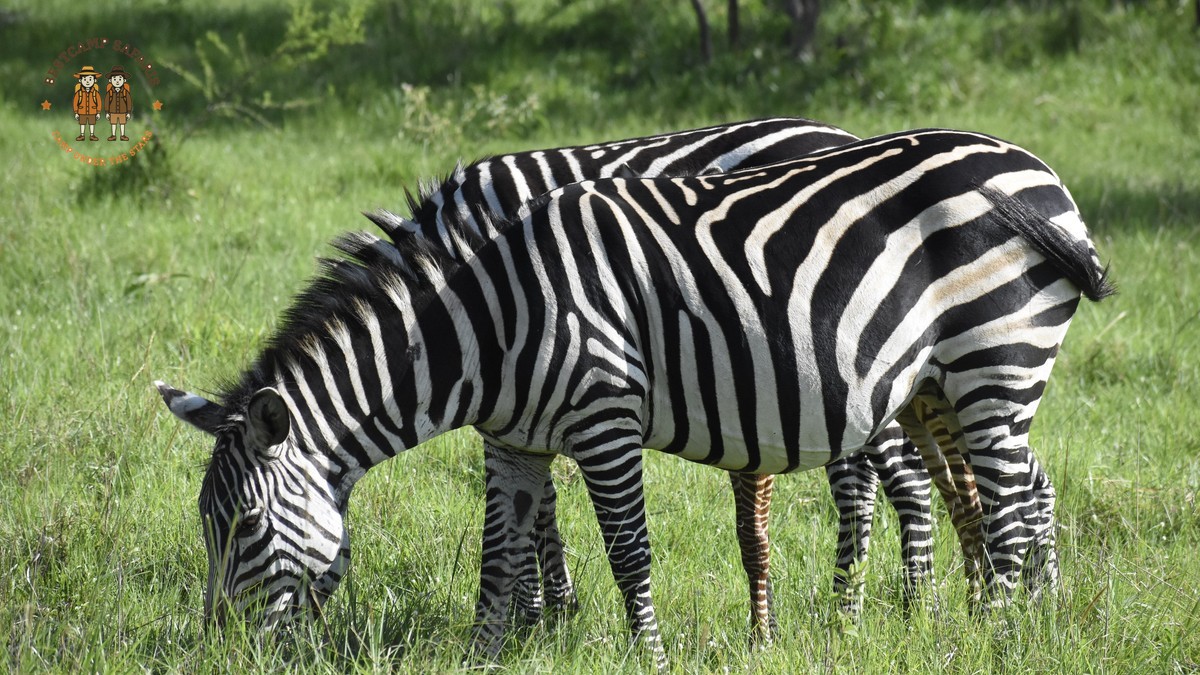
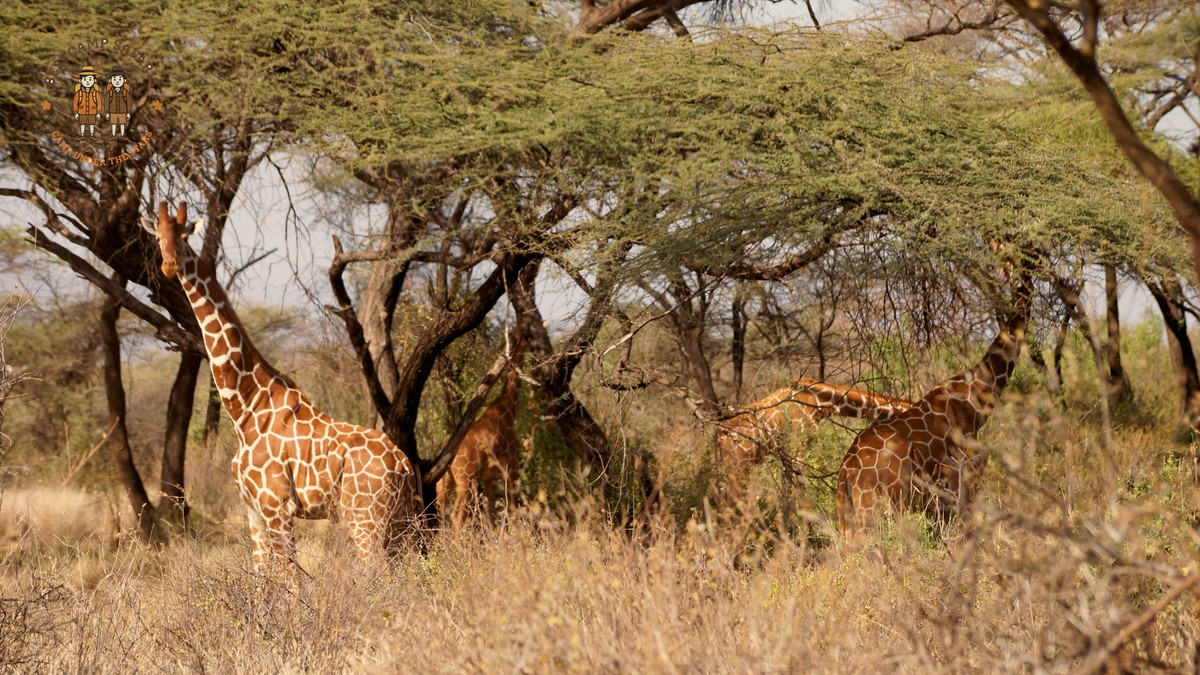
Samburu is known for five species that are hard to find further south: Grevy’s zebra, reticulated giraffe, Somali ostrich, beisa oryx, and gerenuk. Guides call them the Special Five. You’ll also find strong numbers of elephant, lion, and leopard along the river.
Laikipia’s calling card is different. It holds one of the largest black rhino populations left in Kenya, protected across conservancies like Ol Pejeta and Lewa Wildlife Conservancy. It’s also one of the few places in East Africa where wild dog sightings are close to guaranteed. Loisaba Conservancy even holds a resident population of melanistic black leopards, rare enough that film crews fly in just to see them.
If rhino and wild dog are on your list, Laikipia wins. If you want the Special Five and classic river game viewing in two or three days, Samburu delivers.
What You Can Actually Do
Samburu’s activity list is shorter but focused: game drives, sundowners by the river, and visits to Samburu villages. Some camps, like Elephant Watch Camp, add guided walks led by naturalists who have tracked the same elephant families for years.
Laikipia widens the options considerably. Horseback safaris cross open plains at camps like Sosian and Ol Pejeta. Camel safaris carry your gear on multi-day treks out of Karisia. Night drives, banned in most reserves, are allowed on private conservancy land and are often the only way to spot aardvark, civet, or a hunting leopard. Loisaba’s star-bed platforms let you sleep outside under mosquito netting with no walls at all, the closest you’ll get to sleeping under Kenyan stars without actually roughing it.
Culture: Samburu Beadwork and Pastoralist Life
The Samburu people, close cousins of the Maasai, still herd cattle, goats, and camels across this dry country. Many camps arrange visits to manyattas, the traditional homestead compounds, where women’s beadwork isn’t a show for tourists but daily craft. Expect layered necklaces in red, white, and blue beads, with patterns tied to age and marital status. Buy directly from the women who made them. Prices are set locally, usually KES 500 to KES 3,000 depending on size and detail, and the money stays in the community.
Laikipia has cultural encounters too, especially around Il Ngwesi and other community-owned conservancies, but the Samburu villages near Archer’s Post remain the more established cultural circuit in the north.
Best Time to Visit
Samburu is a year-round destination since it rarely floods and stays hot and dry most months. The most comfortable game viewing runs June to October and again in January and February.
Laikipia follows a similar dry season pattern, but its higher altitude means the long rains, typically April and May, barely disrupt roads or game drives the way they do further south. Shoulder months of March and November often bring good rates and thinner crowds in both regions.
Getting There: Flights, Drives, and the Gap Between Them
Most visitors fly. Scheduled flights leave Nairobi’s Wilson Airport for Nanyuki, Laikipia’s main airstrip, in about 35 to 45 minutes. Flights to Samburu’s Kalama or Buffalo Springs airstrips take around 60 to 75 minutes, often with a stop at Nanyuki on the way.
Driving is possible but long. Nairobi to Nanyuki is roughly 200 km, about 3 to 3.5 hours on tarmac. Nairobi to Samburu National Reserve’s main gate is closer to 325 km, roughly 5 to 6 hours, with the last stretch on rougher murram road past Isiolo.
The two regions sit close enough to combine easily. A light aircraft hop from Nanyuki to Samburu takes about 20 to 30 minutes. By road, it’s roughly 2.5 to 3 hours between Nanyuki town and the Samburu reserve gate.
| Route / Detail | Distance | Drive Time | Flight Time | Non-resident Entry Fee |
|---|---|---|---|---|
| Nairobi to Nanyuki (Laikipia) | ~200 km | 3-3.5 hrs | 35-45 min | Conservancy fees bundled into rates, indicative USD 70-120/person/night |
| Nairobi to Samburu NR gate | ~325 km | 5-6 hrs | 60-75 min | Indicative USD 60-70/adult/day (set by Samburu County, not KWS) |
| Nanyuki to Samburu NR gate | ~140 km | 2.5-3 hrs | 20-30 min | n/a (transfer leg) |
Where to Stay: Named Camps in Each Region
Samburu’s camps cluster along the Ewaso Nyiro River. Elephant Bedroom Camp and Larsens Camp both put you within earshot of hippos grunting at night. Saruni Samburu sits up in the Kalama Conservancy hills for wider views and more privacy. Expect roughly USD 350 to 750 per person per night, all-inclusive, depending on season and camp category (indicative range).
Laikipia spreads across a much bigger area, so camps vary more. Sosian and Borana Conservancy lean classic and homely. Loisaba Tented Camp and its star-beds sit on a dramatic escarpment. Ol Pejeta’s camps put you inside rhino territory, with electric fencing around camp at night. Rates commonly run USD 450 to 900 per person per night (indicative range), reflecting the conservancy fees layered onto the base rate.
For a closer look at how these private landholdings work, Laikipia’s private conservancies explains how community and private ownership shapes what you can do and see.
Should You Combine Them? A 3+3 Night Split
If you have six nights, don’t choose. Fly Nairobi to Nanyuki and spend three nights in Laikipia doing a horseback outing, a night drive, and a rhino tracking walk. Then take the short hop to Samburu for three nights of river-frontage game drives and a village visit near Archer’s Post.
This split works because the two regions are genuinely different experiences, not two versions of the same thing. You never repeat a landscape twice in one trip, which matters if you’ve already spent a week in the Mara.
Before booking, it helps to understand what changes between a conservancy and a national reserve, since rules on night drives and walking differ sharply between Samburu’s reserve status and Laikipia’s private conservancies.
Laikipia vs Samburu Safari: Who Each Region Suits
Samburu suits first or second-time northern Kenya visitors who want guaranteed warmth, dramatic river scenery, and a shorter, cheaper trip from Nairobi. It also suits families, since drive times are shorter and the terrain is gentler for young children.
Laikipia suits repeat visitors who have already done standard game drives and want walking, riding, or camel safaris, plus a strong shot at rhino and wild dog. It rewards travelers willing to pay conservancy fees for fewer vehicles and wider activity choice.
The BestCamp Safaris Difference
We don’t send you to Samburu or Laikipia with a generic itinerary pulled from a brochure. Our guides have slept in both regions, know which camps still run proper walking programs, and can tell you honestly which weeks each conservancy is quietest. We build routes around real flight schedules and real conservancy fee structures, not guesswork, so your nights in the north deliver both regions at their best.
Plan Your Trip North
Ready to trade the Mara crowds for a star-bed night in Laikipia or an evening by the Ewaso Nyiro in Samburu? Get in touch with BestCamp Safaris and we’ll build a northern Kenya itinerary around the camps, activities, and pace that fit you.


