
 Adventure Tours
The night before our last group left Laikipia for the coast, I watched a couple repack their duffel by lamplight outside their tent. She had a fleece for the 5am game drive and a bikini for Diani three days later, both fighting for space in one 15 kilogram bag. That tension sums up the packing safari beach combo trip challenge: plan for both legs from day one.
This guide covers what to actually put in your bag for a trip that moves from a tented camp in the bush to a beach cottage on the coast. It is built for couples doing the classic route: a few nights under canvas, then a few nights barefoot near the Indian Ocean.
Why Safari-First, Beach-Second Works Best
Almost every operator in Kenya, including us, sequences trips with safari first and beach second. There is a real reason for it beyond habit.
Game drives start before sunrise and mornings are cold, especially in Laikipia or the Mara where dawn temperatures can dip to 10°C. You want to be alert and clean for that, not recovering from sunburn and sand in your bag. Ending on the coast also gives you a slower final stretch. After early wake-up calls and dusty roads, two or three days doing nothing but swim and nap feels earned rather than wasted.
Flip the order and you often arrive at camp sunburned, salt-crusted, and short on the closed-toe shoes and warm layers you left in a beach bag back at the hotel. Sequencing also affects your packing weight, since you can leave beach-only items behind at a Nairobi hotel or your safari camp’s storage room during the bush leg, then collect them before flying to the coast.
If you are building an itinerary around this, a Laikipia safari itinerary before the beach is a solid template, with three nights in the conservancies followed by a coastal week.
Your Bag: Soft-Sided, Not Hard-Shell
Bush flights on Safarilink, AirKenya, and Governor’s Aviation almost always cap checked luggage at 15 kilograms per person, plus a small day bag, and they require a soft duffel bag with no internal frame. Hard suitcases do not fit in the small cargo holds of a 12-seat Cessna Caravan, so leave the wheelie case at home or in Nairobi.
Pack one soft duffel per couple where possible, split roughly evenly, so if one bag is delayed you both still have something to wear. Add a small daypack for binoculars, a camera, a water bottle, and sunscreen you want on hand during drives and boat transfers.
Safari Clothing: Neutral, Layered, Breathable
Camp mornings start cold and afternoons run warm, so layers matter more than any single garment. Pack a fleece or light jacket, two or three long-sleeve shirts, and a pair of trousers you can roll up.
Stick to khaki, olive, and stone colors. Tsetse flies, found in parts of the Mara and Laikipia bush, are drawn to dark blue and black, so avoid those two colors on game drives. White gets dusty fast and stands out to wildlife, so it is not ideal either.
A wide-brim hat, a light scarf for dust, and one warm layer for early drives and evening sundowners round out the safari wardrobe. Most tented camps, including fly-camps, do laundry same-day, so you rarely need more than four or five days of clothing even for a longer trip.
Beach Clothing: Swimwear and Coastal Modesty
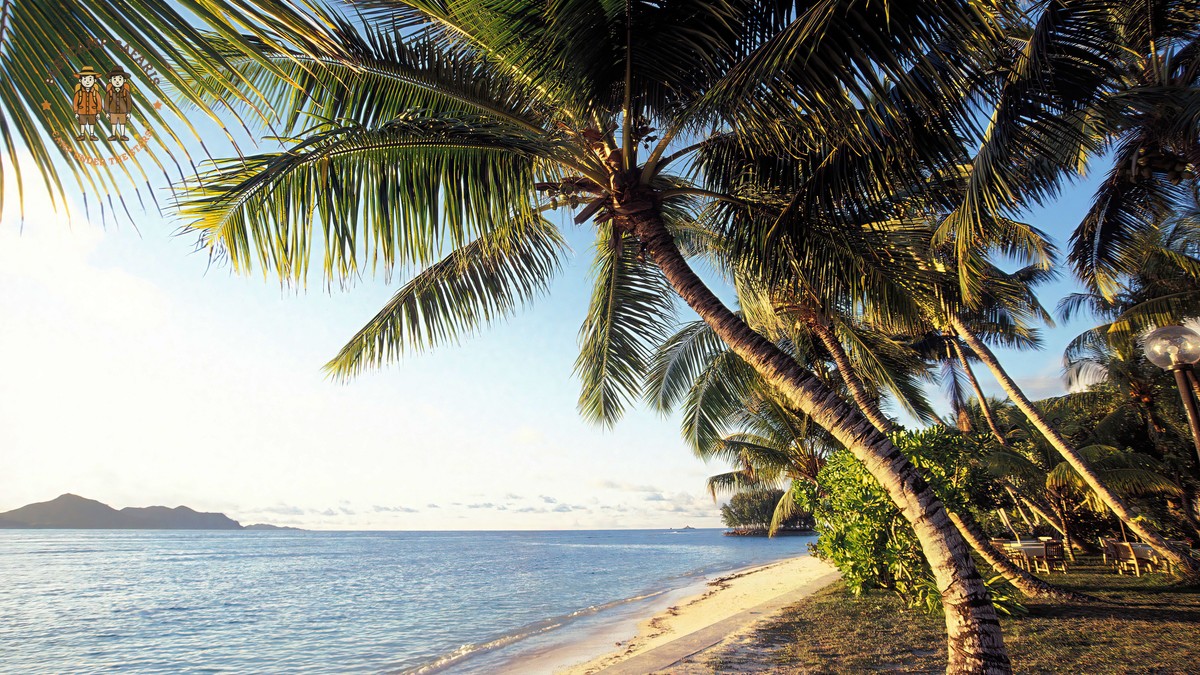
Pack two swimsuits so one can dry while you wear the other, plus a light cover-up or sarong for walking between your room and the beach. Diani and Watamu resorts are relaxed about swimwear on the sand and by the pool.
Once you step into town, Mombasa, Diani Beach town, or Watamu village, cover up more. Kenya’s coast is largely Muslim, and shorts or swimsuits worn in local shops and markets can draw unwanted attention. Bring a couple of loose linen shirts and a longer skirt or trousers for those trips.
Footwear for Two Very Different Terrains
| Item | Best For | Notes |
|---|---|---|
| Closed-toe walking shoes | Game drives, bush walks | Needed for dusty vehicles and any walking safari |
| Flip-flops or slides | Camp, pool, beach | Pack two pairs in case one breaks a strap |
| Water shoes | Coral reef beaches like Diani at low tide | Reef is sharp; bare feet get cut easily |
| Dressy sandals | Sundowners, dinner at the coast | One pair covers both legs of the trip |
Skip heels and stiff leather shoes entirely. Camp paths are gravel or packed earth, and coastal streets are often sandy or uneven.
Sun, Bugs, and Health Protection
Bring reef-safe sunscreen, the kind without oxybenzone, for the coast, since Kenya’s marine parks at Watamu and Diani ask visitors to protect the reef. Pack a stronger SPF for the equator sun on safari too, since UV exposure at altitude in Laikipia or the Mara is higher than most visitors expect.
Insect repellent with DEET matters on both legs, for tsetse flies inland and mosquitoes at the coast. Malaria risk exists across most of Kenya below 2,500 meters, including the Mara, Laikipia lowlands, and the entire coast, so talk to a travel clinic about prophylaxis before you go. A basic first aid kit with rehydration salts, antihistamines, and blister plasters earns its weight fast.
Documents and Money
Kenya requires an eTA, applied for online before travel, in place of the old visa-on-arrival system. If your trip includes Zanzibar or another yellow fever country beforehand, you will need your International Certificate of Vaccination on hand, since Kenya checks it at entry for travelers arriving from affected countries.
Carry a mix of small USD bills printed after 2013 for tips and park fees, plus a Kenyan M-Pesa-linked card or cash in Kenyan shillings for coastal markets and restaurants. Many conservancies and coastal parks price entry in USD but accept payment in KES at the daily rate. Given how much of this trip depends on flights and weather, it is worth reading up on trip cancellation insurance for safari and beach trips before you book anything nonrefundable.
Electronics and Camera Gear
A universal adapter is essential. Kenya uses the British-style three-pin plug (Type G) at 240 volts, and most beach cottages and camps now offer charging points in-room, though some fly-camps run on solar power with limited outlets after 9pm.
If you are serious about photos, a zoom lens in the 100-400mm range covers most safari sightings, while a wider lens works better for beach and landscape shots. We have a full breakdown of camera gear and settings for safari photography if you want to plan this properly before you fly out.
What Not to Pack
Leave camouflage clothing at home. It is illegal for civilians to wear it in Kenya and can cause real problems with security officials. Skip single-use plastic bags too, since Kenya banned them in 2017 and customs officers do check.
Heavy jewelry has no place on this trip. It adds nothing to a game drive, gets sticky with sunscreen at the beach, and is just one more thing to lose track of while you are busy watching for elephants or floating in warm water.
The BestCamp Safaris Difference
We build combo itineraries around actual camp routines, not just a checklist. Our Laikipia and Mara partner camps do laundry daily, so your packing list can stay lean. Our coastal partners in Diani and Watamu know which cottages have decent in-room charging for camera batteries, which matters more than people expect after a week of game drives.
We also brief every honeymoon couple on the small things nobody else mentions, like which fly-camp has a proper star-bed set up away from the fire smoke, and which beach transfer avoids the longest stretch of the Nairobi to Mombasa highway. It is the kind of detail you only know from doing this route again and again.
Packing Safari Beach Combo Trip Checklist
- Soft duffel bag, under 15kg for bush flights
- 2 to 3 long-sleeve shirts in khaki or olive
- Fleece or light jacket for early drives
- 2 swimsuits, cover-up, sarong
- Closed-toe shoes, flip-flops, water shoes, one dressy sandal pair
- Wide-brim hat and light scarf
- Reef-safe sunscreen, DEET repellent, basic first aid kit
- Malaria prophylaxis, per your travel clinic’s advice
- eTA confirmation and yellow fever certificate if required
- USD cash, KES cash or card, small bills for tips
- Universal Type G adapter, camera with zoom lens, spare batteries
Plan Your Kenya Safari and Beach Trip
If you are working out how to split your days between a Mara or Laikipia camp and a stretch on the coast, we would love to help you build it. Get in touch through our contact page and we will put together an itinerary that fits your dates, your budget, and your honeymoon plans.


