
 Wildlife Tours
You have done the Mara. Maybe from a lodge deck with a drink in hand, watching wildebeest cross the Talek River while your guide radioed ahead for a good sighting. Good trip. The Laikipia rain vs Mara season difference is the part nobody mentions on that deck. But if you have ever tried to get from Governors’ Camp to the Mara Triangle in late April, you know what “rainy season” really means there. Your Land Cruiser sinks to the axles in black mud that pulls your boots off when you try to push, and your guide ends up laying branches under the tyres just to get traction.
Laikipia, roughly 200km north as the crow flies, tells a different story in the same months. I have sat out afternoon storms on the deck of a fly-camp near Ol Pejeta Conservancy and watched the ground drink the rain in twenty minutes. By the next morning’s game drive, the murram track was already dry enough to move fast on again, dust rising behind the wheels like nothing had happened the day before.
That is not luck. It comes down to elevation, soil, and geography. Here is what the numbers actually say, and what they mean if you are planning a Laikipia, Samburu, or Meru trip instead of a repeat Mara lodge stay.
Laikipia’s Seasonal Calendar
Laikipia sits on a plateau north of Mount Kenya and the Aberdares, between 1,700 and 2,000 metres above sea level. Like most of Kenya, it has two rainy periods: the long rains from March to May, and the short rains from late October through December. January, February, and the long dry stretch from June to September are largely rain free.
The difference is intensity. Storms here tend to be short and localized, often a single afternoon downpour rather than days of steady rain. Areas near Nanyuki and the Mount Kenya foothills, like Segera and Sosian, catch more moisture than the drier bush country toward Samburu, around Loisaba and Il Ngwesi. Laikipia’s conservancies span that whole gradient, from green highland forest to semi-arid scrub, so rainfall varies a lot depending on exactly where you camp. A fly-camp pitched near Lewa’s border in April can still run a full morning drive while a Mara camp 200km south sits waiting for a track to firm up.
The Masai Mara’s Rainy Season and Migration Timing
The Mara follows the same two-rains pattern, but the volume and effect are much greater. The long rains from March to May are the wettest stretch, and the short rains in November often arrive just as the wildebeest herds are finishing their crossings and starting to move back south into the Serengeti.
The migration itself usually reaches the Mara around July, with the famous Mara River crossings running through August and September, then tapering off through October. Calving happens earlier in the year, mostly in the southern Serengeti plains between January and March, not in the Mara itself. So travelers chasing dramatic river crossings are already booking dry season months by default. That timing overlap, dry grass and dry roads together, is part of why the Mara’s peak season and its driest months line up so closely.
Laikipia Rain vs Mara Season: The Rainfall Numbers, Reconciled
Search around and you will find wildly different figures for Mara rainfall, anywhere from 770mm to over 1,400mm a year. Both numbers are real. They just measure different places.
The Mara ecosystem is not flat. The Mara Triangle, in the west near the Oloololo Escarpment, sits higher and catches more rain blowing in from Lake Victoria. The eastern plains near Sekenani Gate are noticeably drier. A weather station in one corner of a 1,500 square kilometre reserve will not match one in the other, and single wet years get averaged into “annual” figures that make the range look even wider than it should.
Laikipia does not have that same escarpment effect. Sitting in the rain shadow of Mount Kenya and the Aberdares, it receives roughly 400 to 650mm a year across most of the plateau, depending on location. That is a genuinely lower, more consistent range than the Mara’s, not just a different way of counting the same rain.
| Feature | Laikipia | Masai Mara |
|---|---|---|
| Elevation | 1,700-2,000m | 1,500-1,850m |
| Typical annual rainfall | 400-650mm (indicative range) | 800-1,200mm (indicative range, varies by location) |
| Dominant soil | Volcanic, gravelly, free-draining | Black cotton (vertisol), expands when wet |
| Road surface | Murram (compacted gravel) | Dirt tracks, black cotton in low areas |
| Distance from Nairobi (road) | ~200km to Nanyuki, 3-4 hrs drive | ~270km to Mara gate, 5-6 hrs drive |
| Flight from Wilson Airport | ~45-60 min to Nanyuki/Loisaba airstrips | ~45 min to Musiara, Keekorok, or Ol Kiombo |
| Non-resident entrance fee | Conservancy fees, roughly USD 90-100/day, indicative (e.g. Ol Pejeta) | Masai Mara National Reserve: USD 100/day Jan-Jun, USD 200/day Jul-Dec |
Why the Ground Behaves So Differently
The soil is the real story here, more than the rainfall totals themselves. The Mara sits on black cotton soil, a vertisol clay that expands when wet and shrinks when dry. A short afternoon shower turns a firm track into a greasy skid within minutes, and a heavier storm can leave roads impassable for two or three days while the clay slowly dries and cracks.
Laikipia’s plateau is largely volcanic and gravelly. Water moves through it fast instead of pooling on top. The murram roads, graded gravel rather than raw earth, shed water in a similar way. That is exactly how road conditions affect game-drive time: on the Mara’s black cotton sections, a single storm can cost you a full day’s driving radius, while a Laikipia camp can often still run a normal circuit the same afternoon.
Dry Season Advantages
June through September and January through February are the driest stretches in both regions, and the reasons to travel then are real. Grass is short, which means better sightings and easier tracking for predators. Roads are firm everywhere, so guides can cover more ground and reach sightings faster. Rivers and waterholes concentrate wildlife into predictable areas, which is a big part of why dry season predator activity feels so reliable in both Laikipia and the Mara.
Green Season Advantages
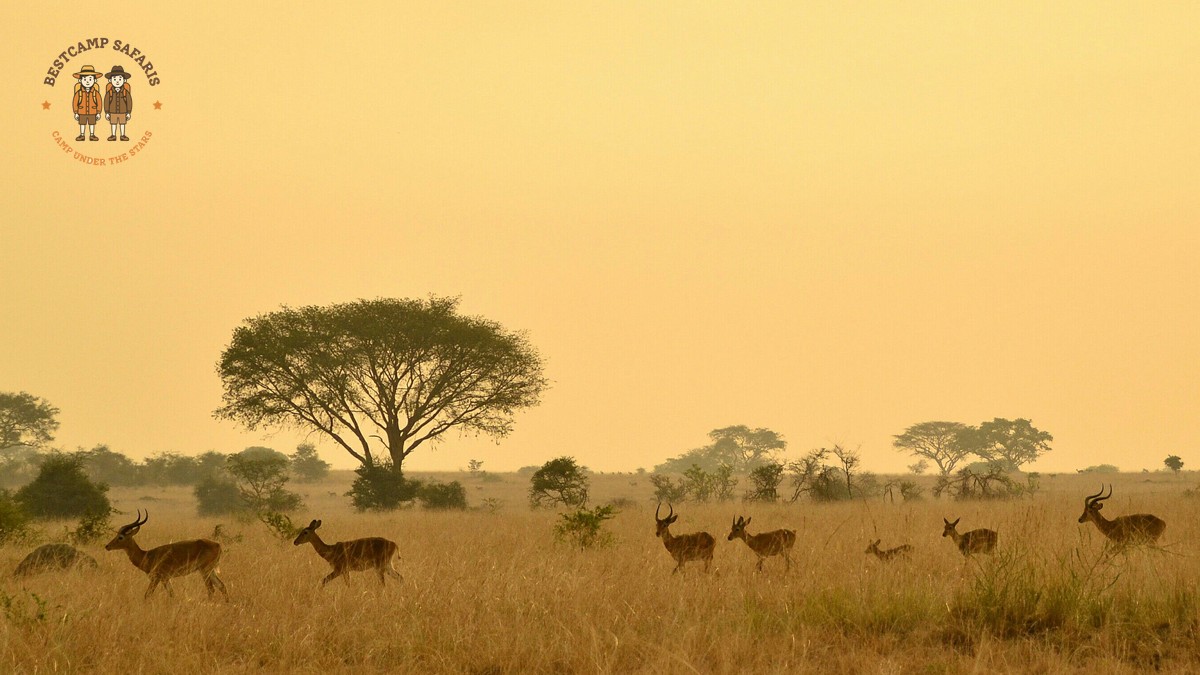
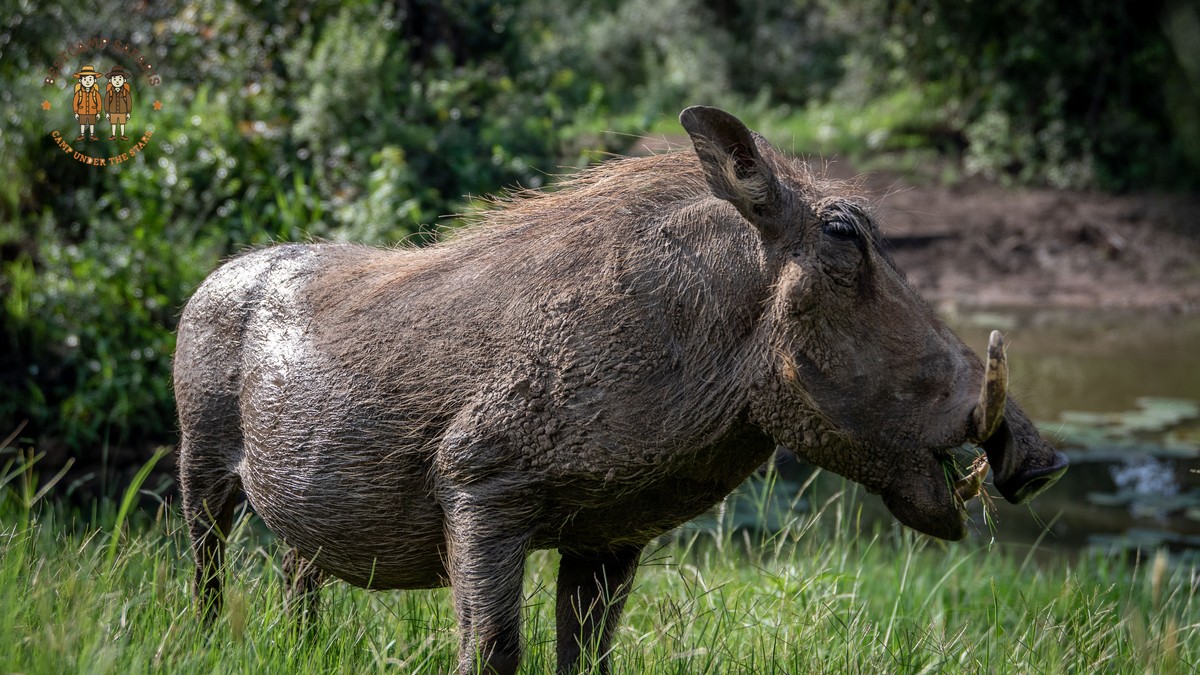
The rains bring their own case for visiting. Rates drop, often 20 to 40 percent below peak season at the same camps, so a tent that runs USD 600 per night in August might sit closer to USD 400 in April. Crowds thin out noticeably, especially on the Mara’s public reserve roads where vehicle numbers at a single sighting can otherwise run into double digits during migration season. Newborn impala, zebra, and warthog show up everywhere from March onward, and migratory birds like European rollers and Madagascar bee-eaters arrive in good numbers.
Access rules matter here too. Private conservancies like Ol Pejeta or Lewa, and Mara conservancies like Naboisho or Mara North, set their own vehicle limits and off-road driving allowances, which is different from the public Masai Mara National Reserve. Understanding the conservancy vs. reserve access rules before you book matters even more in the rains, since conservancies can better manage vehicle numbers and protect tracks from damage.
Best Time to Visit by Priority
There is no single right answer here. It depends on what you are chasing on this trip and how many mud-splattered hours you are willing to sit through to get it.
- Best game visibility and predator action: June to September, either destination.
- Best value and fewest vehicles: April, May, or November, Laikipia holds up better than the Mara.
- River crossings specifically: late July through September, Mara only.
- Newborn wildlife and birding: March through May, both regions, Laikipia drives more reliably.
- First-time Kenya safari on a tight schedule: dry season, Mara, for the concentration of game near a single base.
- Repeat visitor wanting quiet fly-camps: shoulder months in Laikipia, Samburu, or Meru.
Do Camps Close During the Rains?
Some do. A handful of Mara mobile camps move to fixed sites or close for a few weeks in April and November when access roads become unreliable, and even some permanent camps trim their booking calendar around the heaviest storm weeks. Most Laikipia camps stay open year-round, since the murram roads rarely close them off, though individual fly-camps may shift dates slightly around the heaviest storms. Always confirm current dates directly with the camp before booking green season travel.
The BestCamp Safaris Difference
We build itineraries around what the ground is actually doing that month, not a generic wet-or-dry label pulled from a climate chart. That means we know which Laikipia tracks near Ol Pejeta hold up after a storm, which Mara conservancy roads turn heavy fastest, and which weeks let you combine a Samburu river camp with a Laikipia fly-camp without losing driving days to mud.
Our guides have slept out under canvas on both sides of this comparison, packed up a bush breakfast in a light drizzle, and walked back into camp after dark by lamplight more times than we can count. That first-hand read on road conditions, not a weather app or an averaged climate table, is what shapes the routes we plan for you.
Plan Your Trip
If you have already done the Mara from a lodge deck and want to see what Laikipia, Samburu, or Meru feel like from a fly-camp instead, we would like to help you plan it. Get in touch through our contact page and tell us which season, and which kind of camp, you are picturing.


