
 Adventure Tours
The first thing you notice in a Laikipia bush camp isn’t the animals. It’s the quiet. No generator hum, no neighboring vehicles, just canvas moving in the wind and someone stoking the mess tent fire before dawn. This is bush camping Laikipia Conservancy style: real canvas, real distance from the nearest lodge. If you’ve done a lodge safari and want the version where you actually sleep close to the ground, Laikipia is where Kenya does bush camping right.
Bush Camping Laikipia Conservancy: The Basics
Laikipia is a high plateau north of Mount Kenya, spread across roughly 9,500 square kilometers of savanna, acacia woodland, and rocky escarpment. It isn’t one park. It’s a patchwork of private and community conservancies, ranches, and reserves, including Ol Pejeta, Loisaba, Il Ngwesi, and Lewa on its eastern edge.
Most of this land is privately owned or community-run, which is why walking, night drives, and mobile fly-camps are allowed here in ways they aren’t inside Kenya’s national parks. Landowners and communities set their own rules, and most of them have chosen wildlife tourism and conservation over farming or grazing alone.
Bush Camp or Fly Camp: What’s the Difference?
The names get thrown around loosely, so here’s the honest version.
A bush camp usually means a semi-permanent camp with walk-in canvas tents, real beds, and en-suite bucket showers, set up for a season or longer in one spot. Ol Pejeta Bush Camp and Loisaba Bush Camp fall into this category. Comfortable, but it doesn’t move.
A fly-camp is the real deal for overlanders: a temporary camp carried in on vehicles or by porters, put up for one or two nights, then struck and moved. Dome tents, camp beds, a long-drop toilet dug for the night, a mess tent lit by lamplight. Kicheche’s Wild Camping walking safari in Laikipia works this way, moving with you across the plateau. If you want to understand how remote a Kenya fly camp really is, this is the style to ask about when you book.
Named Bush Camps to Know
| Camp | Style | Indicative price band (per person/night, full board) | What stands out |
|---|---|---|---|
| Ol Pejeta Bush Camp | Fixed walk-in tented camp | USD 450-650 | Black rhino sanctuary, chimpanzee sanctuary nearby |
| Loisaba Bush Camp | Fixed walk-in tented camp | USD 500-750 | Star-bed nights, wild dog packs, camel trekking |
| Laikipia Wilderness Camp | Fixed tented, walking-focused | USD 550-800 | Owner-guided walking safaris, Il Ngwesi border |
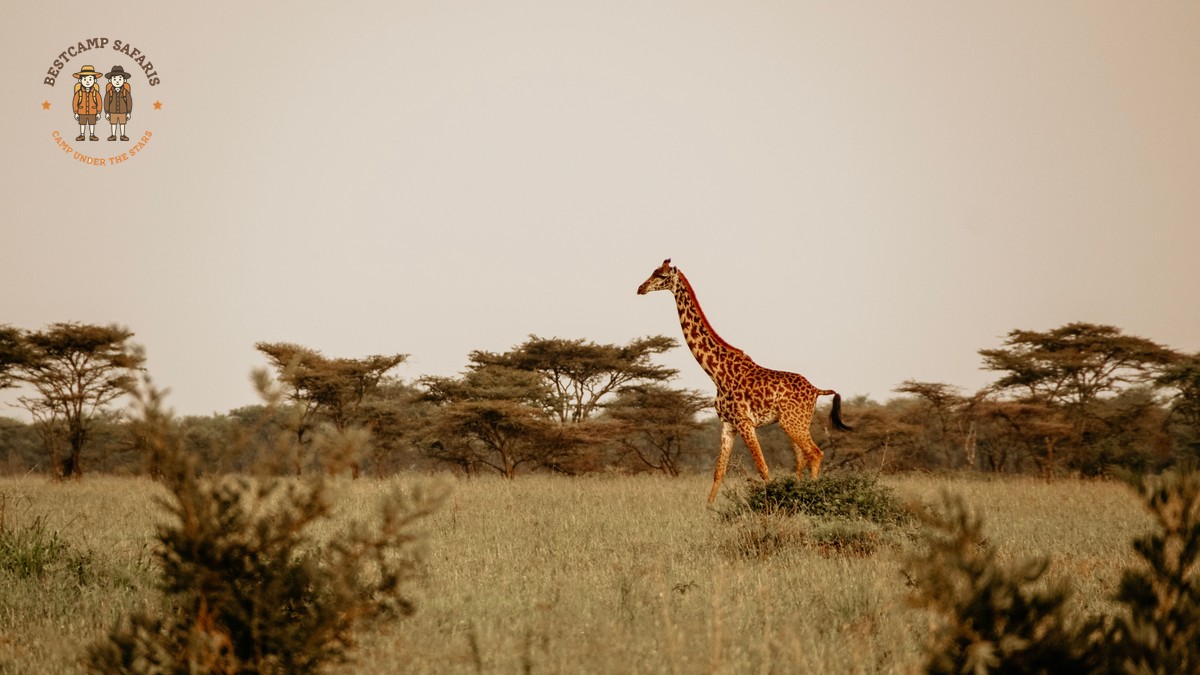
| Kicheche Laikipia | Fixed tented camp | USD 500-700 | Reticulated giraffe, low camp count |
| Kicheche Wild Camping (fly-camp add-on) | True mobile fly-camp | USD 150-300 above base rate | Moved beds, bucket showers, multi-night walking route |
Figures above are indicative ranges based on typical 2025-2026 rack rates and change with season, so confirm current pricing before booking. If you want a fuller breakdown of what a mobile camping safari actually costs, that’s worth reading before you commit to a fly-camp add-on.
A Night in a Mobile Camp
Setup happens fast. The crew drives ahead while you’re out on a game drive or walk, and by the time you arrive the dome tents are up, camp beds made, and a bucket shower is hanging from a tree branch, filled with water heated over the fire. Dinner is often a single long table under the stars, lit by hurricane lamps because generators would scare off the wildlife you came to see.
Mornings start early, usually before 6am, with tea brought to your tent flap. You hear the camp being packed away as you eat breakfast, canvas coming down, boxes loaded, because a fly-camp only exists where it’s pitched for a night or two. For a sense of the rhythm, a typical day at a mobile bush camp runs on a set pattern most operators follow, though pace shifts with the terrain and season.
Walking Safaris and Fly-Camp Logistics
Walking is the point of bush camping in Laikipia. Most walking routes cover 8 to 15 kilometers a day at an easy pace, guided by a licensed walking guide and, in wildlife-dense areas, an armed ranger from the conservancy. You won’t outrun a buffalo, but the ranger is there so you never need to.
Multi-day fly-camp routes on Loisaba and Il Ngwesi land typically run two to four nights, moving camp between waterholes and escarpment viewpoints. Vehicles carry the gear, so you walk with just a daypack, water, and binoculars.
Wildlife You’ll Actually See
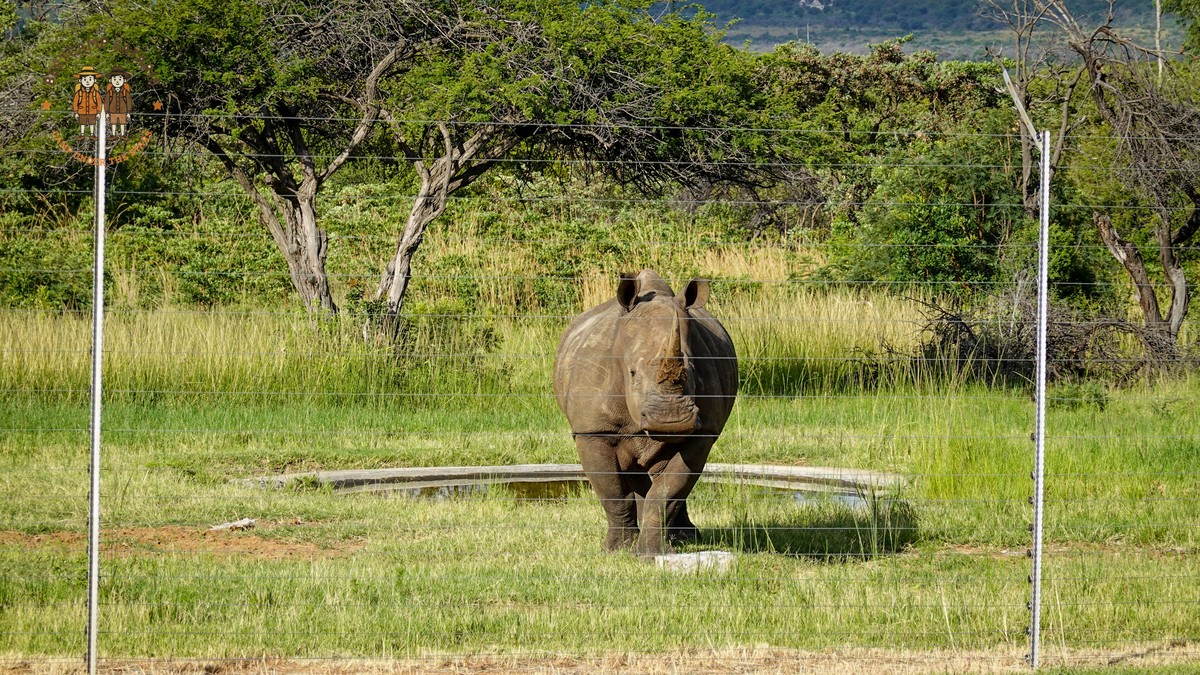
Laikipia holds Kenya’s largest black rhino population outside Nairobi and Nakuru National Parks, concentrated in Ol Pejeta’s fenced sanctuary and on Lewa’s neighboring land. It’s also one of the best places on earth to see African wild dogs, with packs regularly denning on Loisaba and Il Ngwesi.
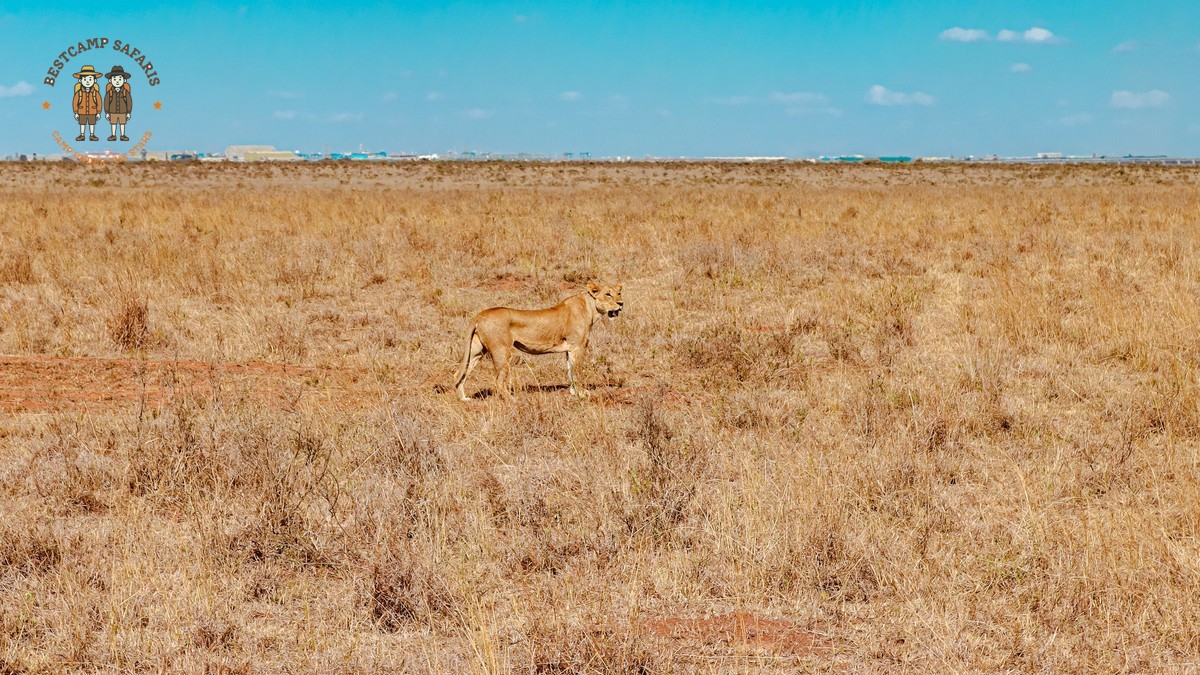
Add Grevy’s zebra, an endangered species with over half its global population here, along with reticulated giraffe, elephant, lion, and leopard. Predator density is lower than the Masai Mara, but sightings feel earned rather than guaranteed by a radio call from another vehicle.
Activities Beyond Game Drives
Night drives are permitted across most Laikipia conservancies, something the Mara’s public reserve doesn’t allow. Loisaba and Il Ngwesi also run horseback safaris and camel trekking for guests comfortable enough to ride past grazing zebra. Several camps offer dedicated lion or wild dog tracking with conservancy research teams, riding along as they collar or monitor a pack.
Pricing and Conservation Fees
Conservancy fees in Laikipia are private, set by each landowner or trust, and almost always bundled into the nightly camp rate rather than charged separately at a gate. As an indicative range, expect the equivalent of USD 50-90 per person per night folded into what you pay the camp, funding rangers, community projects, and anti-poaching patrols.
This is different from Kenya’s national parks and reserves, where fees are charged directly and set by KWS or county government.
Laikipia vs Masai Mara: A Quick Comparison
| Factor | Laikipia Conservancies | Masai Mara National Reserve |
|---|---|---|
| Entrance/conservation fee | Bundled into camp rate, indicative USD 50-90/night | USD 100/adult/day (Jan-Jun), USD 200/adult/day (Jul-Dec), set by Narok County |
| Drive time from Nairobi | 3-4 hours to Nanyuki, then 1-2 hours further | 5-6 hours by road |
| Flight from Wilson Airport | Around 45-60 minutes | Around 45 minutes |
| Walking safaris allowed | Yes, widely | No, not inside the reserve itself |
| Night drives allowed | Yes, on most conservancy land | No |
| Predator density | Lower, more spread out | Very high, especially during migration |
| Standout species | Black rhino, wild dog, Grevy’s zebra | Wildebeest migration, lion prides |
If raw predator numbers are the goal, the Mara wins. If you want to walk, camp light, and see species you won’t find anywhere else in Kenya, Laikipia is the better trip.
Best Time of Year to Go
Laikipia’s dry seasons, January to March and June to October, give the firmest ground for walking and fly-camp routes. The plateau’s roads can turn to thick black-cotton mud during the long rains from April to May, and short rains hit in November, so check road conditions before a self-drive or fly-camp trip in those months.
Getting to Laikipia
Most visitors fly from Wilson Airport in Nairobi to airstrips at Nanyuki, Loisaba, or Ol Pejeta, a flight of roughly 45 minutes to an hour. By road, it’s about 200 km from Nairobi to Nanyuki, a 3 to 4 hour drive via Nyeri, with another 1 to 2 hours to reach individual conservancies depending on which one you’re headed to.
Safety and What to Pack
Bush camping here is guided, and walking off-trail without a licensed guide and, where required, an armed ranger, isn’t allowed on conservancy land. Malaria prophylaxis is recommended for this altitude and region, and a yellow fever certificate may be required depending on your travel history, so check current Kenya entry requirements before you go.
Pack layers. Laikipia sits at 1,700 to 2,000 meters, so nights drop cold even in dry season. Bring a warm jacket, a headlamp, sturdy walking boots, a dust-proof bag for camera gear, and a reusable water bottle. Neutral-colored clothing works better than bright colors or white on walking safaris.
The BestCamp Safaris Difference
We don’t sell you a brochure camp and call it bush camping. Every Laikipia itinerary we build tells you plainly whether you’re staying in a fixed tented camp or a true mobile fly-camp, what the walking distances actually look like, and what the all-in cost covers before you pay a deposit. We’ve walked these routes, packed these tents down at dawn, and we plan trips around what the ground and the season actually allow, not around a template.
Ready to Plan Your Laikipia Trip?
If a few nights of real bush camping in Laikipia sound like your kind of safari, we’d like to help you build it. Visit our Laikipia trips page to start planning dates, routes, and camp choices with our team.


