
 Adventure Tours
Everyone who asks about fly camping wants to know one real thing: how remote is fly camp life, really. Not the brochure line about sleeping under the stars. They want to know how far the walk actually is, whether their phone will work, and what happens if someone gets sick at 2am with no road nearby.
Fair questions. We have set up and struck fly camps across the Mara ecosystem and Amboseli for years, and the honest answer is: it depends on the conservancy, but it is remote enough to matter. Here is what that means in real numbers.
What Fly Camping Actually Is
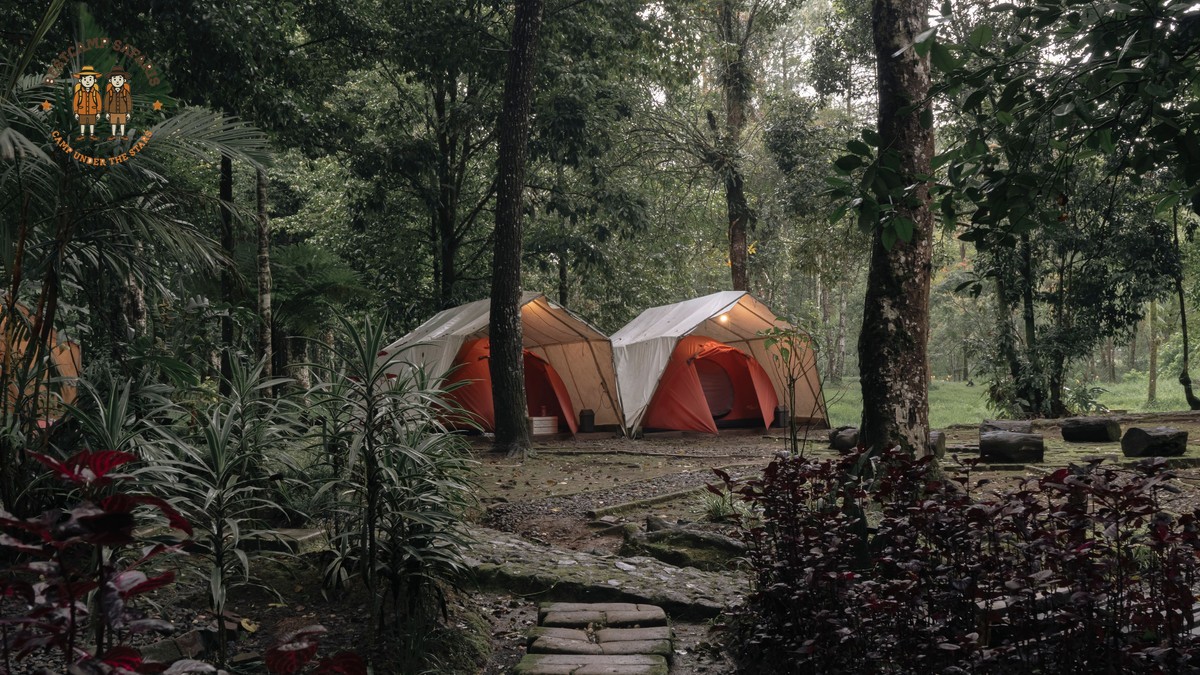
Fly camping started as a term for lightweight, temporary camps that could be flown or carried into an area, set up for one or two nights, then struck and moved. No permanent structures, no fixed toilets, no generator running all night. Just a few dome or canvas tents, a camp table, a fire pit, and a crew who packed it all in on foot or by vehicle earlier that day.
It is different from a mobile camping safari, which usually moves every few days between semi-fixed sites with more gear. A fly camp is smaller, closer to the ground, and meant to last one night, maybe two, before it disappears again.
How Remote Is Fly Camp: The Walking Distances
This is the part every listicle skips. So here are real distances from the conservancies we work in.
From a main tented camp in Mara North Conservancy, a typical fly camp site sits 3 to 5 km away, a 45 to 60 minute walk at safari pace with stops to look at tracks and birds. In Naboisho Conservancy, sites tend to run a bit further, 4 to 6 km, closer to an hour and a quarter on foot. These are typical ranges based on our own camp placements, not fixed distances, since the exact spot shifts with wildlife movement and grass height.
If walking that far does not suit your group, guides can drive most of the way and walk the last kilometre in. Either way, you arrive after the vehicles have gone quiet, which is most of the point.
A Typical Night at the Fly Camp
The crew usually heads out mid-morning to set up while guests finish a game drive. By the time you arrive in the late afternoon, tents are pitched, camp chairs are out, and there is often tea waiting.
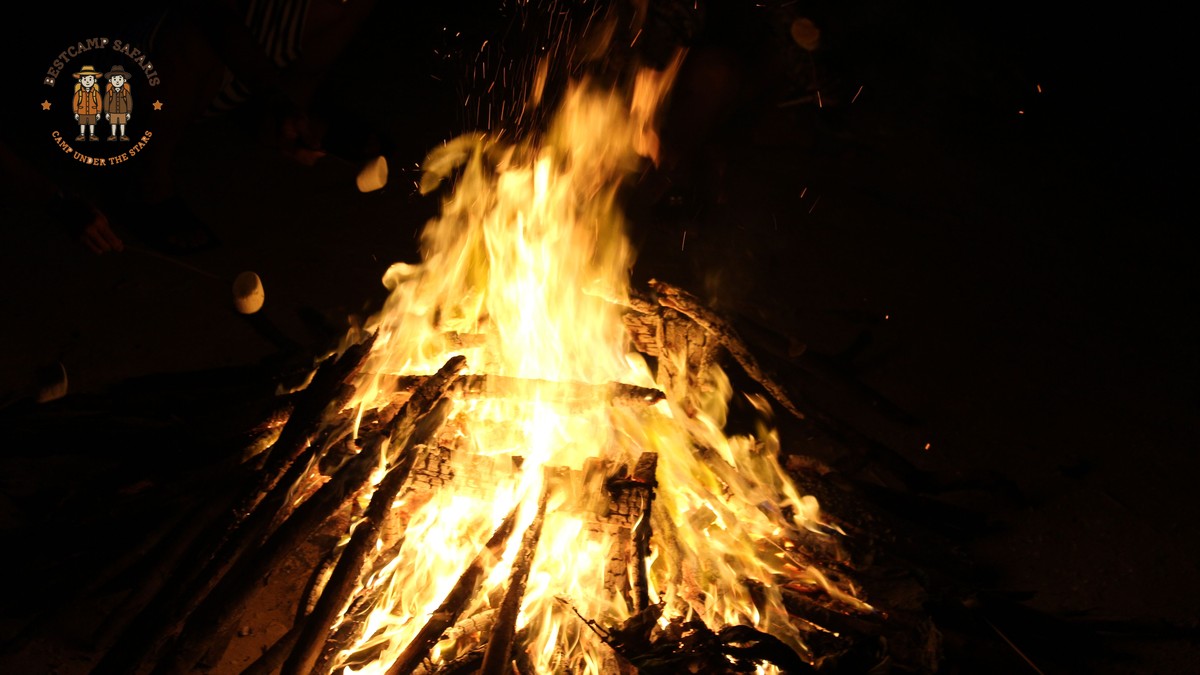
You walk in as the light goes gold, stop for sundowners on a ridge or riverbank, then continue to camp by lamplight. Dinner is cooked over an open fire, usually something simple like grilled meat, rice, and vegetables, eaten by lantern light with the guide talking through the day. Then bed, often with the sound of hippos or hyenas somewhere in the dark. In the morning, the crew is already breaking down the kitchen tent before you have finished your coffee.
Tents and Star Beds
Fly camp tents are canvas, dome-style, and small, usually just enough room for a camp bed, a bag, and a headlamp hook. Some conservancies allow star beds, a raised wooden platform with a mattress and mosquito net, no tent walls at all, so you fall asleep looking straight up. Not every site permits this, since it depends on lion and hyena activity that week. Your guide will tell you honestly whether a star bed is safe on a given night, not just offer it as an upsell.
Bedding is simple, a duvet or sleeping bag depending on season, since Mara nights drop to around 10°C in June and July.
Toilet, Shower, and the Honest Reality
There is a short-drop long-drop toilet, a dug pit with a wooden or canvas screen around it, set a short walk from the sleeping tents. Showers are bucket showers, a canvas bag filled with hot water heated over the fire, hung from a tripod. It works fine and the water is genuinely hot, but it is not a hotel bathroom, and you should plan for that rather than be surprised by it.
Safety and Who Stays Overnight
An armed ranger or spotter stays at the fly camp through the night, along with your guide and camp crew. Someone is awake or lightly sleeping near the fire at all times. If you need the toilet after dark, you call out and someone walks you there with a torch rather than going alone. This is standard practice across the conservancies we use, not an optional extra.
Connectivity and Medical Emergencies
Phone signal is patchy to nonexistent at most fly camp sites, and there is no wifi. Guides carry a radio or satellite phone and check in with the main camp at set intervals, usually every few hours, more often if conditions call for it. For a deeper look at what to expect on connectivity across camp types, see our notes on wifi and signal availability at remote safari camps.
If a medical issue comes up, the guide radios the main camp, which coordinates a vehicle evacuation to the nearest airstrip, then a flight, typically with AMREF Flying Doctors or a similar service, to Nairobi. From a Mara North fly camp, that is roughly 45 minutes to an hour by vehicle to reach an airstrip like Musiara, then about 45 minutes flying time to Nairobi. It is not instant, which is exactly why every fly camp carries a trauma kit and why guides train for this.
Power and Off-Grid Setup
There is no mains power at a fly camp. Charging is limited or unavailable, which is honestly part of the appeal for a lot of guests. Main camps nearby typically run on solar, and you can read more about how that works in our piece on off-grid power at Kenya fly camps. If you need a phone charged for photos the next day, ask your guide before heading out, since some crews carry a small power bank.
Comparing Fly Camp Settings
| Setting | Distance from Main Camp | Walk-in Time | Nearest Airstrip | Fee Zone (Non-Resident) |
|---|---|---|---|---|
| Mara North Conservancy | 3-5 km (typical) | 45-60 min | Musiara Airstrip, approx 12 km | Conservancy fee, roughly USD 80-150/person/night |
| Naboisho Conservancy | 4-6 km (typical) | 60-75 min | Ol Kiombo Airstrip, approx 15 km | Conservancy fee, roughly USD 80-150/person/night |
| Masai Mara National Reserve fringe | 5-8 km (typical) | 75-90 min | Keekorok Airstrip, approx 20 km | USD 100/adult/day Jan-Jun, USD 200/adult/day Jul-Dec (Narok County) |
| Amboseli ecosystem | 3-4 km (typical) | 40-55 min | Amboseli Airstrip, approx 18 km | USD 90/adult/day (KWS) |
Distances and walk times are typical ranges based on our own camp placements and can shift with wildlife movement. Confirm current figures when booking.
Who Fly Camping Suits
Fly camping suits travelers who already enjoy walking safaris and do not need a proper bed or a hot shower every night to feel fine. It is a trade, one night of simple living for a level of quiet and closeness to the bush that a permanent camp cannot match. Older children who can handle a 45 to 90 minute walk and a night without wifi generally do well, though most operators set a minimum age around 12. If constant comfort matters more than the trade-off, one or two nights is usually enough. If you want more, some guests add nights once they see how it feels.
The BestCamp Safaris Difference
We do not oversell fly camping as glamping with a better view. We tell you the real walk distance for the specific conservancy you are booking, whether a star bed is safe that week, and how far it is to an airstrip if anything goes wrong. Our crews have set up fly camps in Mara North and Naboisho for years, and every trip includes a radio check-in schedule your guide will explain before you leave the main camp. You get the actual bush experience, with a clear picture of what “remote” means before you commit to it.
Plan Your Fly Camp Night
If a night away from the main camp under canvas and stars sounds right for your trip, we can build it into your Kenya itinerary with the right conservancy, group size, and dates. Get in touch with BestCamp Safaris to start planning.
More safari planning resources
- Kenya national parks map from SafariPure
- Amboseli National Park guide from Trunktrails Safaris
- Map of Amboseli from Valley Safaris
- Amboseli National Park guide on Touring Insights
Related guides: Luxury vs Budget Safari Camp Kenya: What You Get.


