
 Adventure Tours
The first time I sat down to a three-course dinner under canvas, lit by two paraffin lamps and a sky full of stars, I almost laughed. Ten hours earlier I’d watched the same table folded flat and strapped to a truck. That’s the honest answer to what food served mobile safari camp guests get: real meals, cooked from scratch, produced somewhere between a dust road and a riverbank.
If you’re planning your first trip and picturing tinned beans over a campfire, you can relax. If you’re picturing a five-star buffet, adjust your expectations the other way. The truth sits in the middle, and it’s better than most people expect.
What Food Served Mobile Safari Camp Guests Eat Each Day
Camp life runs on a rhythm, and food marks every beat of it. Here’s roughly how a day looks once you understand a typical daily schedule on a mobile safari camp.
- 5:30am – a camp steward taps on your tent flap with tea, coffee, or hot chocolate and a couple of biscuits.
- 6:00am – you head out for the morning game drive, often before the sun is fully up.
- 8:30-9:30am – breakfast, either back in camp or set up in the bush.
- 1:00pm – lunch, packed or hot depending on the day’s plan.
- 4:00pm – tea and cake or samosas before the afternoon drive.
- 6:30pm – sundowners, drinks and snacks watching the light go orange over the plains.
- 7:30-8:00pm – dinner, usually three courses, sometimes around a boma fire.
No two camps run this exactly the same, but the shape holds across most mobile operations in Kenya and Tanzania.
Breakfast: In Camp or in the Bush
Some mornings breakfast is waiting when you get back to camp. Eggs cooked to order, bacon, sausages, toast from a camp oven, fresh fruit, and porridge if it’s cold.
Other mornings the crew drives ahead and sets up a bush breakfast under an acacia tree. A folding table, a checked cloth, a spirit stove keeping eggs warm, and coffee brewed on the spot. I’ve eaten a hot breakfast eleven kilometres from the nearest track, with a herd of impala watching from thirty metres away. That’s not a marketing line. It happens most weeks in the Mara.
Lunch: Packed Boxes or a Hot Plate
If your drive runs long, lunch comes in a box: a sandwich, a piece of chicken, fruit, a slice of cake, maybe a small flask of juice. Practical, filling, and easy to eat on a vehicle bonnet.
If you’re back at camp by early afternoon, lunch is a proper sit-down meal, often a curry, a pasta dish, or grilled fish with salad and fresh bread baked that morning. Camps that move every few days tend to lean on packed lunches more, since the kitchen is also busy breaking down for the next site.
Sundowners: The Ritual Everyone Loves
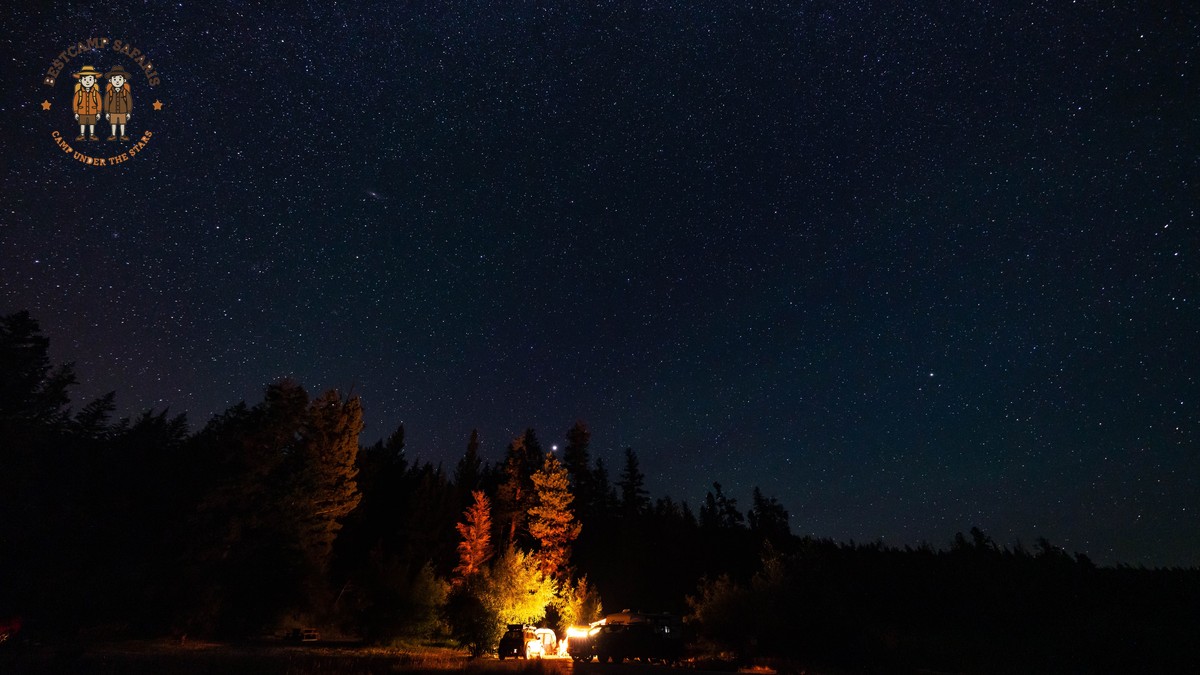
Sundowners are less about the drink and more about the pause. The vehicle stops somewhere with a view, usually a ridge or a riverbank, and a folding table appears with gin, whisky, beer, soft drinks, and a bowl of nuts or biltong. It’s simple, but it’s one of the moments people remember longest after a safari.
Dinner: Three Courses Under Canvas
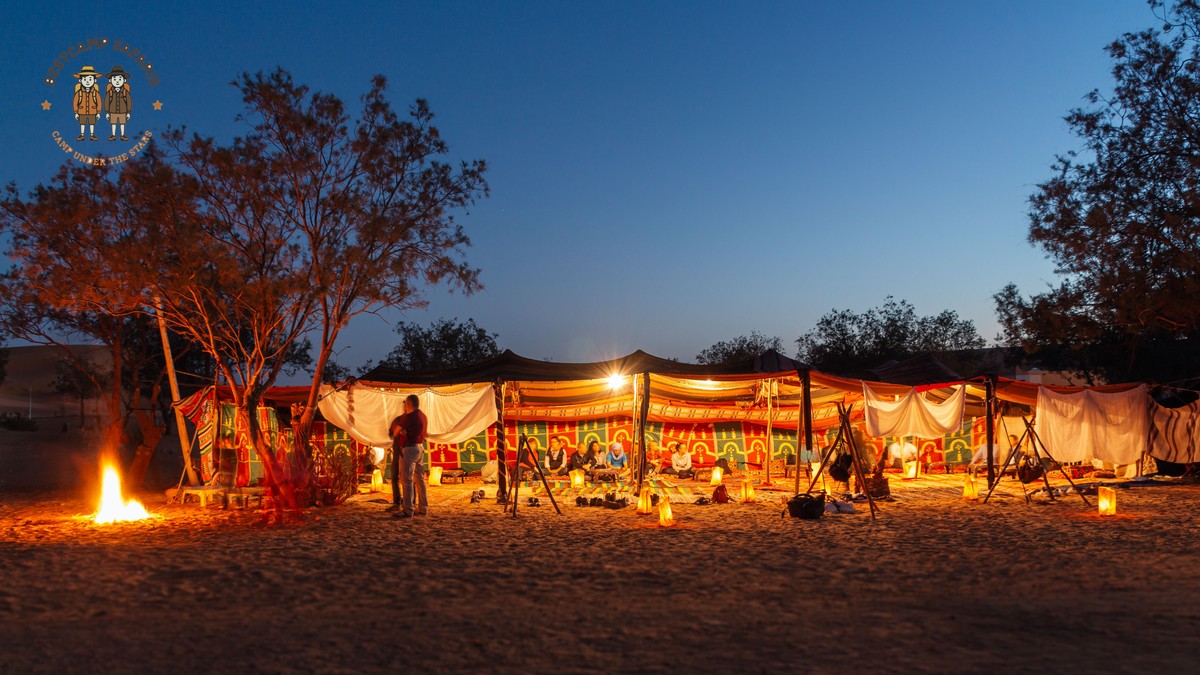
Dinner is where the camp kitchen shows what it can do. A starter of soup or a small salad, a main of grilled meat or a slow-cooked stew, and a dessert like crumble or a chocolate pudding steamed over coals. Some nights it’s served in the mess tent. Other nights, especially around a boma or an open fire pit, you eat outside with the sounds of the bush around you.
Here’s a real three-day sample menu from a BestCamp Safaris mobile itinerary in the Masai Mara ecosystem, to show what actually lands on the table:
| Day | Breakfast | Lunch | Dinner |
|---|---|---|---|
| 1 | Bush breakfast: eggs, sausage, toast, fresh pawpaw | Packed box: chicken sandwich, samosa, banana cake | Butternut soup, grilled tilapia, rice, steamed vegetables, banana fritters |
| 2 | Camp breakfast: porridge, omelette station, fresh mango | Hot lunch: beef stew, ugali, sukuma wiki, salad | Tomato soup, roast chicken, roast potatoes, chocolate pudding |
| 3 | Bush breakfast: pancakes, bacon, coffee by the river | Packed box: cheese and tomato roll, fruit, flapjack | Vegetable pakora, nyama choma, coleslaw, fresh pineapple |
How the Bush Kitchen Actually Works
This is the part most blog posts skip, and it’s the part first-time travellers actually want to know: how does anyone cook a real meal with no electricity out here?
Most mobile camps run on solar power for lighting and charging, not for cooking. The kitchen itself works on gas burners and a charcoal jiko, plus a camp oven, which is really a metal box set over coals that bakes surprisingly good bread and cake. There’s no walk-in freezer. A well-run camp uses gas-powered or solar-assisted cool boxes for a day or two of dairy and meat, and plans meals around what stays fresh longest.
That’s why chefs cook meat and fish early in a rotation and lean on root vegetables, grains, and tinned or dried goods toward the end of a resupply cycle. It’s not a limitation guests usually notice, because the menu is planned around it from day one.
Resupply runs are the real logistics story. A semi-permanent camp in Mara North Conservancy typically restocks every three to four days, with a vehicle making the round trip to Narok town, roughly 100 to 120 kilometres away depending on the specific site and road conditions, a trip of three to four hours each way on dirt roads. True fly camps, the ones that move every night or two during a walking or mobile itinerary, carry tighter loads and resupply more often, sometimes daily if they’re within reach of a base camp.
Food Quality and Where It Comes From
The best mobile camps buy fresh vegetables and fruit locally where possible, from Narok’s market or smaller trading centres near the conservancies, and supplement with dry goods brought from Nairobi. Bread, cake, and pastry are baked in camp daily. Nothing is flown in from Europe. What you get is simple, seasonal, and cooked by someone who’s been doing it for years, often the same chef for an entire season.
Local Dishes Worth Trying
Most camps build at least one meal a trip around East African flavours, and it’s worth asking for more if you enjoy it.
- Ugali – a firm maize porridge, the staple starch across Kenya and Tanzania.
- Nyama choma – grilled meat, usually goat or beef, seasoned simply and cooked over coals.
- Chapati – a soft flatbread, closer to a paratha than tortilla.
- Sukuma wiki – sautéed collard greens, a everyday side dish.
- Samosas – fried pastry parcels with spiced meat or vegetables, common at afternoon tea.
- Pilau – spiced rice cooked with meat, a Swahili coast classic that’s made its way inland.
Dietary Requirements and Allergies
Mobile camps can handle vegetarian, vegan, gluten-free, and most allergy needs, including nut and dairy allergies. The catch is timing. A lodge with a stocked pantry can often adjust on short notice. A mobile camp plans its resupply run around the guest list, so allergies and strict diets need to be flagged when you book, ideally two to three weeks ahead, not on arrival. This is one honest trade-off of the mobile-camp experience: fresher, more personal food, but less room to improvise at the last minute.
Drinks and Water Safety
House wine, local beer, spirits, and soft drinks are usually included in a mobile safari package, alongside tea, coffee, and juice. Drinking water is either bottled or filtered and boiled in camp, and camp staff will tell you which taps or containers are safe. Bottled water is standard for brushing teeth and drinking in your tent.
Mobile Camp Food vs. Lodge Food
| Fly camp (e.g., Naboisho Conservancy) | Semi-permanent mobile camp (e.g., Mara North Conservancy) | Permanent lodge (Masai Mara area) | |
|---|---|---|---|
| Kitchen setup | Gas burner, charcoal jiko, no fridge | Gas burner, camp oven, gas-cooled box | Generator-powered kitchen, walk-in fridge |
| Resupply | Every 1-2 nights, carried with the move | Every 3-4 days, ~100-120 km round trip to Narok | Daily deliveries, on-site cold storage |
| Menu style | Set menu, changes with the last resupply | Set menu with more variety | Buffet, printed menu |
| Typical cost | USD 450-700 per person per night, all-inclusive | USD 350-600 per person per night, all-inclusive | USD 300-550 per person per night, all-inclusive |
| Conservancy fees | Naboisho Conservancy, roughly USD 80-150 pp/night | Mara North Conservancy, roughly USD 80-150 pp/night | Masai Mara National Reserve, USD 200/adult/day (Jul-Dec 2026) |
Prices above are indicative ranges for the 2026 season and vary by operator and camp size. Reserve fees for the Masai Mara are set by Narok County Government, not Kenya Wildlife Service, and rise to USD 200 per adult per day from July through December during peak migration season.
The BestCamp Safaris Difference
We plan every mobile menu around the actual resupply run, not the other way around. Before your trip starts, our camp managers confirm dietary needs, then build the three or four days of meals around what the vehicle can realistically carry over rough roads to Mara North or Naboisho.
Our chefs travel with the camp, not between camps, so the person who baked your bread this morning is the same person grilling your dinner tonight. If you want to understand what a mobile camping safari actually involves beyond the meals, from tent setup to how camps move overnight, that’s worth reading before you book.
Plan Your Mobile Safari Menu With Us
If the idea of a bush breakfast under an acacia tree, or nyama choma by firelight, sounds like the trip you want, take a look at our 8-day mobile camping safari itinerary. We’ll walk you through the food, the route, and the camps, and help you plan a trip built around what you actually want to eat and see.


