
 Adventure Tours
The first time I walked into a fly camp in the Mara North Conservancy, my guide pointed at a small canvas structure behind my tent and said, “That’s your toilet, that’s your shower, and here’s your torch.” I laughed, a little nervous. Twelve years later, I still think that moment tells first-timers more about mobile camping than any brochure photo does.
If you’re planning your first trip and keep hitting the phrase “long drop toilet safari camp what to expect,” you’re probably picturing something rougher than it actually is. Let’s fix that. Here’s exactly what a long drop is, where you’ll find one, and how camps like the ones we run at BestCamp Safaris keep it clean, private, and honestly not a big deal by night two.
Long Drop Toilet Safari Camp: What to Expect From the Toilet Itself
A long drop is a toilet built over a deep pit dug into the ground, usually 2 to 3 meters down. There’s no plumbing and no flush. Instead, a wooden or metal seat sits over the hole, sometimes inside a small canvas or reed enclosure for privacy.
After each use, camp staff add a scoop of ash, lime, or soil. That’s the entire mechanism, and it works. The depth and the covering keep smell down far better than most first-timers expect. A well-maintained long drop, tended daily, smells like earth and ash, not like a public restroom.
Some camps upgrade the setup with a bucket-flush system, where a jug of water rinses the bowl after use. It’s still a long drop underneath, just a more comfortable version of one.
Where You’ll Actually Meet a Long Drop
This is the part most generic safari guides skip. Not every camp uses a long drop, and knowing which type you’re booking changes what you should expect.
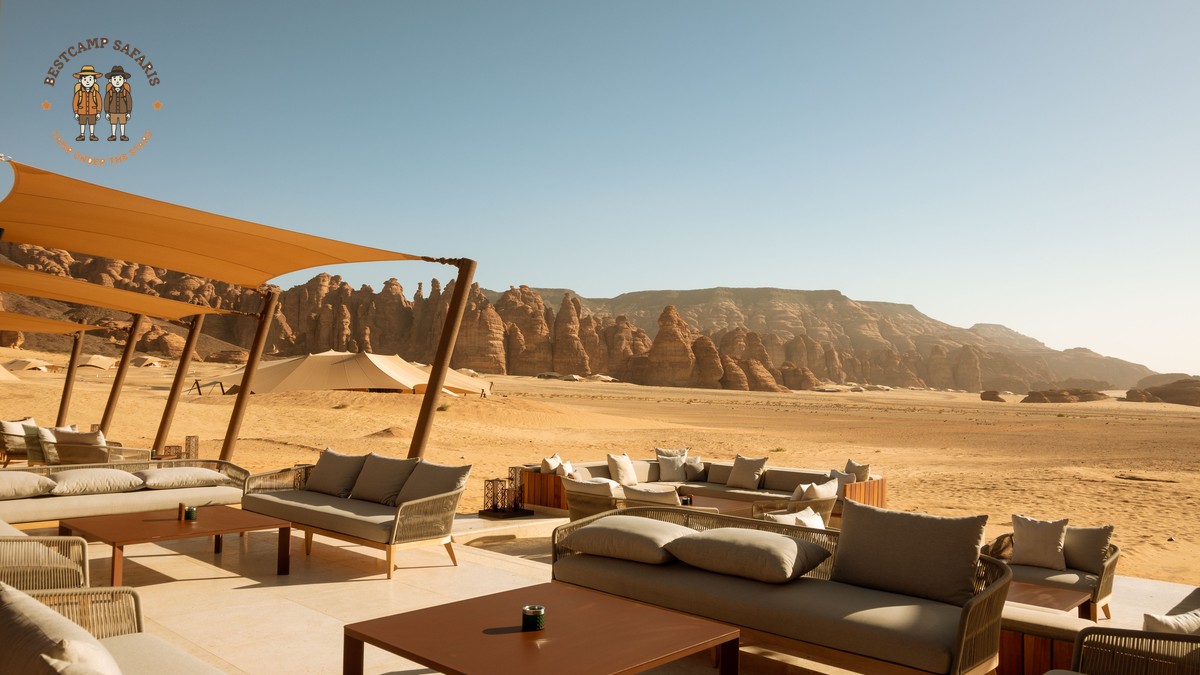
Permanent lodges and semi-permanent tented camps, the kind with concrete bases and solar-heated showers, almost always have flush toilets connected to a septic system. You’d only find a long drop there as a backup near a staff area.
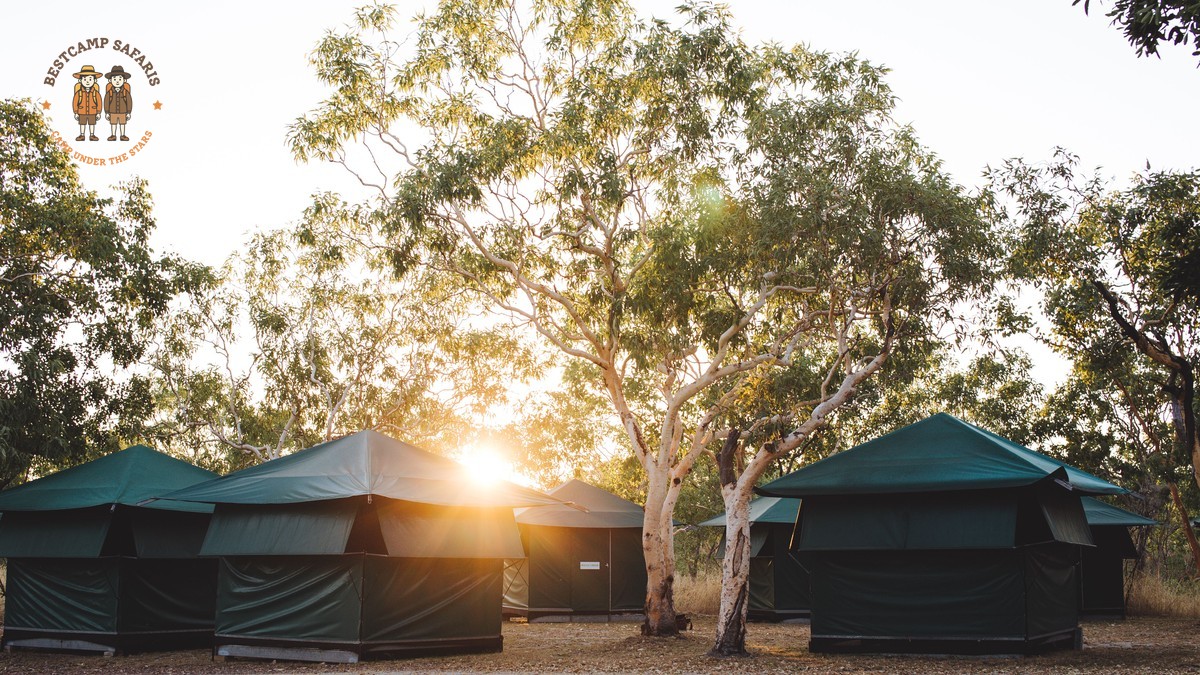
Walk-in and fly camps are different. These are set up fresh for a night or two, often in a conservancy or a remote stretch of reserve with no permanent structure at all. A mobile camping safari like this is built around a long drop, dug fresh for your stay and filled in again when the camp moves on. That’s not a downgrade. It’s what lets your tent sit somewhere a permanent lodge legally or practically can’t, closer to a river line, deeper into a conservancy, further from other vehicles.
Public rest stops inside parks like Amboseli or Tsavo West use long drops too, mostly because they see heavy foot traffic and pit systems are easier to maintain across a whole parking and picnic area.
Camp Type Comparison
| Camp type | Typical toilet | Shower | Approx. price range (per person/night) |
|---|---|---|---|
| Permanent lodge (e.g. Naboisho Conservancy) | Flush toilet, septic system | Hot running water | USD 350-700 (indicative, varies by lodge) |
| Semi-permanent tented camp | Flush or bucket-flush long drop | Bucket shower, staff-heated water | USD 250-500 (indicative) |
| Walk-in / fly camp (Mara North, Naboisho) | Long drop, ash-covered pit | Bucket shower behind canvas screen | USD 150-350 (indicative, often bundled with conservancy fees of USD 80-150/night) |
| Park rest stop (Amboseli, Tsavo West) | Public long drop | None | Included in park entry (Amboseli USD 90/adult/day non-resident) |
Prices vary by operator, season, and what’s included, so treat the ranges above as a starting point for planning, not a quote.
Hygiene: What Actually Affects Cleanliness
A long drop is only as clean as the staff maintaining it, and in a well-run mobile camp, that maintenance happens constantly. Ash or lime goes in after guests leave for the day. The seat and enclosure get wiped down each morning while you’re out on a game drive. Toilet paper is stored in a dry box or tin, not left loose to catch damp.
What changes the experience most is timing and location. A long drop dug in sandy, well-draining soil away from the kitchen tent stays far more pleasant than one placed poorly. This is one reason an experienced operator matters more than it might seem. Camp placement is a skill, not a formality.
What to Pack
Most camps supply toilet paper, but pack a small roll of your own as backup, especially for game drives. Beyond that, bring:
- Hand sanitizer, since handwashing water isn’t always instantly available at a walk-in camp
- Biodegradable wet wipes for dusty days
- A headlamp or small torch, hands-free is better than holding a phone light
- Insect repellent, more for the walk to the toilet at dusk than for the toilet itself
None of this needs to be expensive or specialized gear. A basic pharmacy list covers it.
Nighttime Use and Camp Safety
This is the question every first-timer actually wants answered: what happens if I need the toilet at 2am in an unfenced camp?
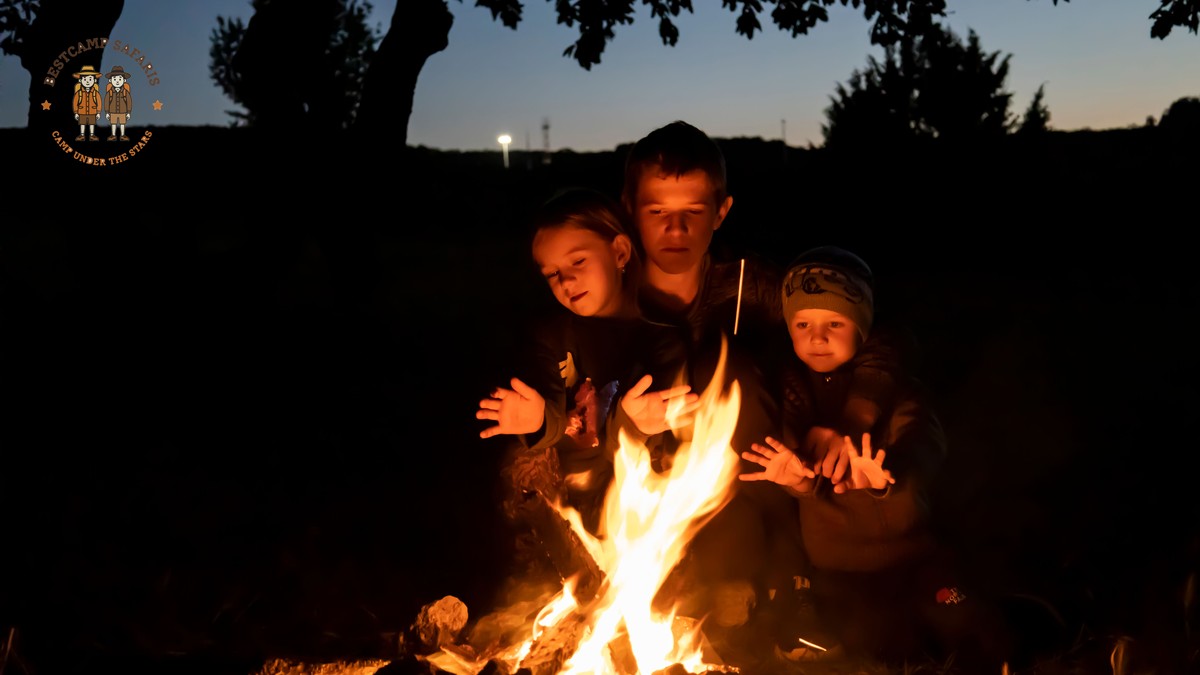
Here’s the real protocol at a proper mobile camp. Your tent has a call system, usually a whistle, a bell, or a two-way radio left by your bed. If you wake up needing the toilet, you call out or use the whistle. A night guard, who’s awake and stationed near the fire or walking the camp perimeter, comes to your tent with a torch and walks you to the toilet and back.
You do not walk to the toilet alone at night. That’s the rule at every camp we run, and it’s not overly cautious, it’s just how you handle sharing space with wildlife that has no fence to stop it. For more on what a night in camp actually sounds and feels like, our guide on what to expect if animals are near camp at night walks through the sounds you’ll hear and why they’re normal.
Most nights, nothing happens beyond a short torch-lit walk and the sound of the bush around you. It becomes routine by the second night, and some guests say it’s their favorite part of the trip.
Bush Stops During Game Drives
A long drop only applies at camp. Out on a game drive, there’s no toilet at all, just the bush. Your guide will find a safe, open spot with a clear sight line, usually near the vehicle, and check the area before you step out. Women often carry a small trowel and tissue kit for these stops, though most vehicles carry one too. It’s less awkward in practice than it sounds. Everyone’s doing the same thing.
Upgrades and Alternatives
If a long drop still isn’t for you, ask about private toilet tents when booking. Some operators, BestCamp Safaris included, can attach a dedicated ensuite canvas toilet to your tent for an added fee, still built over a pit, but private and a few steps from your bed rather than a shared walk across camp. It’s worth it for families with young kids or anyone who prefers not to use a shared facility after dark.
Portable chemical toilets exist too, mostly on higher-end mobile setups, but they’re less common in Kenya than the ash-pit long drop, which remains the standard for a reason: it’s simple, low-impact, and easy to dig and fill responsibly wherever the camp moves next.
Etiquette and Leave No Trace
Long drops work because everyone follows a few basic rules. Toilet paper goes in the pit, not beside it. Nothing else goes down, no wipes, no sanitary products, those go in the small bin provided. When camp breaks down, the pit gets filled in completely and the ground is left as close to untouched as possible. It’s a small routine, but it’s part of why mobile camping can operate in places a permanent lodge never could.
The BestCamp Safaris Difference
We’ve been setting up fly camps in the Mara ecosystem long enough to know that toilets are usually the first worry and the fastest one to disappear once you’re actually there. Our camp crews dig every long drop fresh, place it with wind direction and drainage in mind, and maintain it twice a day without you noticing the work behind it.
Every guest gets a night escort protocol explained on arrival, not buried in a pre-trip email. If you’d rather have a private toilet tent attached to your accommodation, we’ll tell you honestly which camps offer it and what it adds to the cost. We’d rather you know exactly what a night in the Mara looks like, ash pit and all, than sell you a version that skips the details.
Ready to See It for Yourself
A long drop toilet isn’t the trade-off first-timers worry it will be. It’s the small, practical price of sleeping somewhere genuinely wild, with the sounds of the bush right outside your canvas wall. If you’re ready to plan a mobile camping trip with the logistics handled properly, get in touch with BestCamp Safaris and we’ll walk you through exactly what your camp, and your nights, will actually look like.


