
 Wildlife Tours
I woke up at 5am in a mobile camp on the edge of the Mara North Conservancy and heard the crew already moving. Someone was folding canvas chairs. Someone else was loading the Land Cruiser with thermoses of coffee before the sky had even turned grey. That quiet, expensive machine running before sunrise is the real answer to why Kenya safaris cost what they do.
It’s a fair question: why are Kenya safaris so expensive? It is not just marketing. Every person you hear moving around camp before dawn is on payroll, fed, housed, and driven there. That adds up fast, and it is only one line item among many.
Why Are Kenya Safaris So Expensive: The Short Answer
A Kenya safari is expensive because a small number of guests are served by a large number of skilled people. These camps sit in places with no roads, no grid power, and no easy resupply. Add park and conservancy fees that fund wildlife protection, plus vehicles and fuel built for terrain that eats both, and the price stops looking like markup and starts looking like math.
For the exact numbers by day and by camp type, our real 2026 day-by-day safari pricing breaks it down further than this post can.
What it actually takes to move a mobile camp
A permanent lodge builds once. A mobile tented camp rebuilds every time it moves, sometimes every few weeks during migration season. That means a crew of eight to twelve people: drivers, a cook, a camp manager, waiters, and porters. They travel ahead of guests to dig latrines, pitch canvas, and get the mess tent standing before anyone arrives.
Fuel for that supply truck alone can run 40 to 60 liters for a single relocation between conservancies. Prices run well above what you would pay in Nairobi, because the fuel has to be trucked out to the bush in the first place. Add wages, food for the crew (not just guests), radio and satellite communication gear, and water trucked or pumped in daily. Now you can see why a night under canvas in a private conservancy can cost more than a room in a fixed lodge with a swimming pool.
Vehicles are not cheap to run out here
A safari-spec Land Cruiser, the kind with a pop-up roof and reinforced suspension, costs more to buy, insure, and maintain than a standard van. Corrugated roads in Tsavo and river crossings near the Mara chew through tires, shocks, and clutches. Operators budget for a full suspension overhaul roughly every 60,000 to 80,000 km, sooner on rough conservancy tracks.
Fuel consumption on game drives is also higher than highway driving because vehicles idle in low gear for hours, following animals off-track. None of that shows up on a menu, but it is baked into the day rate.
Park and conservancy fees, real numbers
This is the part most articles gloss over. Fees vary by park, by season, and by whether the land is government-run or community-owned. Here is what non-resident adults actually pay per day, current as of 2026:
| Park or Reserve | Managed By | Non-Resident Fee (per adult/day) |
|---|---|---|
| Masai Mara National Reserve | Narok County Government | USD 100 (Jan-Jun), USD 200 (Jul-Dec) |
| Amboseli National Park | Kenya Wildlife Service | USD 90 |
| Lake Nakuru National Park | Kenya Wildlife Service | USD 90 |
| Tsavo East / Tsavo West | Kenya Wildlife Service | USD 80 |
| Nairobi National Park | Kenya Wildlife Service | USD 80 |
| Chyulu Hills National Park | Kenya Wildlife Service | USD 40 |
| Naboisho / Mara North Conservancy | Private conservancy | roughly USD 80-150 per person/night, bundled into camp rates |
Note the Mara reserve fee doubles from July through December, exactly when the wildebeest migration crosses the Mara River. That single fee shift explains a huge chunk of the “why is the Mara so expensive” question on its own.
Conservancy fees look steep next to national park fees, but they fund something different: land lease payments to Maasai landowners who agree not to farm or fence their ground. Fewer vehicles are allowed in per square kilometer, which is why conservancy game drives feel emptier and calmer than reserve drives. If you want the full math on where that conservancy money goes, see how conservancy fees are actually calculated.
Cost by tier, per person per day
These are indicative ranges, not fixed prices, since camps and seasons vary:
| Tier | Per Person/Day (USD) | What You Get |
|---|---|---|
| Budget/camping | 150-280 | Shared or basic tents, set camps, group vehicles |
| Mid-range | 300-550 | En-suite tents, better food, smaller groups |
| Luxury | 600-1,000 | Private mobile camps, star-bed nights, dedicated guide |
| Ultra-luxury | 1,000-2,000+ | Private conservancy access, personal vehicle, top-tier chefs |
For a closer look at what separates these tiers beyond the price tag, our guide on what you actually get at each price tier walks through actual camp layouts and staff ratios.
What is usually included, and what is not
Most quotes include accommodation, meals, game drives, park fees, and a guide. Most quotes exclude international flights, Kenya’s eTA (currently USD 34 for most nationalities), tips, alcoholic drinks, and any internal flights between parks. Internal flights feel expensive for the distance covered, sometimes USD 150-300 for a 45-minute hop. The planes are small, fuel is trucked to remote airstrips, and there is no cheaper alternative once you are past the paved road network.
Tipping is not optional in practice, even if it is technically discretionary. A common guideline is USD 15-20 per guest per day for the guide, and USD 10-15 per day pooled for camp staff.
Seasonal swings and the migration premium
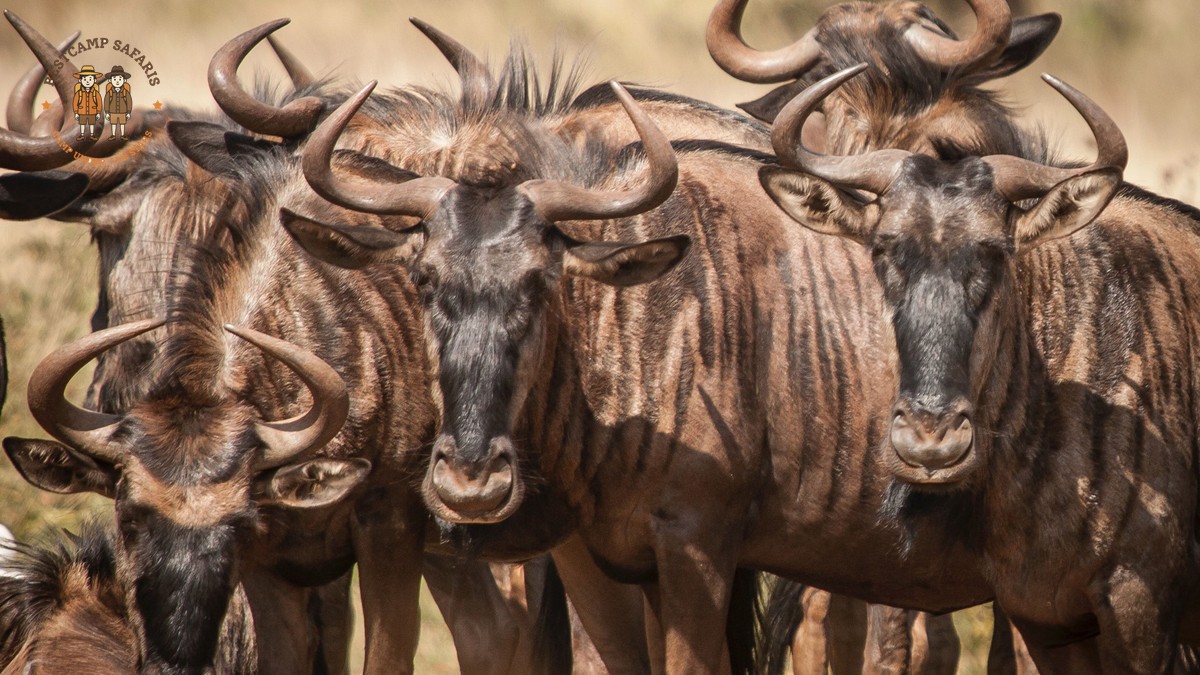
Prices climb from July through October when the wildebeest migration is in the Mara, and again around Christmas and New Year. Fees double, camps raise nightly rates, and availability tightens. Traveling in April through May, the long rains, can cut costs by 20 to 30 percent, though some camps close briefly during the heaviest rain.
Kenya versus Tanzania, briefly
Tanzania’s Serengeti park fees and crater conservation fees run high too, and its remoteness adds similar logistics costs. Neither country is reliably cheaper across the board. Kenya often wins on shorter transfer distances between parks, which can lower internal flight and fuel costs over a multi-park itinerary.
How to lower the cost without gutting the trip
Travel in shoulder season, April to May or November. Choose a conservancy with a lower per-night rate than the marquee names. Shorten the trip to five or six days instead of ten and spend more time in fewer places, since moving camp is itself a cost driver. Skip the internal flight for a road transfer where the drive is under four hours, such as Nairobi to Amboseli at roughly 240 km and four hours by road.
The BestCamp Safaris Difference
We run mobile camps ourselves, so we know exactly which costs are structural and which are markup. Our crews are paid fairly and consistently, not just during peak season, which keeps the same experienced hands moving your camp instead of rotating casual labor in July. We book conservancy access directly, without a chain of middlemen adding their own margin on top of the land fee. And we tell you upfront which nights are worth the luxury tier and which can drop to mid-range without losing the experience, because we have slept in both.
Plan your trip
If you want a Kenya safari that spends money on what matters, the crew, the conservancies, the guiding, we would like to help. We keep layers of commission out of the price. Visit our Kenya safari trips page or get in touch to start building an itinerary that fits your budget and your dates.


