
 Wildlife Tours
I have sat with a coffee at 5am in Mara North, listening to a lion roar somewhere past the tree line, and watched my guide’s face change as he counted the seconds between calls. That is how you learn lion pride territory dynamics in the Masai Mara. Not from a map, but from sound moving across grass in the dark.
Understanding how prides hold ground changes how you plan a photography trip here. It tells you where to camp, when to wake up, and why the pride you photograph this July might not be in the same valley next July.
What Actually Makes a Pride
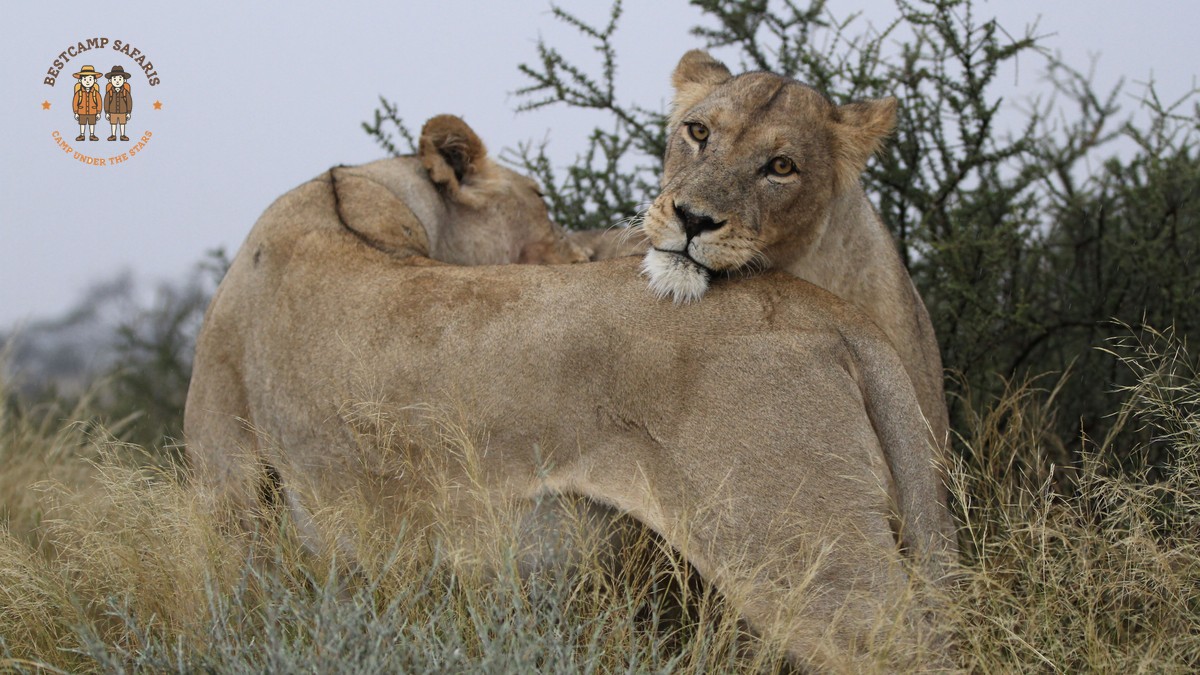
A pride is built around a core group of related lionesses, usually mothers, daughters, and sisters, who stay together for life. They do the bulk of the hunting and raise cubs communally, often nursing cubs that are not their own.
Male lions are visitors by comparison. A coalition of two to four males, sometimes brothers, sometimes unrelated males who teamed up as nomads, holds breeding rights over one or more prides. They rarely stay past three or four years before a younger, stronger coalition pushes them out.
This structure matters for photographers. Lionesses give you the predictable behavior, hunting at dawn and dusk, moving cubs between den sites. Males give you the drama, roaring bouts, boundary patrols, and the occasional fight that ends a coalition’s reign in one afternoon.
Lion Pride Territory Dynamics in the Masai Mara: How Big Is a Territory?
Territory size in the Masai Mara ecosystem ranges from about 20 to 400 square kilometers, depending on prey density and water access. Prides near the Mara River, where prey concentrates during the migration, hold smaller, richer territories. Prides in drier country toward the reserve’s eastern edge need far more ground to feed the same number of mouths.
Males mark these boundaries with urine scent posts, roaring, and physical patrols along the edges, often walking the same routes for months. A roar can carry up to 8 kilometers on a still night, which is exactly what I was hearing that morning in camp. It is a warning to rival coalitions as much as a call to the pride.
Territories are not fixed lines on a map. They shift with the seasons, with rainfall, and with which coalition currently holds the ground. That single fact is the reason no operator, including us, can promise you a specific pride on a specific date.
Where the Named Prides Live Now
Guides and blogs love naming prides: Marsh, Topi, Rekero, Black Rock, Sopa, Rongai. It helps to know roughly where each one holds ground. Just as important is whether that ground sits inside the crowded main reserve or a quieter private conservancy.
The Marsh Pride is the most famous pride in the Mara, thanks to the BBC’s Big Cat Diary and Dynasties. It holds territory near Musiara Marsh, close to Musiara Gate in the National Reserve itself. That means high vehicle density whenever they are found. Leadership there has changed hands more than once. As of late 2025, the Topi Boys coalition controls the pride, having taken over from the previous males in December 2024, though coalitions this young rarely hold for long.
The Topi Pride and Rekero Pride range closer to the Talek area and the reserve’s conservancy borders. Black Rock Pride holds ground inside Mara North Conservancy, where vehicle numbers are capped by agreement between camps and the local Maasai landowners. Sopa Pride territory sits near Sekenani Gate in the reserve’s south. Rongai Pride ranges along the Sand River toward the Tanzania border, one of the wilder, less visited corners of the ecosystem.
If you want fewer vehicles and more patient, unhurried sightings, private conservancies versus the national reserve is the trade-off to understand before you book anything.
Male Coalitions and the Cost of a Takeover
When a new coalition takes a pride, the first weeks are brutal. Incoming males often kill cubs sired by the previous males, a behavior called infanticide. It brings lionesses back into fertility sooner, so the new males can father their own cubs.
This is hard to watch and harder to explain to first-time visitors. I tell people plainly, because I would rather they hear it from me than be shocked by it in the field. It is also why cub survival in the Mara is closely tied to how stable a coalition’s hold on a territory is. Prides with coalitions that have held ground for two or three years tend to have more surviving cubs than prides mid-takeover.
Territorial fights between rival coalitions do happen, and they can be fatal. Guides track these tensions closely, because a fight often means a pride’s territory, and its viewing patterns, are about to change.
Hunting, Prey Density and the Migration Connection
Pride territory size tracks prey density almost exactly. Areas with year-round water and grazing support smaller, tighter territories with more lions per square kilometer. That is why Mara River-adjacent prides, and prides along the Talek and Olare Orok rivers, tend to be the most consistently photographed.
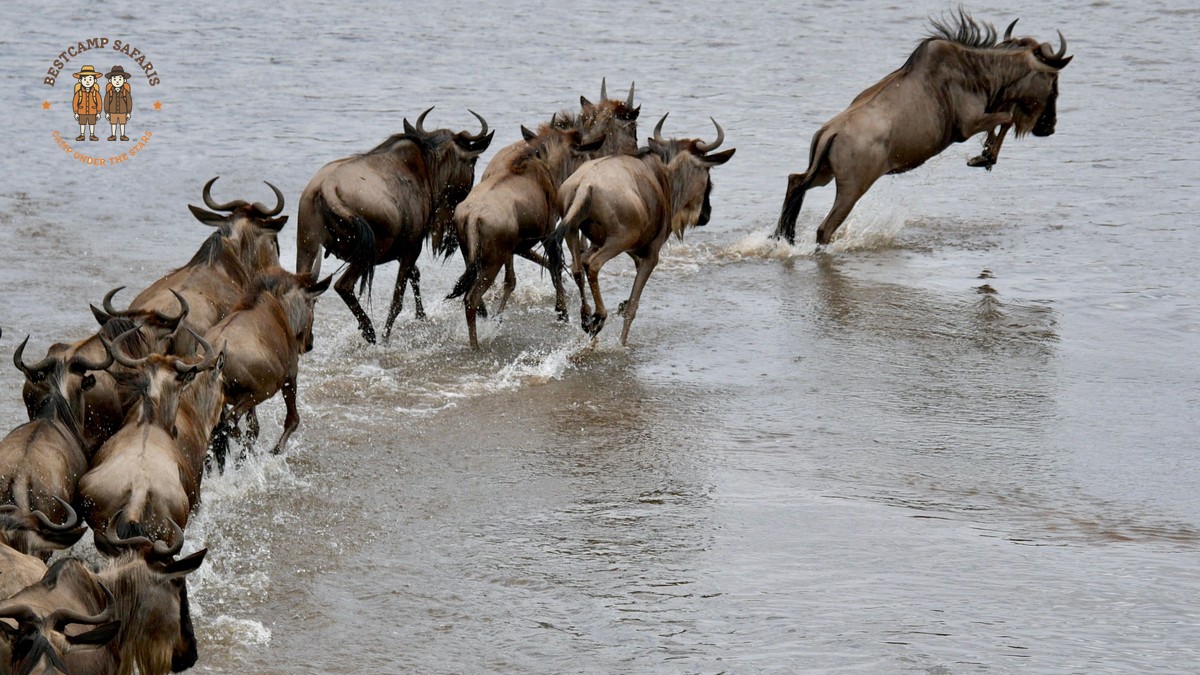
During the wildebeest migration, roughly July through October, prey density spikes across the whole ecosystem, and lions near river crossings feed well without ranging far. Outside migration season, resident prides fall back on resident game: topi, warthog, and impala, hunted mostly at dawn, dusk, and moonlit nights.
Best Time and Place for Lion Photography
For light and patience, I favor June through September. Grass is shorter after the dry season sets in, cats are easier to spot, and afternoon storms build dramatic skies for golden hour. For the best season for lion sightings more broadly, that dry stretch is hard to beat.
Camp position matters more than most people expect. A camp inside or bordering Mara North or Naboisho Conservancy gets you to a pride’s territory before the reserve’s day-tripper vehicles arrive. Conservancy rules on off-road driving and vehicle limits per sighting mean you can get low, clean angles instead of shooting past six other roofs. If you want to understand the crowd problem directly, read up on vehicle congestion around famous prides like the Marsh Pride before you pick a camp.
| Area | Type | Approx. distance from Musiara Gate | Drive time | Entry fee (non-resident) |
|---|---|---|---|---|
| Masai Mara National Reserve | County-run reserve | 0 km | – | USD 100/day (Jan-Jun), USD 200/day (Jul-Dec) |
| Mara North Conservancy | Private conservancy | ~15 km | 30-40 min | USD 80-150/night, bundled into camp rate |
| Naboisho Conservancy | Private conservancy | ~25 km | 45-60 min | USD 80-150/night, bundled into camp rate |
| Ol Kinyei Conservancy | Private conservancy | ~35 km | 60-75 min | USD 70-120/night, indicative range, bundled into camp rate |
Note that the National Reserve fee is set by Narok County Government, not Kenya Wildlife Service, and it roughly doubles from July, right when migration crowds peak.
The BestCamp Safaris Difference
We build itineraries around where the lions actually are, not where a brochure says they should be. Before every trip, our guides check recent coalition movements and pride locations across both the reserve and the conservancies we work with.
We are honest that pride names shift. The Marsh Pride you read about from 2018 is not the Marsh Pride you will see today, different males, sometimes different lionesses. What we can promise is a mobile camp positioned to reach a pride’s territory at first light, before the vehicle queues form. We also promise a guide who will tell you straight what the current takeover situation looks like before you ask.
For photographers, that means fewer wasted mornings and more time waiting quietly with the right light, which is really what patient lion photography comes down to.
Plan Your Lion Photography Safari
If territory dynamics, coalition news, and camp positioning are starting to matter more to you than a simple checklist of animals, we would like to help you plan around them. Get in touch through our contact page and tell us what you are hoping to photograph this season.


