
 Wildlife Tours
I once watched a leopard sighting turn into a 30-vehicle scrum on the Talek River. Engines were running and guides were talking over each other on the radio. The cat was pinned flat against a fig tree root with nowhere quiet left to go. If you have stayed at a Mara lodge before, you have probably seen something close to this. This post covers why it happens, what the actual rules say, and where a repeat visitor can go instead for a quieter, closer encounter. This is a plain guide to Masai Mara vehicle congestion sightings etiquette.
Why the Masai Mara gets so crowded at a sighting
The Masai Mara National Reserve covers about 1,510 square kilometers. Most of the good game viewing happens on a much smaller grid of tracks near the Mara and Talek rivers. During the wildebeest migration, from around July to October, hundreds of vehicles chase the same handful of predators and crossing points each day.
Add radio networks that share sightings in real time. A lion kill or a river crossing can pull in every vehicle within five kilometers in under ten minutes. Guides are not being lazy or greedy. Guests want the photo, and guides get judged on delivering it.
The official rules: five vehicles, ten minutes, and a real distance
Narok County, which manages the reserve, sets clear numbers for sightings. They are not always followed, but they exist:
- No more than five vehicles at one sighting at a time.
- A ten-minute limit per vehicle once five are present, so others can rotate in.
- A minimum distance of about 25 meters from big cats and other sensitive wildlife.
- Vehicles should stay roughly 100 meters back from a river crossing point until the herds commit, so the animals are not spooked off the bank.
These rules apply across the reserve, though enforcement varies by area and by ranger presence on a given day.
The 2024 private vehicle ban, and what it actually changed
In 2024, Narok County tightened access to the reserve by barring self-drive private vehicles from entering. Only registered tour operator vehicles with licensed professional guides are now allowed inside the Masai Mara National Reserve gates.
For a repeat visitor, this matters less than it sounds. You were already touring with a guide, not a rental car. The practical effect is fewer amateur drivers cutting across grass for a better angle. In theory it also means better radio discipline, since every vehicle now belongs to an operator with a reputation to protect.
What all those vehicles actually do to the wildlife
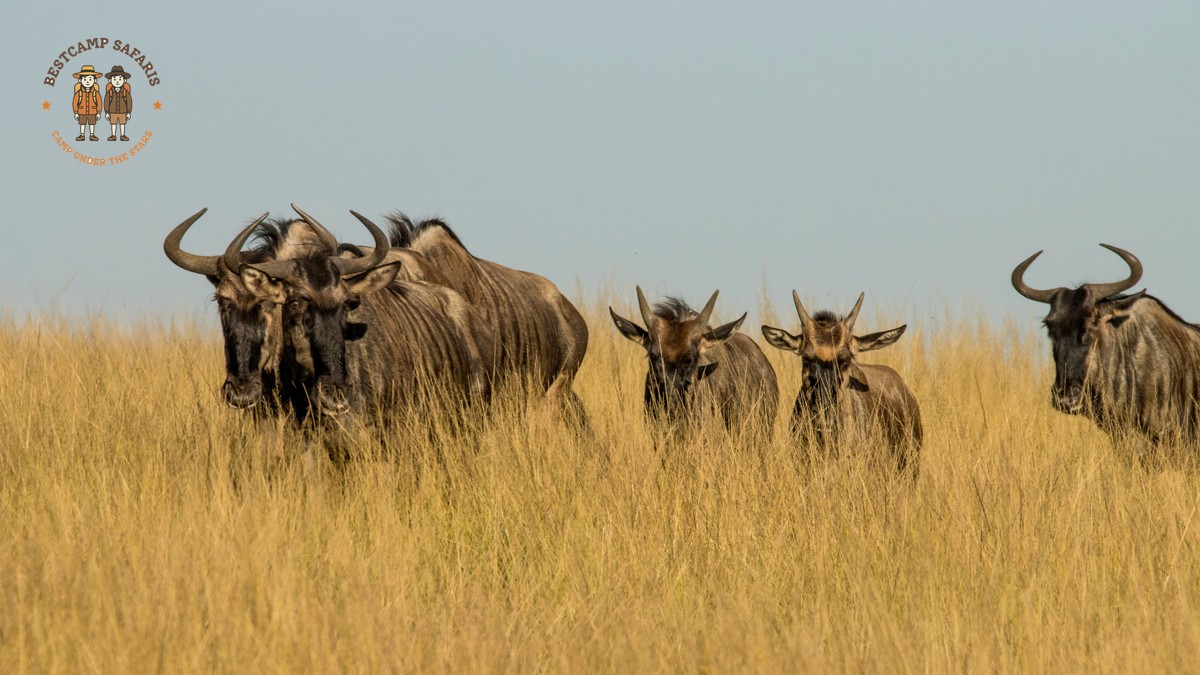
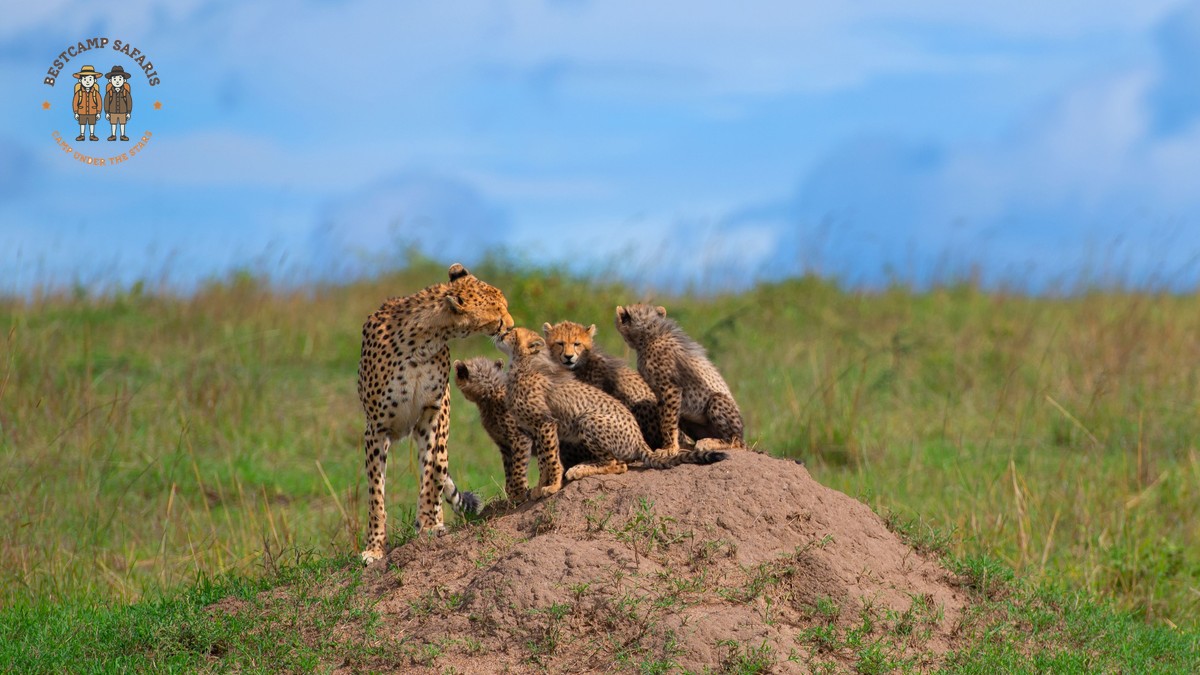
Congestion is not just a bad photo. A cheetah with cubs will abandon a hunt if boxed in by engines. Lions resting after a kill get pushed off their own carcass by vehicles nosing in for a better line of sight. At river crossings, a wall of vehicles too close to the bank can turn a herd back for hours. That wastes daylight the animals need to cross safely before dark. If you want to understand why wildebeest cross the Mara River, it helps to know that a spooked herd often does not try again that day.
Masai Mara vehicle congestion sightings etiquette: what separates a good guide from a bad one
A guide who has done this for years shows it in small habits, not big speeches.
- Engine off once the vehicle is parked and the sighting is settled, unless repositioning for light.
- Radio calls kept short and specific, not a running commentary that draws in every car within range.
- No off-roading to chase a better angle. Reserve rules ban driving off marked tracks, and conservancies enforce this even harder.
- No flash photography at night or at dusk, since it can startle a hunting predator mid-stalk.
- A willingness to leave a crowded sighting early rather than add a sixth vehicle to a five-vehicle scrum.
Ask your operator about this before you book. A good answer is specific. A vague answer, like “we always follow the rules,” usually means they have not thought about it much.
Conservancies vs the reserve: the real trade-off
The most common fix agencies suggest is simply “book a conservancy.” That is true, but it comes at a cost. It is worth seeing the numbers side by side rather than taking that advice on faith.
| Location | Non-resident fee | Typical vehicle density | Night drives | Walking safaris |
|---|---|---|---|---|
| Masai Mara National Reserve | USD 100/adult/day (Jan-Jun), USD 200/adult/day (Jul-Dec) | Up to 5 vehicles per sighting, often more in practice | Not allowed | Not allowed |
| Mara North Conservancy | Roughly USD 80-150/person/night, bundled into camp rates | About 1 vehicle per 350 acres, by conservancy agreement | Allowed | Allowed with a guide |
| Naboisho Conservancy | Roughly USD 80-150/person/night, bundled into camp rates | Similarly low density, capped bed numbers per landowner | Allowed | Allowed with a guide |
A private conservancy vs national reserve comparison usually comes down to this. You pay more per night in a conservancy, but you get night drives, walking safaris, off-road access under guide supervision, and far fewer vehicles at any sighting. For a repeat visitor who has already done the classic reserve game drive, that trade often makes sense.
Best time of day and year to dodge the jam
Early morning, right after the gate opens at 6am, is quieter than mid-morning. Most camps push a 5:30am wake-up call for exactly this reason. Coffee by lamplight, a quick check of tyre pressure, and you are on the tracks before the second wave of vehicles leaves camp.
Seasonally, June and November are worth a look. June has good grass and cooler mornings before the July migration crowds arrive. November often has fresh green growth after the short rains, with far fewer vehicles on the tracks. For a fuller picture of when the Mara is least crowded, timing your trip around the shoulder months matters more than almost any other single decision.
What to do if you arrive at an already-crowded sighting
Ask your guide to hang back and wait for a gap, rather than pushing in as a sixth or seventh vehicle. Most good sightings settle down within 15 to 20 minutes as vehicles rotate out. If it does not thin out, move on. A fresh track search often turns up something just as good, without an audience.
Beyond the Mara: quieter country for a repeat visitor
If you have already done a Mara lodge stay, the bigger fix might be skipping the reserve’s peak months altogether. Samburu National Reserve sits about 325 kilometers north of Nairobi, roughly a six-hour drive or a one-hour flight. It sees a fraction of the Mara’s vehicle traffic even in high season. Laikipia’s private conservancies, around 200 kilometers north of Nairobi, mix walking, horseback, and vehicle safaris with almost no other cars in sight.
Meru National Park, about 350 kilometers northeast of Nairobi, is one of the emptiest parks in Kenya relative to its size. Chyulu Hills National Park, next to Amboseli, charges a KWS fee of USD 40 per adult per day. It offers fly-camping on volcanic hills with views toward Kilimanjaro and almost no other tourists. A mobile tented fly-camp in any of these areas means falling asleep to real bush sound, not a generator hum from the next-door lodge.
The BestCamp Safaris Difference
We brief every guide on radio etiquette and the five-vehicle rule before a trip starts. It is a standing instruction, not just a line in a manual: leave a sighting early rather than crowd it. We build itineraries that mix a reserve morning with conservancy or fly-camp nights, so you get the migration spectacle without spending every game drive in a queue. Our guides carry portable star-beds and know the walking routes in Laikipia and around Chyulu Hills. We think a repeat visitor deserves a different trip, not the same one with a longer flight.
Plan your next Mara trip with fewer crowds
If the traffic jam at your last sighting is the reason you are reading this, let’s plan something different for next time. Get in touch through our contact page and we will build an itinerary around conservancies, fly-camps, and the quieter parks that still deliver the big five.


