
 Adventure Tours
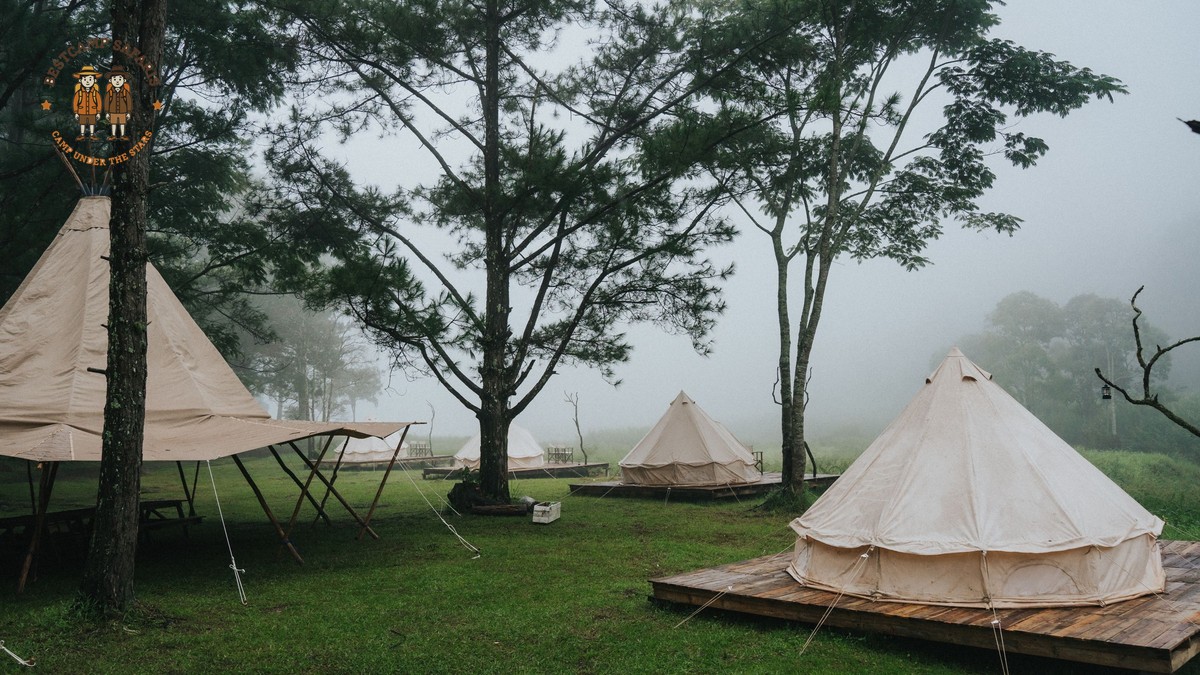
I have woken up in a mobile tented camp in Naboisho Conservancy at 5:15am and pulled on a fleece over my sleeping clothes. Then I was in a vehicle with a flask of coffee balanced on my knee, before the sky had properly turned grey. Fifteen minutes later we were parked next to a pride waking up on a termite mound, and the light was still soft enough to shoot without a filter.
That fifteen minutes is the whole point of this post. Camp proximity early game drive timing is not a small detail on a booking form. It decides how much of the best light you actually get to use, before it burns off into a flat, harsh midday glare.
Camp Proximity Early Game Drive: Why Location Decides How Much of the Morning You Actually Get
Sunrise in the Masai Mara region lands around 6:30am for most of the year. The light stays low, warm, and workable for roughly 60 to 90 minutes after that. Predators are still moving, hunting, or finishing a kill from the night before.
If your camp sits inside the wildlife area, you can be parked and shooting by 6:00 to 6:20am, right as the light turns gold. If your camp is 40km away, near a town or outside a reserve gate, you may not reach the same spot until 7:30 or 8:00am. By then the light has hardened and many predators have already bedded down in shade.
This is not a small gap. It is the difference between photographing a lion mid-hunt and photographing a lion asleep under a bush at midday.
The First Hour After Sunrise, and Why It Fades Fast
Wildlife activity peaks early for a simple reason: heat. Once the ground temperature climbs, big cats stop moving and rest. Herbivores drift into shaded thickets. By 9am on a clear day, much of the drama has already happened.
Photographers know this instinctively, but it is worth saying plainly. A camp that gets you into the field by 6am is not offering a nicer view. It is offering more usable minutes inside a window that closes fast. That window usually shuts before 9:30am in the dry months, and sooner during the hot, dusty stretch from January to March.
Conservancy Camps vs Reserve-Gate Camps: Different Gates, Different Math
This is where camp proximity starts to matter in ways most blog posts skip over.
Camps inside private conservancies, such as Naboisho Conservancy or Mara North Conservancy, are not bound by fixed reserve gate hours. Drives can start before sunrise and run past sunset, including night drives, which are banned inside the Masai Mara National Reserve itself. Vehicle numbers per sighting are also capped by conservancy agreements with the Maasai landowners, which usually means fewer vehicles crowding a single cat sighting.
Camps outside the reserve, near towns like Talek or gates such as Sekenani and Oloolaimutia, generally follow standard reserve hours. Drives begin around 6am once the gate opens and end by 6:30pm. If your camp is 20 to 40 minutes from the gate itself, you lose that time before you have even started counting drive time inside the reserve.
For a fuller breakdown, see what changes between a conservancy camp and a reserve camp.
In-Camp Sightings vs Driving Time: What You’re Really Paying For
A camp that costs more per night because it sits inside a conservancy is often not charging you for luxury. It is charging you for location.
Guests at camps positioned inside Naboisho or Mara North regularly report predator sightings from the mess tent. Some see them on the short walk between tents with an armed guide after dark. That is not marketing language. It happens because the camp sits inside the animals’ actual range, not on the edge of it.
Compare that to a budget camp 30km outside the reserve. The nightly rate might be lower, but you will spend a real chunk of your morning covering ground in a vehicle before the game drive even starts. For a closer look at how this adds up over a multi-day stay, read how driving time eats into your game viewing.
Here is how that plays out with real numbers.
| Camp location | Approx. distance to prime wildlife area | Typical drive time | Gate rules | Indicative rate |
|---|---|---|---|---|
| Inside Naboisho Conservancy | 0-5 km | 5-15 min | No fixed hours, night drives allowed | USD 80-150/person/night (conservancy fee bundled) |
| Inside Mara North Conservancy | 0-6 km | 5-15 min | No fixed hours, night drives allowed | USD 80-150/person/night (conservancy fee bundled) |
| Near Talek town, outside reserve | 5-15 km to Talek Gate and the central reserve | 20-45 min | Reserve hours, roughly 6am-6:30pm | Reserve fee USD 100-200/adult/day (Narok County) |
| Just outside Sekenani Gate | 30-40 km to Mara River crossing points | 60-90 min | Reserve hours, plus gate queue | Reserve fee USD 100-200/adult/day (Narok County) |
| Camps near Aitong town | 5-15 km to Mara North Conservancy boundary | 15-30 min | Depends on entry point used | Varies by camp, indicative USD 60-120/night |
Distances and drive times are approximate and depend on road conditions, which change with the rains. The Masai Mara National Reserve fee is set by the Narok County Government, not KWS. It rises to USD 200/adult/day from July through December to cover the migration season we are in right now.
Morning Game Drive Departure Times By Season
Departure times shift with the sun. In June and July, when it is cooler and sunrise comes slightly later, most camps roll out around 6:15am. By September and October, sunrise is closer to 6:25am and camps tend to hold departure until closer to 6:30am so guides can actually see the tracks.
During the short rains in November, drives sometimes leave a little later still, since low cloud delays first light. None of this changes the core rule. Wherever your camp sits, the drive to the action starts eating into that first golden hour the moment the vehicle leaves camp.
The Trade-Off: Deep in a Conservancy vs Near a Town or Gate
Being deep inside a conservancy is not free of downsides. Camps far from any town mean a longer transfer from the airstrip, less phone signal, and higher nightly rates in many cases. If you are traveling with a group that wants a quick town run, or a tighter budget, a camp near Talek or Aitong might suit you better.
But for a wildlife photographer chasing the migration and the first hour of light, the maths favors proximity almost every time. Naboisho Conservancy is a conservancy where camps sit inside the wildlife area, not on its edge, and that single fact changes how many mornings you get right.
What to Expect on an Early Game Drive
The routine is fairly consistent across camps we run. A guide or camp attendant knocks on your tent around 5:15 to 5:30am, often with a tray of tea or coffee and a couple of biscuits. You dress in layers, since it can be close to freezing at that hour even in a warm month, then peel them off as the sun climbs.
Bring a beanie, gloves if you feel the cold, and something to cover your camera gear from dust. Most guides pack a thermos and rusks for a mid-morning stop, and a full bush breakfast if the drive runs long. Binoculars and a spare battery are worth having in your jacket pocket, not buried in a bag. The best light does not wait for you to dig.
The BestCamp Safaris Difference
We place our mobile camps inside conservancy land whenever the season and permissions allow it. That way guests are not spending the first hour of daylight in transit. Our guides know the current cat territories, the fresh tracks near camp, and which routes avoid the worst of the mud after rain.
We are also honest about the trade-offs. If you want a lower nightly rate and do not mind a longer morning drive, we will tell you that plainly rather than oversell a camp’s location. Camp proximity is a real variable in how your trip turns out, and we plan around it rather than ignore it.
Plan Your Trip
If first light and short drive times matter to your photography, let’s talk about where to place your camp. Visit our Naboisho Conservancy safari guide or reach out through our contact page to start planning.


