
 Adventure Tours
I woke up in Naboisho at 5:40am to the sound of a camp attendant zipping open my tent flap and setting down a tray of coffee. Outside, the grass was silver with dew and a hyena was calling somewhere past the acacias. No other vehicle engine, no other voice. If you have already done a lodge stay in the Masai Mara National Reserve and left wanting more space and fewer Land Cruisers, this naboisho conservancy safari guide is written for you.
Naboisho sits just southeast of the main reserve, part of the same Greater Mara ecosystem but run on a completely different model. It trades the reserve’s open-access crowds for a private, low-density setup where a handful of camps share land with roughly 500 Maasai families. The tradeoff is real, and I want to walk you through it honestly, with numbers, not superlatives.
Naboisho Conservancy Safari Guide: What Is Naboisho Conservancy?
Naboisho means “coming together” in Maa, and that is exactly how it formed. In 2010, about 500 Maasai landowners pooled roughly 50,000 acres (around 200 square kilometers) and leased it to a small group of safari operators. In exchange, camps pay the landowners directly for grazing rights and land use, and cap the number of guests allowed in at any one time.
That land-lease model is why Naboisho works. Cattle still graze on rotation with wildlife, which keeps the grasslands healthy. Vehicle numbers per sighting are capped, usually five or fewer. There is no day-tripper traffic because the conservancy is not open to non-guests, so the animals see far fewer vehicles than they do inside the national reserve.
Wildlife and Lion Density
Naboisho is best known for lions. Published counts put the population at around 100 individuals across the conservancy, which works out to one of the highest lion densities recorded anywhere in Africa. I have had mornings with three separate prides in under two hours, something I never managed in six years of Mara Reserve trips.
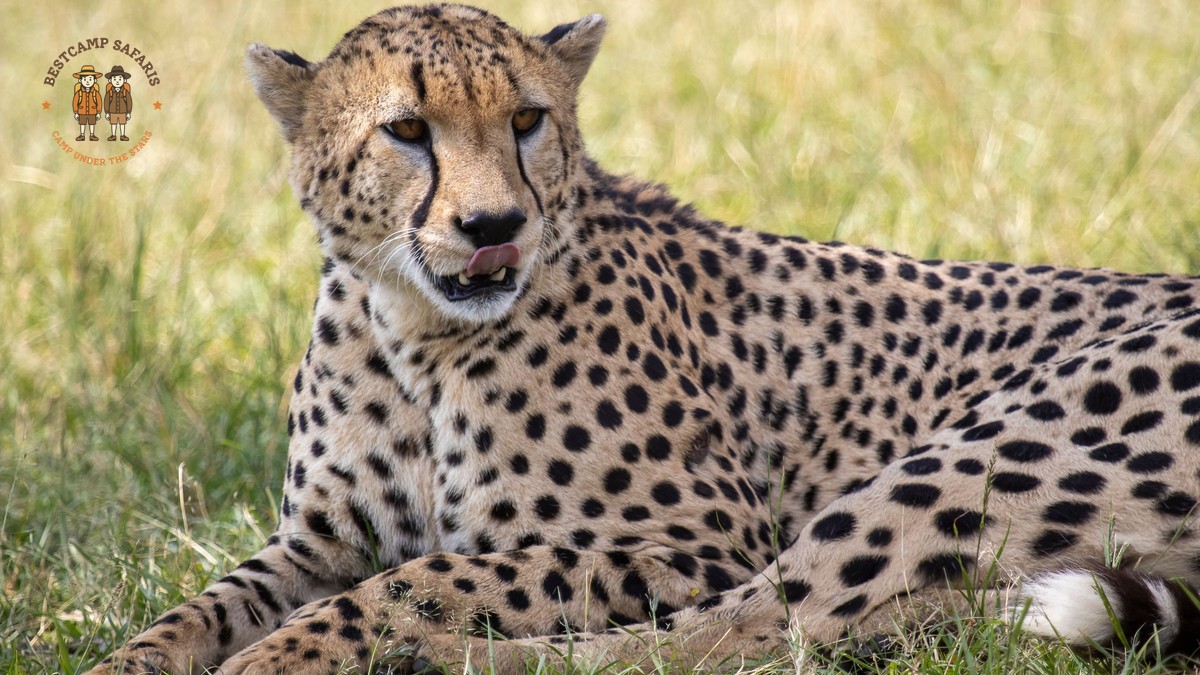
Leopards are harder but resident along the riverine forest edges near the Olare Orok. Cheetah sightings are common on the open plains toward the conservancy’s northern boundary. For a fuller picture of what you can realistically expect to tick off, including the Big Nine safari animals, it helps to understand how conservancy density compares to reserve numbers before you book.
Naboisho vs. Masai Mara National Reserve vs. Mara North
Here is the tradeoff, stated plainly. The Masai Mara National Reserve is where the wildebeest migration crosses the Mara River, usually between July and October. Naboisho does not get river crossings. What it gets instead is space, guaranteed off-road access, night drives, walking safaris, and lion numbers the open reserve cannot match because of vehicle pressure.
| Feature | Masai Mara National Reserve | Naboisho Conservancy | Mara North Conservancy |
|---|---|---|---|
| Size | ~1,510 km² | ~200 km² (50,000 acres) | ~300 km² (74,000 acres) |
| Non-resident daily fee | USD 100/day (Jan-Jun), USD 200/day (Jul-Dec) | Bundled into camp rate, roughly USD 80-150/person/night | Bundled into camp rate, similar range |
| Day visitors | Allowed | Camp guests only | Camp guests only |
| Off-road driving | Not permitted | Permitted | Permitted |
| Night game drives | Not permitted | Permitted | Permitted |
| Walking safaris | Not permitted | Permitted | Permitted |
| River crossings (migration) | Yes, seasonal | No | No |
| Approx. lion count | Higher total, spread thin | ~100 (dense) | Well-established prides |
Mara North and Naboisho are close cousins, both community conservancies bordering the reserve, both capping vehicle numbers. Mara North is slightly larger and sits further north with more open plains; Naboisho leans denser with woodland, which suits lion and leopard hunting behavior. If you have already done Mara North, Naboisho gives you a genuinely different landscape rather than a repeat trip.
Best Time to Visit Naboisho
Naboisho works year-round because it is not built around the migration. The dry season, from late June through October, gives the clearest game viewing and firmest tracks for walking safaris. January to March brings calving season on the plains, which pulls in predators hunting vulnerable young. April and May are the short and long rains, quieter, greener, and noticeably cheaper, though some roads get muddy.
If your priority is river crossings, you need the reserve in August or September. If your priority is lion density and quiet mornings, any month in Naboisho delivers.
Where to Stay: Camps by Price Tier
Rates shift with season and change year to year, so treat these as indicative ranges rather than fixed quotes. All figures are per person per night, sharing, and most bundle the conservancy fee into the nightly rate.
| Tier | Indicative rate (USD/person/night) | Example camps |
|---|---|---|
| Mid-range | 350-550 | Ol Seki Hemingways Mara, Encounter Mara |
| Luxury | 550-900 | Kicheche Valley Camp, Naboisho Camp (Basecamp Explorer) |
| Ultra-luxury / fly-camp style | 900-1,400+ | Eagle View Camp (Asilia), seasonal fly-camps and star-bed nights inside the conservancy |
Fly-camps and mobile tented setups are where Naboisho gets interesting for a repeat visitor. Several operators run seasonal star-bed nights or short mobile camps deeper into the conservancy, away from the permanent lodges. Ask specifically about these when you book, they are not always listed on a camp’s main page and they book out fastest during the July to October window.
Activities You Cannot Do in the Reserve
This is the real reason to choose Naboisho over another reserve lodge stay. Walking safaris let you read tracks, smell a fresh kill site, and hear the bush at ground level with an armed Maasai guide beside you. Night drives use a red-filtered spotlight to find genets, aardvarks, and hunting leopards that never show up on a 6pm reserve exit deadline.
Bush breakfasts and sundowners are common too, set up quietly ahead of time so you walk into a table laid out in open grass with no other vehicle in sight. It is a small thing, watching camp staff pack away a breakfast table by hand while a lookout scans the tree line, but it tells you how differently conservancies operate compared to the reserve’s fixed gates and hours.
How to Get There
Most guests fly. Wilson Airport in Nairobi to the Naboisho or Ol Kiombo airstrip takes about 45 minutes on scheduled flights with SafariLink or Air Kenya, usually two to three departures a day. Driving is possible but long, roughly 270 km through Narok town, taking five to six hours depending on road conditions, with the final stretch on murram track into the conservancy.
| Route | Distance | Approx. time | Mode |
|---|---|---|---|
| Nairobi (Wilson) to Naboisho airstrip | ~250 km air distance | 45 min | Scheduled flight |
| Nairobi to Naboisho via Narok | ~270 km | 5-6 hours | Road (4×4 recommended) |
| Naboisho to Masai Mara Reserve main gate | ~15-20 km | 30-45 min | Road transfer, arranged by camp |
Suggested Itinerary
A three-night Naboisho stay is enough to get a night drive, a walking safari, and at least one full day out on the plains. If you want to compare Naboisho against the reserve directly, add two nights inside the Mara Reserve itself, ideally at a camp near the Talek or Sekenani gates, and see the difference in vehicle density for yourself. Four to five nights total gives you both experiences without feeling rushed.
Conservation Fees and Costs
The conservancy fee in Naboisho is not a separate ticket booth charge like it is in the national parks. It is built into your camp’s nightly rate, typically adding USD 80 to 150 per person per night on top of accommodation and meals. Ask your operator to break this line out on your quote. Not every operator states it clearly, which is one of several conservancy fees your quote might not show if you are not asking the right questions upfront.
Is Naboisho Safe, and Is It Worth It?
Naboisho is as safe as any well-run private conservancy in Kenya. Camps carry radios, guides are armed on walks, and vehicle numbers are capped by conservancy rule, which lowers the risk of the crowded, sometimes reckless driving you can see at popular reserve sightings. For a repeat visitor who has already sat in a line of ten vehicles around one leopard, Naboisho is worth it specifically because that scenario cannot happen here.
The BestCamp Safaris Difference
We have run fly-camps deep in Naboisho and know which routes turn to soup after rain and which airstrips actually have working radio contact with camp. We quote the conservancy fee as its own line, not buried inside a “park fees” total, so you know exactly what you are paying for. And we will tell you plainly if a given week suits the reserve’s crossings better than Naboisho’s lions, rather than steering you toward whichever camp pays the highest commission. If you want a realistic read on your real odds of spotting the Big Five in a conservancy versus a reserve, ask us before you book, not after.
FAQs
Is Naboisho Conservancy worth visiting? Yes, particularly for repeat visitors who want walking safaris, night drives, and lower vehicle density than the main reserve offers.
What is the Naboisho conservation fee? It is bundled into camp rates, typically USD 80 to 150 per person per night, rather than charged as a separate gate ticket.
How many lions live in Naboisho Conservancy? Published estimates put the number around 100, among the highest lion densities recorded in Africa.
Is Naboisho better than the Masai Mara Reserve? Neither is strictly better. The reserve wins for migration river crossings; Naboisho wins for lion density, walking safaris, and space.
Naboisho vs Mara North Conservancy, which is better? Both run similar models. Mara North is more open plains, Naboisho leans denser and woodland, better for close lion and leopard work.
Can you do walking safaris and night game drives in Naboisho? Yes, both are permitted and are among the main reasons to choose a conservancy stay.
How do you get to Naboisho Conservancy from Nairobi? By air, around 45 minutes from Wilson Airport, or by road, roughly 270 km and five to six hours via Narok.
What is the best time of year to visit Naboisho? June through October for dry conditions, or January through March for calving season predator action.
Does Naboisho allow day visitors? No, the conservancy is limited to guests staying at its member camps.
How many days do you need in Naboisho Conservancy? Three nights is a solid minimum to cover a walking safari, a night drive, and a full game-viewing day.
Ready to see Naboisho’s lions for yourself, with real numbers on your quote from the start? Talk to BestCamp Safaris about planning your trip and we will map out a Naboisho stay that fits your dates and budget honestly.


