
 Adventure Tours
You have three days and a budget that will not stretch to a luxury lodge. That is fine. This Masai Mara budget camping itinerary is built around two nights under canvas and two full days inside the reserve. If this is your first time in Kenya, a camping safari can feel complicated. It does not have to be.
How many days do you need for a Masai Mara budget camping itinerary?
Three days and two nights is the practical minimum for a Masai Mara budget camping itinerary from Nairobi. One day gets you into the Mara, one day is wildlife time, and one day gets you home. Four days and three nights is better if the budget allows, because it adds another full wildlife day without repeating the long Nairobi transfer on a game-viewing day.
Think of the first and last days as transfer days with a little wildlife on the side. On Day 1 you drive from Nairobi, check in near the gate, and take an afternoon drive. On Day 3 you do the reverse. That leaves exactly one day with no long road transfer between game drives. Three days works if you accept that pace. If you want a relaxed visit with two full mornings in the park, choose four.
What does a three-day, two-night Masai Mara budget camping itinerary look like?
The workable version starts with an early Nairobi departure, a Rift Valley stop, arrival near Sekenani Gate, lunch, and an afternoon game drive. Day 2 is a full-day game drive with a packed lunch. Day 3 can include an optional early drive, breakfast, a Maasai village visit, and the road back to Nairobi.
That direct answer hides one detail worth planning around. Leave Nairobi no later than 6:30 a.m. The route climbs out of the city, drops through the Great Rift Valley, and runs west through Narok before reaching the reserve. The usual road distance from Nairobi to Sekenani Gate is roughly 250 to 300 km. Plan for five to seven hours with traffic, toilet stops, and gate formalities.
| Day | Plan | Road time | Budget note |
|---|---|---|---|
| Day 1 | Nairobi to Narok, then Sekenani Gate; afternoon game drive | Roughly 250 to 300 km, 5 to 7 hours | Reserve entry fee applies on arrival. Ask your camp to have dinner waiting. |
| Day 2 | Full-day game drive around Talek, the Mara River, and the open plains | 8 to 10 hours in the vehicle with a picnic lunch | Second reserve entry day. Carry water and light snacks. |
| Day 3 | Optional early drive, breakfast, possible Maasai village visit, return to Nairobi | Return drive 5 to 7 hours with a lunch stop | A third reserve day costs extra if you enter for another drive. |
The table assumes a budget camp outside the reserve, which costs less than staying inside. After clearing Sekenani Gate, the transfer to camp usually takes 15 to 30 minutes. If you stay inside the reserve, you skip that second gate run in the morning, but you pay for the convenience.
Where can you find budget camps near Sekenani Gate?
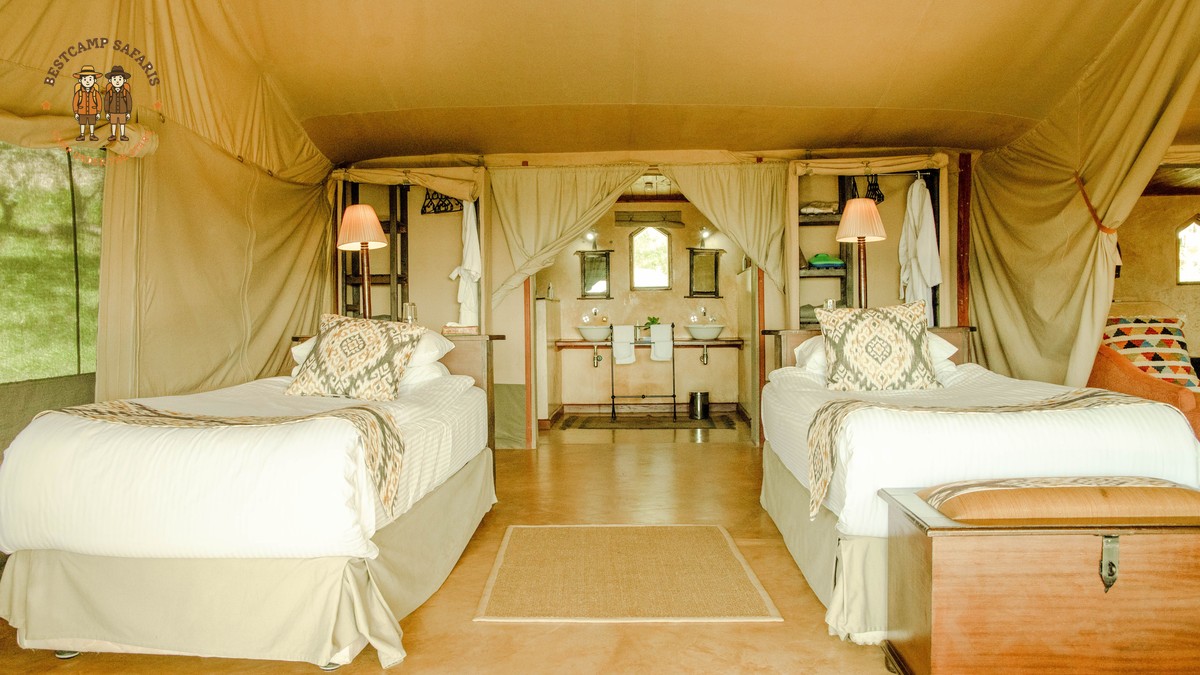
The lowest-cost options are campsites for travelers bringing their own tent, followed by furnished permanent tents, dormitories, and simple cabins near Sekenani Gate. Recent public listings show basic camping around $25 per person in some camps. Simple permanent tents and lodges commonly cost about $60 to $80 per night.
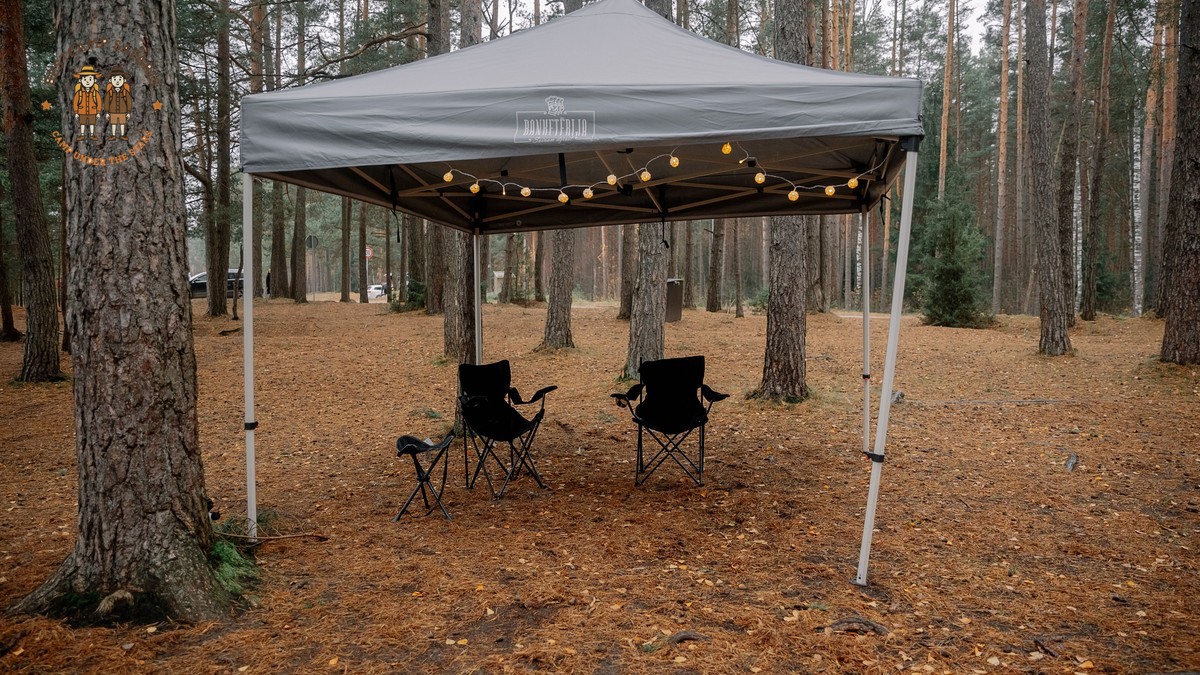
That $25 rate usually means a patch of grass in a shared campsite. It may not include a mattress, meals, or a safari vehicle. On a package camping safari, the per-night rate covers a prepared dome tent, a camp bed or mattress, and shared dining space. Read the itinerary, not just the nightly price.
When you search for budget camps near Sekenani Gate, you will see both Talek Gate and the main Sekenani entrance mentioned. Talek camps sit closer to the river and the central wildlife circuits. Sekenani camps sit closer to Nairobi and that first day of driving. Pick the side that matches the rest of your route. If the migration is the reason you travel, read our guide to best Masai Mara migration camp locations before choosing a camp.
Ask direct questions before you pay:
- Does the tent door close fully?
- Is there a socket for charging phones?
- Is drinking water provided?
- Are there flush toilets or chemical toilets?
- Is breakfast served before your 6:30 game drive?
How much does a Masai Mara budget camping safari cost in 2026?
A realistic three-day budget camping package commonly costs about $350 to $600 per person. That range assumes transport, meals, accommodation, park access, and shared game drives are included. The final price depends on group size, season, camp standard, and extras. Every quote should show those items separately.
The largest variable is the reserve fee. Masai Mara National Reserve is run by Narok County Government, not by Kenya Wildlife Service. The current non-resident entrance fee is $100 per adult per day from January through June and $200 per adult per day from July through December. On a trip with two reserve days, that adds $200 or $400 per adult unless the price already includes it.
| Masai Mara entrance fee for non-resident adults, 2026 | January to June | July to December |
|---|---|---|
| Per adult per day | USD 100 | USD 200 |
| Typical two-day cost on this itinerary | USD 200 | USD 400 |
Compare the middle package range, about $475, with a high-season reserve fee of $400. That is why a July or August quote can look much higher than a March quote. The camp cost may stay the same while your gate fee grows. When an operator sends a quote, ask for four lines: transport, camp and meals, reserve entrance, and optional activities.
Two travelers with a private vehicle should expect a higher per-person cost, since the vehicle, driver, and guide are paid regardless of group size. Ask for both shared and private quotes to see the gap.
What is the cheapest way to get from Nairobi to Masai Mara?
The cheapest practical route is by shared safari vehicle or public transport to Narok followed by onward transport toward Sekenani Gate. Driving from Nairobi generally takes about five to seven hours depending on traffic, road conditions, and stops. A shared vehicle costs more than matatus but simplifies luggage, camp arrival, and game-drive logistics.
A matatu from Nairobi to Narok is often the lowest ticket price in Kenya. The problem is the next leg: vans from Narok toward Sekenani leave only when full, on no fixed timetable. Miss the morning connection and you waste a day or pay for a night in Narok.
That is why most travelers on a 3-day Masai Mara safari take seats in a shared vehicle run by their safari operator. The vehicle usually has a pop-up roof for game viewing. You leave Nairobi early, stop at Narok for fuel, and aim for Sekenani Gate before lunch. The cost is wrapped into the package or added as a set transfer. Flying is faster but rarely budget-friendly enough for this plan.
Which Masai Mara game drives and add-ons are worth the money?
Prioritize one afternoon game drive on arrival and one full-day drive on Day 2. That gives the schedule the most time in the reserve. A Maasai village visit can be added for a separate fee. A hot-air balloon is a major upgrade rather than a budget activity. One public itinerary prices a village visit at about $25 and ballooning at about $450.
Do not skip the Day 1 afternoon game drive. It may only be two hours, but it gives you a first look at the reserve before predators start moving as the heat drops.
On Day 2, leave camp before sunrise. A full-day Masai Mara game drive should take a picnic breakfast or lunch into the reserve. Drivers often head toward the Talek River, the Mara River, and the open plains. The late morning is the slow time, so use it for a slow lunch under a tree. When you return after dark, camp staff will light the path back to your tent.
A Maasai village visit is a cultural activity with a village fee. Use your guide to confirm the fee before entering. Hot air ballooning is spectacular, but at around $450 it can cost as much as a full budget package. On a three-day trip, choose the village visit unless your total budget has clear room.
What should you pack for a budget camping safari?
Pack layers, a warm fleece, closed shoes, sunscreen, insect repellent, a headlamp, a reusable water bottle, a power bank, and soft luggage. Confirm what the camp supplies: bedding, towels, charging, showers, mosquito protection, and drinking water. Budget camping reduces accommodation costs, but comfort varies sharply between campsites and furnished tents.
At 5 a.m. the ground under the tent is cold. A fleece, a headlamp, and closed shoes matter more than a second camera lens. Early game drives are dusty, so a buff or bandana to keep grit off your face is worth packing.
Budget camps vary between hot solar showers and bucket showers. A solar shower can run out by evening if the day was cloudy, so pack wet wipes as backup. You do not need a private bathroom on a budget trip, but you do need to know what the camp provides before you pack. Carry a basic first-aid kit with plasters, antiseptic, and any personal medicine.
In shoulder season, pack a light rain layer and a thin thermal. Check our notes on Kenya shoulder-season safari weather before you pack.
Frequently Asked Questions
How many days do you need in Masai Mara?
Three days and two nights is the minimum practical itinerary from Nairobi because the first and last days are mainly transfers. Four days and three nights is better if you want two full game-drive days and a less rushed schedule.
How much does a budget camping safari in Masai Mara cost?
A three-day budget camping safari commonly costs about $350 to $600 per person when shared transport, meals, accommodation, park access, and game drives are included. Independent camping can cost less, but you then organize transportation, equipment, permits, and a reliable vehicle separately.
Can you camp in Masai Mara without a tour?
Yes, travelers can use designated campsites or budget camps near the reserve, including options around Sekenani Gate. Independent camping requires advance confirmation of campsite rules, transport, park entry, cooking or meal arrangements, security, and a suitable vehicle for game drives.
What is the cheapest way to get to Masai Mara from Nairobi?
Public transport through Narok usually costs least. A shared safari vehicle is easier and often better value for first-time visitors because it bundles transfers, accommodation, meals, and game drives.
Is 3 days enough for Masai Mara?
Yes, three days gives you an afternoon drive and one full-day drive if you start early and return promptly. It is not enough for a relaxed schedule with several full days.
The BestCamp Safaris Difference
BestCamp Safaris treats a budget itinerary as something to explain, not something to obscure. Before you pay, you get the camp name, the tent type, the meal plan, and the reserve fee separated from the headline price. We build the day around gate hours and sunrise, not the other way around.
BestCamp Safaris can also offer a four-day version if three days feels tight. We check current Masai Mara reserve fees at booking, so your quote matches the season. A camping safari with us should feel like a clear plan, not a mystery envelope.
Ready to Book Your Masai Mara Budget Camping Safari?
Tell BestCamp Safaris your dates and group size through the BestCamp Safaris contact page. You will get a complete three-day plan with a named camp, a reserve fee breakdown, and a packing list.


