
 Adventure Tours
You land at Jomo Kenyatta International Airport in Nairobi. Your body says midnight. Kenya says morning. It is easy to feel lost. Safari camps have seen this hundreds of times. They know how to handle it.
So how do safari camps manage jet lag? Camps use local schedules, sunlight, short naps, and flexible drives to help guests settle in fast. Here are seven fixes.
Fix 1: shift bedtime early. Fix 2: set your watch on board. Fix 3: drink water, skip alcohol. Fix 4: walk in daylight. Fix 5: eat light meals. Fix 6: nap under 20 minutes. Fix 7: ask for a flexible first drive.
How Do Safari Camps Manage Jet Lag on Arrival
Safari camps manage jet lag by matching guests to local meal and sleep times. They encourage daylight and gentle activity. They keep the first day flexible. Staff can arrange a shorter transfer, a relaxed camp arrival, an early dinner, or a later wake-up. They do not force a full safari schedule after a long-haul flight.
When you arrive at a BestCamp Safaris mobile camp, the camp manager meets you with water and a quick tour. No one pushes you into a safari vehicle right away. The first goal is simple: stay awake until early evening. Keep moving. See sunset from a canvas chair.
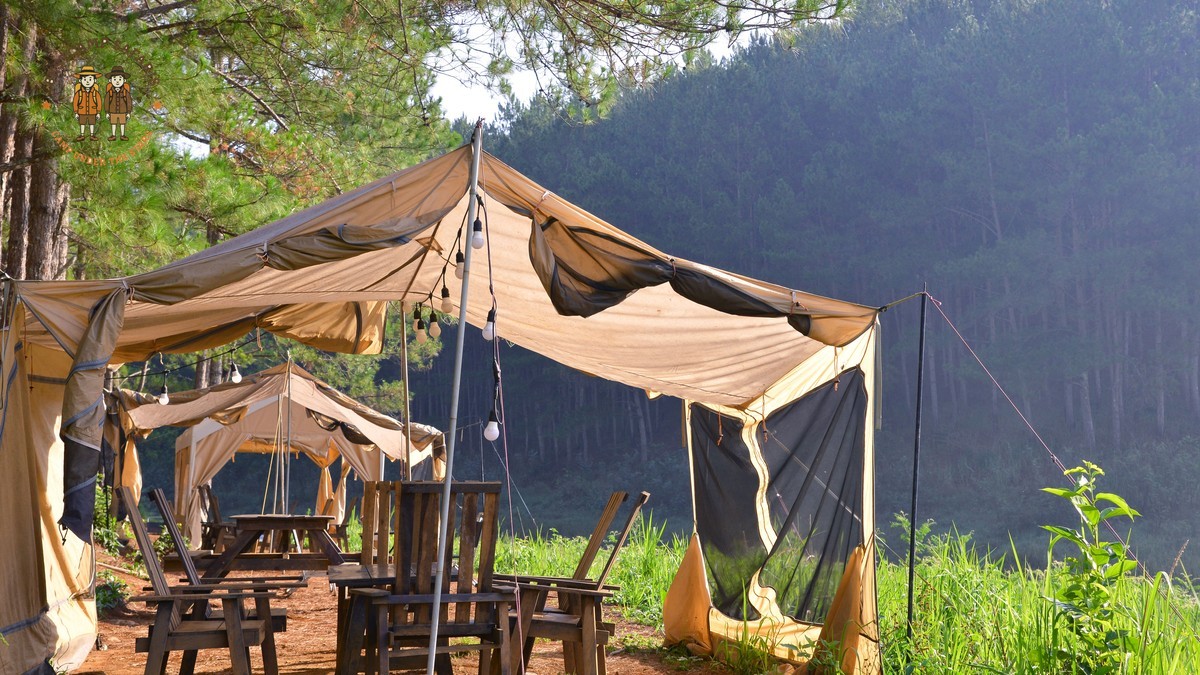
Camp routine helps too. Meals come at fixed times. Tea appears mid-morning. The last drive ends before dark. On a mobile camping safari, that rhythm travels with you even when the tents move. If you are curious how mobile safari camps are changed between parks, you never have to pack or lift anything.
Before you fly: shift your body clock early
Begin shifting bedtime toward East African time one to three days before departure. Then set your watch to destination time when boarding. Drink water, limit alcohol, move around the cabin, and sleep during the destination’s nighttime. These steps reduce dehydration and help your body begin adjusting before camp arrival.
Start early. If you normally sleep at midnight, go to bed at 11pm a few nights before. Then try 10pm. This is one of the easiest jet lag recovery before safari methods you can control.
Set your watch to Nairobi time when you board. Use that time for every choice. Sleep when it is dark in Kenya. Drink water. Move around the cabin.
At camp: sunlight, meals, and gentle activity
At camp, spend time outdoors in appropriate daylight, take a gentle walk, drink water, and eat light meals at local times. Sunlight helps reset the body clock, while easy activity supports alertness without exhausting you. Avoid heavy meals, excess alcohol, and late caffeine, which can make the first night harder.
Fix 4 is daylight. Fix 5 is food. After breakfast, take a 20-minute walk around camp. At 5am the ground is cool and the canvas rustles. You may hear a bush breakfast being packed away.
Lunch is lighter than dinner at most camps. Ask how safari camp dietary menus are planned before you travel. Request meals that are easy on your stomach.
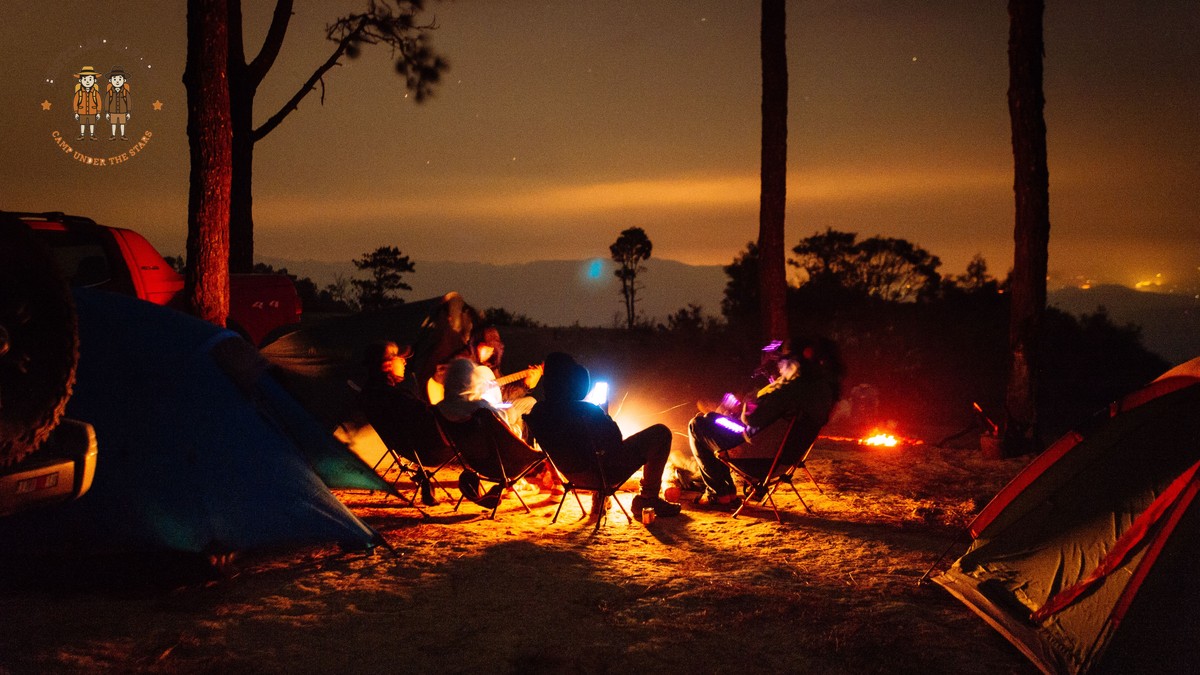
Join a short game drive late in the day. The low sun is lovely and animals are active. The goal is not to see every predator. The goal is to reset your body clock.
How camps adapt the first game drive
A camp can replace a demanding outing with a short afternoon drive. A relaxed camp activity works too. An extra night near the arrival airport is another option. The right choice depends on landing time, transfer length, sleep lost, and the guest’s condition. A same-day drive may save money but can begin 24 to 30 hours after proper sleep.
Your first game drive after arrival should feel like dessert, not boot camp. If you land in the morning, a soft afternoon drive from 4pm to 6pm works well. If you land in the afternoon, skip the drive and take a walk.
The guide watches your energy level. Ask for a shorter route or a later start. That is normal.
A road transfer from Nairobi to the Masai Mara takes five to six hours through Narok. A flight from Wilson Airport to a Mara airstrip takes 45 to 60 minutes. If you are wondering who helps during bush flights, camp staff meet you at the airstrip.
Arrival options: a quick comparison
Should you arrive a day early for safari? The answer depends mostly on your landing time, not on how tired you feel. A same-day flight to the Masai Mara can work well if you land in the morning. An overnight stay in Nairobi suits guests who land in the afternoon or evening and want full sleep before flying on. Your landing time matters more than your fear of jet lag.
| Arrival option | Example route | Time from airport to camp | Best for |
|---|---|---|---|
| Same-day flight to Masai Mara | Jomo Kenyatta Intl to Wilson Airport, then flight to a Mara airstrip | 2 to 4 hours (indicative) | Travelers on a tight schedule |
| Overnight in Nairobi | Jomo Kenyatta Intl to a Nairobi hotel, then morning flight to Amboseli National Park or Masai Mara | 20 to 45 minutes to the hotel, flight the next morning | Travelers who want a full night of sleep |
| Road transfer to the Mara | Nairobi to Sekenani Gate or Talek Gate | 5 to 6 hours, about 250 to 280 km (indicative) | Travelers who enjoy scenery and have extra days |
Paying for an extra hotel night can feel like a waste. Think of it as buying a better first game drive. A traveler who sleeps in a Nairobi bed often enjoys the next morning more than someone who starts a long transfer after an overnight flight.
Naps, melatonin, and when to ask for medical advice
Use a short 15 to 20-minute nap only when necessary, because long daytime sleep can delay adjustment. Melatonin or other sleep aids should be discussed with a healthcare professional, especially when taking medication or managing a medical condition. Camps can support comfort and scheduling, but they do not replace medical advice.
Fix 6 is the nap rule. If you cannot keep your eyes open, close them for 20 minutes. Set a timer. A two-hour nap makes midnight harder.
Fix 7 is asking for help. Tell your camp manager how you feel. BestCamp Safaris has hosted guests from every time zone. They can move breakfast, change drive times, or add a rest day. They cannot prescribe medicine. Talk to a doctor before using melatonin.
Plan your own gentle arrival
Picture your first full morning in camp. The air is cool. Coffee arrives before sunrise. The guide points to a lion in the distance. That moment is easier when your body has caught up with the local clock.
When you plan a camping safari, ask for an arrival rhythm that suits you. BestCamp Safaris can build a slower first day. You might land tired, but by the second morning you will be listening to the bush. What will you hear first? Browse our mobile camping safari itineraries.


