
 Adventure Tours
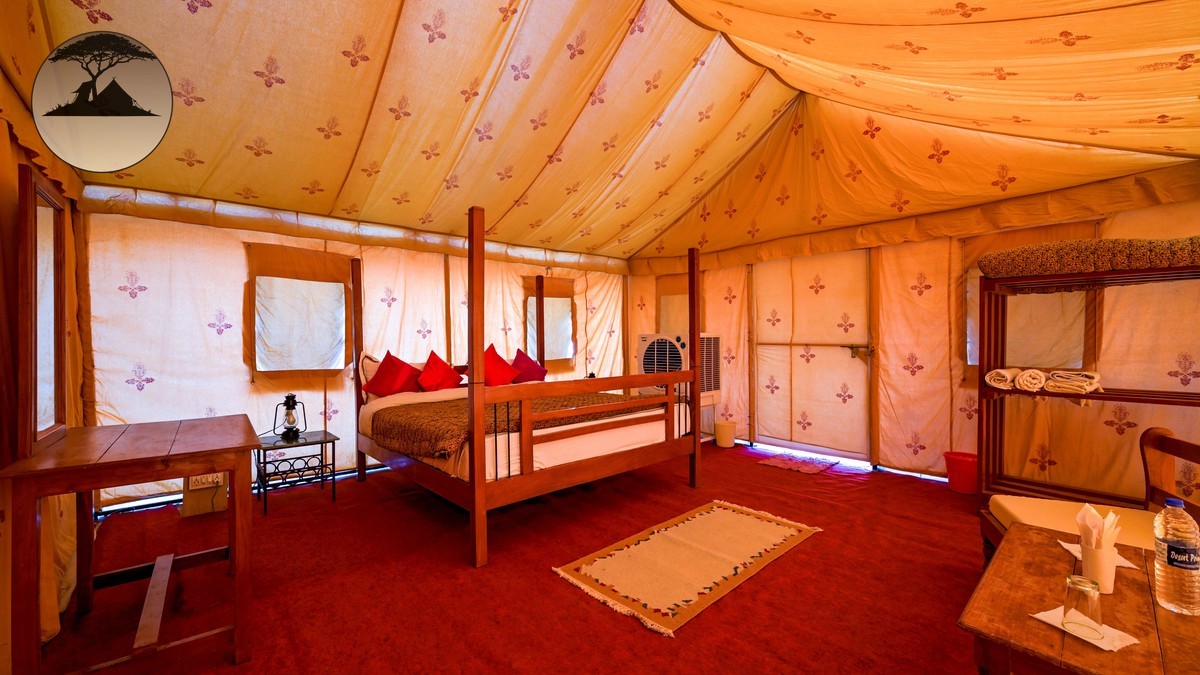
The first time I stayed in a mobile tented camp on the edge of the Maasai Mara, I woke at 5am to the sound of a kettle being filled outside my tent. No alarm, no phone light, just canvas moving in the wind and someone quietly stacking crates for the bush breakfast. My phone was at 61 percent. That number mattered more than I expected it to.
If you are planning your first Kenya safari, you have probably read generic lines about safari camp wifi and charging, like “solar power and generator backup” and “wifi in communal areas.” That is true, but it skips the part that actually affects your trip: when the power is on, when it is off, and whether you can charge a camera battery before a 6am game drive. Here is the honest version.
Safari Camp Wifi and Charging: The Basics
Do safari camps have wifi? Most camps in Kenya do offer it, but the strength and coverage depend heavily on tier and location.
Luxury lodges built on permanent sites, the kind with a swimming pool and a main lodge building, usually run wifi through the same satellite or fiber connection that powers their office. It reaches the rooms, though it can slow down in the evening when everyone streams at once.
Mid-range camps typically offer wifi only in the mess tent or lounge area, not in guest tents. You will check messages at breakfast, not from bed.
Remote and mobile camps, the ones that move with the wildebeest migration or sit deep in a conservancy, often have no wifi at all, or a single router that works for an hour a day when the generator runs. Some charge for it, roughly KES 500 to KES 1,500 per day, others include it in the rate.
None of this is a flaw. It is the trade-off for being genuinely out there, away from towns and cell towers.
Electricity: Solar Power and Backup Generators
Nearly every camp outside the main towns runs on a mix of solar panels and diesel generators. Solar covers daytime lighting and battery banks. Generators fill the gaps, usually switched on for two windows a day.
A typical schedule looks like this: generator on from about 6am to 8am while guests get ready for the morning drive, off during the day while everyone is out in the park, then on again from 6pm to 10pm for dinner and evening charging. Overnight, power is almost always off. This is standard across the Mara, Amboseli, and most conservancy camps, not a sign of a badly run property.
That overnight gap is the detail most guides skip. If your camera battery is at 20 percent when you go to bed, it will still be at 20 percent at 5am when the wake-up call comes.
Charging: In Tent vs Communal Areas
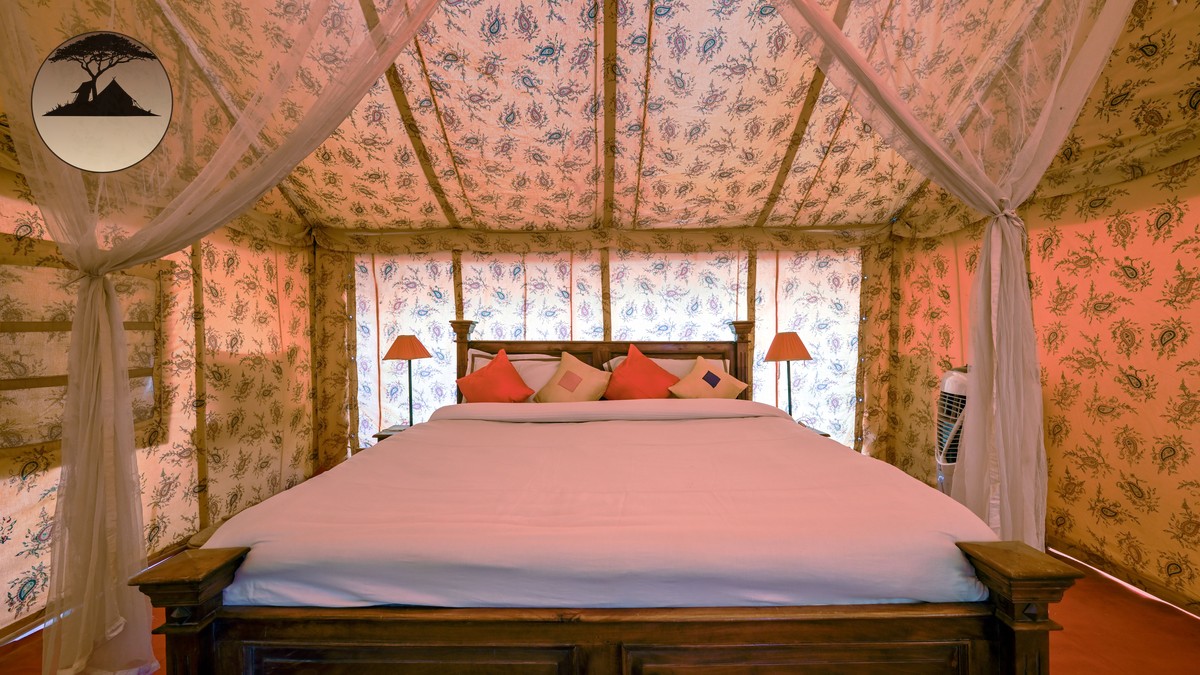
Some camps wire charging points directly into guest tents, usually a single socket near the writing desk. Others ask you to bring devices to a charging station in the main tent or office, where staff plug in a labeled bag of cables and hand it back at dawn.
Ask this when you book: is charging available in my tent, and during which hours? A camp that says yes to charging but means “yes, between 6pm and 10pm” is being accurate, just not specific unless you ask.
This matters most if you shoot photos or fly a drone. Golden hour happens fast, right after sunrise, and you do not want to be shooting golden hour at camp with a dead battery because the generator switched off at 10pm the night before. The same goes for charging drone batteries between flights: most mobile camps cannot top up a drone battery mid-afternoon, so plan your flights around the two power windows, not around when you feel like flying.
Plug Types, Adapters, and Voltage
Kenya uses Type G plugs, the same three-pin square design as the UK, running at 240 volts and 50Hz. If you are traveling from the US, Canada, or most of Europe, you will need an adapter, not just a converter, since most modern phone and camera chargers handle both 110 and 240 volts automatically. Check the fine print on your charger before assuming this.
Bring one universal adapter per person, plus a small power strip if you are traveling with a partner and multiple devices. Camps rarely have spares to lend.
Mobile Network and SIM or eSIM Coverage
Safaricom and Airtel both cover the main towns and many park entrances in Kenya. Coverage inside the Mara itself is patchy: you will usually get a bar or two near Sekenani Gate and around Talek, and almost nothing deep in the conservancies or during a game drive in the bush.
An eSIM from Safaricom or Airtel, loaded before you land at Jomo Kenyatta International Airport in Nairobi, is the simplest option. Expect to lose signal completely for stretches of your game drives. That is normal, not a fault with your phone.
Region by Region: What to Expect
| Region | Distance/Time from Nairobi | Typical Power Setup | Wifi | Camp Price Range (pppn) |
|---|---|---|---|---|
| Maasai Mara | 270 km, 5-6 hr drive or 45 min flight to Keekorok airstrip | Solar plus generator, 2 windows daily | Mess tent only, or none at mobile camps | USD 150-900 |
| Amboseli | 240 km, 4 hr drive | Generator evenings 6pm-10pm | Patchy, lodge lounges only | USD 200-700 |
| Serengeti (Tanzania) | Flight via Kilimanjaro or Arusha, often combined with Kenya itineraries | Solar plus generator, similar schedule to Mara | Rare outside luxury lodges | USD 250-900 |
| Ngorongoro Crater (Tanzania) | Flight or road transfer from Arusha, roughly 3 hr drive | Solar plus generator, crater rim lodges more reliable | Available at rim lodges, not crater floor camps | USD 300-1,000 |
Prices shift with season and camp size, so treat these as an indicative range rather than a quote.
Gear to Pack: Power Banks and Solar Chargers
Pack a power bank rated at least 20,000mAh. That covers a full day of phone use plus a camera battery top-up, even with no camp power at all. A solar charging panel is a nice backup for longer mobile camping trips, but it charges slowly, so treat it as insurance, not your main source.
Bring spare camera and drone batteries rather than relying on charging every night. Two spares per device is a safe number for a 5 to 7 day trip. Label your charging cables if you are sharing a communal charging station, since it is easy for cables to get mixed up in a shared bag.
A small headlamp matters too. Walking back to your tent after dinner, with camp power off and only lamplight along the path, is part of the experience, not an inconvenience.
Balancing Connectivity With the Safari Experience
Part of what makes a night in a tented camp feel different from a hotel is the quiet. No wifi buzzing at 2am, no notification lighting up the canvas. Most guests tell us the disconnected stretches, the ones they worried about beforehand, end up being their favorite part of the trip. Plan for the gaps, then let yourself enjoy them.
The BestCamp Safaris Difference
We tell guests the real generator schedule for their specific camp before they land in Kenya, not a generic “solar and backup power available” line. If you are bringing a drone or a full camera kit, we build your itinerary around the actual charging windows at each camp, not the other way round. That is the difference between arriving prepared and discovering your battery situation at 5am on day one.
We have slept in these camps ourselves. We know which ones have a socket by the bed and which ones hand you a charging bag at breakfast. That is the kind of detail a brochure will not tell you, but we will.
Ready to Plan Your Kenya Safari?
If you want a safari planned around how you actually shoot, charge, and unplug, get in touch with our team through the contact page and we will build your trip from there.


