
 Wildlife Tours
You have spent hours watching wildlife documentaries in Mandarin or Cantonese. You have studied the light in Amboseli and the dust of the Mara on screen. Now you want to book a photography safari in Kenya. This photography safari Kenya Traditional Chinese speakers guide walks you through every step, from Taipei or Hong Kong to the Naibosho Conservancy. I have slept in mobile camps and woken to hyenas calling at 4am. I know exactly what you need to pack, plan, and pay for.
This guide is written for Traditional Chinese speakers. Almost every Kenya safari guide you meet speaks English or Swahili. That is fine. The best photo camps use translators or bilingual guides. I explain how that works below.
Photography Safari Kenya Traditional Chinese Speakers: Why Kenya Wins
Kenya offers wildlife density that no other country matches. In the Masai Mara, you can see dozens of lions across multiple prides in a single morning. The equatorial light stays consistent year-round. Sunrise comes at 6:30am and sunset at 6:45pm, no matter the month. That gives you a solid two hours of golden light every morning and evening.
The Great Migration adds another layer. From July to October, over 1.5 million wildebeest cross the Mara River. You do not need a zoom lens longer than 600mm to capture the river crossings. The action comes to you.
Kenya also has diversity beyond the Mara. Amboseli gives you elephants against Mount Kilimanjaro. Samburu has rare species like the reticulated giraffe. Tsavo offers vast red-earth landscapes. Lake Nakuru holds thousands of flamingos. Each park needs a different lens setting.
Best Parks and Reserves for Photography
You cannot photograph everything in one trip. Focus on two or three parks. Here is a table comparing the best options.
| Park or Conservancy | Key Subject | Entrance Fee (non-resident, per day) | Distance from Nairobi | Drive Time |
|---|---|---|---|---|
| Masai Mara NR | Great Migration, big cats | USD 100 (Jan-Jun), USD 200 (Jul-Dec) | 270 km | 5-6 hours |
| Amboseli NP | Elephants, Kilimanjaro views | USD 90 | 240 km | 4-5 hours |
| Lake Nakuru NP | Flamingos, rhinos | USD 90 | 160 km | 2.5-3 hours |
| Samburu NR | Rare species, dry landscapes | ~USD 70 (indicative range) | 350 km | 5-6 hours |
| Tsavo East/West NP | Large herds, red elephants | USD 80 | 250-400 km | 4-6 hours |
| Naboisho Conservancy | Low vehicle density, lions | USD 80-150 (bundled in lodge rate) | 300 km | 5-6 hours |
The Masai Mara fee comes from Narok County Government, not Kenya Wildlife Service. It doubles in peak season. Book your dates carefully. The Naboisho Conservancy fee is bundled into your lodge rate. You do not pay it separately.
For a pure photography trip, I recommend the Mara plus one other park. Add Lake Nakuru if you love birds. Add Amboseli if you want the Kilimanjaro backdrop.
Best Time of Year for Photography
The dry season from late June to October offers the clearest light and the migration. July sees the first river crossings. August and September are peak. By November, the herds move south.
For dry-season clarity, January and February are also excellent. The grass is short. Animals gather around water sources. The light stays crisp. You avoid the peak crowds and the higher park fees.
The wet season from March to May is quiet. Many camps close. Roads turn muddy. I do not recommend it for a first trip.
If you want cheetah cubs, the best month is in the best month to photograph cheetah cubs in the Mara. That guide covers cub survival and mother behavior in detail.
Camera Gear and Equipment Checklist
You do not need to bring every lens you own. You need a system that works from a moving vehicle.
- Body: Two full-frame bodies. Dust kills cameras. You do not stop to change lenses. One body has a wide zoom, one has a telephoto.
- Lens 1: A 70-200mm f/2.8 for landscapes, portraits, and near subjects.
- Lens 2: A 400mm f/2.8 or 600mm f/4 for distant cats and birds. If you do not own one, rent it in Nairobi or Taipei.
- Stabilizer: A monopod works well from a roof hatch. A gimbal head helps for birds in flight.
- Spare batteries: You will shoot 2,000 frames a day. Bring at least three batteries per body.
- Memory cards: Bring 1TB of storage per card. Backup every night to a portable SSD.
- Dust blower: You will use it every hour. The red dust of the Mara gets inside everything.
- Lens cloths: Microfiber cloths are essential. Bring ten.
You can rent gear in Nairobi. Several camera rental shops on Mombasa Road in Nairobi rent 600mm lenses for about USD 80 per day. But it is cheaper to bring your own if you already have it.
Vehicle Setup and Guide Expertise
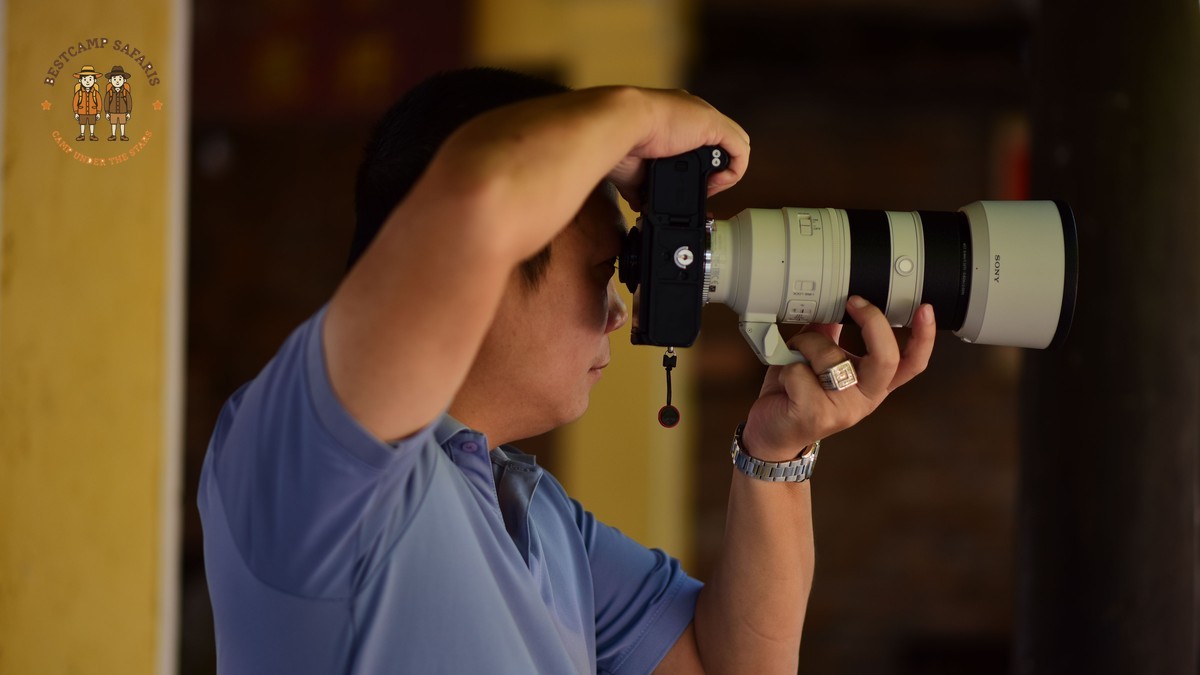
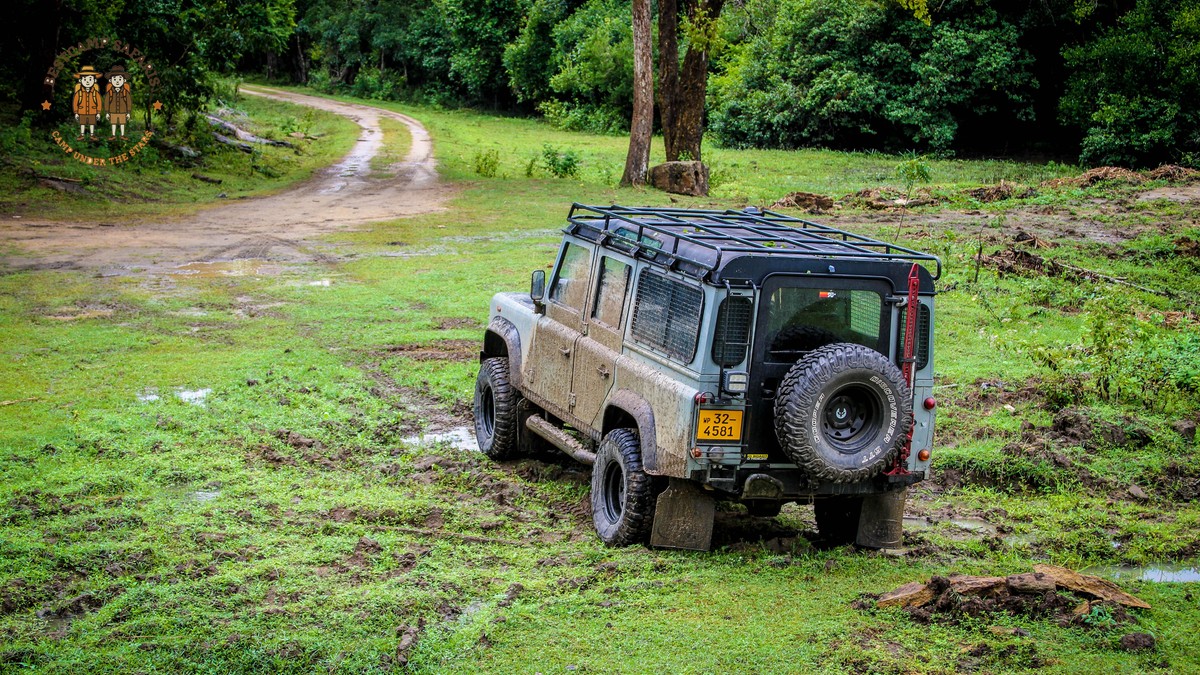
Your vehicle is your office. The best photo safaris use custom Land Cruisers with a roof hatch. You stand up through the hatch to shoot. The guide positions the car to get the light behind you, not in front.
Ask your operator these questions before booking:
- Is there a roof hatch for photography?
- Are there beanbags or a table mount inside?
- Does the guide understand the golden hour?
- Will the guide turn off the engine when animals are near?
A photographer-minded guide makes all the difference. They know where to park for the sunrise. They wait for the lion to stand up. They do not rush between sightings. At BestCamp Safaris, our guides track the migration herds daily. We position camps to match the movement.
Photography Tips and Techniques
The morning drive starts at 6am. The light turns golden around 6:30am. You have about 90 minutes of perfect light. Use it wisely.
Golden hour: Shoot with a wide aperture for soft backgrounds. Keep your shutter speed above 1/1000 for moving animals. For a static giraffe, 1/250 is fine.
Burst shooting: The crossing of the Mara River happens fast. Use continuous high speed. Set your camera to 10 frames per second. Fire a 20-shot burst, then check your focus.
Histogram: Watch your histogram on every frame. The bright African sky fools your meter. Expose for the highlights. Then bring back the shadows in post-processing.
Backlit shots: Try shooting into the sun for a rim-light effect. This works best at sunrise.
Bird photography: Use a fast shutter speed of 1/2000. Use burst mode for takeoff sequences. Use ISO 800 or higher to keep the speed.
Photographer-Led Group Tours vs. Private Safaris
Taiwan and Hong Kong agencies sell bundled package tours. They include flights, hotels, and a photographer leader. The price seems simple. But you lose control of your itinerary.
A private safari with a photo specialist costs more per person. It gives you flexibility. You decide when to leave camp. You decide how long to wait for a leopard. You choose your camp positioning.
The agency model is fine if you want convenience. But for serious photography, private is better. You can find a mid-point with a small group tour of four to six photographers.
Hot Air Balloon Photography Add-On
The hot air balloon over the Mara is a classic add-on. It costs about USD 450 to 550 per person. The flight lasts one hour. You get a champagne breakfast after landing.
For photography, the balloon gives you a unique high-angle view. But the balloon basket has limited space. You cannot bring a large telephoto lens. Bring a 24-70mm for landscape shots. Keep your long lens on the ground for the morning drive.
I recommend booking the balloon only if you have at least three full days in the Mara. It is worth it once, not every day.
Flights from Taipei/Kaohsiung and Hong Kong to Nairobi
There are no direct flights from Taiwan or Hong Kong to Nairobi. You need one stop. Here are the best routes.
From Hong Kong, fly Ethiopian Airlines via Addis Ababa. The total trip takes about 14 to 16 hours including the stop. Qatar Airways via Doha is also good. Expect 15 to 18 hours total.
From Taipei or Kaohsiung, fly to Hong Kong or Bangkok first. Then connect to Nairobi. The common routing is Taipei to Bangkok on EVA Air, then Kenya Airways direct to Nairobi. That leg takes about 9 hours. The total trip is around 17 to 20 hours.
Nairobi’s main airport is Jomo Kenyatta International (NBO). From there, you take a domestic flight to the Mara. Most camps use the Musiara or Kichwa Tembo airstrips. The flight takes 45 minutes on a small Cessna. The camp vehicle picks you up at the airstrip.
eTA and Visa Requirements for ROC (Taiwan) and HKSAR Passport Holders
Kenya now uses the electronic Travel Authorization (eTA) system. You apply online before you fly. The process takes about 3 to 5 business days. You do not need to visit an embassy.
For ROC (Taiwan) passport holders, you are eligible for the Kenya eTA. The application fee is USD 34. You need a passport valid for 6 months, a return ticket, and proof of accommodation.
For HKSAR passport holders, the same eTA rules apply. Your travel documents are recognized. The fee is the same USD 34.
Apply at least 2 weeks before your departure. The Kenyan system can be slow. You do not need a yellow fever vaccine for Kenya unless you arrive from a yellow fever zone. Ask your doctor. Malaria pills are recommended for the Mara area.
Guide Language Options
This is the hardest logistics point. Almost no Kenyan guides speak Mandarin or Cantonese natively. A few speak basic Mandarin. Most do not.
BestCamp Safaris solves this in two ways. First, we match you with a guide who specializes in visual communication. They use hand signals, point, and position the vehicle. You do not need words to know a lion is near. Second, we can provide a translator for group bookings. The translator rides in the vehicle with you. They relay animal behavior and the guide’s instructions in Traditional Chinese.
For private photographers, the visual communication method works well. You focus on light, not language. You still understand when to shoot.
If you prefer a Cantonese speaker, see our Cantonese-speaker photography safari guide for details.
Tipping and Currency
Kenya runs on US dollars for park fees. Most camps quote in USD. You pay your balance in USD before arrival. For local purchases, use Kenyan Shillings (KES).
- USD 1 is about KES 129 (indicative rate).
- TWD 1 is about USD 0.03.
- HKD 1 is about USD 0.13.
Tipping guides and camp staff is expected. Plan for USD 15-20 per guest per day for the guide. Plan USD 10-15 per day for camp staff. Carry small USD bills for tips. ATMs in Nairobi give KES. Do not rely on ATMs in the Mara.
Read more about what currency to bring on a Kenya safari before you leave.
Pricing and Tour Options Compared
A private photography safari with a driver-guide costs about USD 550 to 900 per person per day. That includes a mid-range camp, all meals, game drives, and the vehicle. This price is an indicative range. The exact price depends on camp level and season.
For a budget semi-private group of 6, the cost drops to USD 400 to 600 per day. For a luxury camp with private guide, budget USD 1,200 or more per day.
The Taiwan agency packages bundle flights, hotels, and park fees. Their prices look simple. But they often do not include the balloon flight, the tips, or the internal flights. Add all of that before comparing.
For a 9-night itinerary covering the Mara and Amboseli, plan on USD 6,000 to 9,000 per person all-in, excluding international flights. International flights from Taipei or Hong Kong cost about USD 800 to 1,200 return.
The BestCamp Safaris Difference
We do not sell packages. We build itineraries around photographers.
Every BestCamp mobile camp sleeps under canvas. You hear the hyenas at night. You wake to a camp attendant knocking at 5am with coffee. The ground feels cold under your boots. You walk to the breakfast table in the dark. A lantern shows the way. The bush breakfast is packed and loaded. You are in the truck by 6am, positioned for the first light.
Our camp moves with the migration. We do not stay in one lodge. We reposition the tented camp to be near the Mara River crossings. We choose camp sites with a view of the sunrise. We plan the morning drive to have the sun at your back.
Your guide knows photography. They do not stop at every zebra. They wait for the moment. They drive slowly past the leopard tree. They position the truck so the light hits the animal’s eye.
You bring your camera and your patience. We handle the rest.
Your Next Step
A photography safari in Kenya is a serious investment of money and time. The light, the dust, and the animals reward you with images you cannot get anywhere else.
Plan your route now. Check your eTA dates. Book your flights from Taipei or Hong Kong. Then let us set up your camp positions for the best golden hour shots.
Contact BestCamp Safaris to start planning your trip. We will match your gear list, your language needs, and your budget to the right camp and guide.


