
 Wildlife Tours
Your safari vehicle pulls out of camp at 5am. The light is perfect, but you are in the middle row. The photographer next to you has a 600mm lens and a beanbag, and you both want the same elephant. This does not happen when you claim vehicle space during booking. It is a logistical step, not a race at the vehicle door. So how do photographers claim vehicle space? Here is how to do it in five clear steps.
How Do Photographers Claim Vehicle Space
Photographers claim vehicle space by requesting it during safari booking, not by arriving early at camp. Tell the operator how many photographers are traveling, the equipment being used, and whether you need a private vehicle, a reserved row, or a guaranteed window seat. Confirm the arrangement, extra cost, and seat rules before paying.
Here are the 5 steps to make that request work.
Step 1: Request in writing before you confirm
Send your request by email when you book. Do not wait until you reach camp. Include the trip dates, the camp or lodges, and the number in your group. If you already know your preferred seat, request a window seat at the same time. A written request creates a record. That record helps if the operator changes vehicles later.
Step 2: Describe your equipment and space needs
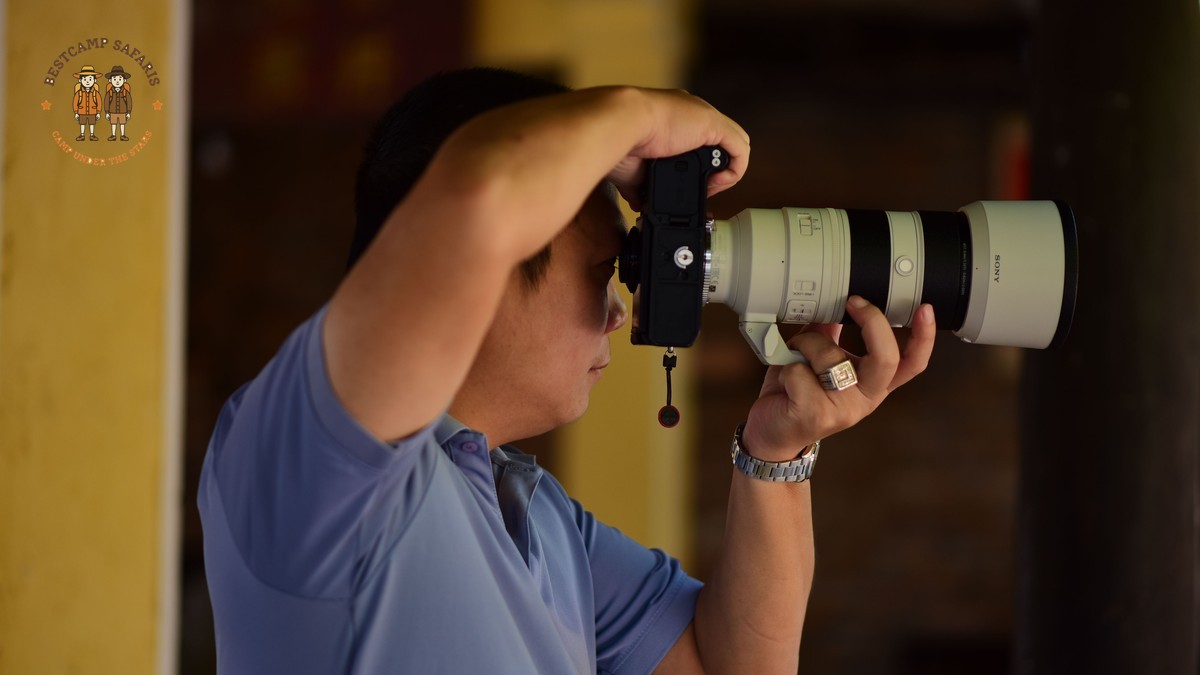
List your camera bodies, lens lengths, and any support gear. Many photographers use a beanbag for photography instead of a tripod because it is stable on a vehicle window. Tell the operator you plan to use a beanbag, because it takes up space and needs a flat surface. Also mention a second body or a long lens. That helps the operator estimate how much room you need.
Step 3: Choose between a private safari vehicle and a shared safari vehicle
A private safari vehicle means your whole group has that vehicle to itself. A shared safari vehicle means you split space with other guests. Decide which one fits your style. In the Maasai Mara, a private vehicle gives you more time at sightings and easier lens changes. It costs more, but it also removes most seating conflicts. Our private vs shared safari vehicle guide breaks down the trade-offs in more detail.
Step 4: Agree on seat rotation and sighting rules
Ask how the operator handles seating. Some rotate seats each game drive. Some let photographers keep a window seat. Ask for the exact safari vehicle seating plan and whether the order changes. If you need a stable spot for a heavy lens, say that clearly. You want to avoid a surprise switch in the middle of a leopard sighting.
Step 5: Confirm the price and extras in writing
Ask for a written quote that includes park fees, conservancy fees, fuel, driver-guide, and any private vehicle cost. Confirm whether the rate is per vehicle or per person. This avoids surprises when you pay. A written quote also gives you something to compare if you are weighing two different operators.
When to Request a Dedicated Photography Vehicle
Request a dedicated photography vehicle before the itinerary is finalized, especially during the Maasai Mara migration or other busy wildlife periods. A private vehicle gives photographers control over departure times, positioning, lens changes, and time at sightings. It costs more than sharing, but it avoids conflicts when several guests want different photographic angles.
The migration season runs from July to December in the Maasai Mara. This is also the busiest time. Vehicles fill up, and conservancies like Naboisho or Mara North may have limited numbers of cars. If you are planning a Maasai Mara photography safari, send your request around three months before travel if you can. The earlier you ask, the better the chance of securing a vehicle.
For a full route that respects light and migration timing, plan a Kenya safari photography itinerary with us. That way, your vehicle plan sits together with camp choices, drive distances, and game-viewing time.
How Vehicle Seat Allocation and Window Positions Work
Seat allocation depends on the vehicle layout, group size, operator policy, and whether the booking includes a private vehicle. A window seat may be requested but is not automatically guaranteed in a shared vehicle. Ask for the exact seating plan, whether seats rotate, and how many guests will occupy each row before the safari starts.
Most safari vehicles have three rows with two or three seats per row. The window seat on safari is the most popular for photographers because it gives a clear frame without a windshield. In a shared vehicle, every guest gets a turn by the window. If you need a specific side for the morning light, a private vehicle is the surest way. Tell the operator which side you prefer. Some drivers will position the car to help, but they cannot always control what other cars do. If you are still choosing a base, compare Maasai Mara camps in Naboisho and Mara North before you lock in dates.
Do Photographers Pay More for Extra Space?
Photographers usually pay more when they want exclusive vehicle use, fewer passengers, or extra room for long lenses and beanbags. The surcharge is normally the difference between the shared-vehicle rate and the private-vehicle rate, rather than a universal photographer fee. Ask for the total vehicle price, per-person split, and any seasonal supplement in writing.
The exact price varies by operator, season, and destination. You can compare options using the table below. The costs are indicative, so always ask for a written quote.
| Vehicle option | How space works | Cost indication (ask for written quote) | Best for |
|---|---|---|---|
| Private safari vehicle | Exclusive 4×4 for your group; no sharing with strangers | Indicative USD 250-500/day plus park fees; e.g., Masai Mara USD 200/adult/day from Jul-Dec | Maasai Mara photography safari, serious wildlife photography safari |
| Shared safari vehicle with reserved row | Operator holds one row for your gear; other guests sit elsewhere | Indicative USD 50-100/person/day add-on plus park fees | Small groups on a budget |
| Standard shared allocation | Normal rotating seats; seats change per drive | Included in trip cost; park fees separate (e.g., Amboseli USD 90/adult/day) | Casual wildlife viewing |
Current park fees matter. Masai Mara National Reserve charges USD 200 per adult per day from July to December. Amboseli National Park charges USD 90 per adult per day. These fees are separate from the vehicle rate. Our Kenya national park fees guide lists the current rates for other parks too. Make sure your quote lists them clearly.
How to Share Space Fairly with Other Guests
Share vehicle space fairly by agreeing on seat rotation, viewing priorities, equipment limits, and sighting etiquette before the first game drive. Keep bags under seats, avoid blocking another guest’s view, and give everyone time at sightings. If photography requires prolonged positioning or repeated stops, a private vehicle is the clearest solution.
Before you leave camp, talk with your group. Agree that no one will lean across another person. Agree on a small signal for that perfect shot. And keep your gear tidy. A 600mm lens on the floor is fine if your bag is not blocking the aisle. Fair sharing makes the morning light better for everyone. For more field habits, see our wildlife photography safari tips.
The BestCamp Safaris Difference
At BestCamp Safaris, we treat vehicle space as part of the safari plan, not an afterthought. When you book, we ask about your camera gear and seating needs. We confirm the vehicle arrangement in writing before you pay. Our guides know how to position the car for light and angles. We also place camps with migration routes in mind, so you can spend golden hour close to the action. If you want a dedicated vehicle for a wildlife photography safari, we will tell you the exact cost early. Then you can decide without rushed choices at camp.
Frequently Asked Questions
How do photographers claim vehicle space on safari?
Photographers claim vehicle space by requesting a private vehicle or a specific seating arrangement when booking the safari. The request should state the number of photographers, equipment needs, preferred seats, and whether the group needs extra time at wildlife sightings.
Can photographers reserve a safari vehicle?
Yes, photographers can usually reserve a private safari vehicle through the operator or camp, subject to availability. Booking early is especially advisable during peak migration periods, when private vehicles may be limited and demand is higher.
Do photographers get their own row in a safari vehicle?
Only if the operator confirms that arrangement or the group books enough space to make it possible. In a shared vehicle, photographers may receive normal seats and must follow the same rotation rules as other guests unless reserved space has been agreed in advance.
How much does a private safari vehicle cost?
The price varies by destination, vehicle type, season, and operator, so there is no universal photographer rate. Ask whether the quote is charged per vehicle or per person and whether fuel, driver-guide services, park fees, and extra game-drive hours are included.
Can I request a window seat on safari?
Yes, a window seat can be requested when booking, but it is not guaranteed in every shared vehicle. A private vehicle provides more control over seating and positioning, while shared trips may require rotation so every guest gets a fair viewing position.
Plan Your Safari with BestCamp Safaris
Ready to sort out your vehicle space before anyone else? Tell BestCamp Safaris how many photographers are in your group and which camps you want. We will send a written quote with the vehicle plan, park fees, and seating rules. Visit our contact page to start the conversation.


