
 Wildlife Tours
I woke up in a mobile tented camp on the edge of Naboisho Conservancy last June, and the canvas above my head was damp with dew, not rain. A camp assistant was already outside boiling water for coffee. I could hear a hyena calling somewhere past the acacia line, but no other vehicle engine. No queue at the gate. Just grass, cool air, and a Land Cruiser waiting to go find lions before the light got hard and flat.
That’s Kenya safari shoulder season value in one scene: fewer people, lower prices, and most of the same wildlife you’d pay double for in August.
If you’re planning your first Kenya safari and you keep reading vague “best time to visit” articles that all say the same thing (fewer crowds, lower prices, some rain), this post gives you actual numbers. Real park fees. Real price ranges. A real sample itinerary. And an honest answer to the question that matters most: is it worth skipping the wildebeest migration to save money?
What Counts as Shoulder Season in Kenya
Kenya doesn’t really have four seasons. It has dry and wet, and the calendar breaks down like this:
- Peak season (July to October): Dry, dusty, and the wildebeest migration is crossing the Mara River. This is also when the Masai Mara reserve fee jumps.
- Short rains (November to mid-December): Afternoon showers, green landscape, thinner crowds, but still peak-priced at the Mara gate.
- Shoulder season (January to February, and June): Dry or mostly dry, resident wildlife is easy to find, and prices drop.
- Long rains / low season (late March to May): The wettest stretch of the year. Some camps close roads or shut entirely.
The best shoulder-season window for value is January through February and June. Both sit outside the Masai Mara’s peak pricing period, and both still offer good dry-weather game viewing. November looks appealing on paper because of thinner crowds, but the Mara reserve charges peak-season fees there too, so it’s not a true value month for that specific park.
Cost Savings: The Real Kenya Safari Shoulder Season Value Numbers
Here’s where most guides get vague. They’ll tell you shoulder season saves “12 to 40%” without naming a park or a camp. So let’s name them.
Narok County Government, which runs the Masai Mara National Reserve (not the Kenya Wildlife Service, a distinction that surprises a lot of first-time travelers), charges non-resident adults USD 100 per day from January through June. From July through December, that fee doubles to USD 200 per day. That single change is the biggest lever in your entire trip budget, and it has nothing to do with the migration’s exact timing. It’s a calendar switch that flips on July 1st.
| Destination | Distance from Nairobi | Drive Time | Non-Resident Park Fee | Shoulder-Season Camp Rate (per person/night, indicative) | Peak-Season Camp Rate (per person/night, indicative) |
|---|---|---|---|---|---|
| Masai Mara National Reserve | ~270 km | 5-6 hrs | $100/day (Jan-Jun) vs $200/day (Jul-Dec) | $350-500 | $550-900 |
| Naboisho / Mara North Conservancy | ~270 km | 5-6 hrs | $80-150/night, bundled into lodge rate | $400-600 | $650-1,000 |
| Amboseli National Park | ~240 km | 4-5 hrs | $90/day | $300-450 | $450-700 |
| Tsavo East National Park | ~330 km | 4-5 hrs | $80/day | $250-380 | $380-550 |
| Lake Nakuru National Park | ~160 km | 2.5-3 hrs | $90/day | $280-400 | $400-600 |
Camp rates above are indicative ranges based on typical mobile and tented camp pricing across operators. They vary by property, so treat them as planning guides, not quotes.
Do the math on a five-night Mara stay for two people. In June, you’re paying $100 per person per day in park fees, or $1,000 total for two people over five days. In August, that same stay costs $2,000 in park fees alone, before accommodation. That’s a $1,000 difference before you’ve even compared camp rates. Our guide on how Maasai Mara park fees change by season breaks down the payment process and timing in more detail.
Fewer Crowds, More Personal Attention
Numbers aside, the crowd difference is the part guests notice first. In peak season, a good lion sighting in the Mara Triangle can pull ten or fifteen vehicles within minutes. In June or February, you might have that same sighting to yourself, or share it with one other vehicle.
Camps run leaner too. A mobile camp that sleeps 12 guests at full peak capacity might host six or eight in shoulder months, which means more one-on-one time with your guide, faster response when you ask to change the day’s plan, and a camp team that has time to talk with you around the fire instead of just refilling drinks and moving on.
Conservancies like Naboisho and Mara North already cap vehicle numbers per sighting year-round, which helps in any season. But shoulder months make that cap almost irrelevant, since there simply aren’t enough vehicles around to hit it.
Wildlife You’ll Still See, and What You’ll Miss
Here’s the trade-off, stated plainly: shoulder season means giving up the river crossings. If your entire trip is built around watching wildebeest swim the Mara River while crocodiles wait, book July through September and pay the peak rate. That spectacle only happens then.
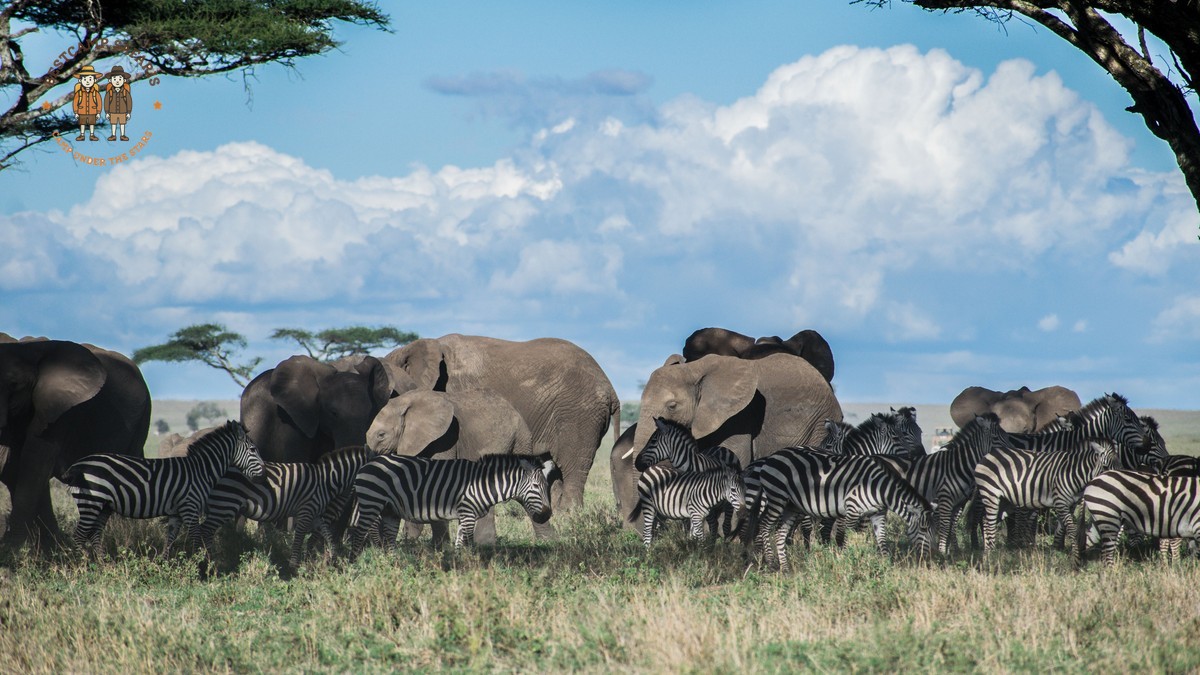
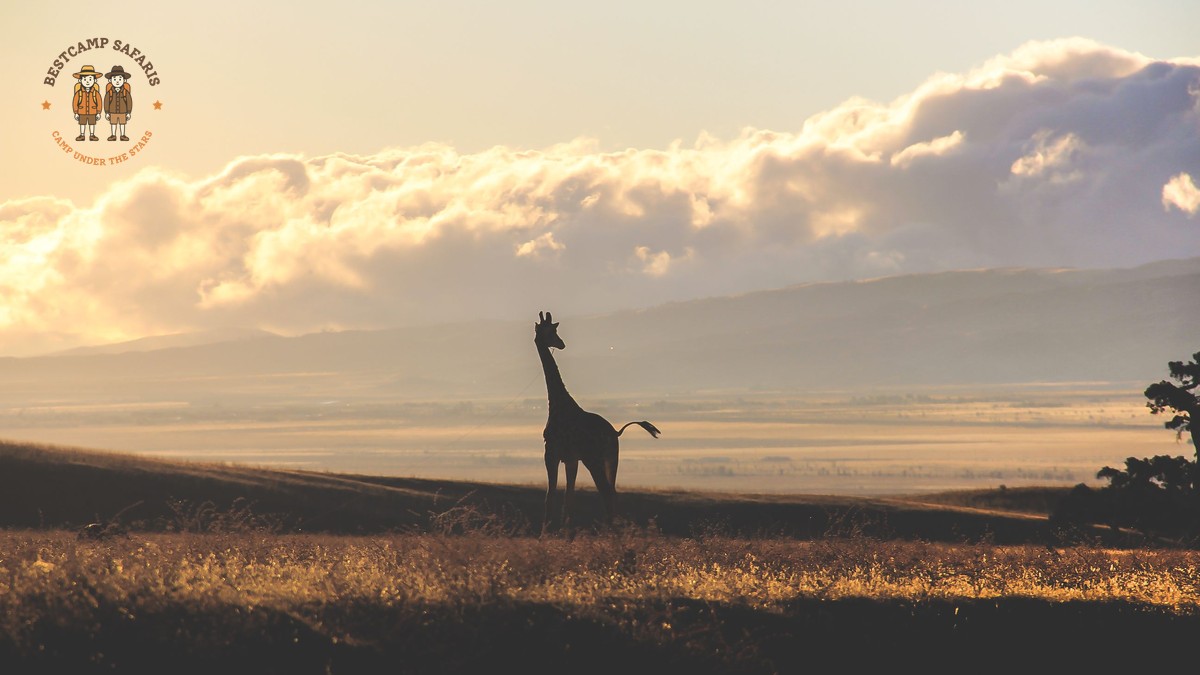
But the migration is one event, not the whole ecosystem. Resident wildlife doesn’t leave the Mara. Lions, leopards, elephants, and giraffes are there in January just as they are in August. Many antelope species calve steadily through the year, and Amboseli’s elephant herds, with Kilimanjaro as a backdrop, are just as active in shoulder months as any other time. Cheetahs hunt on the same open plains whether or not the wildebeest are passing through.
If missing the crossings feels like a real loss, it’s worth looking at quieter alternatives to the Mara during shoulder months, including parks where the wildlife draw doesn’t depend on one migratory event at all.
Rain Risk: How Wet Do Shoulder Months Actually Get
January and February are genuinely dry in most of Kenya’s safari circuit. Expect warm days, clear skies, and dusty roads, similar to peak season but without the crowds.
June sits right at the tail end of the long rains, so afternoon showers are still possible in the first couple of weeks. By mid-June, roads are drying out and grass is short enough for easy game viewing. Pack a light rain jacket for June trips just in case, but don’t expect washed-out days.
November’s short rains are heavier and less predictable, with storms that can turn black cotton soil roads into a genuine problem for game drives. That’s part of why November doesn’t make the shoulder-season value list here, even though it’s quieter than peak months.
A Sample Five-Night Shoulder Season Itinerary
Night 1-3: Naboisho Conservancy. Fly into the Mara from Nairobi’s Wilson Airport (about 45 minutes) or drive the roughly 270 km route in 5 to 6 hours. Mobile tented camp, game drives at dawn and dusk, walking safari option, night drives permitted since it’s a conservancy, not the national reserve.
Night 4-5: Amboseli National Park. Drive or fly to Amboseli, about 240 km and 4 to 5 hours from Nairobi by road, or a short hop from the Mara airstrip. Elephant herds, swamp-edge game drives, and clear morning views of Kilimanjaro before afternoon haze sets in.
A trip like this in June typically runs well below what the same route costs in August, once you factor in the doubled Mara fee and higher peak-season camp rates.
When to Book for Best Value
Camps holding limited shoulder-season inventory still fill up, especially for January and February, when returning guests and repeat travelers often book a year ahead. Aim to lock in dates 6 to 9 months out for the best pick of tents and locations. June has a bit more flexibility since it’s less known as a shoulder-season month, but good camps still go first.
Booking direct with the operator, rather than through a third-party agent, can also stretch shoulder-season savings further, since you’re not paying a markup layered on top of an already lower base rate.
The BestCamp Safaris Difference
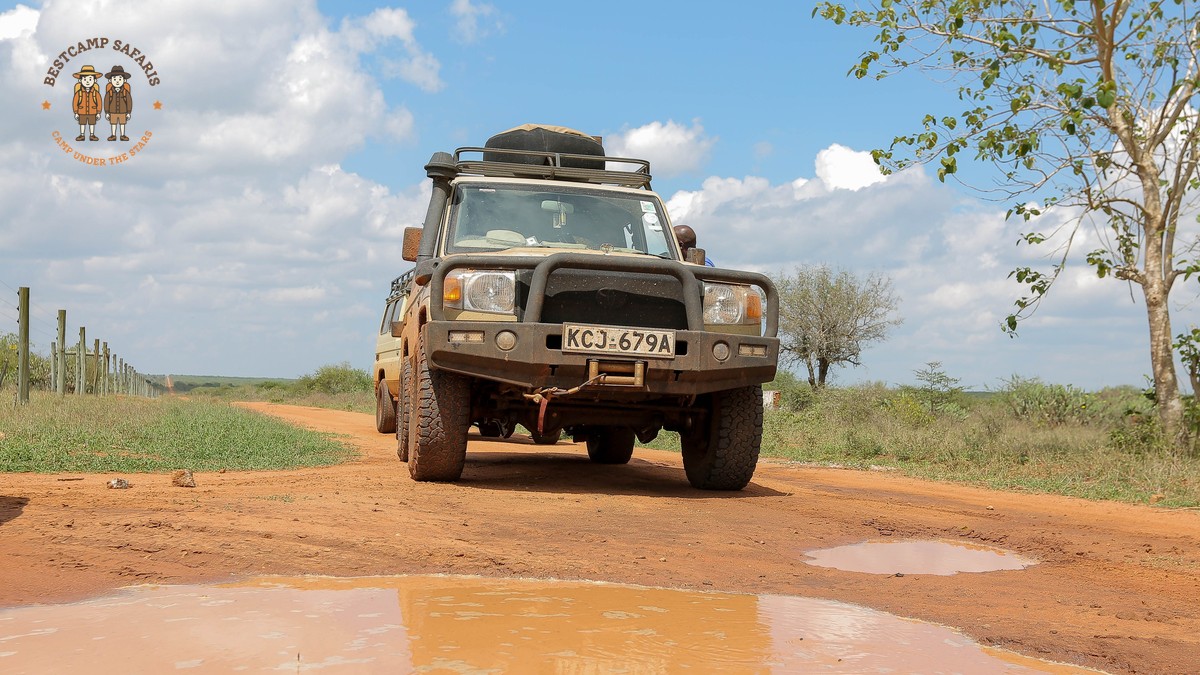
We run mobile tented camps, not fixed lodges, which matters most in shoulder months. A mobile camp can move to wherever the resident game is concentrated that week, instead of waiting for wildlife to come to a permanent structure. In January, that might mean setting up near a lion pride’s territory in the Mara Triangle. In June, it might mean following elephant movement toward Amboseli’s swamps.
Our guides live and work in these landscapes year-round, so they know which shoulder weeks still deliver strong sightings and which ones to plan around carefully. We also keep our shoulder-season group sizes small on purpose, usually six to eight guests per camp, so the quieter months actually feel quieter, not just cheaper.
Plan Your Shoulder Season Safari
Shoulder season won’t give you a river crossing, but it will give you lions at dawn with no other vehicle in sight, a camp team that has time to know your name, and a bill that’s a fraction of what August costs. If that sounds like your kind of trip, get in touch through our contact page and we’ll help you build an itinerary around the exact weeks that make sense for your budget and your wildlife wish list.


