
 Adventure Tours
Walk across the dewy grass at 5 am. The ground is colder than you expect. Camp staff are packing away the bush breakfast table by torchlight. Somewhere out there are lions and giraffes. There is also a person, your next host, waiting to meet you.
A Kenya safari ethical cultural visit does not happen by chance. It starts with one question: who benefits from this stop? On a first Kenya camping safari, that question can feel uncomfortable to ask. Ask it anyway.
If you want to meet Maasai hosts, you are not alone. Almost every safari itinerary offers a cultural visit. The difference between respectful and harmful is hidden in the details. These seven tests will help you check before you pay.
What Makes a Kenya Safari Ethical Cultural Visit
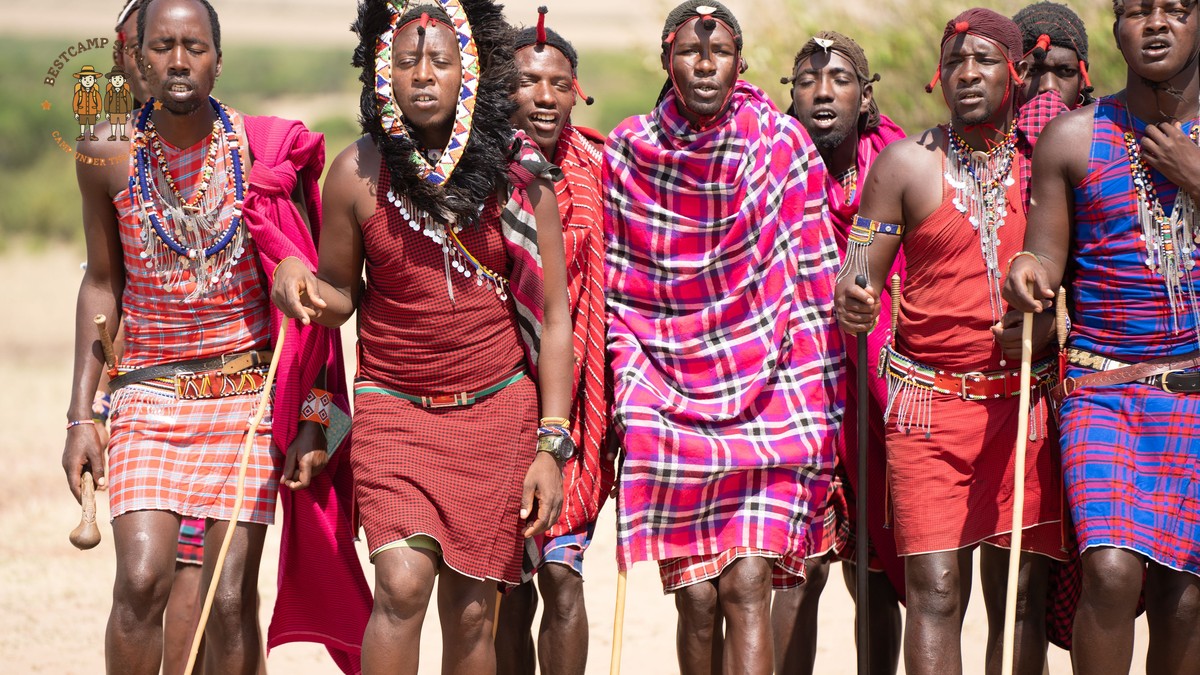
An ethical Kenya cultural visit is community-led, voluntary, transparently priced, and based on informed consent. The host community should choose what visitors see. Local residents should lead the experience. The operator should explain where the fee goes. Visitors should ask before photographing people. Maasai culture is living culture, not entertainment.
Test 1. The community is named. A responsible visit names a manyatta, family, cooperative, or conservancy. If your guide says “we will stop at a local village,” keep asking. A named host can be contacted and checked.
Test 2. The hosts lead the visit. Community leaders decide which songs, ceremonies, or daily tasks to share. You are not watching a nature documentary. You are entering someone’s home. Wait to be invited, then follow the host’s pace.
How Much an Ethical Maasai Village Visit Costs
Budget about USD 25 to USD 45 per person for a standard camp-arranged Maasai village visit. A dedicated community-conservancy experience will often cost USD 40 to USD 80. A roadside stop may cost USD 10 to USD 20 but offers less certainty about community benefit. Confirm the current fee, inclusions, duration, and payment recipient before departure. Prices vary by location and arrangement.
| Cultural visit type | Typical price per person | Duration | Where it often happens |
|---|---|---|---|
| Camp-arranged village visit | USD 25-45 | 60-90 minutes | near the Masai Mara National Reserve |
| Community-conservancy experience | USD 40-80 | half day or full day | Naboisho Conservancy, Mara North Conservancy |
| Roadside village stop | USD 10-20 | 30-45 minutes | main route toward the Mara |
Test 3. The fee is transparent. Before you pay, ask for a simple breakdown. How much goes to the manyatta? Who receives the rest? Will the operator record the payment? A clear answer matters more than a smooth script.
If you travel during the quieter Mara months, from about January through June, the daily reserve fee for the Masai Mara National Reserve is USD 100 per adult. From July through December it is USD 200. Cultural stops are separate.
How to Choose a Community-Led Cultural Experience
Choose a visit that names the specific manyatta, family, conservancy, or cooperative. It should identify a community guide, disclose the fee breakdown, and explain photography rules before arrival. Prefer established relationships over anonymous roadside stops. Ask whether the visit is optional. A clear answer to each question is a stronger ethical signal than a sustainability slogan.
Test 4. The local guide has a name. Ask your camp manager who will greet you. A named guide means a person with a role. You can also ask how long they have hosted visitors and whether they live on that land. Good answers show a real relationship.
Test 5. The visit is optional. When a cultural stop is an add-on, no one feels like an exhibit. You may join, or you may stay in camp and watch elephants. An ethical operator supports both choices. With BestCamp Safaris, you can request an optional cultural visit on the day you want it. This fits the slower, unhurried pace of a camping safari.
Photography, Dress, and Behavior Etiquette
Ask permission before taking every person’s photograph, including children, and accept a no without debate. Wear practical, modest clothing that covers your shoulders and knees. Listen more than you speak. Avoid drones. Do not hand gifts to children. Follow the host’s rules about private spaces, ceremonies, and filming.
Test 6. Consent rules come before arrival. If the operator has not explained photography rules, ask before you leave camp. Then prepare your behavior. Learn one or two Maa greetings. Keep your camera down until someone welcomes you. And when a child smiles at you, do not turn that smile into a photo without a parent’s permission.
Maasai Village Visits Versus Conservancy Experiences
A village visit usually lasts about 60 to 90 minutes. It can include a welcome, conversation, demonstrations, beadwork, or craft sales. A conservancy experience can add a community guide, walking, broader land-use context, or an overnight stay. Conservancy visits often provide clearer community benefits. They cost more and require more planning.
A mobile camping safari near the Mara can combine both. For example, sleep at camp and take a half-day walking visit in Naboisho Conservancy. Your conservancy fee of roughly USD 80 to USD 150 per person per night is usually bundled into your accommodation. The USD 40 to USD 80 cultural fee still pays for the guided walk and local guides.
A full-day conservancy walk may end after dark. Walking into camp by lamplight is normal. On your first night, ask about the role of an askari at camp. The answer will make you feel safer.
How Cultural Tourism Revenue Reaches Local Communities
Revenue reaches communities most reliably when the hosting manyatta, family, cooperative, or conservancy sets the fee or receives a documented share directly. Ask what percentage reaches the community. Ask whether a receipt or fee breakdown exists. Ask who receives craft-sale income. Operators that cannot identify the beneficiary or explain the split deserve further scrutiny.
Test 7. You can trace the money. I ask these four questions on every cultural visit: What is the exact fee? What share goes to the hosting community? Who earns money from beadwork and craft sales? Does the operator issue a receipt or record the payment? If the answers stay vague, treat that as a red flag.
Your Next Step: Run the Seven Tests Before You Book
Get answers in writing before your trip. Write down the community name, the fee, and the community share. Ask who leads the visit and what will be shown. Ask about photos before you meet your host. That single page of answers will do more than any slogan.
Day-to-day camp details such as how safari tents are cleaned can wait until breakfast. Ethics questions should not wait. Ask BestCamp Safaris to confirm the named community, the fee split, and the photography rules. BestCamp Safaris can plan a Kenya safari ethical cultural visit that matches these standards. Send your checklist through the contact page and start the conversation.


