
 Adventure Tours
The first time I filled my canvas wash basin at a fly camp in the Mara North Conservancy, I asked the guide the same question every first-time guest asks. Can I drink this? He laughed, pointed at the jerry can by the mess tent, and said that one’s for drinking, this one’s for washing your face. That distinction, drinking water versus everything else, is the whole story of drinking water safety at a safari camp. It just depends which kind of camp you’re standing in.
Most guides answer this question for “Africa” or for “Kenya” as a whole. That’s not that useful once you’re actually there. A permanent lodge with a borehole and a filtration plant is a completely different setup from a mobile tented camp that trucks in every drop. Here’s what actually happens at each, and what that means for you.
Why Tap Water Isn’t Reliable for Drinking Water Safety at a Safari Camp
Kenya’s municipal water systems, where they exist at all near safari areas, aren’t built to the same standard as water in Nairobi’s better neighborhoods. They’re certainly not built to the standard you’re used to at home. Out in Amboseli, Tsavo, or the Mara, there’s often no municipal system to speak of. Camps rely on boreholes, rivers, or trucked-in supply instead.
Even clean-looking borehole water can carry bacteria, protozoa, or agricultural runoff, especially after the long rains soften the ground between March and May. Tap water at a safari camp, where taps exist, has almost always been through some kind of treatment before it reaches your tent. The problem is that the type and reliability of that treatment varies a lot, and nobody tells you that up front. For a broader look at how this plays out across the country, our general tap water safety guide for Kenya safaris covers the regional picture in more depth.
How Camps Actually Treat Water
Permanent lodges, the kind with brick foundations and a generator house, usually run one of three systems: sand or carbon filtration, UV treatment, or chlorination. Some run all three in sequence. Lodges near Amboseli and Nakuru often draw from a borehole, filter it, then chlorinate it before it reaches the kitchen and guest taps. Staff test it regularly because a sick guest is bad for business and hard to manage that far from a hospital.
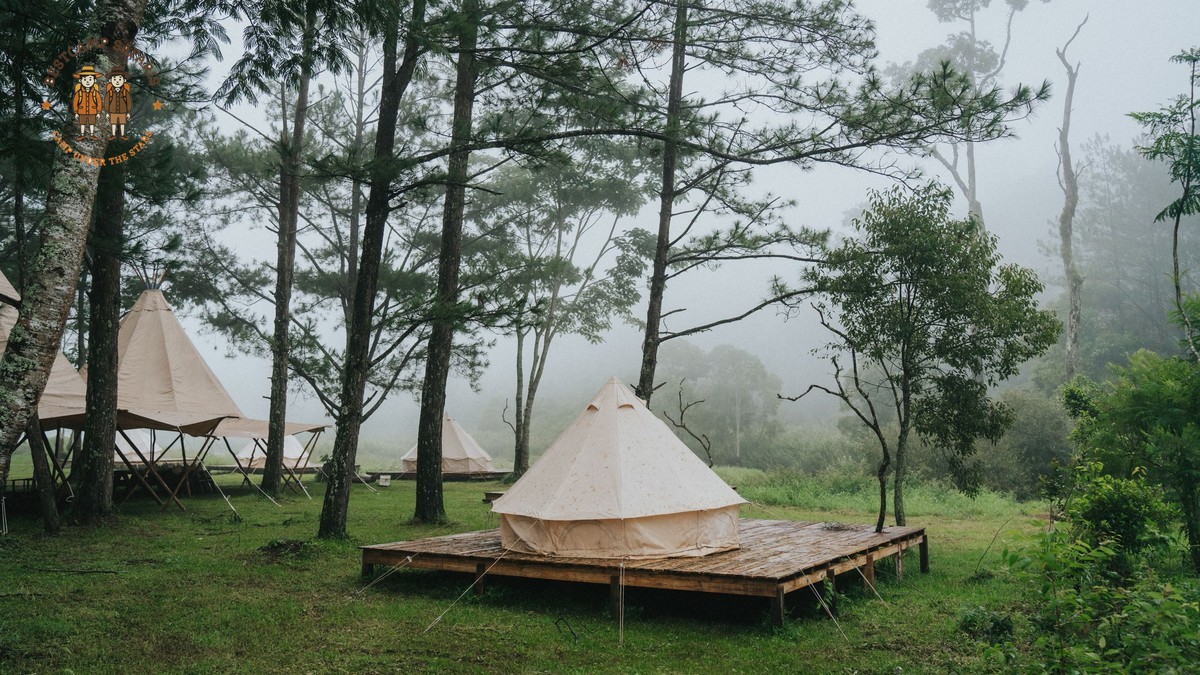
Mobile and fly camps work differently. These are the canvas-and-rope camps that get struck and rebuilt every few days, following the migration or a client’s private itinerary. There’s no borehole to plug into. Camp crews haul in water by truck. They boil it over the camp fire or a gas burner, then run it through a gravity filter before it goes into the drinking jerry cans. Some outfits add a UV pen or chlorine drops as a backup step. It works, but it depends on someone doing that job right every single day, not on fixed infrastructure doing it automatically.
This is the trade-off nobody spells out. A permanent lodge gives you more certainty because the system is built in. A mobile camp gives you the star-bed nights and the walk into camp by lamplight, but it means trusting a crew’s daily routine over a plant. Neither is unsafe when it’s done properly. They’re just different, and it’s worth knowing which one you’ve booked. Our piece on how water logistics differ between walk-in and fly camps breaks down the daily routine at each in more detail.
Water Setup by Camp Type
| Camp type | Typical water source | Treatment | Drinking water provided | Shower type | Indicative rate (USD/night, per person) |
|---|---|---|---|---|---|
| Permanent lodge (e.g. near Amboseli) | Borehole | Filtration + chlorination or UV | Free bottled or filtered, refillable | Plumbed hot shower | 250-600 |
| Semi-permanent tented camp (e.g. Naboisho Conservancy) | Borehole or trucked water | Filtration, sometimes boiled | Free filtered water in jerry cans | Bucket shower, hot water on request | 300-550 |
| Mobile / fly camp (e.g. Mara North Conservancy) | Trucked-in water | Boiled and gravity-filtered | Provided, refill from camp jerry can | Bucket shower only | 350-700 |
Prices above are indicative ranges for double occupancy, high season, and vary by operator and inclusions. Conservancy fees for areas like Naboisho and Mara North typically run USD 80-150 per person per night on top of accommodation, usually bundled into the quoted rate.
What’s Provided vs What You Should Pack
Every reputable camp, mobile or permanent, provides drinking water at no extra charge. It’s usually bottled at lodges and jerry-can filtered or boiled at mobile camps. Nobody expects you to drink from an open tap, and no guide will hand you a glass of it either.
Still, pack a reusable bottle. Most camps will refill it for you, which cuts down on plastic waste across the Mara and Amboseli ecosystems, an issue conservancies take seriously. If you have a sensitive stomach, bring purification tablets or a small squeeze filter as backup. This matters most for mobile camps or multi-day walking safaris, where you might be far from the mess tent. It’s cheap insurance that weighs almost nothing.
What Happens If You Get It Wrong
Traveler’s diarrhea is the most common outcome, usually from E. coli, and it passes in a few days with rest and rehydration salts. Giardia is less common but nastier, with cramping and fatigue that can last weeks if untreated. Hepatitis A is rare among camp guests because most travelers are vaccinated before the trip, which is worth doing regardless of water safety.
None of this is likely if you stick to the water your camp provides and skip the natural sources. The risk mostly comes from guests who fill a bottle from a river during a walking safari, or accept ice from a roadside stop outside camp.
Showering, Brushing Teeth, and Ice
Bucket showers, standard at most mobile and fly camps, use water that’s filtered but not always treated to drinking standard. That’s fine. Skin contact isn’t the same risk as swallowing it, and you’re not meant to drink shower water anyway. Our full guide to how bucket showers work at camp walks through the routine. It covers everything from the canvas bucket hoisted on a pulley to how much hot water you actually get.
Brushing your teeth is a judgment call. At permanent lodges with treated tap water, it’s generally fine. At mobile camps, use the drinking water jerry can instead, just to be safe. It takes an extra ten seconds.
Ice is the one to watch. Ask before you accept it in a sundowner drink. Established camps make ice from treated or bottled water, but it’s worth a quick question rather than an assumption, especially at smaller or budget operations.
Hydration in Safari Heat
Kenya’s safari regions sit near the equator, and midday temperatures in Amboseli or Tsavo often reach 30°C even in the cooler months. On a full-day game drive, aim for at least 3 to 4 liters of water, more if you’re out walking. Camps pack cold water into the vehicle before every drive, so bring your bottle to the vehicle each morning and let the crew fill it. Dehydration sneaks up fast when you’re focused on a leopard in a tree, not your own water intake.
The BestCamp Safaris Difference
We don’t leave water safety to guesswork. Every BestCamp Safaris mobile camp runs on a fixed daily routine. Water is boiled at source, passed through a gravity filter, then stored in sealed jerry cans. The camp manager checks those cans each morning before the crew breaks down for the next site. Our semi-permanent camps in conservancies like Naboisho add a UV step as backup. We tell every guest, at check-in, which water is for drinking and which is for washing, the same way that guide did for me years ago. No one should have to guess.
FAQs
Is tap water safe to drink at a Kenyan safari camp? Usually not straight from the tap. Drink the bottled or filtered water your camp provides instead.
Do camps provide bottled or filtered water for free? Yes, this is standard across nearly all reputable camps and lodges, included in your nightly rate.
Is it safe to shower with camp water? Yes. Skin contact carries far less risk than drinking it, and bucket showers use filtered water regardless.
Is ice safe at safari camps? Generally yes at established camps, but ask if you’re at a smaller or budget operation.
Is water different at a fly camp compared to a permanent lodge? Yes. Fly camps rely on boiled and filtered trucked-in water rather than a fixed filtration plant, so consistency depends more on daily crew routine.
Plan Your Trip
If you’re weighing a permanent lodge against a mobile fly camp, we can help. We’ll give you the honest version of what each one is actually like day to day. Take a look at our mobile safari camp itineraries or reach out through our contact page to start planning.


