

 Wildlife Tours
If you are planning a Kenya family safari, the question is rarely just about the animals. You will also want to know how long are safari camp moves between parks. My honest answer is that most camp changes in Kenya take two to six hours door to door. Some road transfers take longer than the map suggests because park gates, airstrip waits, and the last stretch of dirt all add time. This guide covers what a move actually involves, what it costs, and when an extra camp is not worth the lost rest.
What Does a Safari Camp Move Actually Involve?
A safari camp move normally means packing after breakfast, travelling by road or light aircraft to the next area, checking in, and beginning an afternoon activity. Staff may move tents and equipment separately from guests. In a true mobile safari, the entire camp can be dismantled, transported, and rebuilt, sometimes daily or every few days.
From the guest side, the day usually starts with a quick cup of tea at 6:15 and a final game drive. After breakfast, you stuff personal items into a soft duffel bag, leave the heavy case behind, and hand the rest to the tent crew. Then you bounce along a dirt track to an airstrip or a gate. The quiet morning rhythm changes into a travel rhythm: waiting under an acacia tree, checking a luggage tag, drinking warm water from a bottle. At the next camp, tents are usually already up, the kitchen staff are preparing a late lunch, and the afternoon game drive leaves at around 4:00.
How Long Are Safari Camp Moves in Kenya?
Most Kenya camp changes take between two and six hours door to door, although remote road transfers can occupy most of a day. The real duration includes packing, driving to or from an airstrip, park gates, stops, aircraft connections, and the final transfer, not just the time shown on a map or flight schedule.
Here are three common Kenya moves with realistic door-to-door times, current 2026 park fees, and indicative transfer costs. These are not flight schedules. They are what the day actually feels like.
| Route | Realistic road distance and time | Typical door-to-door time by air | Relevant park fees (non-resident adult, 2026) | Indicative one-way cost per person |
|---|---|---|---|---|
| Nairobi Karen to Masai Mara camps near Sekenani Gate | About 250 km, 5 to 6 hours by road | 2.5 to 3.5 hours including check-in at Wilson and airstrip transfer | Masai Mara reserve: USD 100 Jan-Jun, USD 200 Jul-Dec | Road shared: USD 90 to 140; flight: USD 180 to 250 |
| Amboseli National Park to Tsavo West near Kilaguni or Ngulia | Roughly 140 to 180 km, 4 to 6 hours on rough tracks | No reliable scheduled direct flight, private charter only | Amboseli USD 90/day; Tsavo West USD 80/day | Road shared: USD 70 to 110; private charter: USD 400 to 600 |
| Lake Nakuru National Park to Masai Mara | About 250 to 280 km, 5 to 7 hours through Narok | No direct flight, route via Wilson or private charter | Lake Nakuru USD 90/day; Mara fee as above | Road shared: USD 100 to 160; flight via Nairobi: USD 250 to 350 |
A Nairobi to Masai Mara road transfer leaves at 8:00, stops for lunch in Narok, and clears Sekenani Gate by 1:30. It often reaches camp near 2:30. If rain has fallen, the Narok to Sekenani stretch can add two hours. By air, you leave Wilson at 10:15, land at Ol Kiombo or Kichwa Tembo at 11:15, and sit down to lunch at camp by 12:45. It is quicker, but you give up the morning game drive at the first camp.
Road Transfers Versus Bush Flights
Driving is usually cheaper and more flexible, but a long Kenya transfer may take four to eight hours on uneven roads. A bush flight is faster in the air, yet the complete journey still includes airstrip transfers, waiting, intermediate landings, and luggage restrictions. Choose flying when it protects a game-drive window or connects distant parks efficiently.
Road transfers win for families who want to stop for a toilet break, buy bananas in Narok, or change a nappy without a strict schedule. They also let you keep a hard suitcase, which is useful for longer trips with kids. The cost is physical. A full day on corrugated roads can leave children worn out before the next camp.
Bush flights win for route changes that would otherwise waste a full day. They also give you a chance to see the landscape from above, which children love. The trade-offs are real. Most Kenyan bush carriers allow 15 kg per person in soft bags, including camera gear. They stop at multiple airstrips, so a 45 minute flight can become a 90 minute airborne taxi ride. Naboisho Conservancy and Mara North Conservancy fees add roughly USD 80 to 150 per person per night, bundled into lodge rates. That is separate from any road or air transfer.

How Much Safari Time Is Lost on a Moving Day?
A well-planned camp change usually preserves either a morning activity or an afternoon game drive, but it commonly reduces rest time and may shorten one activity. A long road transfer can replace both. Transfers scheduled around midday are least disruptive because many safari programmes already pause between morning and afternoon activities.
A good moving day often looks like this: a 6:00 game drive, breakfast at 9:30, pack and depart at 11:15, arrive at the next camp by 1:30, rest until 4:00, then a shorter afternoon drive. You keep both windows but lose the long lazy break after breakfast. A bad moving day starts with a 7:00 departure in the rain. The vehicle reaches the first gate at 10:00, waits for paperwork, stops for a roadside lunch, and rolls into camp at 5:30. The only wildlife seen is from the vehicle.
How Many Nights Should You Stay at Each Camp?
Three nights is a practical minimum for most safari camps because it gives guests an arrival activity, a full day, and a departure morning. Two nights can work when camps are close or provide a strong contrast, while four or more nights suit families, photographers, walkers, and travellers prioritising a slower pace.
Two nights means one full day. You arrive in time for the afternoon drive, spend the next day on game drives, and leave after breakfast on the third morning. That is often enough if the two camps are only two hours apart. Three nights gives two full days, which lets a family sleep in once, sit by the pool, or do a shorter walking activity. Four nights starts to feel like a holiday rather than a checklist. If you are choosing how many nights to stay, first read what to expect from a family safari camp, because two active kids will not enjoy moving every day.
Seasonal Mobile Camp Moves Versus Daily Mobile Safaris
A seasonal mobile camp may remain in one location for several months before moving, while a participatory mobile safari may change sites daily or every few days. Moving a fully equipped seasonal camp is a major operation. Crews take down kitchens, bathrooms, guest tents, and solar equipment in a set order, then rebuild everything at the new site before guests arrive. This is exactly why it helps to read how mobile camping works on safari before you commit.
Seasonal mobile camps in conservancies around the Masai Mara tend to shift once or twice a year to follow wildebeest movement or avoid muddy ground. It takes days, not hours. Guests almost never travel with the crew during these moves. They arrive after the camp is settled.
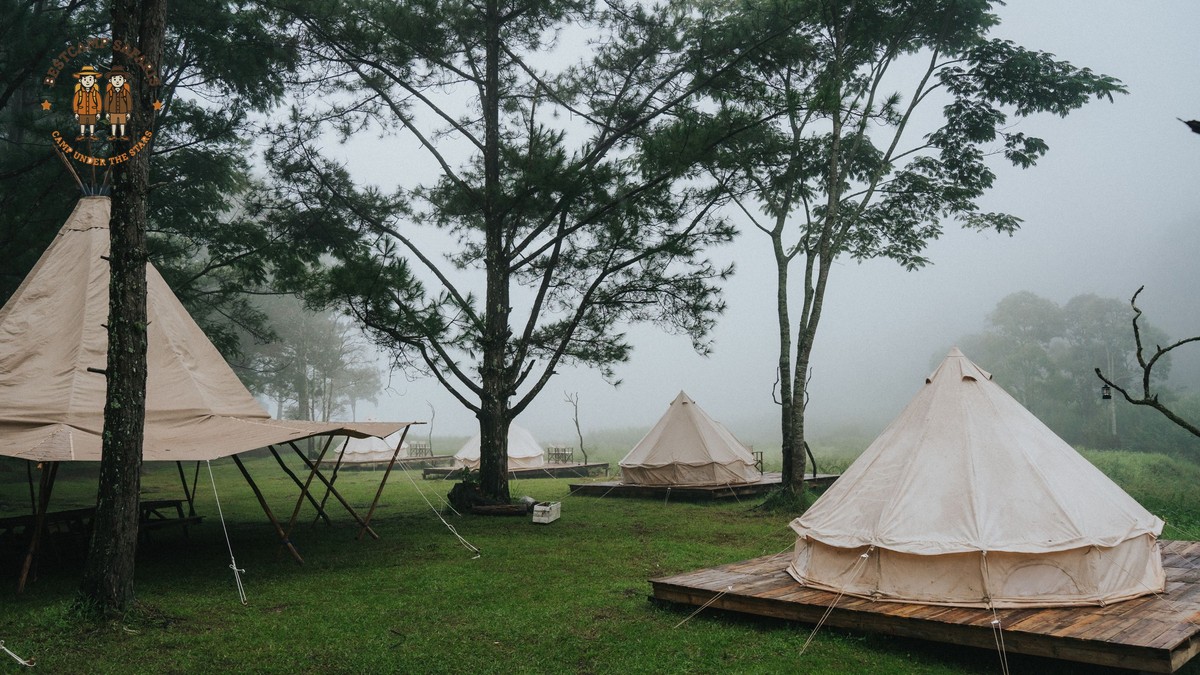
A daily mobile safari is different. It suits walkers and small groups in areas like Laikipia or the Chyulu Hills. You walk from one site to the next while a support vehicle carries the tents. By the time you arrive at 4:00, the crew has pitched the canvas, filled the bucket showers with warm water, and started the fire. You sleep in a new location each night, but you never pack a vehicle yourself.
What to Pack and Confirm Before Moving Camps
Pack in a soft-sided bag, keep valuables and medication with you, and confirm the exact camp, airstrip, transfer method, luggage allowance, departure time, and expected arrival time. Bush flights often impose tight weight limits, while road transfers may involve rough tracks. Ask what happens if weather or a delayed connection disrupts the move.
Before you leave the first camp, confirm all of the following: the exact pick-up time, the airstrip name, the vehicle type, the luggage weight limit, and whether conservancy fees are included. Keep passports, money, chargers, and children’s medicine in a small daypack. At Wilson Airport, baggage handlers weigh soft duffels and occasionally weigh passengers with hand luggage. A family of four with camera gear and toys can easily exceed 60 kg.
If you are moving with kids, also read about how safari tent security works, because zipper and lock standards vary between camps. And do not assume a road transfer will be smoother than a flight. A track that looks short on a map can be the slowest part of the day.
The BestCamp Safaris Difference
We plan camp moves around the time you actually have on the ground, not around an itinerary that looks tidy on paper. For family travellers, that means we check airstrip distances before booking a camp. We avoid one-night stops unless the route genuinely requires them. We tell you when a drive is shorter than the map says and when flying is worth the extra cost.
Our own guides and camp crews have done these moves in wet season, with tired children, and before sunrise. We know which airstrips leave you closest to the tents and which road stretches turn to mud after heavy rain. We include that knowledge in your quoted route instead of surprising you on day three.
Frequently Asked Questions
How long are safari camp moves?
A safari camp move usually takes two to six hours door to door in Kenya, but remote road transfers can take most of a day. The total includes packing, airstrip or road transfers, park formalities, stops, and check-in.
Do you lose a day when moving safari camps?
Not necessarily. Short transfers are often arranged between the morning and afternoon activities, allowing one game drive at each camp. A long road journey, delayed flight, or distant park connection can consume most or all of the day.
Is it better to drive or fly between safari camps?
Driving is generally less expensive and can include wildlife viewing, but it takes longer. Flying saves time between distant parks but costs more, depends on schedules, and usually has strict soft-bag weight limits. The best option depends on the camps, route, and length of the trip.
How many nights should you stay at each safari camp?
Plan on at least three nights when possible. Two nights may be enough for a nearby camp or a short itinerary, but three nights provide more useful dawn and afternoon activity windows and reduce the risk that a transfer or delay dominates the stay.
Do safari camps move every day?
Some mobile safaris move every day or every few days, with tents erected for a travelling group. Seasonal mobile camps usually stay in one area for weeks or months before relocating to follow wildlife or seasonal conditions.
Plan Your Kenya Safari Camp Moves
The easiest way to avoid a safari trip that spends half its time in a vehicle is to build the route with someone who has done it. Contact BestCamp Safaris through our contact page and tell us your travel dates, who is travelling, and which parks are on your shortlist. We will map the real door-to-door moves before you book.


