
 Wildlife Tours
You’ve done the Mara from a lodge deck already, maybe twice. Now you want the animal nobody else at the sundowner has seen. For most repeat visitors we guide, that animal is the honey badger. It’s small, it’s mean, and it does not care that you’re watching. Honey badger sightings Kenya safari trips are exactly what we build for guests like you.
I’ve sat in a Land Cruiser at 9pm in Mara North with the spotlight cutting low across the grass, watching a honey badger trot past like it owned the place. That’s the honest version of chasing this animal. Not scripted, not guaranteed, but worth the cold hands and the late dinner if it happens.
This guide covers where honey badgers actually turn up in Kenya, what a night game drive costs, and how to set your expectations before you burn three nights hunting for one sighting.
What Actually Is a Honey Badger
A honey badger, also called a ratel, weighs about 9 to 14 kg, roughly the size of a large dog. Its coat is two-tone, black underneath and grey-white across the back, a pattern that warns other animals off long before it needs to fight.
Short legs, thick loose skin, and claws built for digging make it look almost comical at rest. It isn’t. That loose skin lets it twist around and bite an attacker even while pinned. Ratel and honey badger are the same animal, just different names used across English and Afrikaans-influenced field guides.
Diet and the Honeyguide Bird
Honey badgers eat almost anything: snakes, rodents, scorpions, birds, roots, and yes, honey and bee larvae when they can get at a hive. That’s where the honeyguide bird comes in. This small bird leads honey badgers, and sometimes people, straight to wild beehives with a chattering call.
The badger tears the hive open, eats its fill, and the bird gets the leftover wax and larvae. It’s one of the few confirmed cases of a wild bird actively guiding a mammal to food, and it’s part of why Maasai and Boran honey hunters still follow honeyguides today.
Why Honey Badgers Fear Almost Nothing
Honey badgers have a reputation for taking on animals many times their size, and it isn’t just internet legend. They have some tolerance to snake venom, enough to survive a puff adder or cobra bite that would kill most mammals their size, though they can still die from a large enough dose.
Footage exists of honey badgers driving off jackals and even standing their ground against lions over a kill. They don’t win every fight. But their aggression, thick skin, and total lack of a flight response make most predators decide the meal isn’t worth the trouble.
Where Honey Badgers Live in Kenya
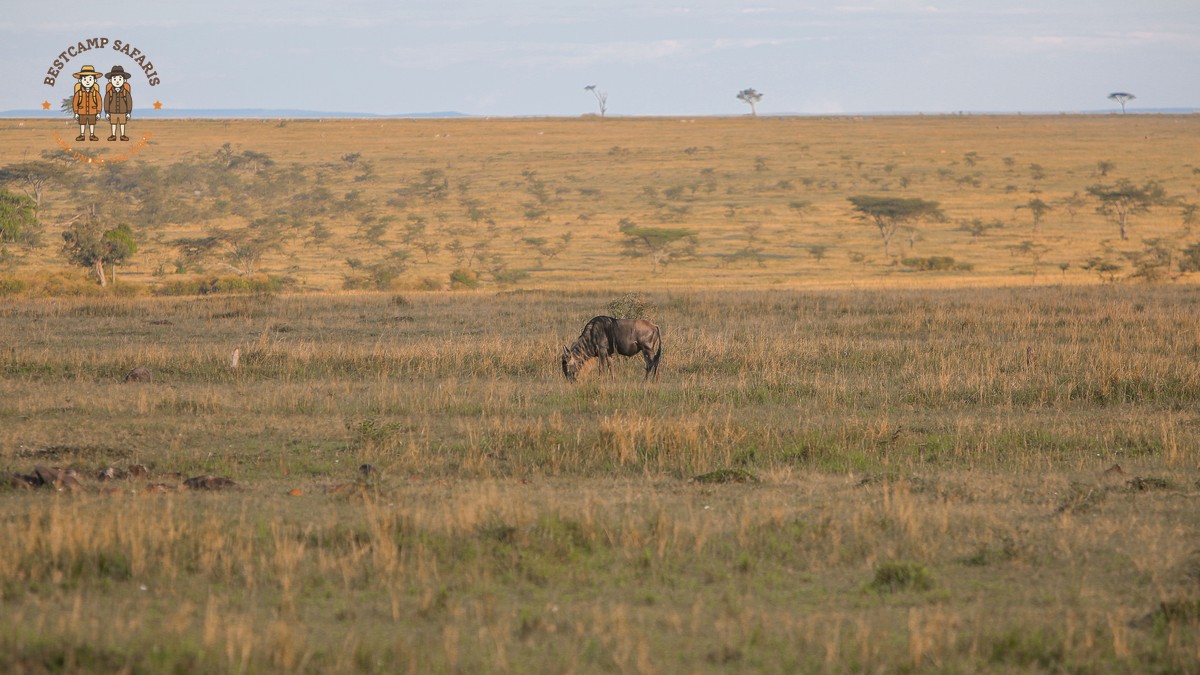
Honey badgers range across nearly all of Kenya, from the semi-arid north down to the coast. They favor open savanna and woodland edges where digging is easy and prey is varied. Densities are low everywhere, this is a solitary, wide-ranging animal, not one that clusters near water like buffalo or elephant.
That’s the core problem for anyone specifically chasing a sighting. Unlike lion or elephant, honey badgers don’t follow predictable patterns tied to a water hole or a kopje. You’re looking for a single animal covering several kilometers a night across a landscape the size of a small country.
Best Places for Honey Badger Sightings Kenya Safari Trips
Sightings cluster where guides log and share badger activity night after night, which is mostly in conservancies that run organized night drives. Here’s how the main options compare.
| Area | Distance from Nairobi | Non-resident park/conservancy fee | Night drives allowed | Honey badger sighting odds |
|---|---|---|---|---|
| Maasai Mara National Reserve | ~270 km / 45 min flight | USD 100/day (Jan-Jun), USD 200/day (Jul-Dec) | No | Low (day only) |
| Mara North Conservancy | ~275 km / 45 min flight | Bundled in camp rate, roughly USD 80-150/night | Yes | Moderate to good |
| Naboisho Conservancy | ~280 km / 45 min flight | Bundled in camp rate, roughly USD 80-150/night | Yes | Moderate to good |
| Tsavo East National Park | ~330 km / 4-5 hrs drive | USD 80/day | Limited, camp-dependent | Low |
| Amboseli National Park | ~240 km / 4 hrs drive | USD 90/day | No | Low |
| Chyulu Hills National Park | ~250 km / 4 hrs drive | USD 40/day | Some fly-camps offer it | Low to moderate |
Naboisho Conservancy, one of the best spots for a night-drive sighting, and neighboring Mara North both allow off-road driving and spotlighting, which the national reserve does not. That single rule is why conservancy stays consistently beat reserve-only itineraries for honey badger sightings.
Night Game Drives: Your Best Shot at a Sighting
Honey badgers are mostly nocturnal or crepuscular, meaning they’re most active at dusk, dawn, and through the night. A game drive that starts at 4pm and ends at 6:30pm will miss most of the action. You need to be out after dark.
In Naboisho and Mara North, most camps run night drives starting around 7pm, after dinner, or before breakfast starting around 4:30am, using a single handheld red-filtered spotlight so as not to disturb nocturnal hunters. Expect to add roughly USD 30 to 60 per person on top of your conservancy fee, though this varies by camp, so confirm the current rate when you book.
A three-night stay with one night drive per evening gives you a real shot, not a guarantee, at spotting genets, aardvarks, porcupines, and occasionally a honey badger digging up a mongoose den or raiding a termite mound.
Reserve Rules vs Conservancy Rules
This trips up a lot of repeat visitors who assume the whole Mara ecosystem works the same way. It doesn’t. The Maasai Mara National Reserve itself, run by Narok County Government, closes to visitors after 6:30pm and does not permit night drives or off-road driving.
The private conservancies bordering the reserve, including Mara North and Naboisho, set their own rules and generally do allow both. If a honey badger sighting matters to you, book your nights in a conservancy camp, not a reserve-only lodge. Read up on where night game drives are actually legal in Kenya before you lock in a camp, since rules can shift by conservancy and season.
How Rare Are Honey Badger Sightings, Really
Here’s the part most operator pages won’t tell you straight. Even experienced Mara North and Naboisho guides who drive these conservancies five nights a week might go a month or more between honey badger sightings. It is not like leopard, where a guide can often predict which drainage line to check.
Three or four night drives across three or four nights meaningfully improves your odds, but nothing removes the luck factor. We tell guests this upfront so a trip doesn’t hinge on one animal. If you want a fuller wildlife target list for a repeat trip, look at the Big Nine safari animals beyond the Big Five, and build a checklist that gives you several realistic wins instead of one long shot.
Conservation Status
The honey badger is listed as Least Concern by the IUCN, thanks to its huge range across Africa and parts of Asia. Numbers aren’t well tracked because the animal is solitary, wide-ranging, and mostly nocturnal, which makes surveys hard. Localized threats include retaliatory killing near beehives and farms, and road collisions near settled areas, but the species overall isn’t considered at risk.
FAQ
Where is the best place to see a honey badger in Kenya? Mara North and Naboisho Conservancies, on a night drive, give you the best realistic odds.
Can you see honey badgers inside the Maasai Mara National Reserve? Rarely at night, since night drives aren’t allowed there. Daytime sightings happen but are uncommon.
What time of day are honey badgers most active? Dusk, dawn, and after dark. Daytime sightings do happen but are far less common.
Are honey badgers dangerous to humans? They can bite hard and won’t back down if cornered, but they generally avoid people and don’t hunt humans.
Can a honey badger really fight off a lion? It can drive one away from a kill in rare footage, but it’s not a fair fight and badgers avoid it when possible.
What do honey badgers eat? Snakes, rodents, insects, birds, roots, and honey, taking whatever’s easiest to find that night.
How much does a night game drive cost in a Kenyan conservancy? Roughly USD 30 to 60 per person on top of the standard conservancy fee, camp-dependent.
The BestCamp Safaris Difference
We build repeat-visitor itineraries around conservancies that actually allow night drives, not lodges that quietly can’t deliver one. Our guides in Mara North and Naboisho log wildlife sightings nightly and route your drives toward recent honey badger and other rare-species activity, rather than driving the same loop every night.
We’re also upfront when the odds are against you. If a honey badger doesn’t show, your itinerary already includes strong alternatives, from aardvark and serval to leopard on a night drive, so the trip still delivers.
Plan Your Trip
Ready to build a night-drive-focused itinerary around Mara North or Naboisho? Get in touch with BestCamp Safaris and we’ll put together a plan around your dates, your camp preferences, and what’s actually on your wildlife list this time.


