 Adventure Tours
Fly camping is the closest you can get to sleeping in the wild without going solo. A fly camp sits on the ground with a sheet of canvas overhead. The gear list is shorter than most first-timers expect. This guide explains what gear does fly camping include, what the crew provides, and what stays in your soft bag.
What Gear Does Fly Camping Include? The Camp’s Side
Fly camping usually includes a simple flysheet or tarp, ropes, stakes, mosquito netting, a sleeping mat or stretcher, and bedding supplied by the safari operator. Guests normally do not carry a full tent, poles, or heavy camp furniture.
Here is the safari fly camping gear that comes with the camp.
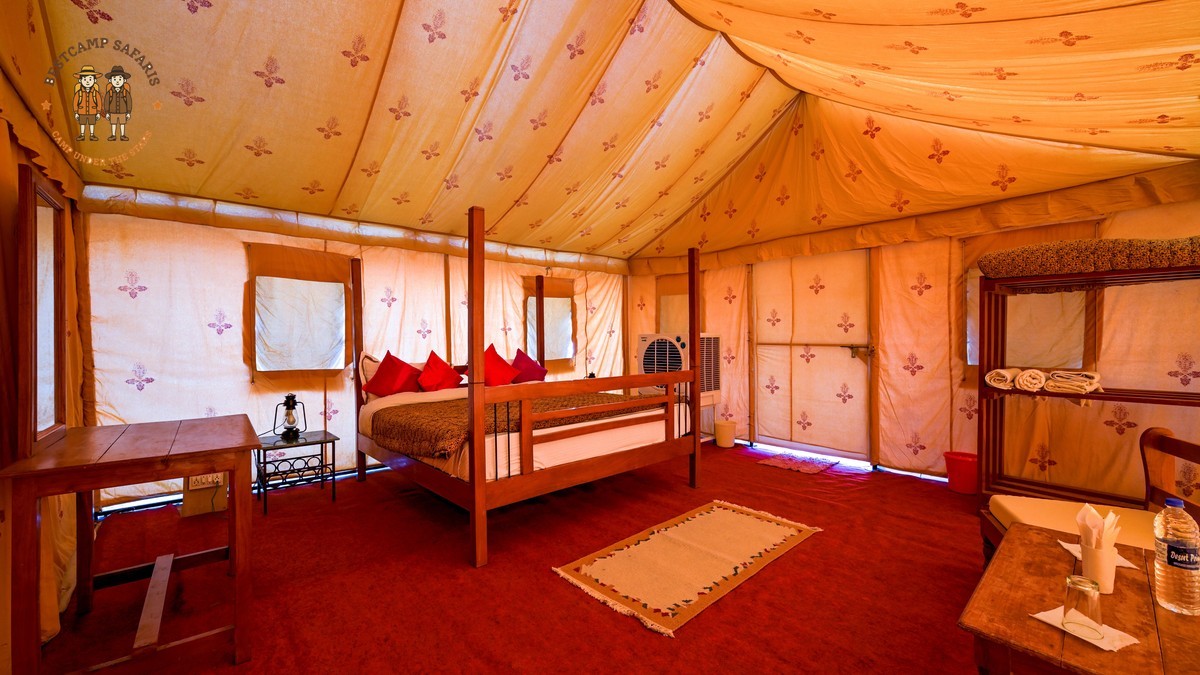
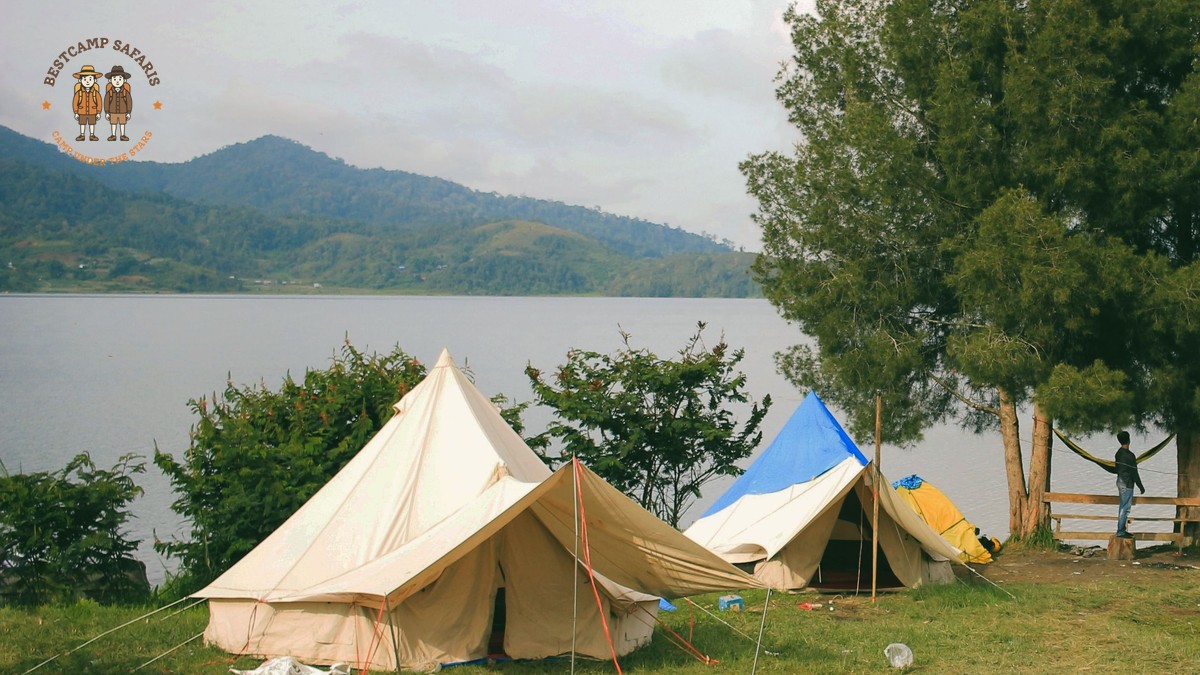
- Flysheet and poles. At a BestCamp Safaris fly camp in Chyulu Hills, the crew carries a large ripstop canvas flysheet. It is strung between trees or on light poles. It shades the bed, but it is not a full room.
- A bed off the ground. Under the flysheet, a low camp bed or foam mat keeps you above the dirt. The mattress is thin on purpose. You feel the ground at 5am before the first game drive. That is part of the experience.
- Mosquito netting. A fine net wraps around the bed. In Mara North Conservancy, that net does more work than the flysheet after sunset.
- Bedding. Most mobile camps supply blankets, duvets, pillows, and cotton sheets. Policies differ, so ask. If you are unsure whether you need a sleeping bag on safari, check that guide before you pack.
- A camp kitchen. The crew brings a stove or fire pit, pots, plates, cups, cutlery, and tables for meal prep. You do not carry cooking equipment.
Clothing and Personal Comfort Items to Pack
Pack lightweight, neutral-coloured clothing in breathable layers, including long sleeves, hiking trousers, warm fleece, light jacket, underwear, socks, closed walking shoes, sandals, hat, sunglasses, and a scarf or buff. Add fragrance-free toiletries, sunscreen, insect repellent, and a thin sleeping-bag liner if extra warmth matters.
Use this fly camping packing list for the personal side.
- Layers for day and night. Safari mornings start cold. A fleece and a light jacket work better than one heavy coat.
- Closed shoes and sandals. Wear closed shoes for walking and bush walks. Keep sandals for the camp shower and evening around the fire.
- Sun protection. Bring a wide hat, sunglasses, and sunscreen. The high-altitude sun in Kenya burns fast.
- A sleeping-bag liner. Even when the camp supplies a duvet, a liner adds warmth and keeps your bedding clean.
- Toiletries and wet wipes. Bucket showers are common at fly camps. Wet wipes help between showers.
Lighting, Water, and Safety Gear
Bring a dependable headlamp, spare batteries, refillable water bottle, compact medical kit, prescription medicines, blister treatment, rehydration salts, and personal hygiene supplies. A small dry bag protects electronics from dust and rain.
Do not skip these items.
- Headlamp. The path to the bush toilet is dark after dinner. A headlamp frees your hands.
- Spare batteries. Rechargeable batteries may not last a multi-day fly camp. Carry spares in a zipped bag.
- A refillable water bottle. Camps provide drinking water, but a personal bottle helps on game drives and walks.
- A compact medical kit. Include paracetamol, antiseptic, plasters, blister treatment, and rehydration salts.
- A dry bag. Dust and short rains find electronics. Keep your phone, charger, and camera battery inside a dry bag.
Binoculars and camera gear are personal items. They stay in your daypack, not in the camp supply list.
Cooking and Camp Equipment Provided
The camp crew generally supplies the cooking fire or stove, cookware, utensils, drinking-water arrangements, dining equipment, and food when fly camping is part of a guided safari. Guests should not assume every operator provides snacks, personal bottles, alcohol, or specialty dietary items.
On a fly camping safari, the crew handles the heavy mobile safari camp equipment.
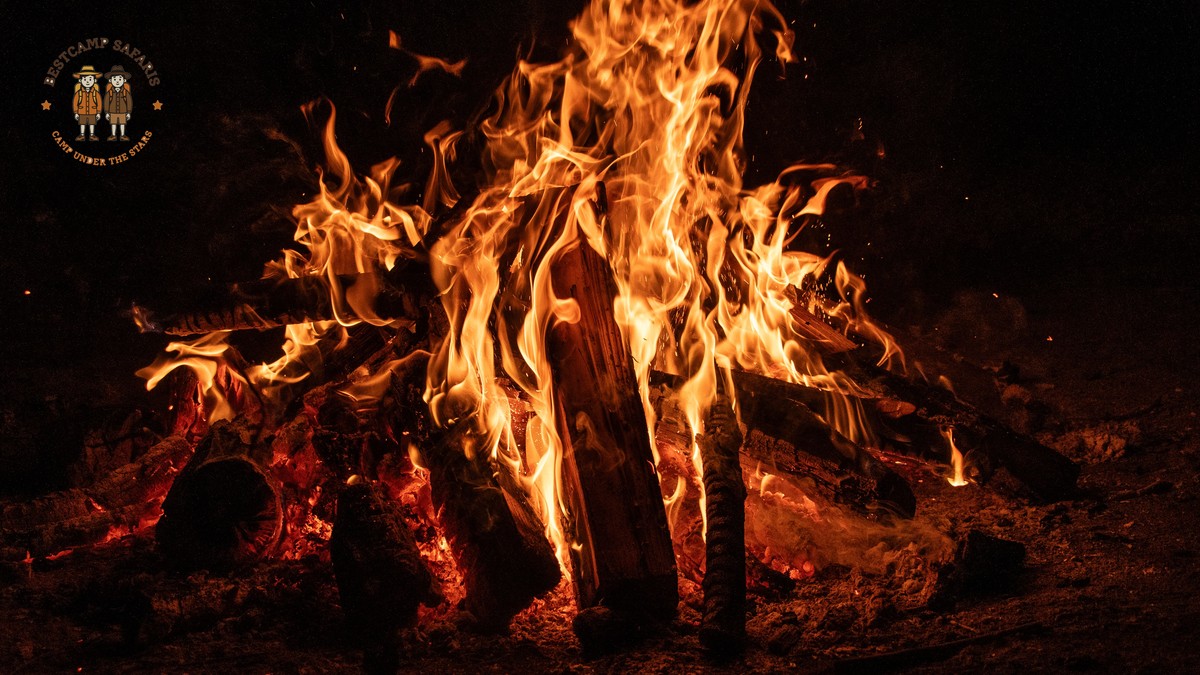
- Stove and firewood. The crew sets up a simple cooking area near the dining table.
- Dining setup. You get a sturdy table, camp chairs, plates, bowls, mugs, and cutlery.
- Fresh drinking water. Camps carry filtered or bottled water. Fill your bottle each morning.
- Meals. Breakfast, lunch, and dinner are usually part of the rate. Drinks like tea and coffee are normally included too. Anything extra, like a special snack or a bottle of wine, is confirmed before travel.
Confirm every inclusion in writing. For weather changes, ask how mobile camps handle rain and what the crew will do if a storm moves in.
What Guests Pack vs What the Operator Provides
The operator typically provides the flysheet, poles, ropes, pegs, mosquito net, mattress or stretcher, bedding, camp kitchen, and basic camp furniture; guests provide clothing, toiletries, medicines, footwear, headlamp, camera or binoculars, and valuables. The exact split varies by camp, so the booking document should be the final packing authority.
The table below shows what is supplied at real safari areas and what you should expect.
| Safari area | Typical fly camp setup | Fee note |
|---|---|---|
| Chyulu Hills National Park | Open net bed under a flysheet; portable toilet and bucket shower on request | Park entry is USD 40 per adult per day for non-residents; camp fees vary |
| Mara North Conservancy | Walking-focused fly camp with crew and kitchen | Conservancy fee is bundled into camp rates, roughly USD 80-150 per person per night |
| Naboisho Conservancy | Private-vehicle fly camp with a similar open setup | Same bundled fee range, not a separate park gate fee |
| Masai Mara National Reserve | Mobile camps are more common than open fly camps | Reserve entry is USD 200 per adult per day in July-December, USD 100 January-June |
For Kenya safari camping, the pattern is the same. The camp supplies the shelter. You bring the personal kit.
BestCamp Safaris includes the flysheet, bed, net, kitchen, and crew in every fly camp package. That is why your bag stays small. It is also why a classic camping safari feels more like an expedition than a lodge stay.
Pack for Safari Light Aircraft Limits
Safari light aircraft commonly impose strict soft-bag weight and size limits, so confirm the operator’s allowance before travelling. Fuel canisters and fuel residue are prohibited on aircraft. Poles, stakes, knives, and some batteries may need special packing or checking under airline rules.
Keep these limits in mind.
- Leave fuel at home. Even an empty camp stove cartridge can be rejected.
- Keep your bag soft. Hard cases do not fit light aircraft holds.
- Protect battery terminals. Tape them or use a battery case.
- Do not pack a tent. You do not need one. The fly camp provides shelter.
A light aircraft bag is usually around 15 to 20 kilograms, depending on route. Small, soft duffels work best.
Start With One Question
Ask your operator for the full inclusions list before you book. If that list does not say “sleeping bag provided,” pack a liner. If it does not say “all meals,” pack snacks.
The next action is simple. Send your rough dates and group size through the BestCamp Safaris contact page, and ask for the gear sheet for your chosen camp. That one email will turn this packing list into your personal safari checklist.


