 Adventure Tours
You speak Bodo at home. Your kids probably do too. When you search for a Kenya safari, every guide assumes you read English and think like a traveler from London or New York. This one does not.
This guide covers a family safari in Kenya for Bodo-speaking parents, planning from Assam with your parents, your spouse, and your children. Real flight routes from Guwahati. Real eTA steps for Indian passports. Real names of camps that handle vegetarian requests. Real prices in USD and INR.
Let us plan this together.
Why Kenya Works for a Family Safari for Bodo-Speaking Parents
Kenya is one of the few safari countries where you can see lions, elephants, and giraffes within a two-hour drive of an international airport. Nairobi National Park sits right next to the city. You land at Jomo Kenyatta International Airport, sleep one night, and start game drives the next morning.
For families, that matters. A long overland transfer after a 12-hour flight is hard on young children. Kenya keeps the first day easy.
The other reason is the camps themselves. Kenyan safari camps have hosted families for decades. They know how to feed picky eaters, keep toddlers busy, and adjust game drive times around nap schedules. You are not the first family to arrive with a six-year-old and a grandmother.
Best Parks and Reserves for Families
| Park / Reserve | Main appeal for kids | Non-resident entry fee (adult, per day) | Distance from Nairobi | Drive time |
|---|---|---|---|---|
| Nairobi National Park | Easy first safari, rhinos close to city | USD 80 | 7 km | 20 min |
| Amboseli National Park | Big elephant herds, Mount Kilimanjaro view | USD 90 | 240 km | 4 hours |
| Lake Nakuru National Park | Rhinos, flamingos, easy game viewing | USD 90 | 160 km | 2.5 hours |
| Masai Mara National Reserve | Great migration, lion prides, open plains | USD 100 (Jan-Jun), USD 200 (Jul-Dec) | 270 km | 5-6 hours |
| Ol Pejeta Conservancy | Chimpanzee sanctuary, last two northern white rhinos | Indicative: USD 70-100 per adult | 220 km | 3.5 hours |
The Masai Mara is the most famous, but it is also the most expensive in peak season. From July to December the entry fee doubles to USD 200 per adult per day. That is USD 400 per day for two adults before you pay for lodging.
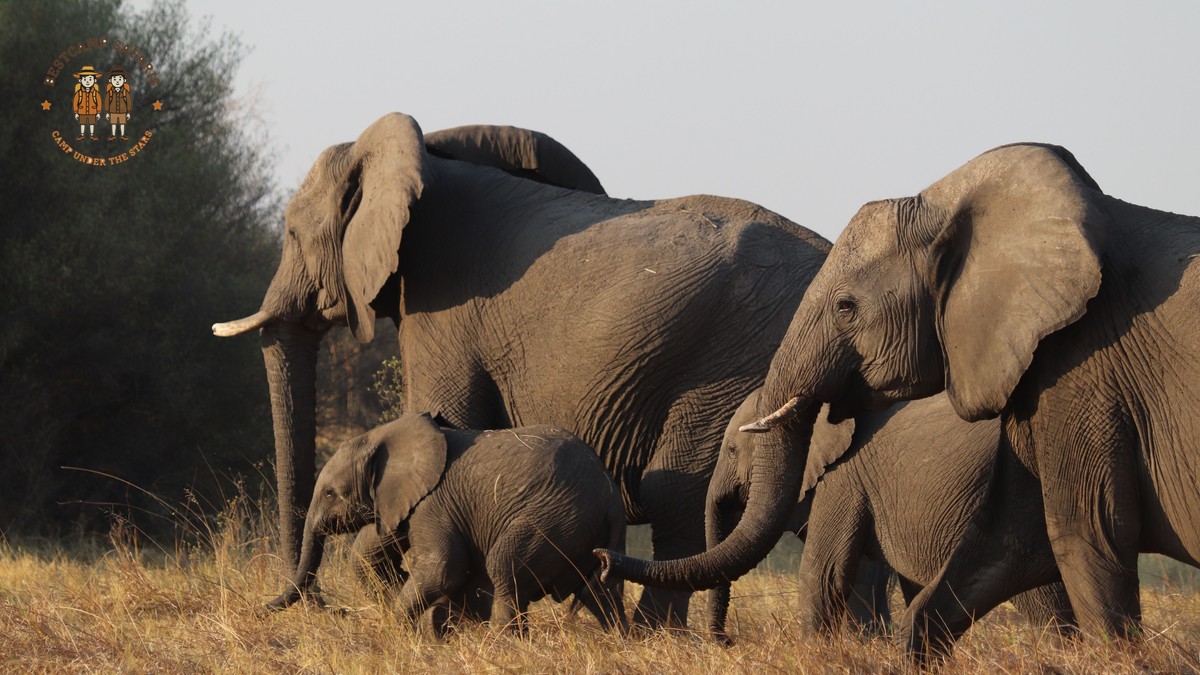
For a first family safari, consider Amboseli instead. The elephants are world class. The ground is flat, so game viewing is easy. And the fee stays at USD 90 all year.
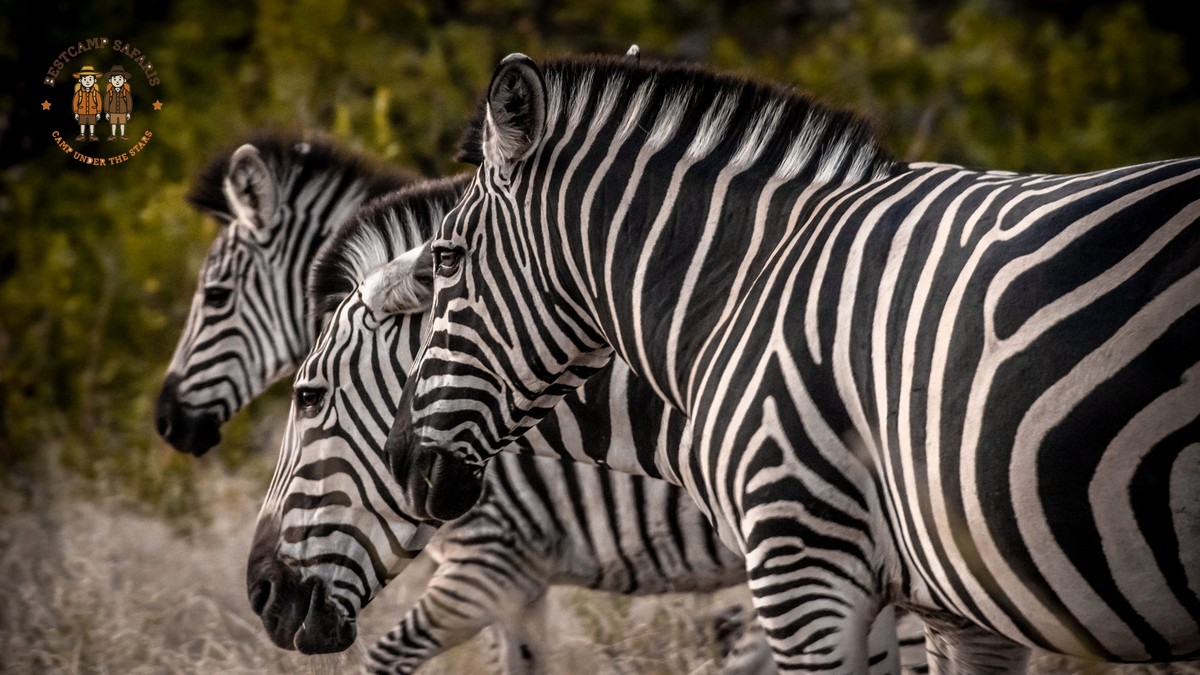
Lake Nakuru is a smart addition because the drive is short and the rhino viewing is reliable. Your kids will remember seeing a white rhino mother with her calf.
What Age Is Right for a Safari
Most Kenyan camps accept children from age 6. Some allow younger kids in private vehicles. A few have age limits of 8 or 10 because of malaria risk and the nature of game drives.
Here is an honest age-by-age guide:
Under 5 years. Malaria is the concern. Young children have less immunity and antimalarials for babies require a pediatrician’s advice. Game drives are also long. A 3-year-old rarely lasts two hours in a vehicle. Wait if you can.
Ages 6 to 9. This is the sweet spot. Kids can take antimalarials like Malarone (atovaquone-proguanil) in pediatric doses. They can sit through a two-hour game drive. They ask wonderful questions. Camps often have cub clubs with activities during the hot midday hours.
Ages 10 to 14. Ideal. They will remember the trip forever. They can handle full-day drives with a picnic lunch. Many camps offer bush walks and night drives for older kids.
Multi-generational groups. Kenya works well for grandparents too. Choose camps with ground-floor tents or lodge rooms, not steep staircases. Ask about shorter drives and optional rest days.
Family-Friendly Camps and Lodges to Look For
When you book through BestCamp Safaris, we match your family to camps that meet three criteria: verified child policies, reliable vegetarian meals, and easy logistics.
Here are names to know:
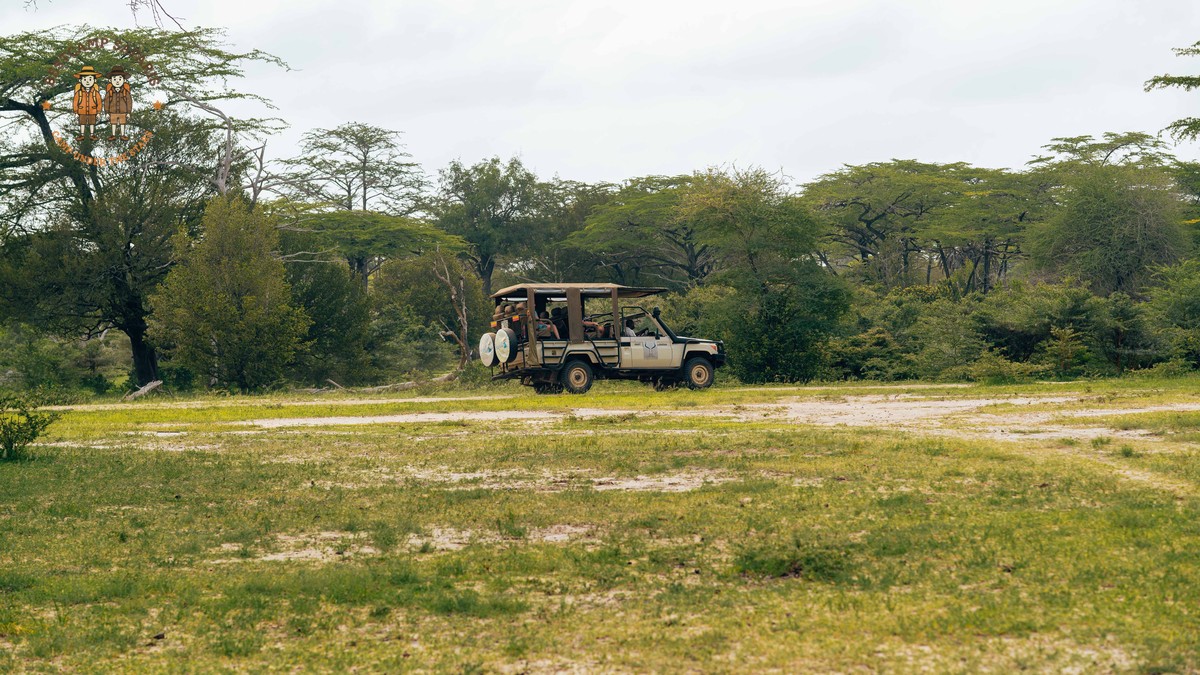
Kicheche Bush Camp (Olare Motorogi Conservancy, Masai Mara). Tents are spacious. The camp runs a dedicated kids program. Vegetarian meals are handled with advance notice. The conservancy model means lower vehicle density, so you see more animals and fewer crowds.
Amboseli Serena Safari Lodge. A classic lodge with a pool. Kids love the pool after a morning drive. The rooms are solid and the buffet has vegetable options at every meal.
Ol Pejeta Bush Camp. Set in a conservancy with a chimpanzee sanctuary. Your kids can learn about conservation from rangers who explain their work. The camp is intimate, with just six tents.
Sarova Lion Hill Game Lodge (Lake Nakuru). Family rooms and a pool. The buffet is extensive, which helps with picky eaters. The lodge sits on a hill with lake views.
Always tell your operator about dietary needs before booking. Kenyan camps can do excellent vegetarian food, but they need notice. Rice, lentils, chapati, grilled vegetables, and fresh fruit are standard. Bring your own spices if your family prefers stronger flavors.
Kid Activities Beyond the Game Drive
Game drives are the main event, but they are not the only event. Build rest days into your itinerary.
Giraffe Centre (Nairobi). Feed giraffes from a raised platform. Kids can get nose to nose with a Rothschild giraffe. Entry is around USD 15 for non-resident adults and USD 7 for children. Allow 90 minutes.
Sheldrick Wildlife Trust Elephant Orphanage (Nairobi). Visit at 11am to watch orphaned elephants get their milk bottles. The visit lasts one hour. Entry is by donation, with a suggested USD 10 per adult. Book ahead because the 11am slot fills fast.
Cub clubs at camps. Many camps run afternoon activities: tracking, casting animal footprints, learning to identify birds. These keep kids engaged during the hottest part of the day.
Ol Pejeta Chimpanzee Sanctuary. See rescued chimpanzees in a forest enclosure. The sanctuary is one of only two in Kenya. It also hosts the last two northern white rhinos on Earth, guarded around the clock.
Health, Safety and Vaccination Prep
This is the section where most generic guides fail Bodo-speaking parents. Here is the practical list.
Malaria. Kenya has malaria risk in most safari areas, including the Mara and Amboseli. Nairobi itself is low risk. Talk to a doctor in Guwahati or Delhi at least 4 weeks before travel. Malarone is the most common choice for kids because it has few side effects. Doxycycline is another option for adults. Use mosquito repellent with DEET, sleep under nets provided by camps, and cover arms and legs at dawn and dusk.
Vaccinations. Yellow fever vaccination is required if you come from or transit through a yellow fever endemic country. Indian travelers transiting through Addis Ababa or other African hubs may need the certificate. Carry your yellow card. Routine vaccines, hepatitis A, typhoid, and polio boosters are recommended.
Travel clinic visit. Schedule one visit to a travel clinic in Guwahati or Delhi. The doctor will assess your family’s specific needs and prescribe antimalarials in pediatric doses.
Stomach safety. Drink only bottled or filtered water. Camps provide safe drinking water. Brush teeth with bottled water for the first few days.
Safety in camps. Camps are fenced or have askaris (guards) who walk you to your tent after dark. Listen to the safety briefing. Do not walk alone at night.
Getting There: Flights and Visas from India
Flight routing. The realistic route from Guwahati to Nairobi involves a connection. Fly Guwahati to Delhi (about 2.5 hours), then Delhi to Nairobi. Kenya Airways flies direct from Delhi to Nairobi, roughly 7 hours. Alternatively, fly via Mumbai or Doha. Qatar Airways via Doha is a popular option, with a total travel time of 12 to 14 hours including the connection.
eTA for Indian citizens. Indian passport holders need travel authorization for Kenya. Kenya replaced its eVisa with the Electronic Travel Authorization (eTA) system in 2024, which you apply for online before travel. The eTA costs about USD 34 per applicant. You need a passport valid for at least 6 months, a passport photo, flight itinerary, and proof of accommodation. Apply at least 2 weeks before departure. Print the eTA approval and carry it with your passport.
Luggage limits on light aircraft. If you fly from Nairobi to the Masai Mara on a light aircraft, the luggage limit is usually 15 kg per person in a soft bag. Hard suitcases do not fit in the small cargo holds. Pack accordingly. Leave the big suitcase in storage at your Nairobi hotel.
Which Language Will Your Safari Guide Speak?
Safari guides speak English and Swahili. Some speak German, French, or Spanish. Very few speak Hindi. Almost none speak Bodo or Assamese.
Plan a bridge-language strategy. If your parents are comfortable in basic English, most guides speak slowly and clearly. If not, designate one family member as the translator. Ask the guide to pause after each sentence so you can translate to Bodo for the grandparents.
Some Indian tour operators offer Hindi-speaking guides. You can request a Hindi-speaking driver-guide through your operator, but availability is limited and the premium is real. Decide what matters more: language comfort or camp quality.
Vegetarian and home-style food. Kenyan camps understand vegetarian requests from Indian travelers. They will serve dal, rice, chapati, and vegetable curries if you ask in advance. Some camps even have Indian chefs. Ask your operator to confirm this before booking. Carry instant noodles or packaged snacks as backup for the kids.
Sample Itinerary: 7 Nights for a Family
Here is a realistic first safari. It balances wildlife time with rest days.
Day 1: Arrive Nairobi. Pickup at Jomo Kenyatta International Airport. Transfer to a Nairobi hotel near the Giraffe Centre. Explore Nairobi National Park if energy allows.
Day 2: Morning at Giraffe Centre, then 11am at Sheldrick Elephant Orphanage. Afternoon rest. Overnight Nairobi.
Day 3: Drive to Amboseli National Park (4 hours). Afternoon game drive. Overnight in the park.
Day 4: Morning game drive at the foot of Kilimanjaro. Afternoon rest and pool time. Overnight in the park.
Day 5: Morning drive back to Nairobi (4 hours). Fly or drive to the Masai Mara. Evening game drive. Overnight in the Mara conservancy.
Day 6: Full day in the Mara. Morning and late afternoon game drives. Optional Maasai village visit. Overnight in the Mara.
Day 7: Morning game drive. Fly from the Mara to Nairobi. Afternoon at leisure. Evening international flight home.
Costs and Budgeting
Let us talk real numbers. Per person per day, a mid-range family safari in Kenya costs between USD 250 and USD 400. That includes lodging, meals, game drives, and park entry fees. It does not include international flights, visas, or drinks.
Here is a sample budget for a family of four (two adults, two children under 12) for 7 nights:
| Item | Cost estimate (USD) | Notes |
|---|---|---|
| International flights (4 people) | USD 1,600 to USD 2,400 | Round trip from Delhi, economy |
| eTA (4 people) | USD 136 | USD 34 each |
| Lodging plus safari (per person per day) | USD 250 to USD 400 | Includes meals, drives, fees |
| Total for 4 people, 7 nights | USD 8,000 to USD 12,000 | Indicative range, not a quote |
Children under 12 often get reduced rates at camps, sometimes 25 to 50 percent off. Ask your operator to confirm.
The high season from July to October costs the most. The green season from November to May costs less and has fewer crowds. The dry months from June to October offer the best wildlife viewing. Your operator can help you balance cost and wildlife quality.
Bwisagu timing. If your family observes Bwisagu, the Bodo new year festival in April, you can plan around it. Travel in late April or early May for lower rates. The short rains bring lush scenery and good birding. Wildlife density is still solid.
The BestCamp Safaris Difference
Most booking platforms treat you as a transaction. We treat you as a family with specific needs. When you plan a family safari with BestCamp Safaris, we confirm the details that matter to Bodo-speaking parents:
- Camps that reliably serve vegetarian meals, confirmed in writing before you book.
- Child policies checked against your kids’ actual ages.
- Flight and transfer times that work around nap schedules.
- A bridge-language plan for grandparents who do not speak English.
- Luggage advice for light aircraft so you do not get stuck at the airstrip.
- Malaria and vaccination guidance from a doctor who knows Indian travelers.
- Itinerary pacing that includes rest days, not just game drives.
We have slept in the canvas tents. We know what the ground feels like at 5am before a game drive. We know which camps walk you to your tent by lamplight after dinner, and which ones let you linger at the campfire. That experience shapes every itinerary we build.
Ready to Plan Your Family Safari?
Planning a family safari from Assam takes time. You need the right flights, the right visas, the right camps, and the right pace. You do not need to figure it all out alone.
Contact BestCamp Safaris and tell us about your family: ages of the children, dietary needs, travel dates, and whether your parents will join you. We will build a Kenya itinerary that works for everyone, from the youngest to the oldest. Start with a conversation, no obligation.


