
 Wildlife Tours
I woke up at 4:40am in Naboisho Conservancy to a lion calling so close I felt it in the canvas. Not scary, actually. Just loud, low, and closer than any sound I’d heard in a city. Ten minutes later a camp guard walked past my tent on his usual round, boots crunching on dry grass, completely unbothered.
That’s the short version of lion safety tented camp night: it works, but it works because of specific, learned routines, not luck. Here’s what actually happens after dark, camp by camp, so you know what you’re signing up for.
Lion Safety Tented Camp Night: Is It Actually Safe to Sleep Near Lions?
Yes, in a properly run camp. Thousands of guests sleep in unfenced tented camps across the Masai Mara ecosystem and Laikipia every year, and confirmed lion attacks on sleeping guests are extremely rare. Camps that have run for decades, like those in Mara North Conservancy and Naboisho Conservancy, report the occasional close pass by a lion or hyena, not attacks.
The safety comes from three things working together: how lions actually perceive a tent, trained camp staff, and rules guests follow. Skip any one of those and the risk goes up.
Why a Zipped Tent Doesn’t Look Like Dinner to a Lion
Lions hunt by shape and movement, not scent alone. A zipped canvas tent reads as one solid, unfamiliar object, the same way a safari vehicle does. Guides never let you stand up in an open vehicle near lions for this exact reason: it breaks the outline and turns you into a recognizable, upright human shape.
A closed tent keeps that outline intact all night. Lions walk past, sometimes within a few metres, and treat the tent as part of the landscape. What breaks the illusion is a torch waved outside, a zip pulled open, or a person stepping out. That’s why every camp’s night rules focus on staying contained until staff arrive.
Camp Staff, Guards, and the Night Escort Protocol
This is the part most blog posts wave away. Here’s what it actually looks like at a well-run Kenyan camp.
A night guard, usually called an askari, sits by the fire near the mess tent from dusk until the last guest turns in, then does rounds until sunrise. When you’re ready to walk to your tent after dinner, staff walk you there with a torch, checking the path for eyes reflecting in the grass. In the morning, someone comes to your tent and calls your name before you unzip, because wildlife moves through camp corridors overnight and staff need to check the path is clear first.
This isn’t a myth added for atmosphere. It’s standard practice at camps across Naboisho, Mara North, and the Laikipia conservancies, and reputable operators train staff on it specifically. If a camp skips the escort and just points you toward your tent with a flashlight, that’s a fair question to ask before booking.
Camp Layout Keeps Wildlife Paths Away From Tents
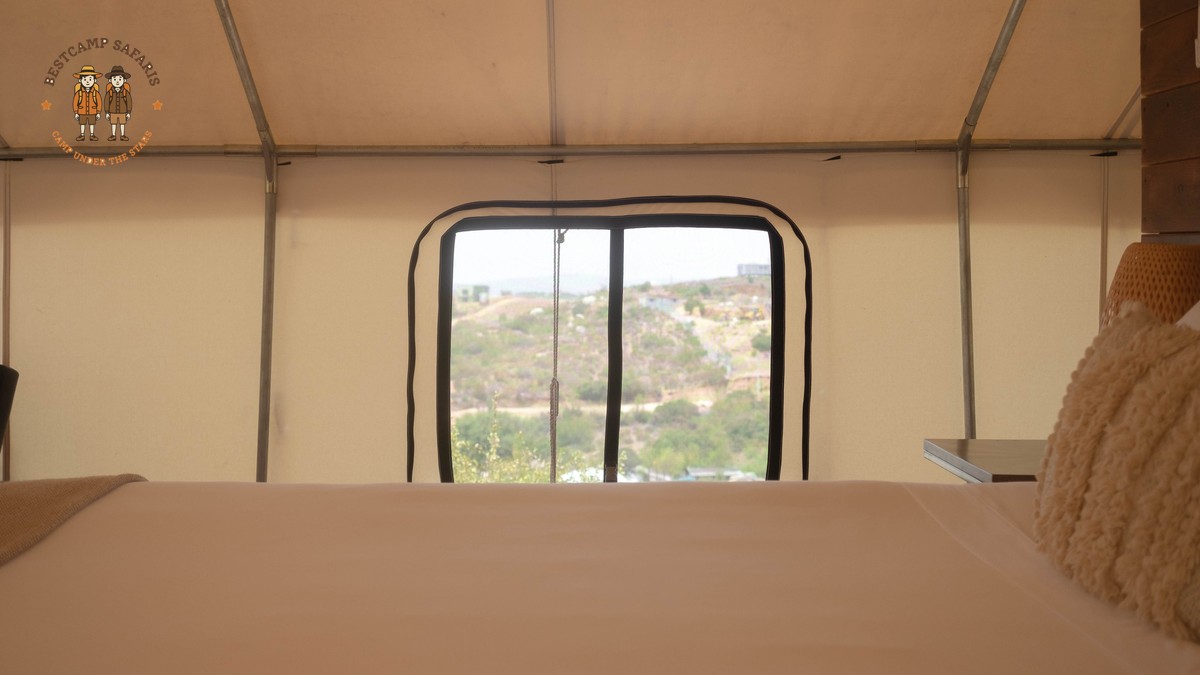
Camps are sited with wildlife movement in mind, not just the view. Tents go on raised platforms or slightly elevated ground, spaced apart along a path rather than clustered, with the mess tent and fire pit at the center. Some camps in unfenced bush camping in Laikipia sit near natural water points, which sounds risky until you realize it also means staff know exactly where animals are likely to pass and plan guard rounds around it.
A handful of camps use a low boma, a fence of thorn branches or a simple wire barrier, mostly to discourage hyenas and buffalo from wandering through the sleeping area. Big cats can clear most bomas easily, so the boma is a nudge, not a wall. The real deterrent is staff presence and distance planning.
What Actually Separates You From Wildlife
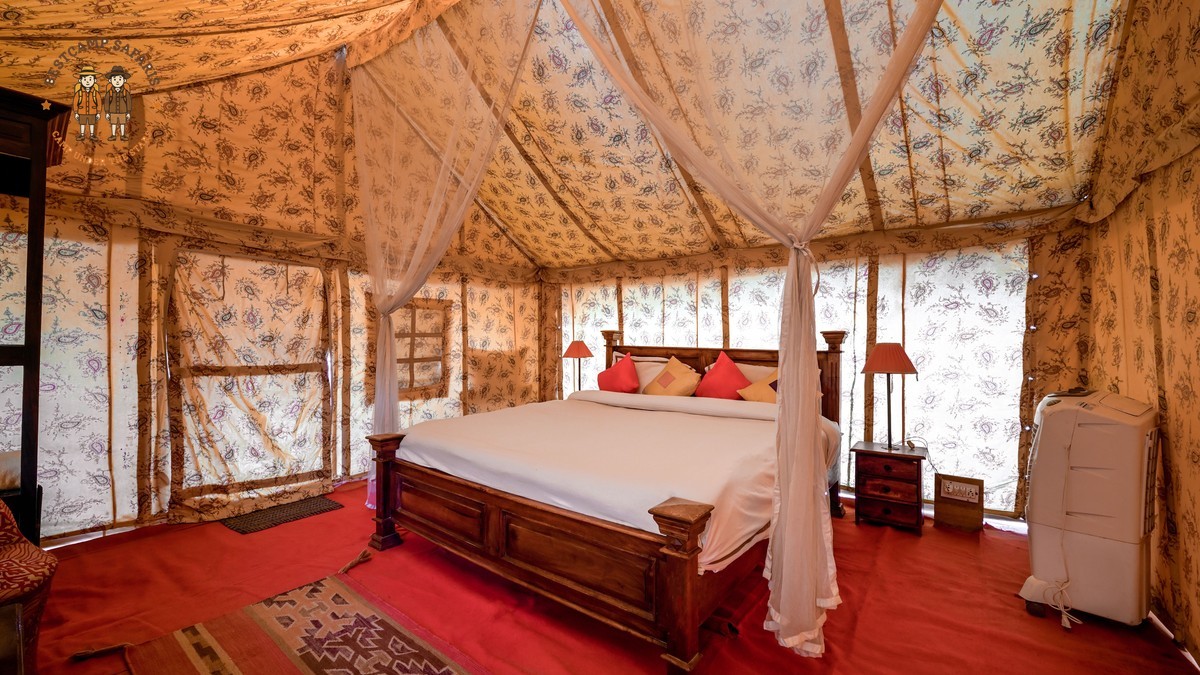
A safari tent isn’t as flimsy as it sounds. Most permanent tented camps use heavy canvas over a steel or timber frame, with a solid groundsheet, a lockable zip, and a proper en-suite bathroom built into the back half. Some have a rigid wall up to waist height with canvas above it, which holds up better in wind and rain.
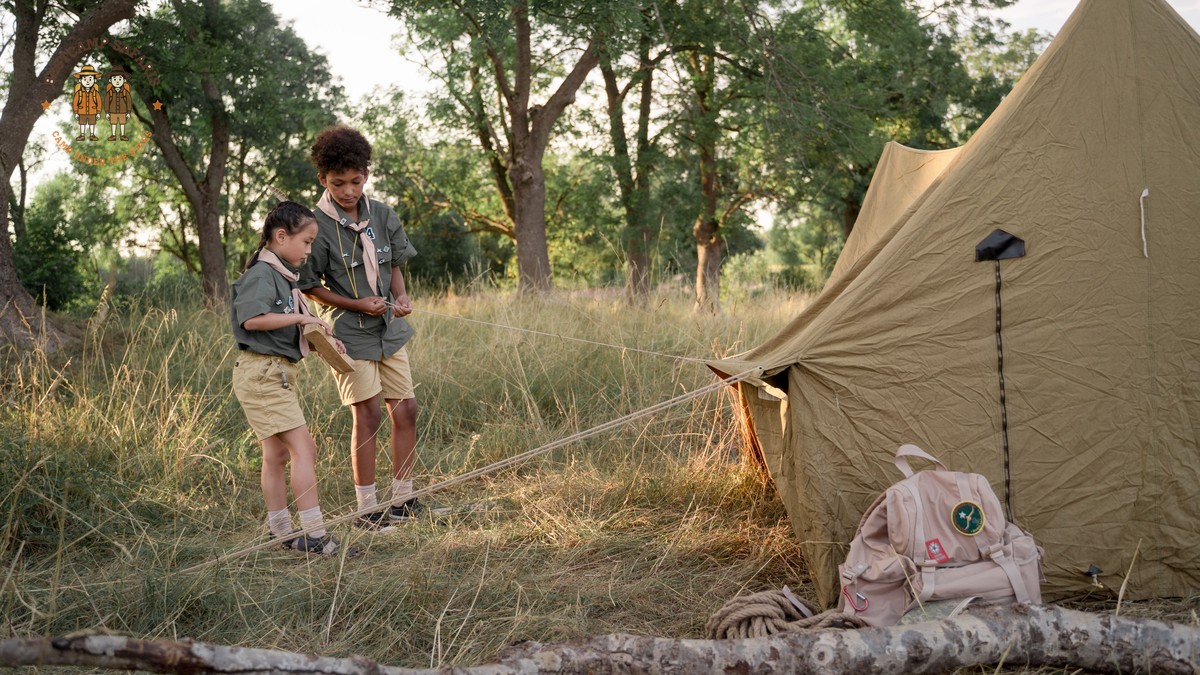
Mobile fly camps, the ones set up for one or two nights on a walking safari, use lighter dome or A-frame tents without the rigid structure. They’re still zip-sealed and staffed the same way, but the canvas is thinner and there’s no attached bathroom, just a bucket shower and long-drop toilet a short escorted walk away.
Rules for Guests After Dark
Every camp briefs you on this the first evening, usually over sundowners. The rules are short and worth taking seriously:
- Stay inside your tent between the escort drop-off and the wake-up call.
- Keep the zip fully closed, even for a few minutes.
- Never keep food, fruit, or scented toiletries inside the tent.
- Use the torch and whistle or radio left in your tent if you need staff overnight.
- If you hear an animal close by, stay still and quiet. Movement and noise are what draw attention, not the sound of your breathing.
What You’ll Actually Hear at Night
Expect a lion’s contact call carrying from a kilometre off, hyena whoops that sound closer than they are, and the occasional soft footfall or snort right outside canvas. It’s genuinely one of the best parts of a mobile camping trip, hearing the bush wake up before you can see any of it. Most guests describe it as unsettling for the first night and oddly peaceful by the third.
Hyenas, Insects, and Snakes
Lions get the headlines, but hyenas are the more frequent night visitor, drawn by camp kitchen smells even when food is stored properly. They’re rarely a threat to a zipped tent but will investigate anything left outside. Mosquito nets and repellent handle the insect side. For the full rundown on scorpions and snakes, including what to do if one turns up in your shoe, our camp safety guide to snakes covers it in detail.
Kids in Tented Camps
Family-friendly camps in the Mara and Laikipia take kids from around age six, sometimes younger with a private vehicle and dedicated escort. The same rules apply, and staff are used to walking families together at a kid’s pace. Ask specifically about family tent layout when booking, since some camps use twin-bedded family tents and others use two tents side by side with a shared guard route.
Permanent Tented Camp vs Mobile Fly Camp
This is the trade-off most guides skip. Both are genuinely used and both are run safely, but they are not equally safe, and a first-time traveler deserves to know the difference before choosing.
| Feature | Permanent Tented Camp | Mobile Fly Camp |
|---|---|---|
| Typical location | Naboisho, Mara North, Loisaba (Laikipia) | Remote sites within the same conservancies |
| Night guard | Yes, fixed askari post overnight | Yes, but staff-to-guest ratio is often lower |
| Boma or barrier | Common, low thorn or wire boma | Rare, usually none |
| Bathroom | En-suite, attached to tent | Bucket shower, short escorted walk |
| Tent structure | Heavy canvas, steel frame, solid base | Lighter canvas, dome or A-frame |
| Typical price | USD 450-900 per person/night, full board | USD 350-700 per person/night, full board |
| Best for | First-time travelers, families | Experienced safari-goers, walking safaris |
If you’re deciding between the two, read how remote a Kenya fly camp really is before you book. A fly camp is a genuinely different experience from a permanent camp, and being clear on that gap matters more than a generic reassurance that “camping is safe.”
How Common Are Lion Incidents, Really?
Rare enough that camps operating for 20-plus years in Naboisho and Mara North can point to zero guest fatalities from lions on their premises. The incidents that do make headlines almost always involve someone leaving a tent at night against staff advice, usually to use the bathroom without calling for an escort. That single rule, wait for staff, accounts for nearly every documented close call.
The BestCamp Safaris Difference
We only work with camps that run a proper night escort protocol, not just a headlamp handed to you at dinner. Every camp on our Kenya itineraries briefs guests clearly on their first night, staffs an askari through until dawn, and sites tents with wildlife corridors factored in, not just the view. When we recommend a fly camp over a permanent camp, or the other way round, it’s based on your travel party and comfort with the trade-offs above, not a one-size-fits-all pitch.
FAQ
Can a lion actually get into a safari tent? Physically, yes, a lion could tear through canvas. In practice this almost never happens because the tent doesn’t register as prey while it stays sealed and still.
Has a tourist ever been attacked by a lion in a tented camp? Documented cases are extremely rare and nearly always involve a guest leaving the tent alone at night, against staff instructions.
Can you walk to the bathroom at night in a tent camp? In a fly camp, you call the guard on your radio or whistle and wait for an escort. In a permanent camp with an en-suite bathroom, you generally don’t need to leave the tent at all.
Are tented safari camps fenced? Most are unfenced or have only a low boma. The safety comes from staff presence and camp layout, not a barrier.
Plan Your Nights in the Bush With Us
If you’re weighing a permanent tented camp against a mobile fly camp for your first Kenya safari, we can walk you through what fits your group. Visit our Kenya safari trip pages or get in touch through our contact page and we’ll help you build the nights, and the days, around what you actually want to experience.


