
 Adventure Tours
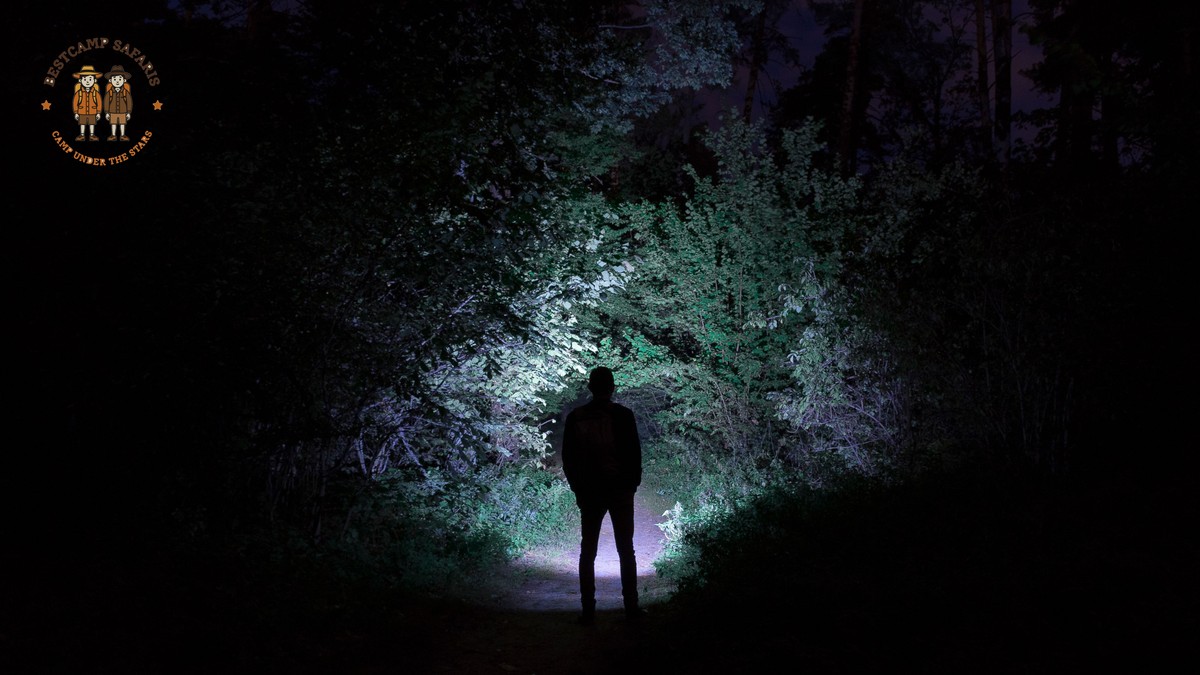
I still remember the first time a spotlight caught a genet cat frozen on a fence post in Ol Pejeta, its eyes glowing green in the beam. That moment doesn’t happen in most of Kenya’s national parks. Not because operators don’t want to offer it, but because it’s against the rules.
If you’ve been searching for the night game drives legal rules Kenya actually follows, you’ve probably hit vague claims like “night drives are special” instead of a straight answer. The truth comes down to land ownership and law. Gazetted national parks and reserves fall under the Wildlife Conservation and Management Act, 2013, and the KWS park rules built on it. Those rules close public parks to vehicles after dark. Private and community conservancies sit on different land, governed by their own management plans, so they can legally offer what the parks cannot.
This matters most if you’re the kind of traveler who wants to sleep in a canvas tent, not a lodge, and actually use the dark hours instead of just enduring them. Here’s where the law actually lets you drive after sunset.
Is It Legal? The Short Answer
No, not everywhere. Kenya Wildlife Service enforces fixed gate hours in every national park and most national reserves, typically 6:00am to 6:30pm. Driving inside those boundaries after gate closure is a punishable offense under park regulations, whether you’re in your own vehicle or a guide’s.
Private conservancies are different. They’re not gazetted under the Wildlife Conservation and Management Act as public parks. They’re leased or owned land, run by conservancy trusts working with Maasai, Samburu, or other local landowners. Those trusts set their own activity rules, and many of them explicitly permit night game drives as part of the conservancy experience.
So the one-line answer is this: no night driving in KWS parks or the Masai Mara National Reserve, yes in a defined list of private conservancies.
Why KWS Bans Night Driving in Parks and Reserves
The reasoning isn’t arbitrary. Public parks carry heavier and less controlled visitor traffic, more self-drive vehicles, and fewer resources to police driver behavior after dark. Predators hunt at night. Headlights and spotlights can disorient prey animals and interrupt a hunt in ways that stress the whole ecosystem. KWS rangers also can’t be everywhere, and an unregulated flow of vehicles after dark in places like Tsavo East or Amboseli would be nearly impossible to monitor.
Conservancies avoid this problem by capping visitor numbers tightly. Most Mara conservancies cap bed density per acre, meaning far fewer vehicles are ever out at once. That control is exactly what lets them experiment with night drives responsibly, using trained guides and strict vehicle limits.
Night Game Drives Legal Rules Kenya: Where They’re Permitted
Here’s a comparison table pulling together drive status, governing authority, and current daytime entrance fees, so you can see the pattern clearly.
| Area | Governing body | Night drives allowed | Daytime entrance fee (non-resident) |
|---|---|---|---|
| Masai Mara National Reserve | Narok County Government | No | USD 100/day (Jan-Jun), USD 200/day (Jul-Dec) |
| Amboseli National Park | KWS | No | USD 90/day |
| Tsavo East / Tsavo West | KWS | No | USD 80/day |
| Lake Nakuru National Park | KWS | No | USD 90/day |
| Chyulu Hills National Park | KWS | No | USD 40/day |
| Nairobi National Park | KWS | Limited ranger-escorted exception only | USD 80/day |
| Naboisho Conservancy | Conservancy trust | Yes, for conservancy guests | USD 80-150 pppn (bundled in camp rate) |
| Mara North Conservancy | Conservancy trust | Yes, for conservancy guests | USD 80-150 pppn (bundled in camp rate) |
| Olare Motorogi Conservancy | Conservancy trust | Yes, for conservancy guests | Bundled in camp rate, similar range |
| Ol Kinyei Conservancy | Conservancy trust | Yes, for conservancy guests | Bundled in camp rate, similar range |
| Ol Pejeta Conservancy | Conservancy trust | Yes | Separate conservancy fee, indicative USD 90-110/day |
| Lewa Wildlife Conservancy | Conservancy trust | Yes | Indicative USD 90-120/day |
| Borana Conservancy | Conservancy trust | Yes | Indicative USD 90-110/day |
If a number above is marked indicative, treat it as a planning range rather than a locked figure. Conservancy fees shift by season and by camp, so we confirm the exact rate when we build your itinerary.
Region by Region: What This Actually Looks Like
Maasai Mara conservancies. The Mara Reserve itself is off limits after dark, but the private conservancies that ring it are not. Naboisho Conservancy, one of the Mara conservancies that permits night drives, keeps vehicle numbers low enough that a night drive rarely means sharing a sighting with anyone else. Mara North and Olare Motorogi run similar setups, usually two drives a week built into a multi-night camp stay.
Laikipia. This is where night driving in Kenya really started. Ol Pejeta has offered it for years, often turning up aardvarks and bat-eared foxes that almost nobody sees on a daytime game drive. Borana Conservancy in Laikipia and neighboring Lewa run comparable programs, and together they form Laikipia’s private conservancy circuit, which is still the easiest place in Kenya to string together several nights of legal night drives back to back.
Samburu. Community conservancies around the Samburu ecosystem, including areas managed under the Northern Rangelands Trust umbrella, allow night activities on a smaller, more ad hoc scale. Ask before you book, since not every camp in the region runs them nightly.
Tsavo area. Tsavo East and West themselves are closed after dark, but conservancies bordering them, like those tied to Wildlife Works around Kasigau, sometimes offer night walks or short drives. This region is less standardized than the Mara or Laikipia, so confirm with the specific camp.
Nairobi National Park’s Odd Exception
Nairobi National Park is the one KWS-run park where the rule bends slightly. KWS has periodically run ranger-escorted night drive sessions inside the park, booked directly through KWS rather than through a private operator. These aren’t a standing nightly product. They’re occasional, limited, and require an armed ranger in the vehicle at all times. If this interests you, check current KWS bulletins before building a plan around it, since availability changes.
What You’ll Actually See After Dark
Daytime drives are built around the big cats and grazers. Night drives flip the cast. Expect genets, civets, aardvarks, porcupines, springhares, and, if you’re lucky, an aardwolf. Leopards hunt more actively after dark, and lions often move onto open ground once the heat breaks. It’s a different rhythm of animal, and honestly a quieter kind of thrill than a midday sighting.
Spotlight Rules and Vehicle Ethics
Every legitimate conservancy program uses red or amber filtered spotlights, not white light. White light can damage a nocturnal animal’s night vision and disrupt hunting behavior. Guides also hold to strict distance limits and won’t chase or box in an animal for a better photo. Most conservancies cap the number of vehicles allowed at any single sighting, usually two or three, which is part of why the sightings feel less like a queue and more like a private moment.
Booking Requirements
Almost every conservancy that offers night drives requires you to be a paying guest at a camp inside that specific conservancy. You can’t drive in from outside for a single night activity. Minimum stays of two or three nights are common, partly because conservancies want guests settled into the rhythm of the place before adding a night drive to the schedule.
Logistics: Timing, Duration, and What to Pack
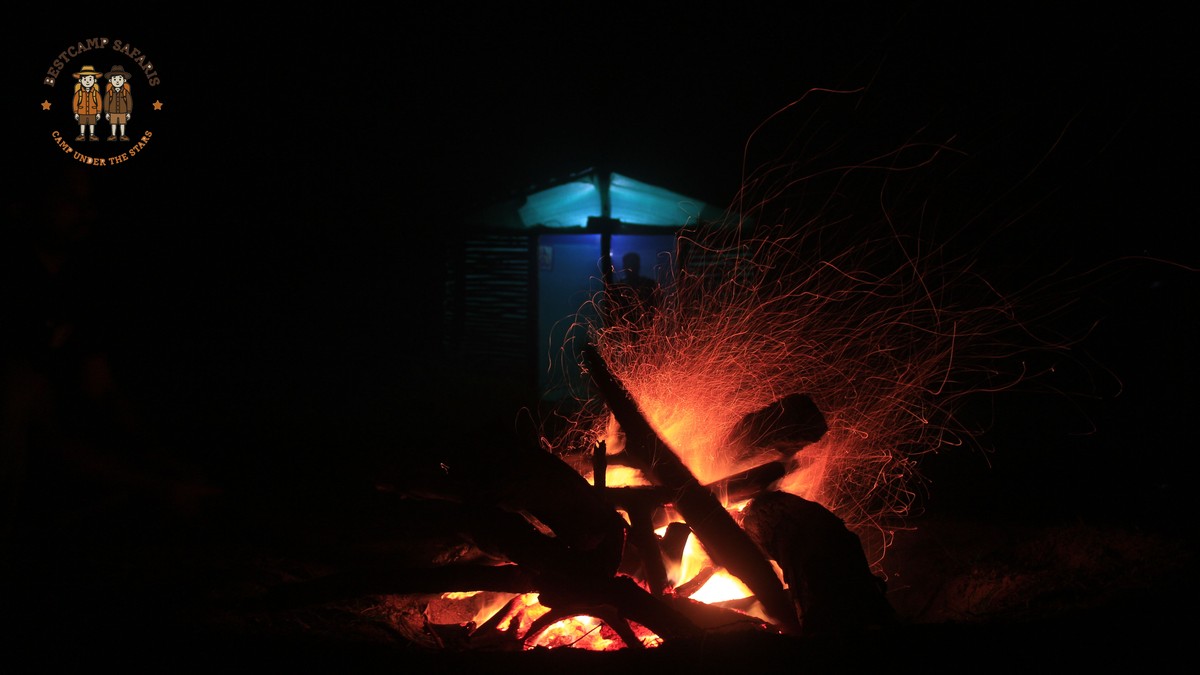
Most night drives run 90 minutes to two hours, starting right after dinner or just before, depending on the camp. Pack a proper fleece or down layer even in the dry season. Laikipia and the Mara both drop into the low teens Celsius after dark, and an open safari vehicle at speed feels colder than it looks on the forecast. A headlamp with a red setting is worth having for the walk back to your tent afterward, since most camps light the path with lanterns rather than floodlights.
Safety Considerations
Night drives are led by guides trained specifically for after-dark conditions, and vehicles stay on established tracks. Walking around camp after a night drive is a different matter. Most conservancies require an askari or guide to escort you between the mess tent and your tent once the sun is down, and that’s a rule worth respecting even if your tent feels close.
Pricing and Packages
Night drives are rarely sold as a standalone add-on with a separate ticket price. They’re built into the nightly conservancy rate, which runs roughly USD 80 to 150 per person per night across Naboisho, Mara North, and similar conservancies, and a comparable range in Laikipia. Camps sometimes charge a small conservancy fee on top of the camp rate itself, so ask what’s included before you book.
The BestCamp Safaris Difference
We only route night drives through camps and conservancies where it’s actually legal and well run, not places bending the rules to sell an experience. We’ve stayed at these camps ourselves, so we know which ones run their spotlights right, which guides genuinely know their nocturnal species, and which conservancies keep vehicle numbers low enough that you’re not sharing a genet sighting with four other trucks. We’ll also tell you plainly when a night drive means trading a cheaper public park itinerary for a pricier conservancy bed, so you can decide if it’s worth it for your trip.
Plan Your Night Game Drive
If a night drive in Ol Pejeta, Naboisho, or Borana sounds like the missing piece of your Kenya trip, we can build an itinerary around it. Get in touch through our contact page and we’ll walk you through the camps, the conservancy fees, and the realistic trade-offs before you commit to anything.


