
 Wildlife Tours
You know the feeling of waking up on hard ground, the smell of woodsmoke, and the sound of cattle lowing nearby. A Kenya mobile camping safari brings that same honest rhythm, but with elephants instead of cows and acacia shade instead of village trees. This is a Dinka speaking travelers mobile camping guide built for that exact experience, written to answer the questions we hear most often before a trip.
This guide is written for Dinka speaking travelers who want the real bush experience. Not a lodge with glass walls. A walk-in tent, a canvas shower, and a lantern at dusk. We will cover the parks, the costs, the tents, and the language support you can expect.
What a Mobile Camping Safari in Kenya Involves
A mobile camp is not a permanent lodge. The whole setup moves with you. A crew drives ahead, sets up tents, and prepares meals, so you arrive in time for tea. The next morning, the camp comes down while you are out on a game drive.
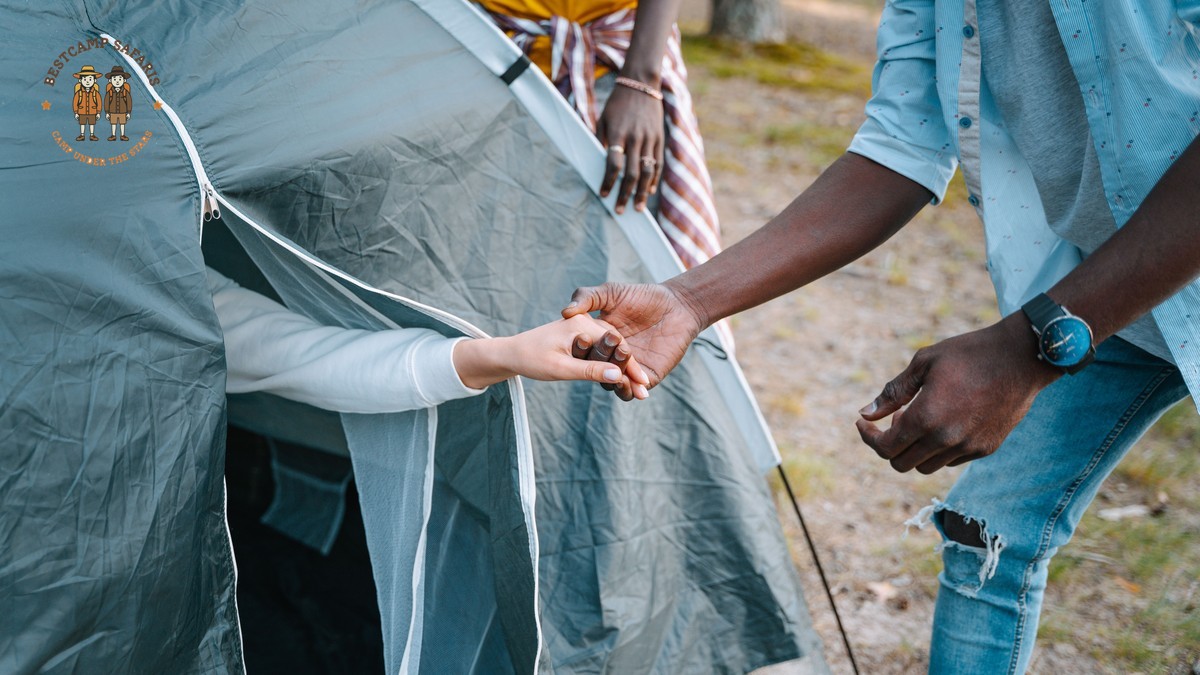
The tents are walk-in safari domes, about 3 by 2.5 meters inside. You get a real bed with sheets, not a sleeping bag on foam. A bucket shower hangs from a tripod behind a canvas screen. The toilet is a long-drop, housed in a small private tent.
Meals are cooked over gas and charcoal. Breakfast might be eggs, toast, and fruit, and dinner is often stew, rice, and vegetables. Your guide eats with you unless you prefer privacy.
Best Kenya Destinations for a Mobile Camping Itinerary
Not every park allows mobile camps. The Maasai Mara is the classic choice. The private Naboisho and Mara North Conservancies allow fly-camps right in the bush, with no permanent structures, just your tents, your crew, and the animals.
Amboseli is another strong option. You camp near the park gates, not inside. The view of Kilimanjaro at sunrise is worth the short drive in each morning. Tsavo East and West offer vast, quiet spaces with fewer vehicles and more solitude.
Here is a quick comparison for planning:
| Destination | Drive from Nairobi | Entrance Fee (USD/adult/day) | Mobile Camp Style |
|---|---|---|---|
| Maasai Mara National Reserve | 5-6 hours | 200 (Jul-Dec), 100 (Jan-Jun) | Inside reserve or private conservancies |
| Naboisho / Mara North Conservancies | 5-6 hours | 80-150 per night, bundled into camp rate | Fly-camp, exclusive use areas |
| Amboseli National Park | 4-5 hours | 90 (KWS) | Camps just outside park gate |
| Tsavo East / Tsavo West | 4-6 hours | 80 (KWS) | Remote campsites inside the parks |
| Chyulu Hills National Park | 3-4 hours | 40 (KWS) | Base camp for hiking and walking |
Any fees not listed above vary by season and operator. Ask your safari company for a written breakdown before you book.
Dinka Speaking Travelers Mobile Camping: What to Expect at Camp
Camp life in Kenya has a clear routine. You wake before dawn. Tea and biscuits arrive at your tent flap. You climb into the safari vehicle as the sky turns pink. You are back by 9 or 10 for a full breakfast.
The middle of the day is hot. You rest, read, or nap under a shade tree. Lunch is light. The evening game drive starts around 4 pm. You return after dark, guided by lamplight. Dinner is served under the stars.
Your guide is the camp manager. He wakes you, drives you, cooks for you, and points out fresh lion tracks along the way.
Language, Guide Communication, and Cultural Considerations
Honest answer: a Dinka speaking guide is rare in Kenya. Most guides speak English and Swahili. The Dinka community is based in South Sudan, and Kenya’s safari industry has not yet built that language capacity.
But this should not stop you. Most Dinka speakers are fluent in Arabic or English as a second language. If you are comfortable with either, communication is easy. Safari English is simple, using clear words for animals, distances, and times.
If you prefer extra support, a mobile camping safari can be conducted through an interpreter. Your guide explains in English, and a colleague or family member translates into Dinka. This works well for safety briefings and daily plans. Ask your tour operator to include this in the booking notes.
Cultural respect matters. The Maasai and Samburu communities are welcoming and may invite you to a village visit. Just ask before taking photos, and never enter a homestead uninvited.
Accommodation, Meals, Bathrooms, and Camp Facilities
The bed is a proper mattress on a frame, with a real pillow, not a rolled-up jacket. Mosquito nets hang from the center pole, and the canvas walls zip fully shut.
The bathroom is a private tent. Inside, there is a long-drop toilet seat over a deep pit. The bucket shower holds about 15 liters of warm water, enough for a short rinse. This is bush camping, so be ready for the basics.
Meals are adaptable. Tell your guide about dietary needs the day before. Vegetarian, no beef, or halal requirements are easy to arrange in Nairobi before the safari starts.
Wildlife Activities and Daily Safari Routine
A typical day starts at 5:30 am. The vehicle is a 4×4 Land Cruiser with an open roof, and you stand through the hatch for photos.
The Mara has the Big Five: lions, leopards, elephants, buffalo, and rhinos. July through October brings the wildebeest migration, while January and February are best for calving season and predators.
Amboseli has large elephant herds. Tsavo has red elephants, dust-coated and dramatic. Walking safaris are possible in the private conservancies, a thrill closer to tracking cattle back home.
What to Pack for Mobile Camping
Packing light is a skill. You do not need formal clothes. You need layers, sturdy shoes, and a good torch. Our packing checklist covers the full list, but here are the essentials:
- Light long-sleeved shirts and trousers for sun and insects
- A warm fleece or jacket for cold mornings
- A headlamp or torch for walking to the bathroom at night
- Wide-brimmed hat and sunscreen
- Personal toiletries and any medications
- Binoculars, if you have them
- A refillable water bottle
The camp provides bedding, towels, and basic toilet paper. Do not expect hairdryers or power outlets in the tent. The main charging point is in the dining tent or the safari vehicle.
Safety, Health, Visas, and Travel Logistics
Kenya is safe for tourists who follow their guide’s advice. Listen at the safety briefing, and stay inside the vehicle during game drives unless your guide says otherwise.
For health, talk to a travel clinic before you go. Yellow fever vaccination is required if you arrive from South Sudan, and malaria prophylaxis is strongly recommended. Rural pharmacies are limited, so bring enough regular medicine.
South Sudanese nationals need a visa for Kenya. Check the e-visa portal at least two weeks before travel. The cost is around USD 50 for a single entry, but confirm the current rate online.
You fly into Jomo Kenyatta International Airport in Nairobi, then fly to the Mara airstrip or drive. A scheduled flight takes about 45 minutes. Driving takes 5-6 hours on mostly paved roads.
Best Time to Visit Kenya
The dry months are best for wildlife. June through October has little rain, and animals gather around permanent water sources. The migration peaks in the Mara from July to October.
January and February are dry and hot, and calving season brings predators close, so sightings are intense. April, May, and November are rainy, roads turn muddy, and some camps close.
Mobile Camping Costs and Booking Options
A mobile camping safari is cheaper than a luxury lodge but not cheap. The price includes the vehicle, guide, cook, tents, meals, and park fees. Conservancy fees are separate and billed per night.
For a basic mobile camp, expect to pay USD 250 to 400 per person per night. A premium setup with private bathrooms and waiter service runs USD 500 to 800. These figures are indicative ranges, and the final price depends on group size and season.
A 4-night mobile camping safari in the Maasai Mara, with a Dinka interpreter on request, starts around USD 1,200 per person. Flights to the Mara add about USD 300 round trip. A 3-night Tsavo East and West itinerary is closer to USD 900 per person.
Sample Kenya Mobile Camping Itinerary
Here is a realistic 6-day plan.
Day 1: Arrive at Jomo Kenyatta International. Transfer to a Nairobi hotel. Meet your guide for a briefing and equipment check.
Day 2: Drive to the Maasai Mara (5-6 hours). Set up camp near the Talek Gate. Evening game drive.
Day 3: Full day in the Mara. Morning drive for lions, picnic lunch at a river crossing, afternoon drive for elephants.
Day 4: Move camp to Naboisho Conservancy. Walking safari with a Maasai ranger. Night drive with a spotlight.
Day 5: Fly from Mara to Nairobi. Connect to Amboseli. Set up camp outside the park gate.
Day 6: Early morning game drive with Kilimanjaro behind the elephants. Drive back to Nairobi in the afternoon.
This shows how mobile camps offer flexibility, letting you switch parks and follow the wildlife.
Frequently Asked Questions
Can Dinka speaking travelers book a mobile camping safari in Kenya? Yes. Many operators, including BestCamp Safaris, welcome Dinka speakers and can arrange an interpreter at booking.
Is a Dinka speaking guide available in Kenya? Not usually, but English or Arabic communication works well, and interpreters can be arranged in advance.
How many nights should a first-timer spend on safari? Four nights is a good minimum, giving you two full days in one park and time to settle into camp life.
The BestCamp Safaris Difference
We do not run mass-market tours. Each mobile camp is set up for your group alone. The cook knows your name before you arrive. The guide adjusts the pace to your comfort level.
We position camps in private conservancies where possible, meaning fewer vehicles, more walking safaris, and quiet nights with only hyenas and wind for sound. We handle the park fees, flights, and permits, so you just show up and camp.
We also take language needs seriously. Tell us you prefer an interpreter, and we will arrange one. We are here to make the bush feel like home.
The trade-off is honest. Mobile camping means less predictable comfort than a lodge, the shower is a bucket, and the road might be bumpy. But you wake to the sound of birds, not air conditioners, and you see stars without a roof.
Plan Your Mobile Camping Safari
If this sounds right for you, we invite you to plan the trip with BestCamp Safaris. Ask us for our guide to mobile camping in Kenya, our overview of mobile camping safaris in Kenya, or our full Kenya mobile camping safari guide, and we will send the details that match your dates.
When you are ready, reach out through our contact page. Tell us your dates, your group size, and your language needs. We will build an itinerary that respects your culture and your sense of adventure.
The bush is calling. We will set up the tent.


