 Wildlife Tours
Planning a safari with an autistic child or adult often starts with the same question: can safari camps accommodate autism? The honest answer is yes, but only with planning. The setting itself is usually calmer than most families expect. I have slept in mobile tented camps where canvas, solar lamps, a shared table, and a campfire replace the noise of a hotel lobby. That does not mean every camp is ready for every traveler. The camps that work best are the ones that treat your written needs as a plan, not a wish list.
Most Kenya camps do not claim a formal autism certification. Instead, they respond to families who explain their needs before booking. This article is a practical Kenya safari family guide. It names real camps, conservancies, costs, and the questions you should ask before paying a deposit.
Can Safari Camps Accommodate Autism?
Yes, many safari camps can accommodate autistic travelers when families explain individual needs before booking. Support commonly involves a quieter tent, predictable meal and activity times, a private vehicle, flexible game drives, familiar foods, and staff who understand sensory overload. Camps do not all offer formal autism programs, so confirmation in writing is essential.
What does that support look like on a normal day? In a small tented camp, the daily rhythm is simple. Wake before dawn, game drive, brunch, rest, afternoon drive, dinner. For an autistic traveler, the predictability is often a comfort. The challenge is the variable part: the sound of a lion roar, a bouncing track, a group of vehicles at a kill. A good camp manager will work with you to reduce those surprises and to plan what happens when one appears anyway.
Sensory-Friendly Safari Features That Matter
The most useful sensory-friendly features are small camps, private or low-traffic tents, limited communal noise, flexible dining, space to retreat, and staff willing to reduce stimulation. Ask about generators, vehicle noise, music, lighting, campfire routines, tent distance from shared areas, and whether meals can be served privately when needed.
A sensory-friendly safari is not a luxury product with extra spa treatments. It is a normal safari with the edges smoothed. You might request a tent at the far end of camp. You might ask that the generator be switched off during rest hours. You might ask that the guide skip loud commentary at a buffalo sighting. Each of those requests is small on its own. Together they change the experience.
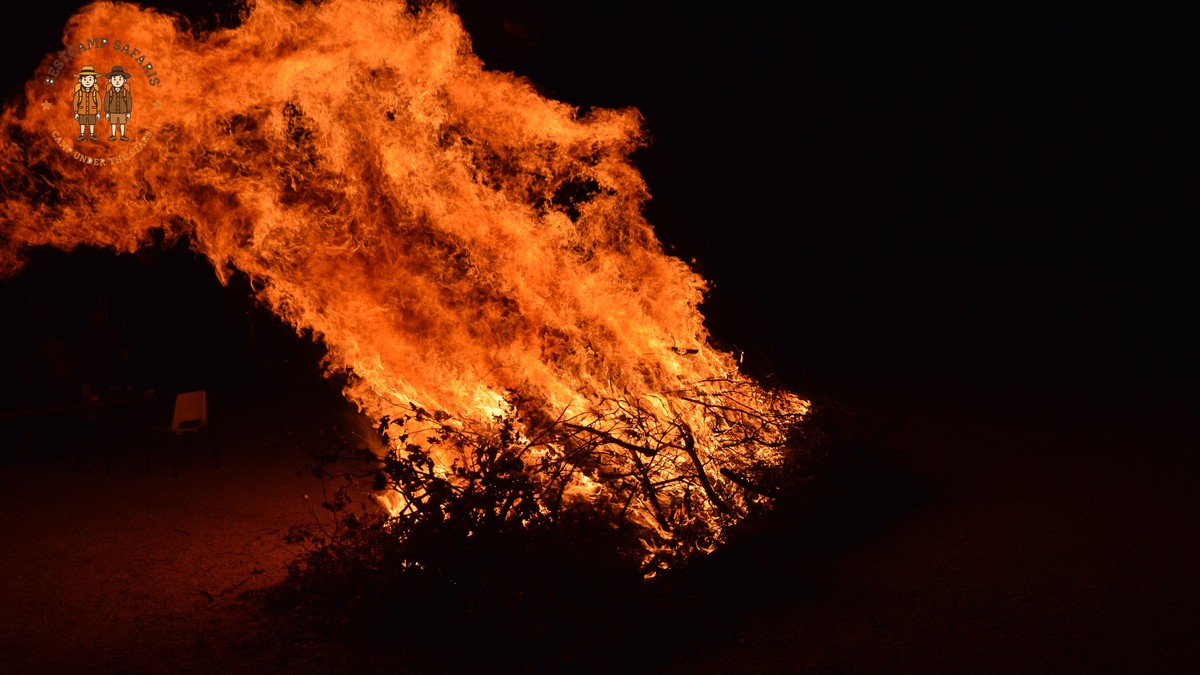
Think about sound maps. In the morning, you hear canvas flapping, birds, and the clink of tea cups being packed. In the evening, you hear the fire, the cooks, and other guests talking. Some travelers need those sounds. Others need silence. The best camps let you say which one you need today.
Choosing a Quiet Safari Camp and Location
For a first safari, choose a small camp in a private conservancy or lower-density wildlife area rather than a large lodge or the busiest park zone. Private conservancies can mean fewer vehicles, less radio noise, and more room to leave a sighting. Smaller camps may also provide closer family accommodation and quieter evenings.
Private conservancies around the Mara are strong starting points. Naboisho Conservancy and Mara North Conservancy bundle their conservancy fees into the camp rate. That usually means you do not pay a separate gate fee the way you do in a national park.
| Area or park | Typical route from Nairobi | Cost per adult per day | Why it can suit a quieter trip |
|---|---|---|---|
| Naboisho Conservancy | 5-6 hour road via Narok, or 45-60 minute flight to a Mara airstrip | Conservancy fee usually bundled into camp rates, roughly USD 80-150 | Fewer vehicles, flexible guiding, small camps |
| Masai Mara National Reserve | 270 km road, 5-6 hours, or 45-60 minute flight | USD 100 Jan-Jun, USD 200 Jul-Dec | High wildlife density but busier in peak season |
| Amboseli National Park | 230 km road, about 4 hours, or 1 hour flight | USD 90 KWS park fee | Open views, elephants, easy to scan |
| Lake Nakuru National Park | 160 km road, 2.5-3 hours | USD 90 KWS park fee | Compact park, short game drives |
| Chyulu Hills National Park | About 220-260 km road, or light aircraft option | USD 40 KWS park fee | Very quiet, low vehicle pressure |
Masai Mara National Reserve is county-run by Narok County Government, not by KWS. Its fees climb to USD 200 a day from July to December. The Mara is famous for a reason. Just know that high season means more vehicles and more waiting. If a quiet trip matters more than herds, a private conservancy often works better.
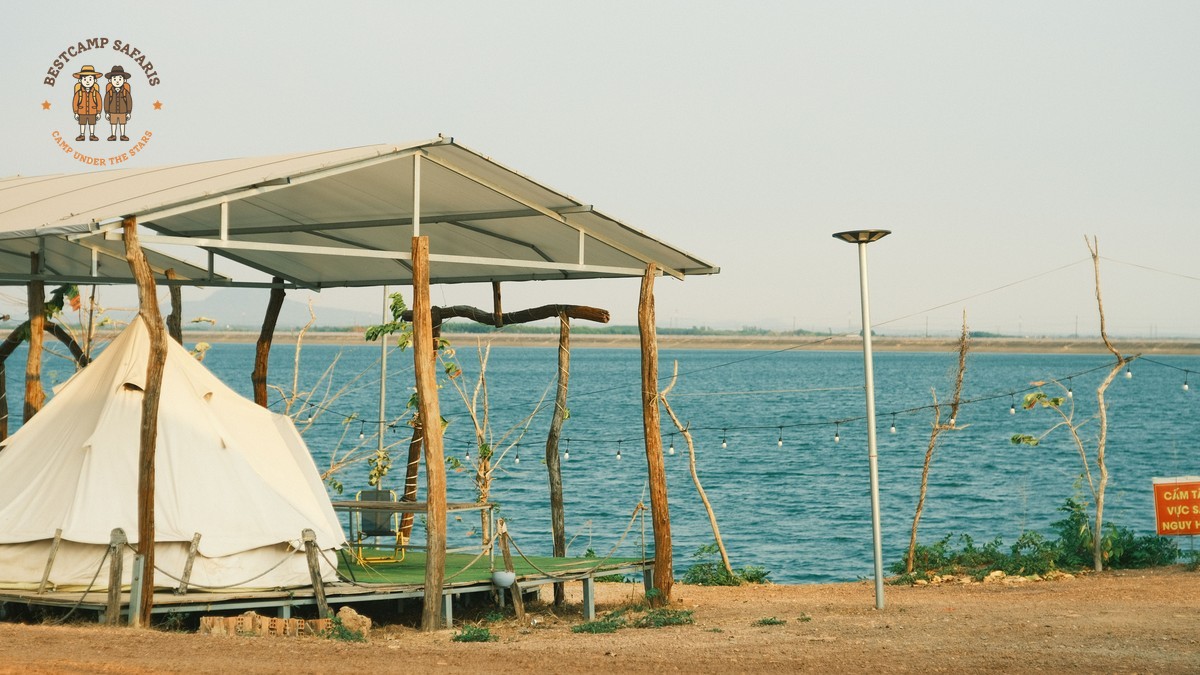
Camps such as Kicheche Bush Camp in Mara North and Campi ya Kanzi in the Chyulu Hills are useful starting points because they are small. They still need your questions in writing. Small does not automatically mean autism-friendly. It just gives you a quieter base to work from.
Private Vehicles, Flexible Game Drives, and Trained Guides
A private safari vehicle gives the family control over departure times, route, noise, breaks, and the decision to return to camp immediately. Before booking, ask whether the guide has hosted neurodivergent guests and will follow a written plan. A shared vehicle can work, but only with a carefully matched group and compatible pace.
A private safari vehicle is usually an extra cost. An indicative range is roughly USD 100-300 per day, depending on the camp and season. Ask for the exact cost in writing before you pay a deposit.
The guide is the most important person in the vehicle. A good guide will read your written plan before the first drive. They will ask whether you want commentary or silence. They will keep distance from other cars when you ask. They will turn the engine off at a sighting rather than keeping it running. They will also watch for signs of overload before you have to say anything.
If your family also uses a wheelchair or has mobility needs, read the guide on how safari vehicles handle accessibility needs before comparing vehicles.
Managing Sensory Overload or Meltdowns on Safari
If sensory overload begins during a game drive, the guide should reduce stimulation, create distance from other vehicles and wildlife, stop unnecessary conversation, and return to camp without treating the early return as a failure. Families should carry familiar comfort items, ear defenders, snacks, medication, and a simple exit plan for every outing.
An early return is not a wasted drive. It is the plan working. Some families begin with 45-minute game drives and build up. Others skip the morning drive and sit with coffee as camp wakes. At 5am in a mobile camp, the ground is cold under boots and the only lights are headlamps and the stars. That sensory picture is part of the decision.
Before every drive, agree on a signal. It could be a hand sign, a word, or a small object placed on the seat. The guide should know the fastest route back to camp and the nearest place to stop if the vehicle needs to pull off.
Food, Routines, Sleep, and Other Special Requirements
Send the camp a written profile covering foods, allergies, communication, sleep, toileting, medication, wandering risk, transitions, and triggers. Request familiar meals, consistent seating, flexible dining, and a tent positioned away from generators or communal spaces. Food and routine requests are more likely to succeed when discussed before arrival, not at check-in.
Kenyan camp kitchens can handle many special diets, but they need time. Send ingredient lists and preferred brands two weeks before arrival. If your child eats a narrow set of foods, the chef can usually prepare familiar versions of local dishes.
For a deeper look at allergies and menus, read how safari camps handle special dietary requirements.
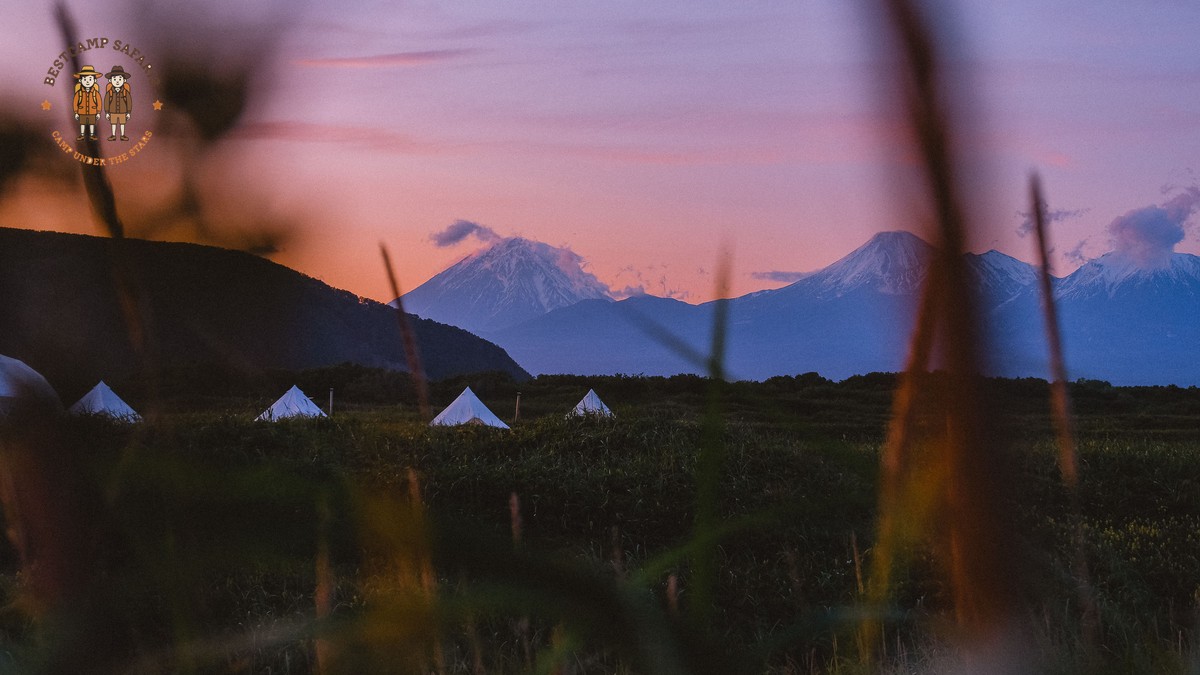
Sleep matters too. A mobile camp runs on morning light. Ask whether your tent has curtains thick enough for a later lie-down. Ask whether the tent lock works, whether the lamp stays on, and how far the bathroom is at night.
Before you book a tented camp, think hard about whether mobile camping suits your child’s age and needs. The detailed checklist is in that article. Read it before you compare deposits.
Questions to Ask Before Booking an Autism-Friendly Safari
Ask whether the camp can provide a quiet tent, private meals, flexible game-drive times, a private vehicle, early returns, familiar foods, and a guide experienced with sensory needs. Also ask about generator hours, walking distances, campfire noise, bathrooms, Wi-Fi or communication access, emergency procedures, and what happens if the planned activity must be cancelled.
Use this as your phone or email checklist:
- What time does the generator shut off at night?
- How far is the dining tent from the sleeping tents?
- Can the camp serve dinner at our tent if the dining area feels crowded?
- Is there cell signal or Wi-Fi for a video call home?
- What is the medical evacuation plan from this camp?
- Can the guide cut a game drive short without extra cost?
- Does the camp have a lock on the tent and a reliable lamp?
- What happens if a planned activity is cancelled by weather?
Then ask for the answers in writing. Some families request a short email that says: we can arrange any three of these options, not all of them. That clarity is more helpful than a vague promise.
Frequently Asked Questions
Is a Kenya safari suitable for an autistic child?
Yes, a Kenya safari can suit an autistic child if the itinerary is designed around the child’s sensory profile, communication style, stamina, and need for predictability. Smaller camps, private vehicles, flexible schedules, and planned quiet time usually create a more manageable experience than large lodges and shared tours.
What makes a safari sensory-friendly?
A sensory-friendly safari limits unnecessary noise, crowding, waiting, and sudden changes. The most practical measures are a small camp, a private vehicle, a flexible guide, quiet accommodation, familiar food, predictable daily timing, and permission to return to camp whenever the traveler needs a break.
Do Kenya camps have quiet rooms?
Some smaller Kenya camps can place guests in a quieter tent or serve meals privately, but a dedicated autism quiet room is not standard. Families should ask about tent location, communal-area noise, generator times, and private dining before paying a deposit, then obtain the agreed arrangements in writing.
How do you handle a meltdown during a game drive?
Tell the guide immediately and prioritize distance, quiet, and a quick route back to camp. Do not pressure the traveler to continue or wait for the sighting to finish. Carry comfort items, water, snacks, medication, and a pre-agreed return plan so the response is calm and predictable.
Is Kenya or South Africa better for autistic travelers?
Neither country is automatically better; the right choice depends on the camp, guide, vehicle arrangement, flight plan, and the traveler’s specific needs. Kenya can work well with a private conservancy itinerary, while South Africa may offer more formally accessible properties and easier reserve logistics. Compare individual camps rather than countries.
The BestCamp Safaris Difference
The BestCamp Safaris difference is not a certificate on the wall. It is a planning process. We build itineraries around your written needs, not a template. Your family gets a quiet tent, a private vehicle, a guide who has read your plan, and a camp team who knows what to do if you need to leave early.
We work with small camps in Naboisho, Mara North, and the Chyulu Hills because they offer the closest combination of wildlife, quiet, and flexibility. We also keep you honest about trade-offs. A remote camp may offer calm surroundings, but it may be far from specialist medical support. We will tell you that before you book, not after.
Our team has slept in mobile tents, coordinated camp kitchens, and guided families through sensory overload on a game drive. We use that experience to write the needs profile your camp will actually follow.
Plan Your Safari With BestCamp Safaris
Ready to compare camps? Start with a conversation about your child’s needs, your budget, and the pace that works for your family. BestCamp Safaris can match you with a quiet conservancy, a private vehicle, and a camp that answers your questions in writing.
Plan your safari with BestCamp Safaris, and we will build the itinerary together.


