
 Wildlife Tours
I have watched the sky go from grey to orange in under four minutes. I stood outside my tent with a lens cap still in my pocket. That is how fast golden hour moves on safari. Camp positioned golden hour photography is not a footnote in trip planning. If your camp faces the wrong way, or the vehicle needs twenty minutes to reach the plains, you lose the shot. You have not even loaded the memory card yet.
Positioning is the difference between a frame you keep for years and a frame you delete on the drive home.
What Golden Hour Actually Gives You
Golden hour on safari usually lasts 20 to 30 minutes after sunrise and before sunset. In the Masai Mara, that window sits close to 6:30am to 7:00am and 6:15pm to 6:45pm, shifting by season. The light is low, warm, and directional, which is why it flatters dust, mane hair, and grass in a way midday sun never does.
The catch is that this window does not wait. A camp that puts you 45 minutes from the nearest plains has already burned most of it before you arrive.
Why Camp Positioned Golden Hour Photography Depends on Orientation
Two things matter here: which way your tent or deck faces, and how close camp sits to open ground.
An east-facing deck catches the sunrise directly, good for silhouettes of acacia trees or a lone giraffe against the glow. A west-facing frontage over a plain or waterhole holds that backlit warmth through the evening drive. That is what most photographers actually want, since evening game activity tends to run longer than dawn activity.
I have stayed in camps along the Mara River where the mess tent faced west over a bend used by hippos and crossing wildebeest. Watching the water turn copper at 6:20pm from a camp chair, before the vehicles even left camp, told me more about positioning than any brochure could.
Camps set back in tree line or facing a hillside lose that. You get shade and privacy, which some travelers want, but you lose the ten free minutes of light before the drive begins.
Matching Camp Choice to Your Photographic Goal
Not every camp suits every kind of shot. A camp built around a permanent waterhole is excellent for evening backlight on drinking animals. It is often weak for dawn action, though, since predators tend to hunt the open plains at first light, not the water’s edge.
Here is how four well-known photography-friendly areas compare on the trade-offs that matter most.
| Area / Camp Type | Typical Orientation | Drive Time to Golden-Hour Ground | Best Light Window | Indicative Price (per night, per person) |
|---|---|---|---|---|
| Mara North Conservancy, tented camps facing the river | East-to-west river frontage | 5 to 15 minutes to plains and crossings | Both dawn and dusk | $650 to $1,200 |
| Naboisho Conservancy, ridge-top camps | West-facing plains | 10 to 20 minutes | Strong dusk, moderate dawn | $700 to $1,100 |
| Central Serengeti, migration-season mobile camps | Variable, moves with herds | 5 to 30 minutes depending on herd position | Seasonal, best Jun-Oct | $500 to $1,400 |
| Kruger private concessions (e.g. Sabi Sands area) | Bushveld, tree-shaded | 15 to 25 minutes to open ground | Strong dawn, weaker dusk | $800 to $1,500 |
Prices are indicative ranges for peak season 2026 and vary by camp size and inclusions. Park and conservancy fees are usually separate. In the Mara conservancies these typically run $80 to $100 per person per day on top of camp rates.
The lesson in that table: a camp perfectly placed for evening backlight over a waterhole is often the wrong pick if your real goal is dawn migration shots. Decide which light window matters more to your trip before you book.
Building a Game Drive Schedule Around the Light
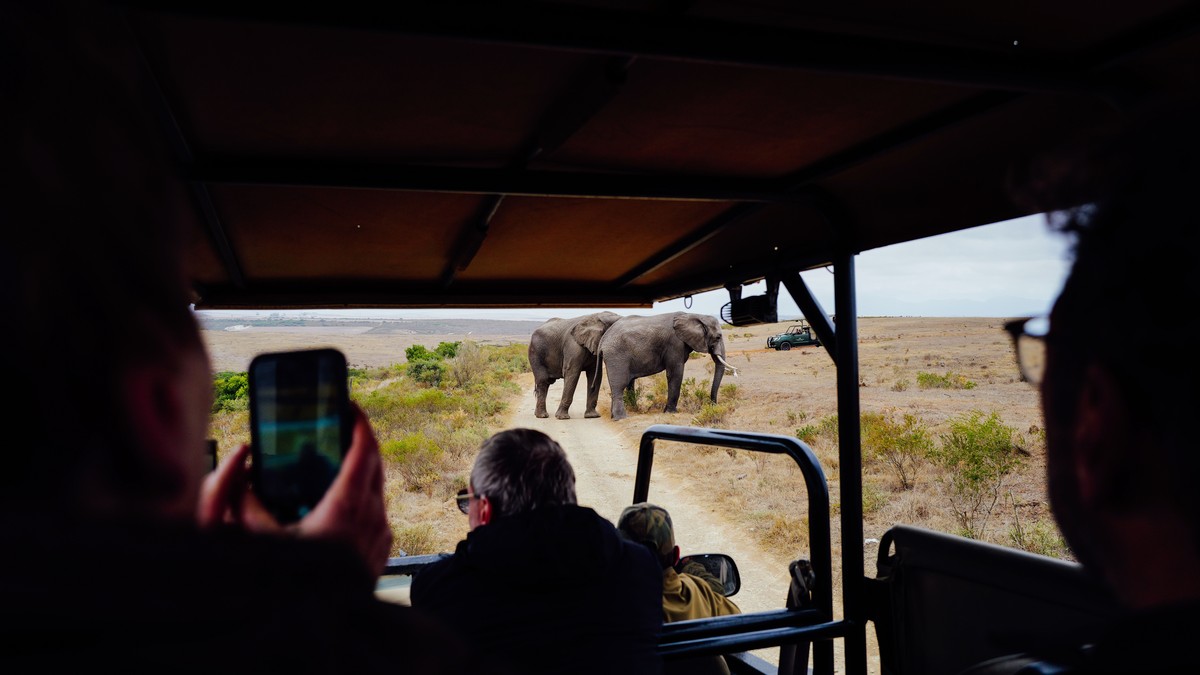
Good guides plan the drive backward from the light, not forward from breakfast. At Mara North and similar conservancies, a 5:15am wake-up call with tea and a rusk gets you into the vehicle by 5:45am. You are in position by 6:15am, well before the sun clears the escarpment.
I remember the sound of that early routine more than the sights. The zip of the tent, the low murmur of camp staff already awake, the smell of woodsmoke from the mess tent fire. That fifteen minutes of quiet before the engine starts is part of why golden hour photography feels different from any other kind of shooting.
Evening drives work in reverse. A 3:30pm departure from a camp 15 minutes from the plains puts you in position with two hours of shooting light left. Add the 20-minute gold window at the end. Camps 30 to 45 minutes out cut that to under an hour. You often end up racing the last light back to camp instead of shooting it.
Seasonal Timing Across East and Southern Africa
Golden hour timing shifts with the calendar. In the Mara, June through October brings the wildebeest migration and river crossings, with dawn light often catching dust from herds moving before sunrise. December through March is calmer, drier, and better for still portraits of resident wildlife.
In the Serengeti, the calving season from January to March draws predators onto open, shadeless plains, ideal for clean, low-light silhouettes. In Kruger and the Sabi Sands area, the dry season from May to September concentrates animals near rivers. This favors dawn light more than dusk, since animals move to water earlier as the bush thins out.
Gear Notes Worth Knowing Before You Go
Golden hour light drops fast, so plan for ISO 400 to 1600 depending on cloud cover. Use a shutter speed no slower than 1/500 for moving subjects, and a lens hood to control flare when shooting toward the sun. A beanbag on the vehicle window frame steadies longer lenses better than a tripod, since most photography vehicles do not stop engines for silence.
The BestCamp Safaris Difference
We build our photography-focused itineraries around actual sun direction, not just scenery. Our team checks tent orientation, drive time to the nearest plains or water, and known crossing points before we recommend a camp.
We are also honest about trade-offs competitors tend to skip. If you want dawn migration shots, we will steer you toward camps near open ground. That may mean a simpler mess tent than a riverfront lodge. If evening backlight over water matters more, we say so, and place you accordingly. We would rather you get the shot than upgrade the tent.
Frequently Asked Questions
What time is golden hour on safari and how long does it last? Roughly 20 to 30 minutes after sunrise and before sunset, shifting by season and location.
Why does camp location matter for golden hour photography? Because the window is short. Extra drive time from camp to open ground eats directly into usable light.
What direction should a safari tent face for the best light? East-facing for sunrise silhouettes, west-facing over open plains or water for the longer evening glow.
How close should a camp be to a waterhole or plains? Under 15 minutes’ drive gives the best odds of catching both the light and the action together.
What is the best time of year for golden hour wildlife photography? June to October for Mara river crossings, January to March for Serengeti calving season.
Ready to plan a photography-focused safari with real drive times and honest camp recommendations? Visit our contact page and tell us which light window matters most to you.

